














Headquarters:3rd Floor, Haiguo Jiaye Sci-Tech Park, Haidian District, Beijing, China

We use cookies to enhance your browsing experience and serve personalized content.
Reject ALL
Accept ALL


2025-11-19
LiDAR sensor datasheets often list maximum range based on ideal lab conditions, but real-world factors can limit performance, affecting system reliability and safety. Understanding these limitations is crucial for designing systems that work predictably in diverse environments. This article explores the challenges impacting LiDAR range and provides strategies to mitigate them, ensuring applications meet necessary perceptual requirements.
The Challenge of Minimum Detection Range
While maximum range gets the most attention, a sensor's minimum detection range is equally critical. This is the shortest distance at which a sensor can make a reliable measurement. For applications involving close-proximity interactions, such as robotic arm guidance or docking maneuvers for AGVs, a blind spot near the sensor can be a significant design constraint. This limitation is caused by the brief but finite time delay between the laser emission and the activation of the detector, making it impossible to register returns from objects that are too close.

Environmental and Target-Induced Limitations
The operational environment and the nature of the target are primary sources of range degradation. System integrators must account for these variables to avoid unexpected performance issues.
Attenuation from Atmospheric Conditions
The laser pulse emitted by a LiDAR sensor weakens as it travels through the atmosphere. This phenomenon, known as atmospheric attenuation, is exacerbated by airborne particulates.
· Adverse Weather: Rain, snow, and dense fog consist of water droplets or ice crystals that scatter and absorb the laser's energy. This significantly reduces the signal strength that returns to the detector, thereby shortening the effective detection range.
· Dust and Pollutants: In industrial, construction, or mining environments, high concentrations of dust and other pollutants have a similar attenuating effect, limiting sensor performance.
The Impact of Target Characteristics
The physical properties of an object directly influence its detectability.
· Low Reflectivity: Dark-colored objects (e.g., black vehicles, asphalt) or materials that absorb infrared light can have very low reflectivity (under 10%). These targets return a much weaker signal to the sensor, drastically reducing the distance at which they can be reliably detected compared to a high-reflectivity target like a white wall.
· Incidence Angle: When a laser beam strikes a smooth, angled surface, much of the light may be reflected away from the sensor instead of back toward it. This is known as specular reflection and can cause a distant object to become temporarily undetectable if its orientation relative to the sensor is unfavorable.
Overcoming Range Limitations with Advanced LiDAR
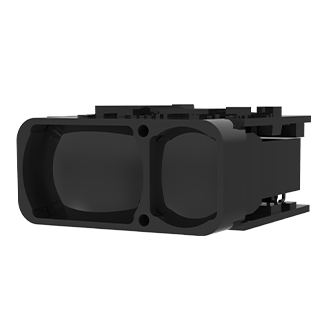
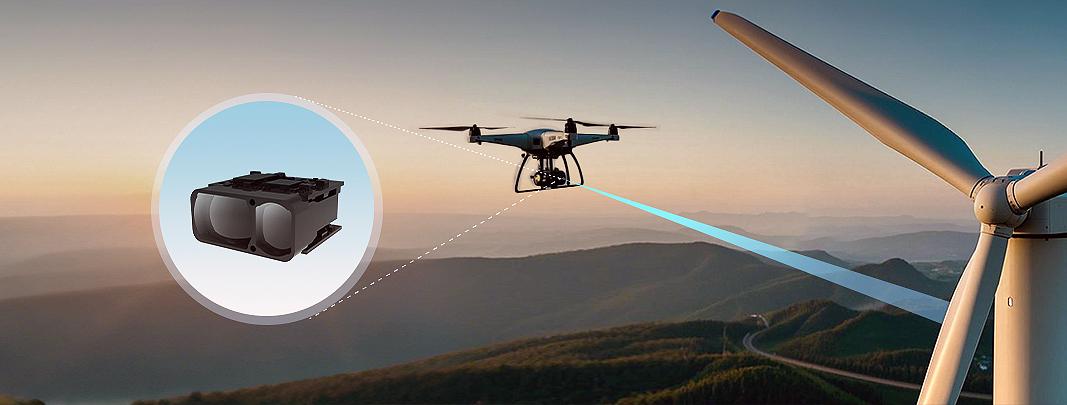
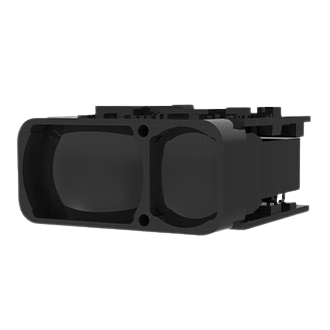
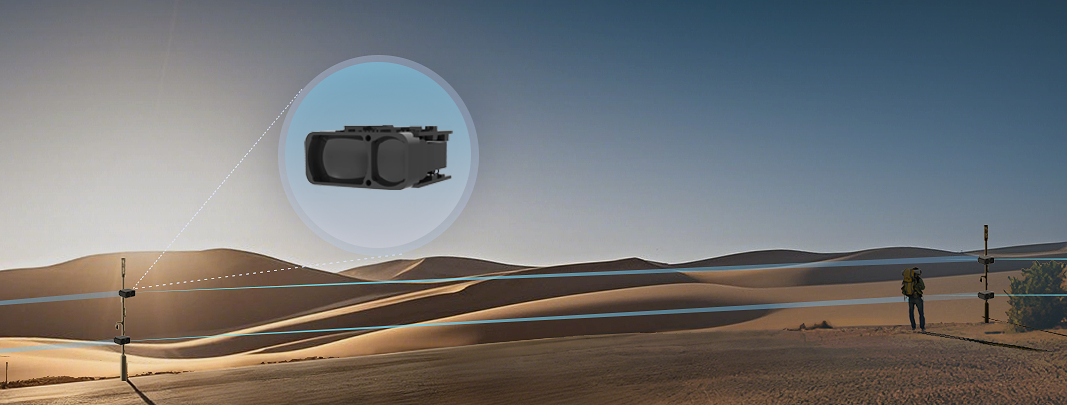
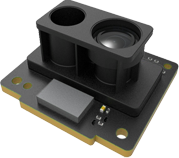
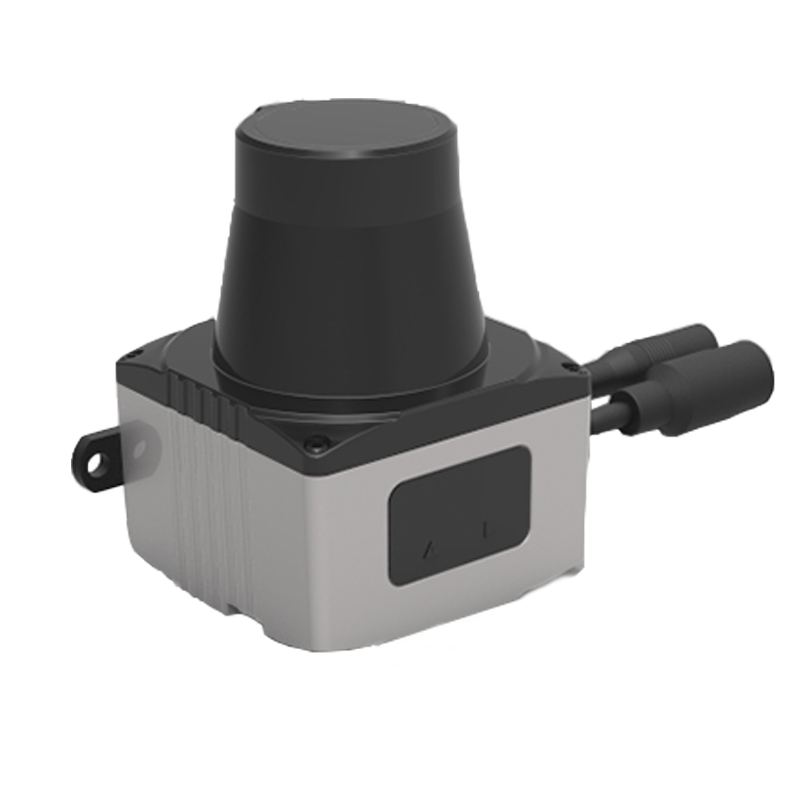
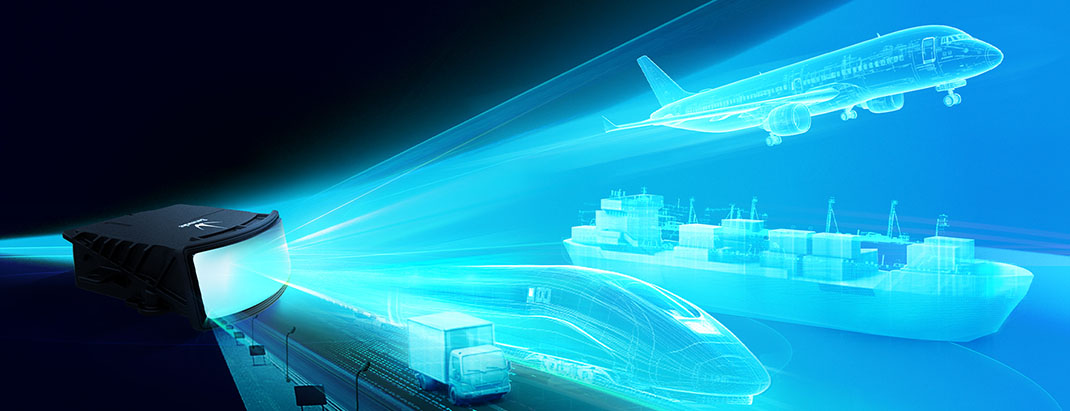
While these limitations are inherent to LiDAR technology, they can be effectively managed with purpose-built hardware. For applications requiring consistent, long-range performance despite environmental challenges, Benewake offers the TF-A1500 Kilometer-Level long range laser sensor. This advanced single-point sensor is engineered to provide superior detection capabilities in demanding scenarios.
Key Specifications:
l Maximum range: 1500 m
l Maximum update rate: 800 Hz (at close range)
l Minimum update rate: 60 Hz (at long range)
l Accuracy: ±0.5 m (≤ 80 m), ±1.0 m (> 80 m)
l Field of View (FoV): ~6 mrad (~0.34°)
l Weight: 11 ± 0.5 g
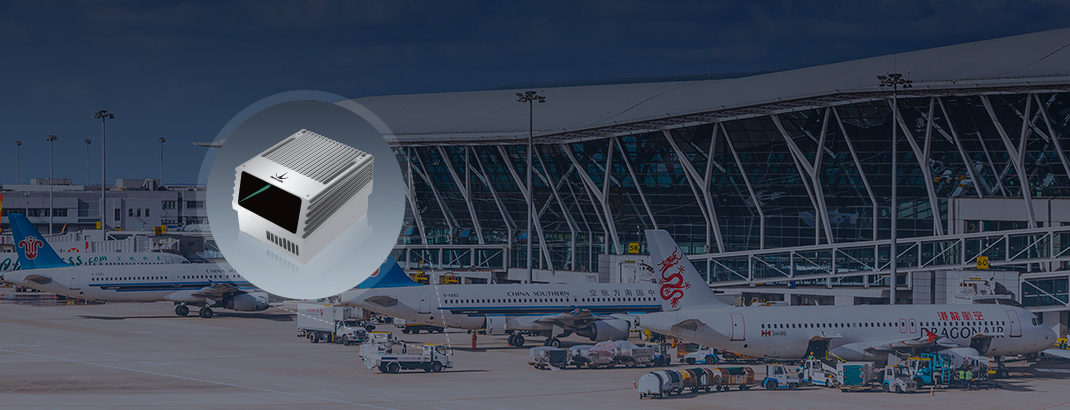
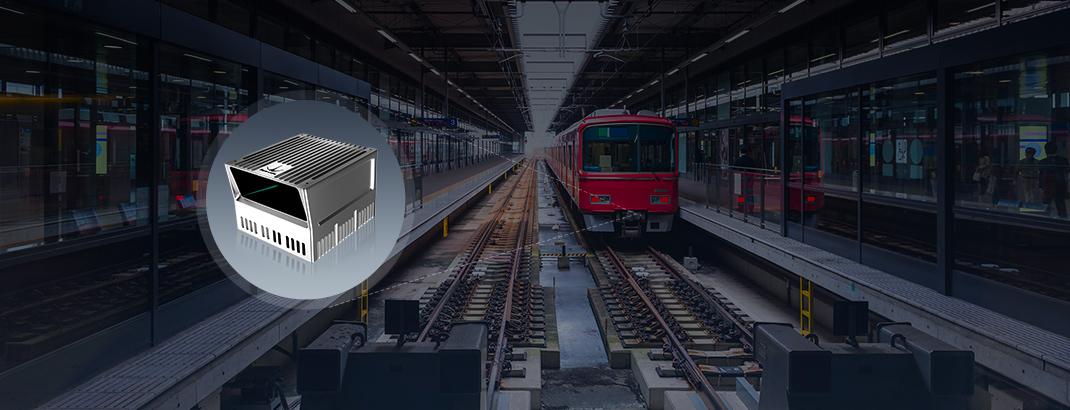
With its high power and sensitive detector, enclosed in an IP67-rated housing, the TF-A1500 delivers reliable, long-distance perception for critical operations in smart transportation, shipping, rail transit, and industrial automation.
Benewake is a global technology leader with hundreds of patents, serving clients in over 90 countries. We provide innovative LiDAR solutions trusted by top 500 enterprises to build safer and more intelligent automated systems.
To learn how our advanced LiDAR technology can solve your project's unique challenges, contact our team for more information on our full range of sensors.