














Headquarters:3rd Floor, Haiguo Jiaye Sci-Tech Park, Haidian District, Beijing, China

We use cookies to enhance your browsing experience and serve personalized content.
Reject ALL
Accept ALL


2025-11-28
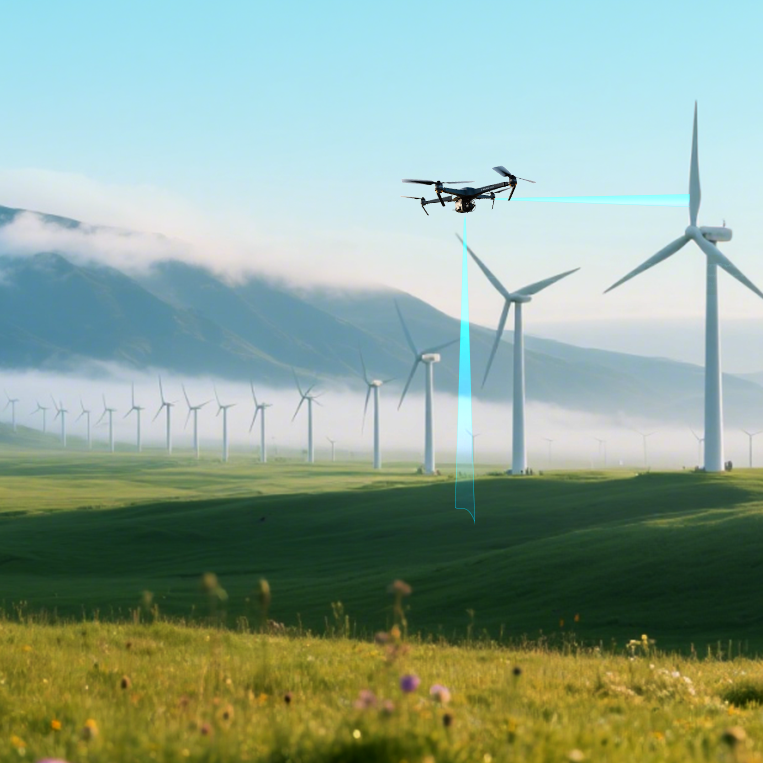
In Unmanned Aerial Vehicles (UAVs), flight stabilization modes are fundamental for operational reliability and safety. System integrators require a precise understanding of autonomous functions for sensor specification. Altitude Hold and Position Hold are two distinct core modes, each serving unique purposes and relying on different data inputs, making their differentiation essential for effective UAV solution design. This post will technically distinguish these modes, clarifying their functions, sensor requirements, and applications.
Altitude Hold: Maintaining Vertical Stability
Altitude Hold is a flight mode that exclusively manages the drone's vertical (Z-axis) position. When engaged, the UAV’s flight controller uses sensor data to automatically adjust motor thrust, maintaining a consistent height above a reference point. This function is crucial for preventing uncontrolled ascent or descent, ensuring the drone remains at a safe and stable elevation.
How Altitude Hold Works and What It Requires
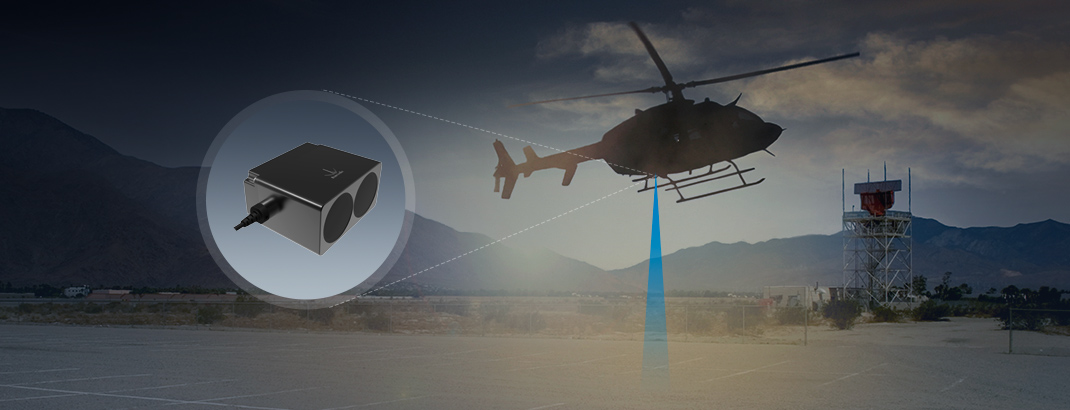
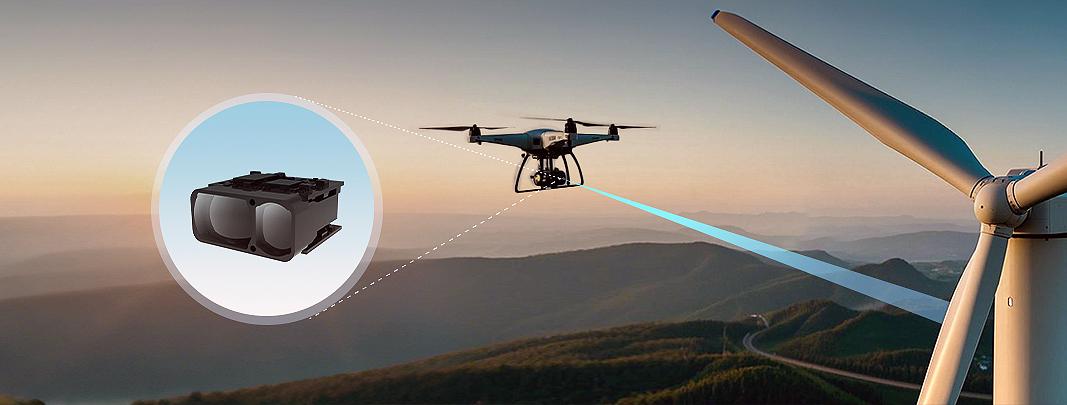
The primary sensor for effective Altitude Hold is one that measures vertical distance. While barometric pressure sensors can provide an estimate of altitude relative to sea level, they are susceptible to drift from weather changes. For precise height-above-ground (AGL) measurements, LiDAR sensors are the superior technology. A single-point LiDAR sensor, aimed downward, provides high-frequency, accurate distance data to the ground, enabling the flight controller to make rapid corrections and maintain a stable altitude, even over uneven terrain.
This mode is foundational for applications like agricultural spraying, infrastructure inspection, and the final descent phase of package delivery.
Position Hold: Maintaining Full 3D Stability
Position Hold is a more comprehensive flight mode that stabilizes the drone's location in three-dimensional space. It locks the UAV’s coordinates along the horizontal plane (X and Y axes) in addition to maintaining its vertical altitude. When activated, the drone will resist lateral drift caused by wind and other external forces, actively returning to its designated GPS coordinates.
How Position Hold Works and What It Requires
To achieve Position Hold, the flight controller must integrate data from multiple sensors. While a LiDAR or barometer handles the altitude (Z-axis), horizontal stability relies primarily on a Global Navigation Satellite System (GNSS) receiver, such as a GPS. The GNSS module provides the drone's geographic coordinates. The flight controller continuously compares the drone's current coordinates to the locked position and adjusts motor output to counteract any lateral movement. In many systems, this is further augmented by an Inertial Measurement Unit (IMU) to refine stability.
Position Hold is essential for applications requiring the drone to remain stationary for extended periods, such as aerial photography, surveillance, and communication relays.
Introducing the Benewake TFA170-L for Precision Altitude Hold
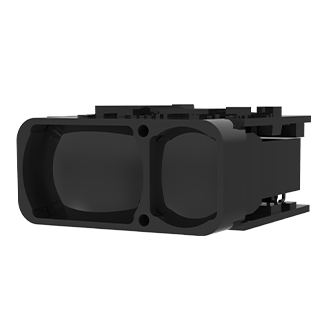
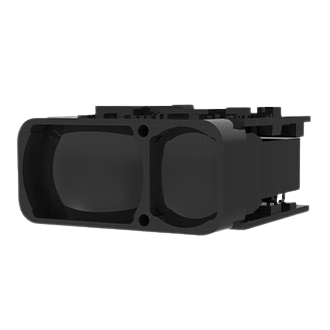
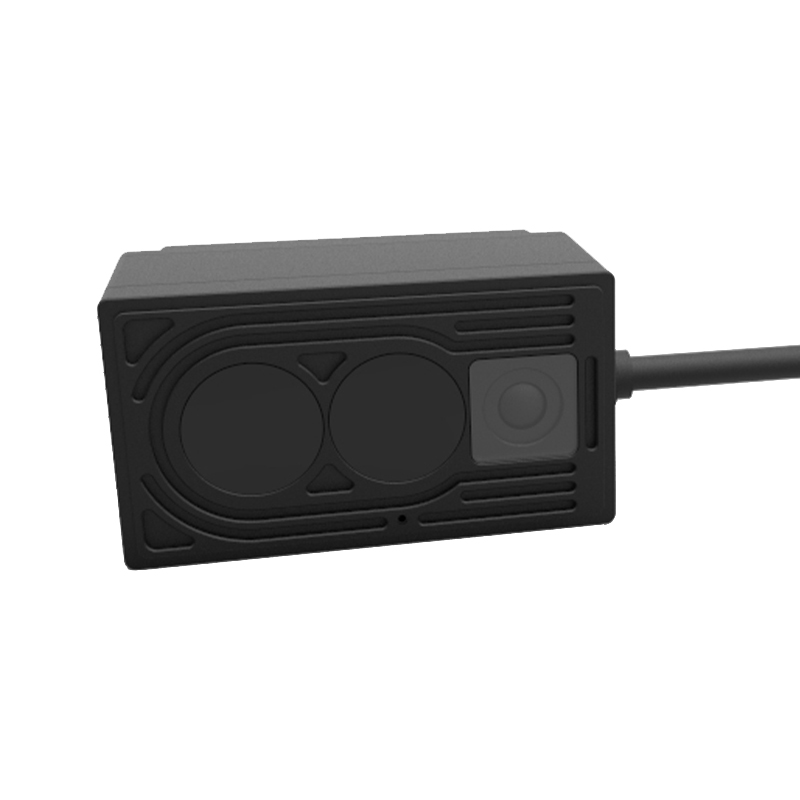
For system integrators requiring superior Altitude Hold capabilities, Benewake offers the TFA170-L. This single-point ranging LiDAR is specifically engineered to provide the high-frequency, accurate AGL data needed for stable and responsive vertical control in demanding UAV applications.
The TFA170-L drone altitude hold sensor delivers reliable measurements essential for terrain following, precision landing, and overall flight safety.
Key Specifications of TFA170-L Drone Altitude Hold Sensor:
· Detection Range: 0.1-170m
· Frame Rate: 50 Hz (default)
· Ranging Accuracy: +10cm(<10m), 1%(≥10m)
· Filed of View: <0.5°
· Weight: 10 g
Its robust IP67-rated enclosure and high performance make the TFA170-L a cost-effective and dependable solution for any UAV platform.
As a global LiDAR technology company with hundreds of patents and a presence in over 90 countries, Benewake delivers innovative LiDAR solutions trusted by leading enterprises. We empower industries to build safer, more intelligent automated systems.
Contact our team to discover how the TFA170-L can provide the precise altitude data your UAV system requires.