














Headquarters:3rd Floor, Haiguo Jiaye Sci-Tech Park, Haidian District, Beijing, China

We use cookies to enhance your browsing experience and serve personalized content.
Reject ALL
Accept ALL


2025-11-28
The Singular Focus of Altitude Hold
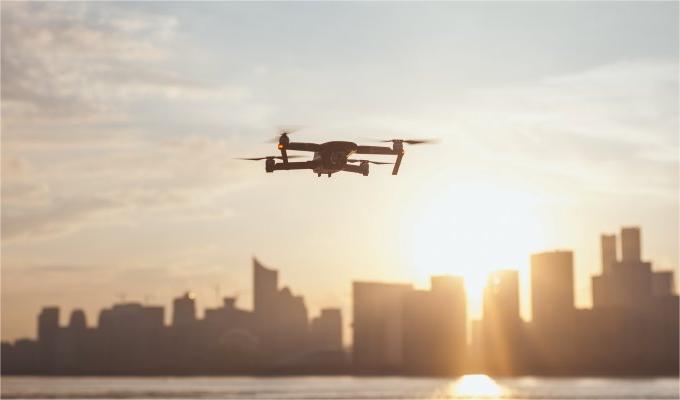
Altitude Hold mode is designed to perform one task exclusively: maintain the drone's vertical position (Z-axis). The flight controller uses data from an altitude sensor to make continuous adjustments to the motors' thrust, counteracting changes in elevation. This ensures the UAV remains at a constant height.
However, this mode does not manage the drone's horizontal or lateral position (X and Y axes). Without active input to stabilize its position on the horizontal plane, the drone is susceptible to external forces.
Primary Causes of Drone Lateral Drift
Even with Altitude Hold active, several factors can cause a drone to drift from side to side.
· Environmental Forces: The most common cause of drift is wind. Even a light breeze will exert force on the drone's frame, pushing it off its horizontal position. Since Altitude Hold only controls vertical movement, it will not command the motors to counteract this sideways push.
· Sensor Limitations and Data Lag: While Altitude Hold relies on a sensor like a LiDAR or barometer, it does not use a GNSS (GPS) receiver. Without GPS data providing its geographic coordinates, the flight controller has no information about its lateral position and therefore cannot correct for drift.
· IMU Calibration Issues: An improperly calibrated Inertial Measurement Unit (IMU), which includes accelerometers and gyroscopes, can provide incorrect data to the flight controller. This can lead to a slight, persistent drift in one direction as the system mistakenly tries to level itself based on flawed sensor readings.
Distinguishing from Position Hold Mode
To prevent lateral drift, a different flight mode is required: Position Hold (also known as Loiter mode). This mode integrates data from both an altitude sensor and a GNSS receiver.
· Altitude Hold controls the Z-axis using a LiDAR or barometer.
· Position Hold controls the X and Y axes using a GNSS module, while also using the altitude sensor for vertical stability.
When a drone is in Position Hold, the flight controller actively works to maintain both its altitude and its geographic coordinates, correcting for wind and other forces to remain locked in place. The drift observed during Altitude Hold is simply the absence of this horizontal stabilization.
Introducing the TFA170-L for Superior Altitude Stability
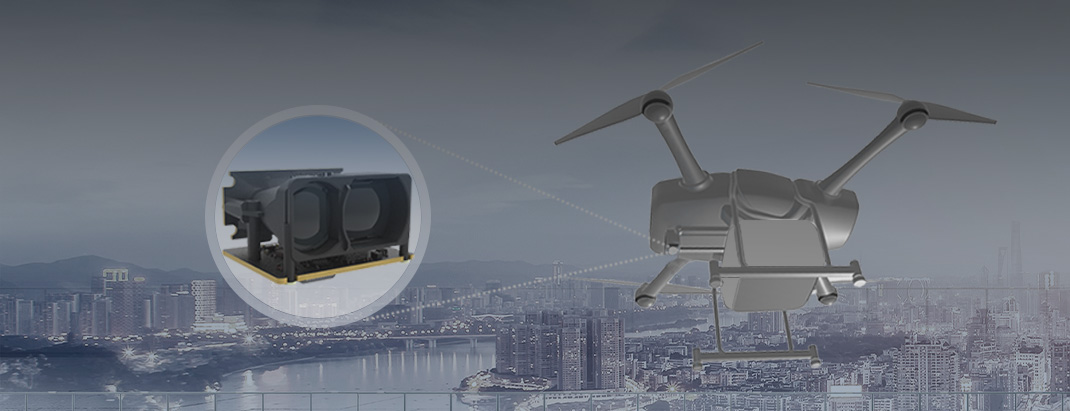
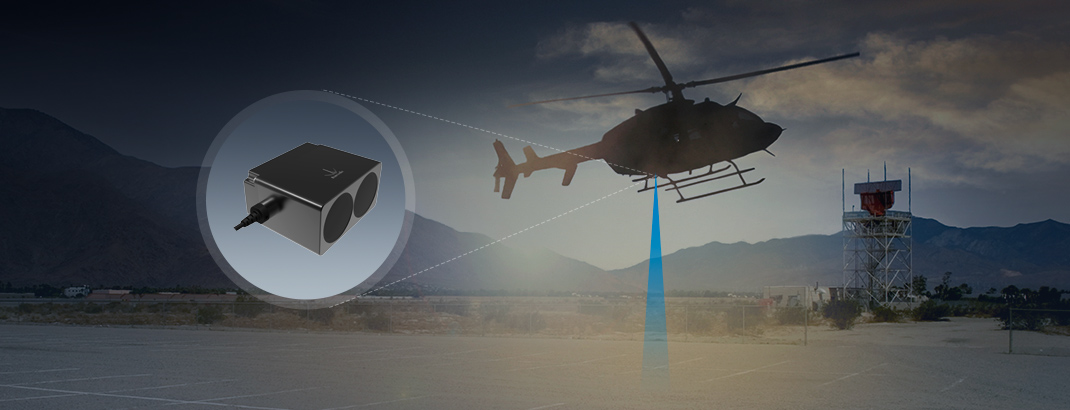
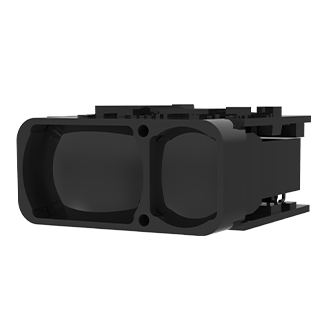
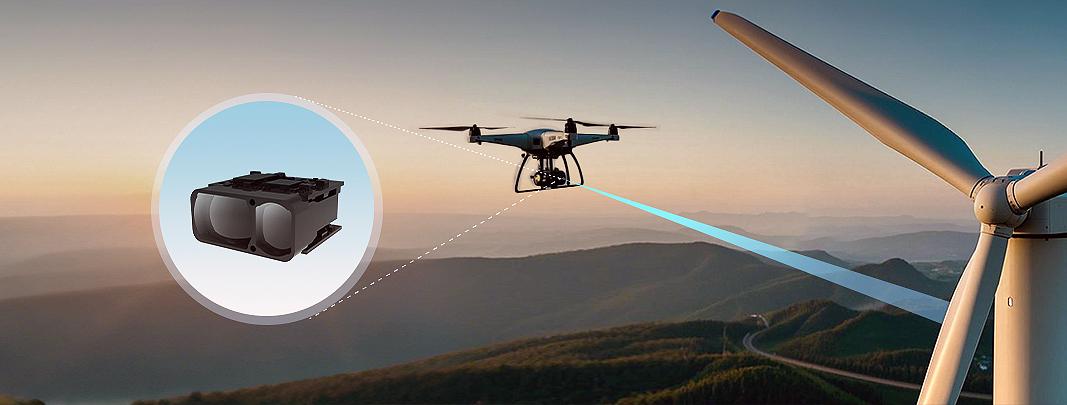
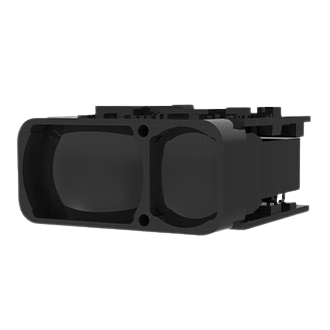
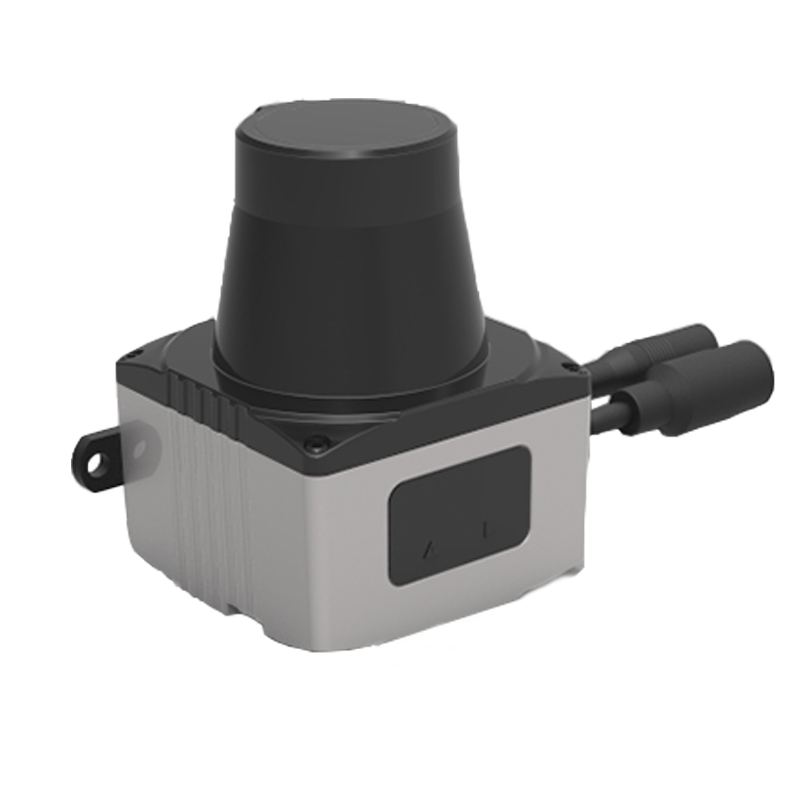
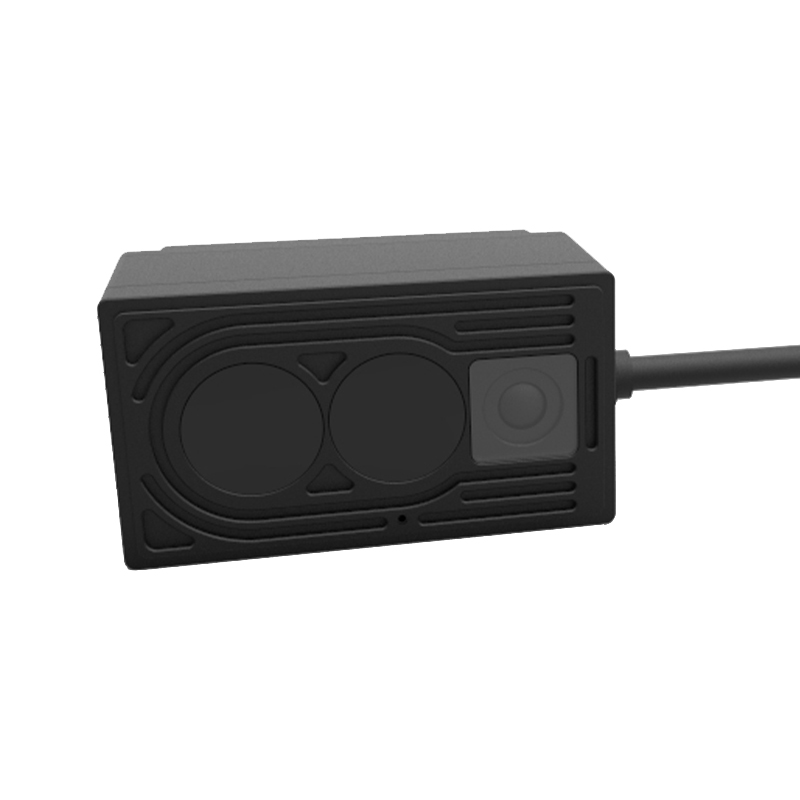
Achieving precise and reliable Altitude Hold is the foundation upon which all other flight maneuvers are built. The Benewake TFA170-L is a single-point ranging LiDAR specifically engineered to provide the high-frequency, accurate data needed for superior vertical control in demanding UAV applications.
The TFA170-L altitude sensor for drones ensures your UAV’s flight controller receives the stable, low-latency data required for precise terrain following, smooth hovering, and safe landings.
Key Specifications:
· Detection Range: 0.1-170m
· Frame Rate: 50 Hz (default)
· Ranging Accuracy: +10cm(<10m), 1%(≥10m)
· Filed of View: <0.5°
· Weight: 10 g
With its robust IP67-rated enclosure and high-performance specifications, the TFA170-L is a cost-effective and dependable sensor for any UAV platform.
As a global LiDAR technology company with hundreds of patents and a presence in over 90 countries, Benewake delivers innovative LiDAR solutions trusted by leading enterprises. We empower industries to build safer, more intelligent automated systems.
Contact our team to discover how the TFA170-L can provide the rock-solid altitude data your UAV system requires.