














Headquarters:3rd Floor, Haiguo Jiaye Sci-Tech Park, Haidian District, Beijing, China

We use cookies to enhance your browsing experience and serve personalized content.
Reject ALL
Accept ALL


2025-11-28

For autonomous and safe operation of Unmanned Aerial Vehicles (UAVs), particularly beyond visual line of sight (BVLOS), real-time obstacle detection and avoidance are essential. This capability relies on sophisticated proximity sensors, with LiDAR (Light Detection and Ranging) sensors being a critical technology due to their precision and speed. This article will detail the mechanism of how drone proximity sensors, specifically LiDAR, detect obstacles in real-time to ensure safe flight operations.
The Core Mechanism: Time-of-Flight (ToF) Principle
The majority of LiDAR-based proximity sensors operate on the Time-of-Flight (ToF) principle. This method provides a direct and highly accurate way to measure distance. The process is straightforward yet effective:
1. Emission: The LiDAR sensor emits a pulse of infrared laser light in a specific direction.
2. Reflection: The laser pulse travels outward until it strikes an object in its path. The surface of this object reflects the light, scattering some of it back toward the sensor.
3. Detection: A highly sensitive photodetector within the sensor captures the returning light pulse.
4. Calculation: The sensor's internal processor measures the precise time it took for the laser pulse to travel from emission to detection. Since the speed of light is a known constant, the sensor calculates the distance to the object using the formula: Distance = (Speed of Light × Time of Flight) / 2.
This entire cycle is completed thousands of times per second, providing the drone's flight control system with a high-frequency stream of distance data.
Translating Data into Action
A proximity sensor's function is not just to measure distance but to provide actionable data that prevents collisions. When a LiDAR sensor detects an object within a predefined safety threshold, it transmits this information to the UAV's flight controller.
Real-Time Obstacle Avoidance
A high-frequency update rate is critical for real-time performance. When a drone is in motion, its surroundings change rapidly. A sensor with a high frame rate (measured in Hertz) provides the flight controller with a near-continuous flow of data, enabling it to:
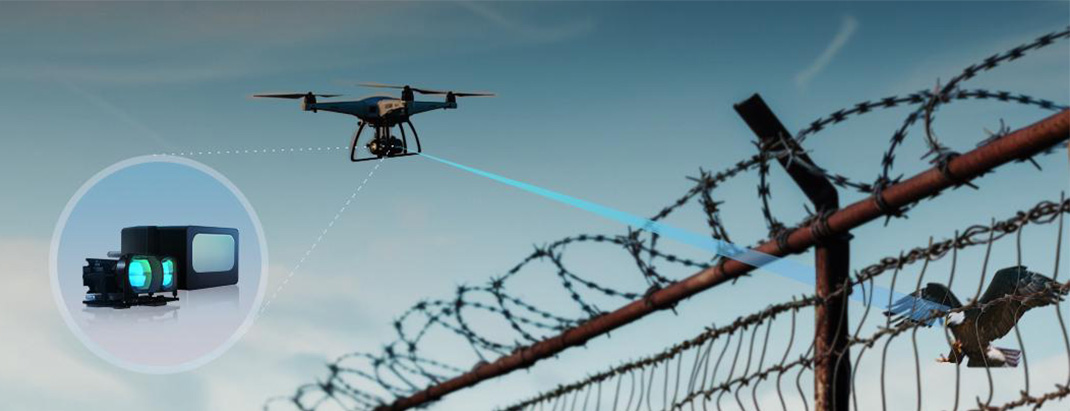
· Identify Stationary and Moving Obstacles: The sensor rapidly detects objects like trees, buildings, power lines, and other UAVs.
· Trigger Avoidance Maneuvers: Based on the incoming data, the flight controller can execute pre-programmed maneuvers, such as stopping, hovering, or rerouting the flight path to avoid a collision. This process must occur with minimal latency to be effective, especially at higher operational speeds.
Introducing the TFA300 for Reliable Obstacle Detection
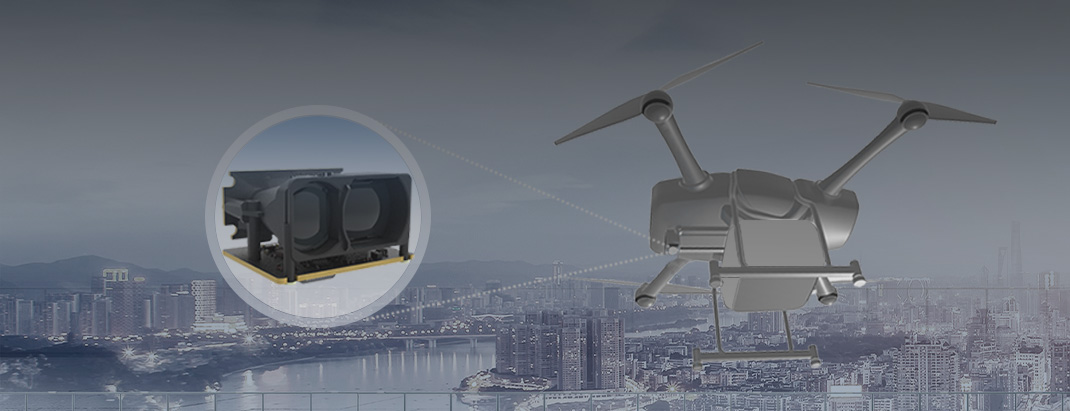
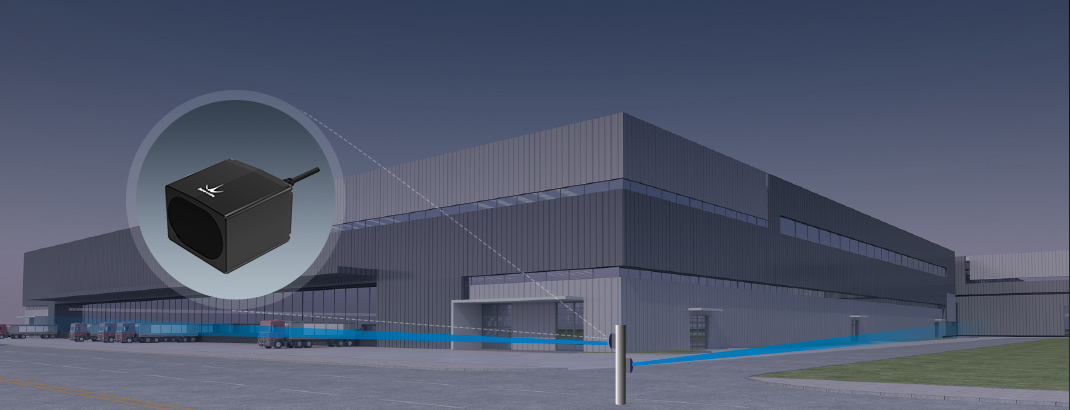
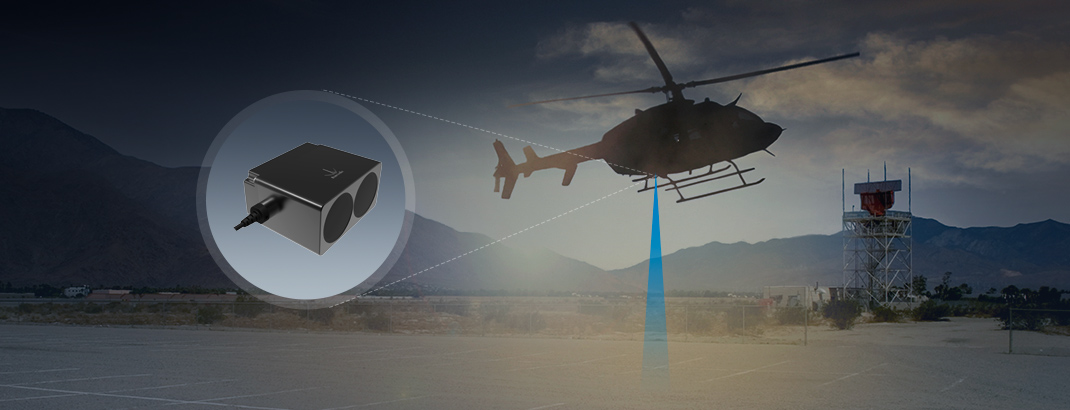
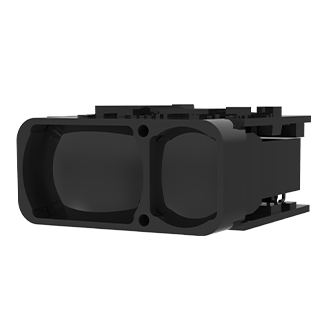
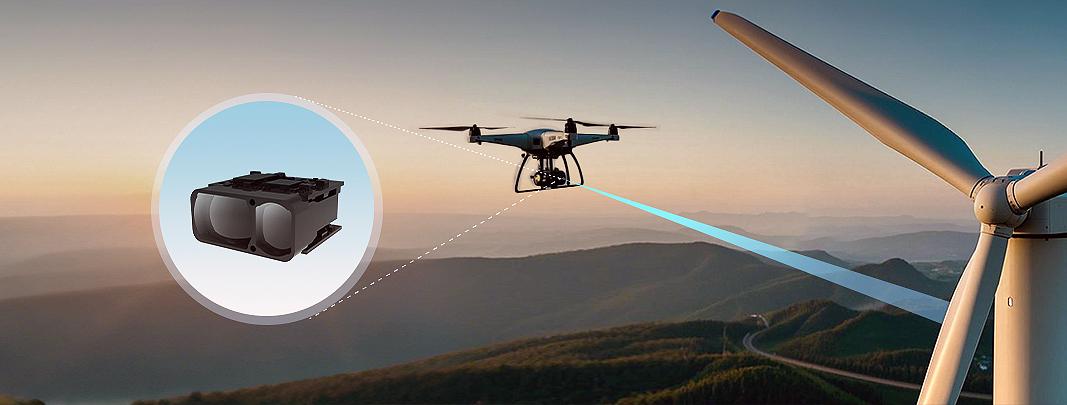
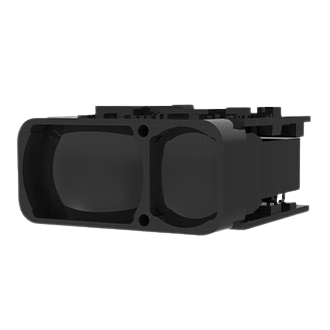
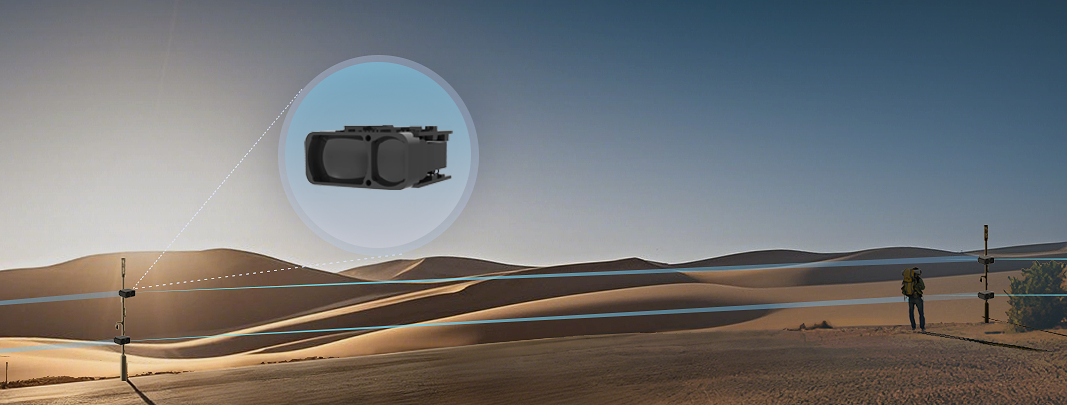
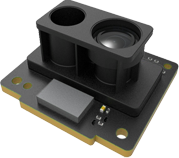
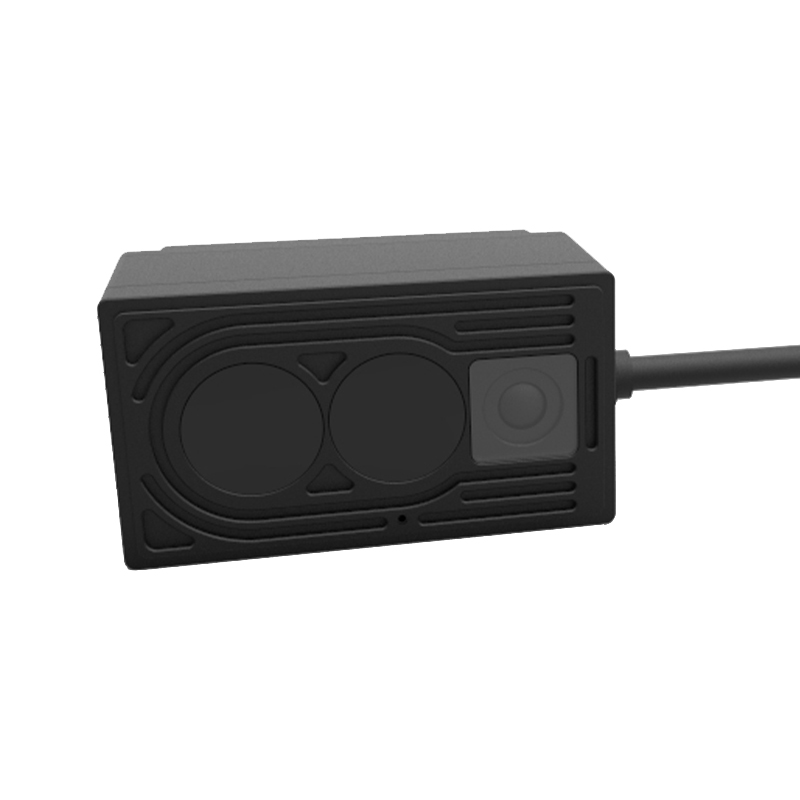
For system integrators designing UAVs that require dependable, close-range obstacle detection, Benewake offers the TFA300. This single-point, short-range LiDAR sensor is engineered for high-performance proximity sensing in dynamic applications.
The TFA300 drone proximity sensor provides the accurate, high-speed data necessary for robust obstacle avoidance systems, ensuring operational safety in complex environments.
Key Specifications:
· Default frame rate: 1 ~ 1,000 Hz (adjustable) , up to 10,000 Hz in ultra-high-frequency mode
· Real-time updates: Every 3.4 cm at Mach 1 speed
· Detection range: 0.1 ~ 290 m
· Ranging Accuracy: ± 10 cm (< 10 m) 1% (≥ 10 m)
· Interface: CAN (DroneCAN supported)
· Connectors: JST GH (industry standard)
· Designed for EO/IR gimbals, SAR drones, FPV racing drones
With its high frame rate and compact design, the TFA300 is an optimal solution for enabling safe navigation in robotics and UAVs.
Benewake is a global LiDAR technology company with hundreds of patents and a business presence in over 90 countries and regions. Our LiDAR solutions are trusted by top 500 enterprises to realize automation and intelligent systems across industries like rail transit, civil aviation, shipping, and industrial applications.
Contact our team today to learn how the TFA300 can enhance the safety and perceptual capabilities of your next project.