














Headquarters:3rd Floor, Haiguo Jiaye Sci-Tech Park, Haidian District, Beijing, China

We use cookies to enhance your browsing experience and serve personalized content.
Reject ALL
Accept ALL


2025-12-02
While both ground-based robots and Unmanned Aerial Vehicles (UAVs) utilize proximity sensors for navigation and obstacle avoidance, their design and operational requirements vary significantly. System integrators must understand these distinctions to select the optimal sensor technology for specific platforms, as a sensor suited for a ground robot may not be appropriate for a drone, and vice versa. This article will detail the key differences between proximity sensors for robotic and drone applications, focusing on their engineering priorities and operational environments.
Core Design Priorities: SWaP-C vs. Durability
The fundamental difference between drone and robot proximity sensors stems from their operating environments. This influences everything from size and weight to power consumption and ruggedness.
Drone Sensors: The Primacy of SWaP-C
For any airborne platform, Size, Weight, Power, and Cost (SWaP-C) are the dominant design constraints. Every gram of payload reduces flight time and maneuverability. Consequently, drone proximity sensors must be:
· Extremely Lightweight and Compact: To minimize their impact on the UAV's overall flight performance.
· Power-Efficient: To avoid significant drain on the drone's limited battery capacity.
· High-Performance: Capable of high-frequency updates to detect obstacles during rapid, three-dimensional movement.
These sensors are primarily focused on detecting obstacles at a distance to enable real-time avoidance maneuvers during flight.
Robot Sensors: Emphasis on Durability and Close-Range Precision
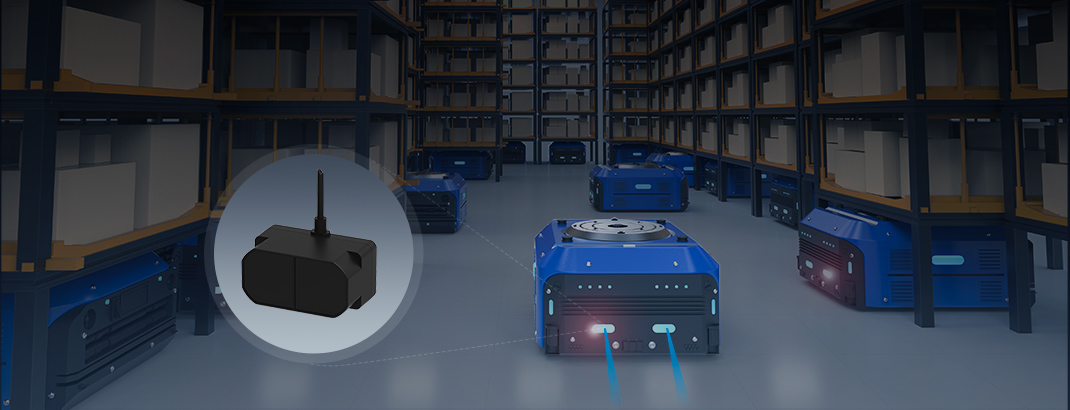
Ground-based robots, such as Autonomous Mobile Robots (AMRs) in a warehouse or delivery bots on a sidewalk, operate in physically demanding environments. They face a higher risk of direct impact and interaction with their surroundings. Therefore, their sensors prioritize:
· Robustness and Durability: Often built with rugged enclosures (e.g., higher IP ratings) to withstand dust, moisture, vibrations, and potential collisions.
· Close-Range Accuracy: Many robotic applications require precise detection of low-profile objects, drop-offs (fall prevention), and docking alignment. Weight and power consumption, while still important, are less critical than for drones.
Sensing Technology and Application Focus
The application also dictates the type of sensing technology used. Drones require a 360-degree perceptual bubble for safe navigation in open air, while ground robots often need focused detection along their path of travel.
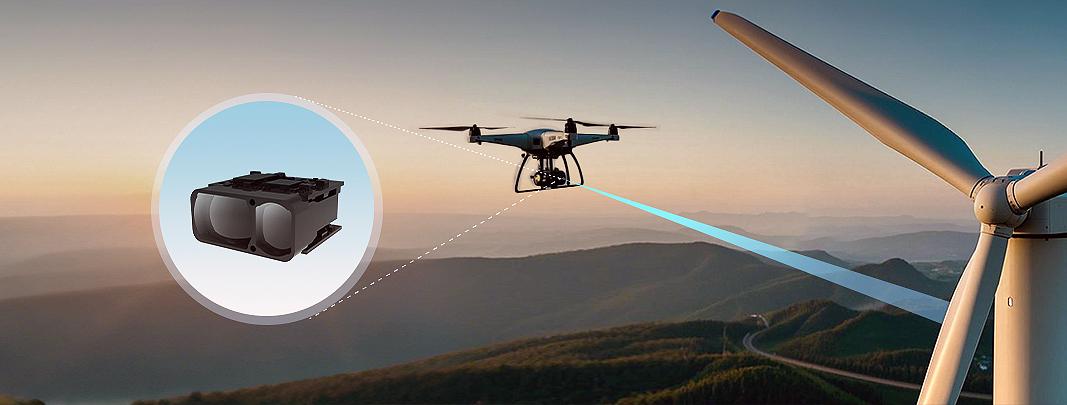
· Drones: Frequently utilize multiple lightweight, single-point LiDAR sensors to create a multi-directional sensing array, covering forward, backward, lateral, and vertical vectors.
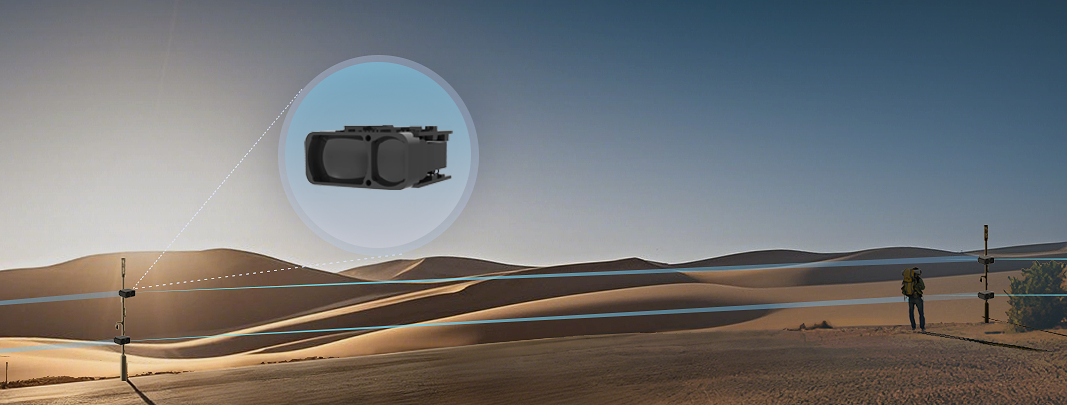
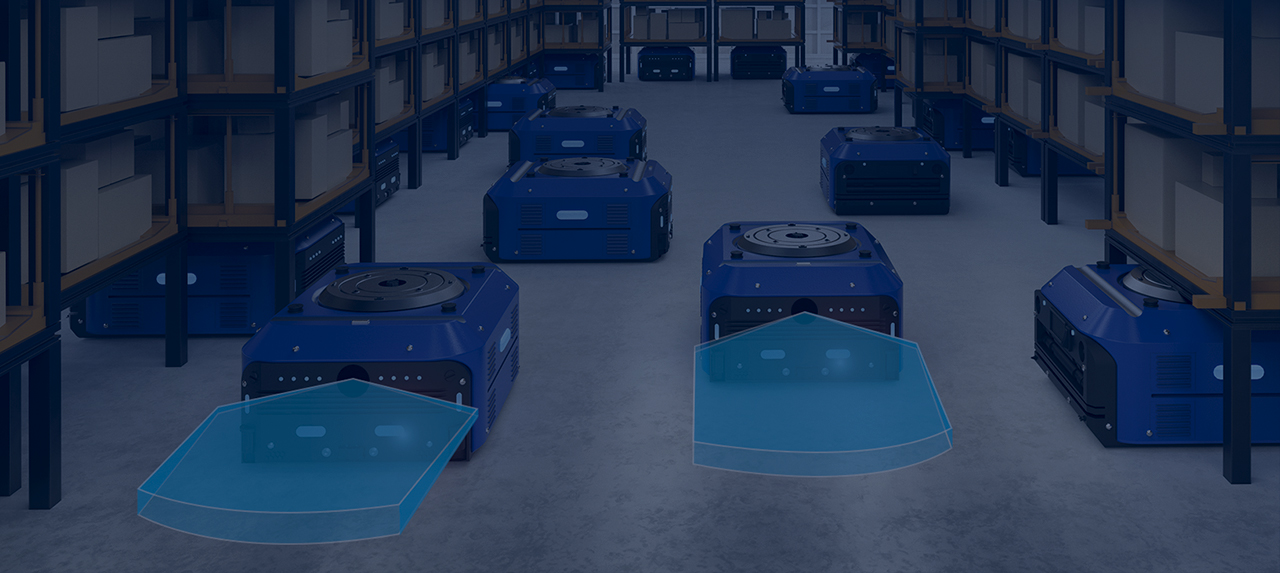
· Robots: Often benefit from sensors with a wider field of view (FoV) or a unique detection pattern, such as a line-shaped beam. This allows a single sensor to cover a broader area in front of the robot, detecting both obstacles and ground-level hazards like curbs or stairs simultaneously.
Introducing the TF-NOVA: A Versatile Solution for Ground Robotics
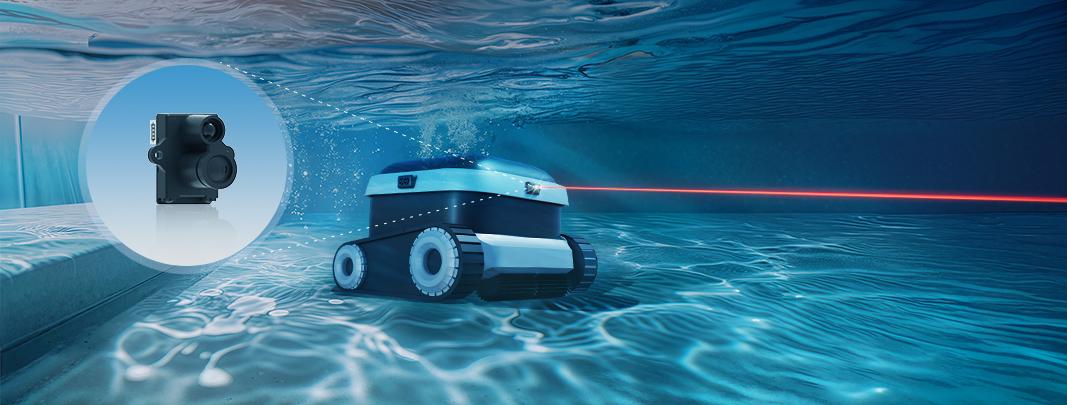
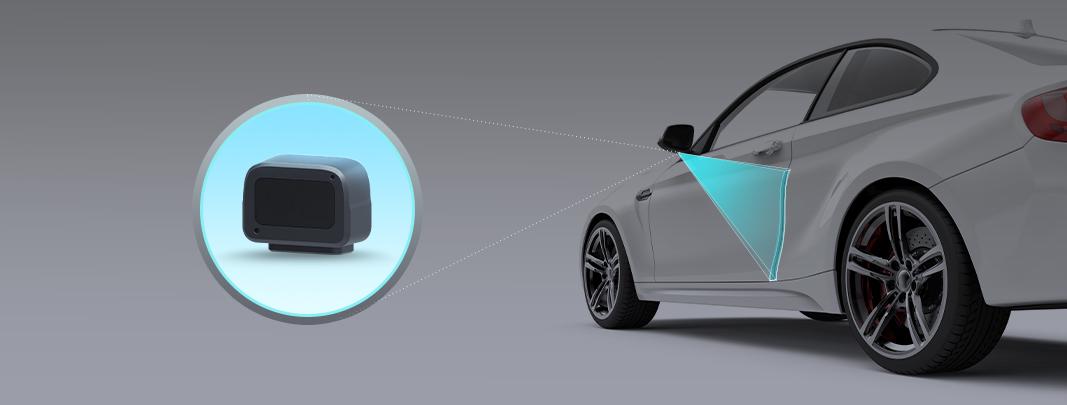
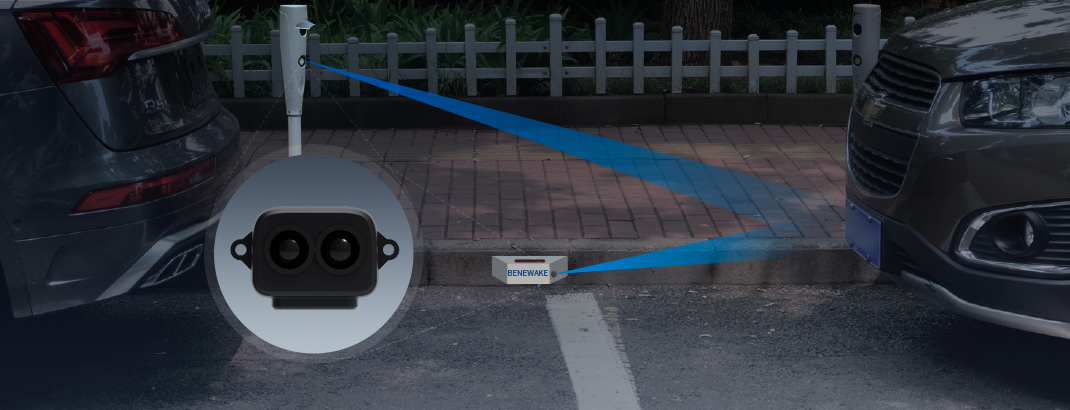
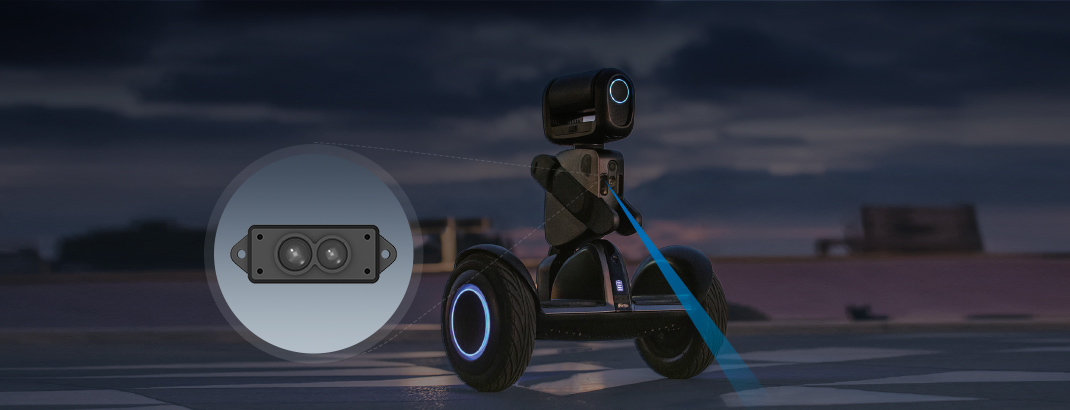
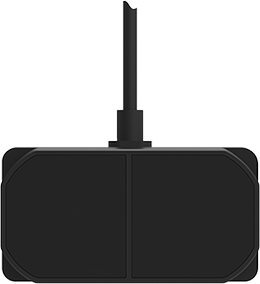
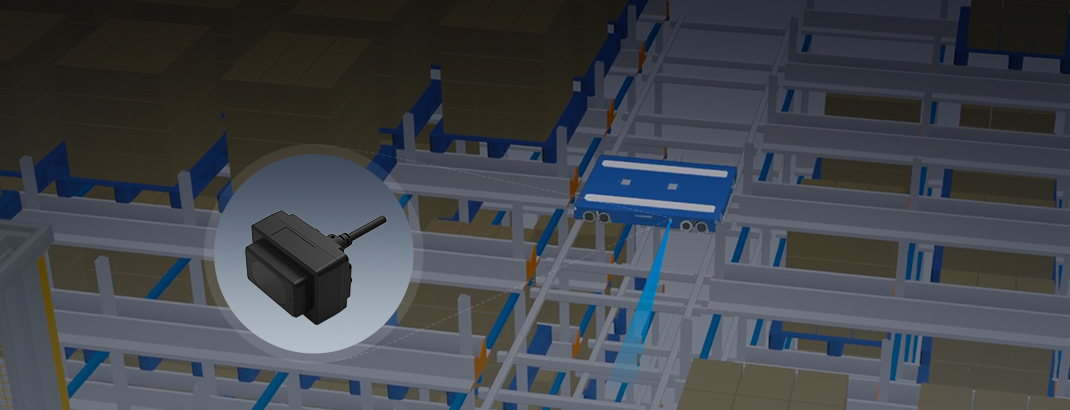
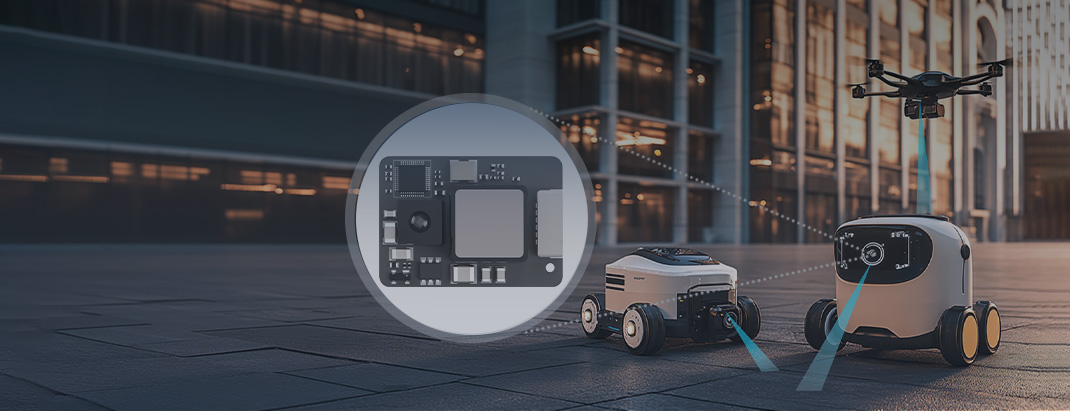
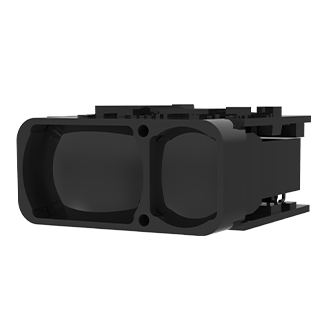
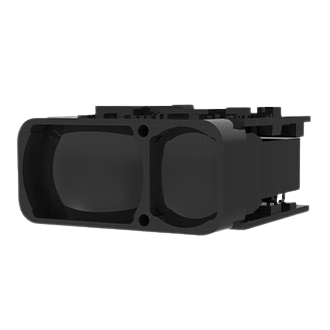
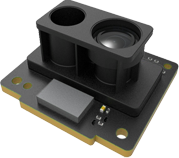
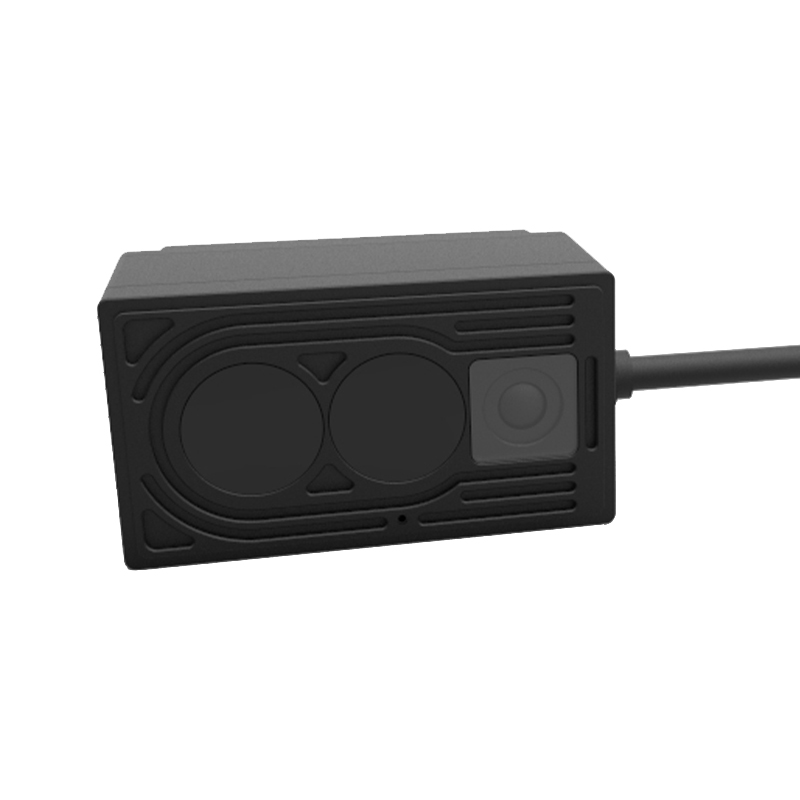
For system integrators developing compact robots and automated systems that require reliable, area-based detection, Benewake offers the TF-NOVA robot proximity sensor. With its unique line pattern laser beam, it provides a one-dimensional area detection capability that is ideal for ground-based applications.
The TF-NOVA’s design enables it to detect a wide area, making it highly effective for both obstacle detection and fall prevention in a single, ultra-compact package.
Key Specifications:
· Range: 0.1m - 14m
· Field of View (FoV): 14° (H) × 1° (V)
· Frequency: 1 - 900 Hz
· Weight: ≤ 5g
· Size: 26.5 mm × 21.05 mm × 12 mm
· Interfaces: UART, IIC, I/O
Its compact size, minimal weight, and versatile interface options (including I/O mode for simplified data processing) make the TF-NOVA an exceptional choice for integration into space-constrained robotic platforms.
Benewake is a global LiDAR technology leader, holding hundreds of patents and serving industries in over 90 countries. We provide innovative and reliable LiDAR solutions that empower top enterprises worldwide to build safer and more intelligent automated systems.
Contact our team today to learn how the TF-NOVA can enhance the perceptual capabilities of your robotic application.