














Headquarters:3rd Floor, Haiguo Jiaye Sci-Tech Park, Haidian District, Beijing, China

We use cookies to enhance your browsing experience and serve personalized content.
Reject ALL
Accept ALL


2025-12-02
The Problem: Optical Contamination
A LiDAR sensor operates by transmitting a laser pulse and precisely measuring the time it takes for the reflection to return after striking a target. Any obstruction on the sensor's lens can interfere with this process in two ways:
1. Signal Attenuation: A layer of dust or grime can scatter or absorb the outgoing and incoming laser light, significantly weakening the signal. This reduces the sensor's effective range and its ability to detect low-reflectivity surfaces.
2. False Readings: The laser may reflect off the debris itself, causing the sensor to report an incorrect, much shorter distance. This can lead to catastrophic errors in volume calculations or collision avoidance systems.
Manually cleaning sensors in large-scale industrial facilities, especially those mounted in high or inaccessible locations, is often impractical, costly, and introduces operational downtime.
The Solution: Automated Mechanical Wiping
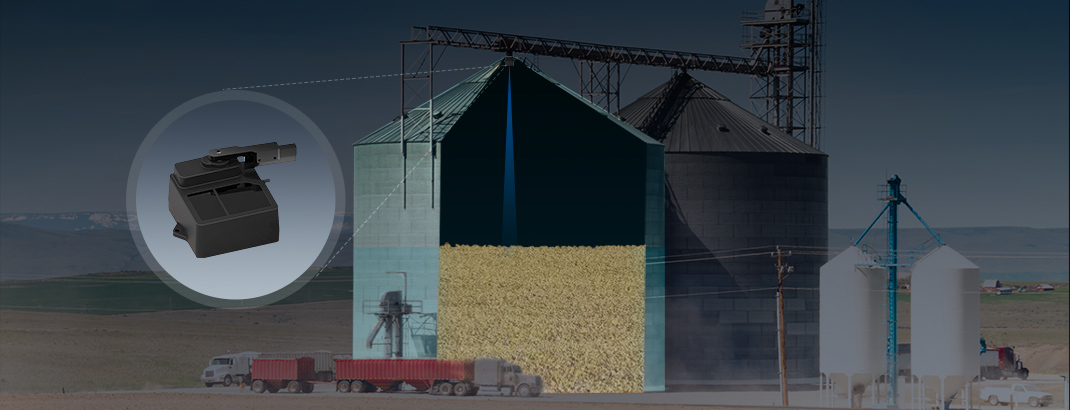
The most common and effective implementation of a self-cleaning feature in industrial LiDAR systems is an integrated mechanical wiper. This mechanism functions similarly to the windshield wiper on a vehicle, physically clearing contaminants from the sensor's optical surface.
How It Works
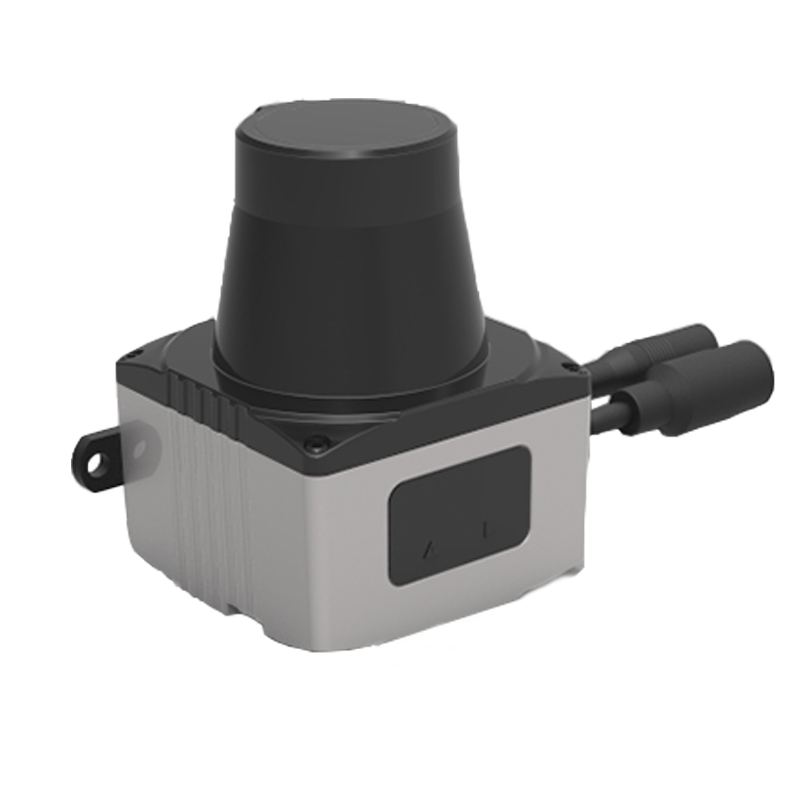
1. System Integration: The self-cleaning mechanism consists of a compact servo motor connected to a durable wiper blade, all housed within the sensor's protective enclosure. The system is designed to sweep across the entire optical window without interfering with the LiDAR's field of view during normal operation.
2. Automated Activation: The cleaning cycle is typically controlled by the system's software and can be configured by the system integrator. It can be programmed to activate based on several triggers:
l Timed Intervals: The most common method, where the wiper performs a cleaning cycle automatically at user-defined intervals (e.g., every few hours).
l External Trigger: The system can be configured to initiate a cleaning cycle upon receiving an external command, such as before starting a critical measurement scan.
l On-Demand: A manual trigger can be initiated by an operator through the system's control interface.
3. The Cleaning Cycle: When activated, the servo motor drives the wiper blade across the lens, physically removing any accumulated dust, dirt, or water droplets. The sweep is swift and returns the wiper to a "parked" position outside the laser's path, ensuring it does not obstruct subsequent measurements.
Key Benefits for System Integrators
Integrating a LiDAR system with a self-cleaning feature provides tangible benefits that enhance overall system reliability and reduce the total cost of ownership.
· Consistent Data Accuracy: By ensuring the optical path remains clear, the system delivers reliable and repeatable measurements over long periods, free from performance degradation.
· Reduced Maintenance: Automation eliminates the need for manual cleaning, saving labor costs and reducing the risks associated with maintenance in hazardous or hard-to-reach areas.
· Increased Uptime: The system can operate continuously without downtime for maintenance, maximizing operational efficiency.
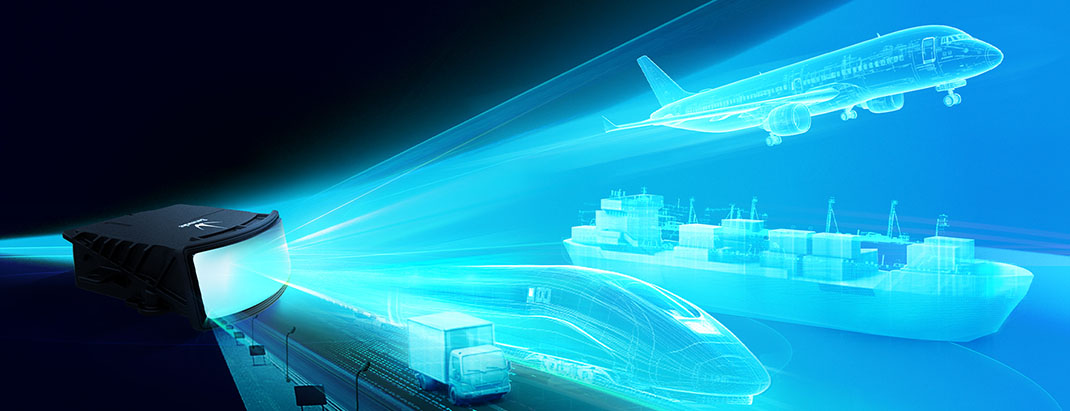
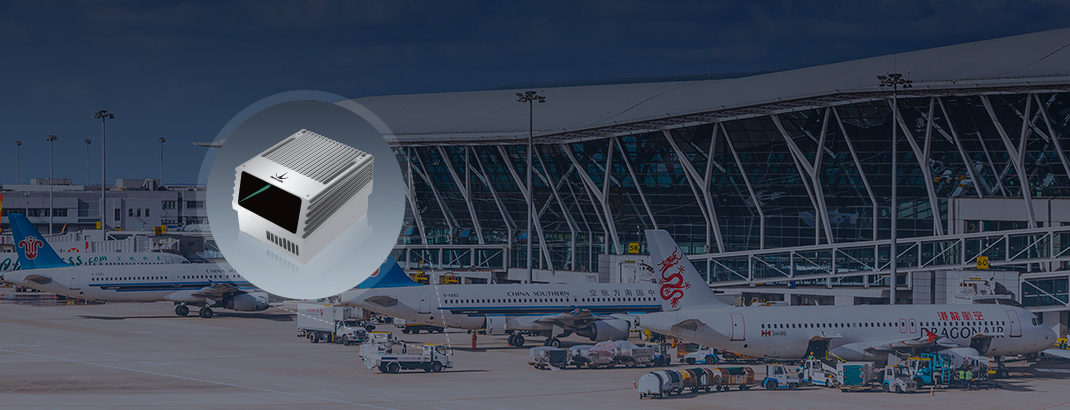
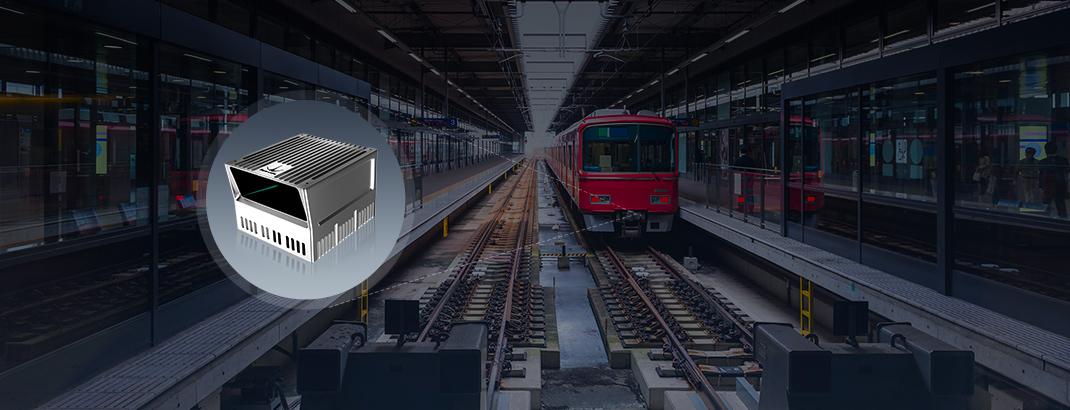
Benewake is a global LiDAR technology leader with a business presence in over 90 countries, holding hundreds of patents in the LiDAR field. We provide innovative, high-performance LiDAR solutions that empower enterprises worldwide to build more intelligent, efficient, and secure automated systems across industries like rail transit, civil aviation, shipping, and industrial automation.
Our LiDAR volumetric scanner systems are engineered to perform in the most demanding environments, incorporating robust features like self-cleaning to guarantee consistent accuracy and reliability.
Contact our team to discover how Benewake's advanced LiDAR solutions can deliver the high-precision, low-maintenance performance your project requires.