














Headquarters:3rd Floor, Haiguo Jiaye Sci-Tech Park, Haidian District, Beijing, China

We use cookies to enhance your browsing experience and serve personalized content.
Reject ALL
Accept ALL


2025-12-02
Position holding, or hovering, is a key capability for Unmanned Aerial Vehicles (UAVs), enabling them to maintain a stable, fixed position in three-dimensional space without operator input. This function is critical for flight stability, ensuring operational safety, mission success, and data accuracy. It is essential for system integrators to understand this technology to develop reliable drone applications, such as infrastructure inspection and aerial cinematography. This article explores how position holding works and its importance for modern UAV operations.
The Mechanism of Position Holding
Position holding is an active, continuous process managed by the UAV's flight controller. It relies on a sensor fusion approach, where data from multiple onboard sensors is integrated to create a precise understanding of the drone's position and orientation. The flight controller then makes micro-adjustments to the speed of each motor to counteract environmental forces like wind, ensuring the aircraft remains stationary.
The Role of Key Sensors
Several sensor types work in concert to achieve a stable hover:
· GPS (Global Positioning System): GPS provides the primary location data, giving the UAV its coordinates (latitude and longitude). While effective for outdoor, high-altitude positioning, GPS accuracy can be limited to several meters and is often unavailable or unreliable indoors or in urban canyons.
· IMU (Inertial Measurement Unit): The IMU, which includes an accelerometer and a gyroscope, measures the drone's orientation and angular rate. It provides critical data for maintaining level flight but is prone to drift over time and cannot determine absolute position on its own.
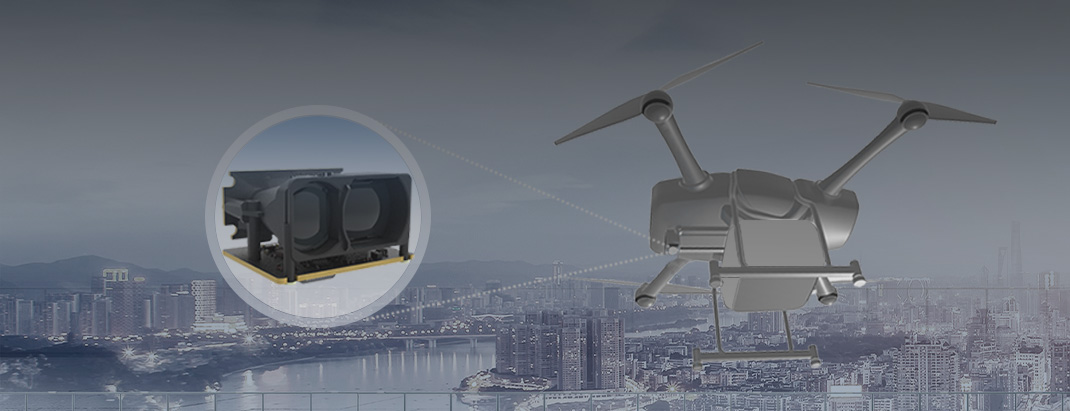
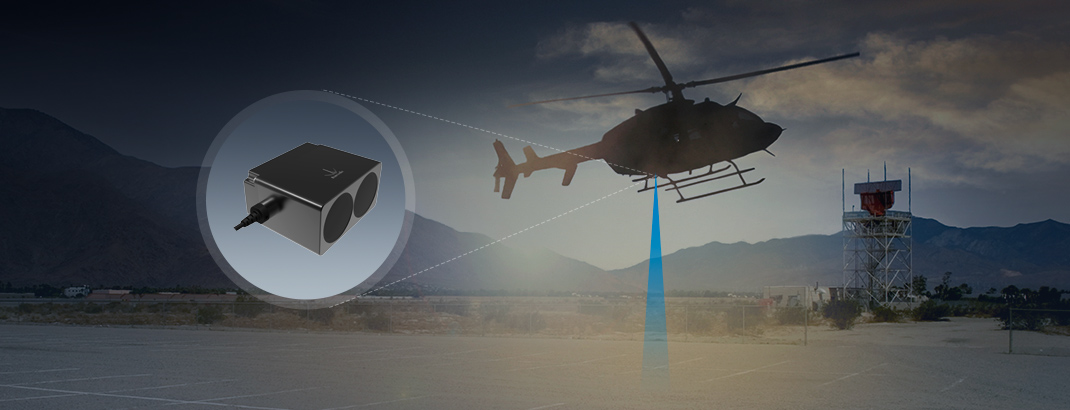
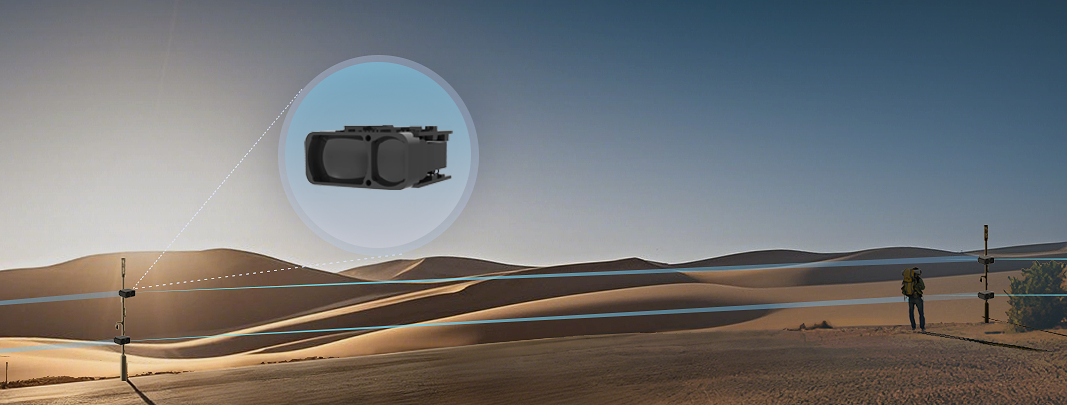
· LiDAR (Light Detection and Ranging): LiDAR sensors provide highly accurate, absolute distance measurements by emitting a laser pulse and measuring its return time. For position holding, a LiDAR with a very narrow beam divergence is used to target fine structures on the ground or nearby objects. This allows the UAV to lock its position relative to a specific reference point with centimeter-level precision, which is especially critical in GPS-denied environments.
The Importance of Precise Position Holding
The ability to maintain a stable hover is not just a convenience; it is a mission-critical capability that unlocks numerous advanced applications.
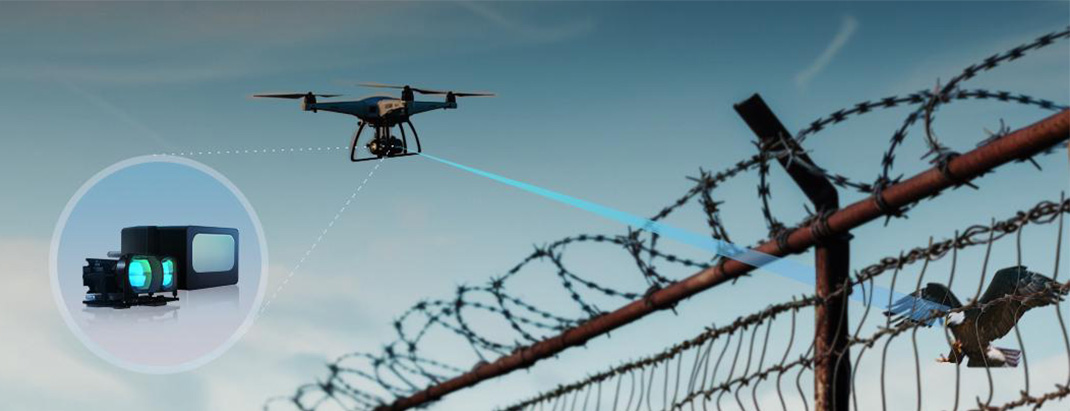
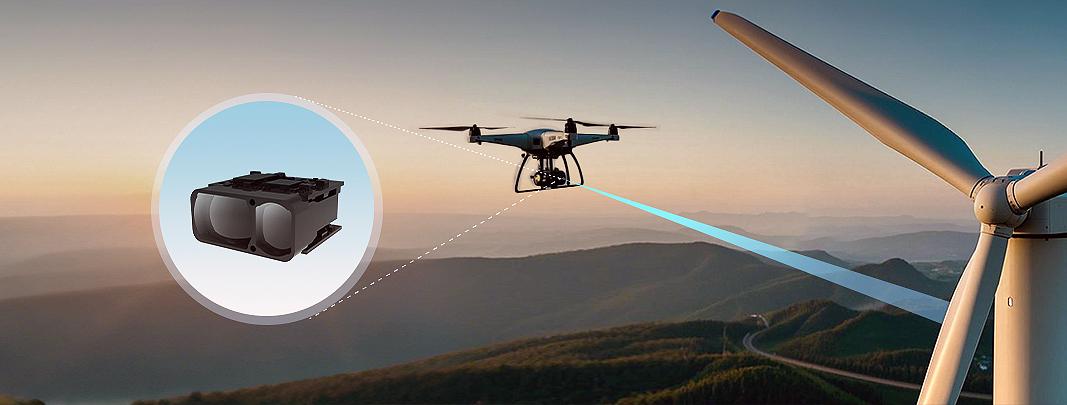
· Infrastructure Inspection: When inspecting power lines, wind turbines, or bridges, a UAV must maintain a precise standoff distance to capture high-quality data without risk of collision. A LiDAR sensor with a narrow divergence angle can accurately target fine structures like cables or bolts from distances beyond 10 meters, enabling a stable position hold for detailed analysis.
· Aerial Surveying and Mapping: For photogrammetry and 3D mapping missions, a stable platform is essential for capturing crisp, distortion-free images. Position holding ensures the UAV remains perfectly still at each data capture point.
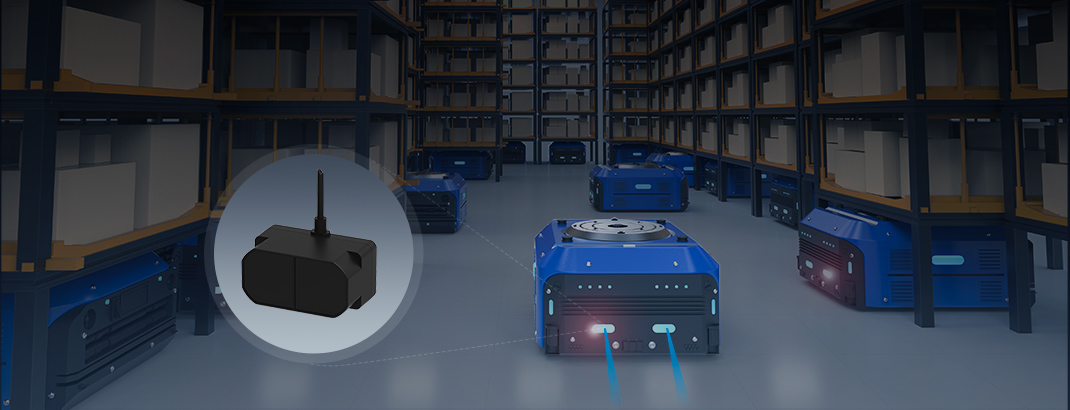
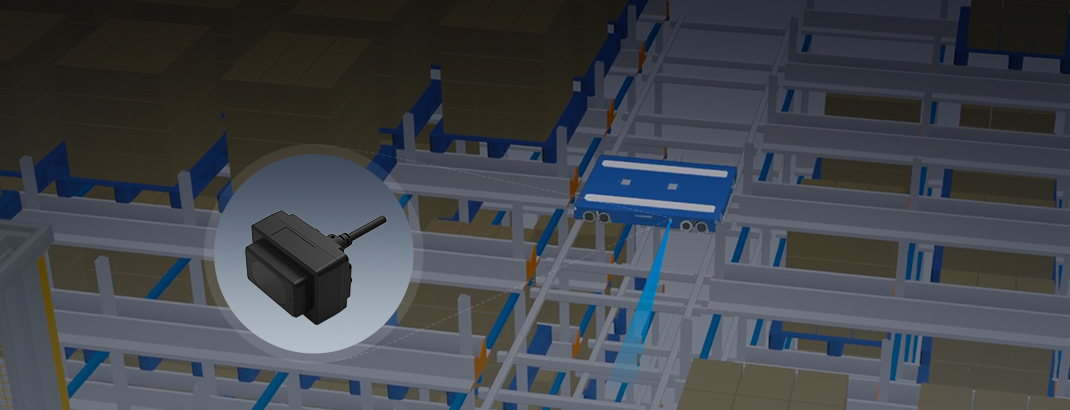
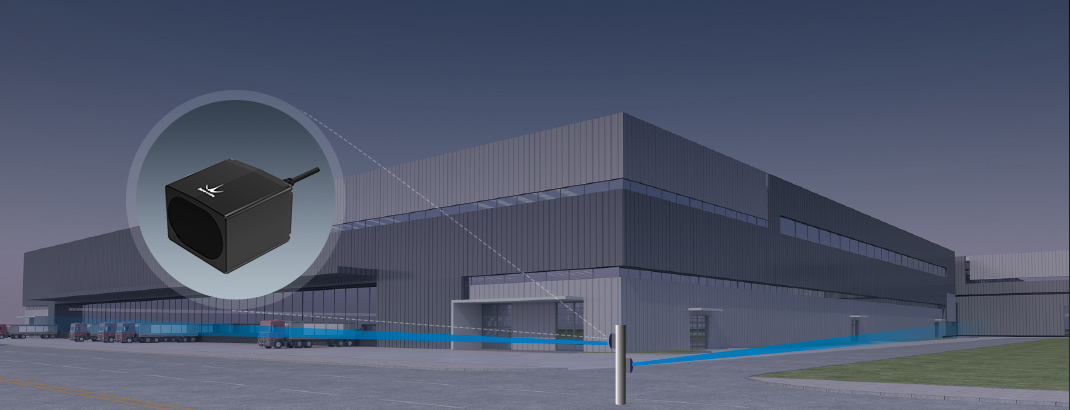
· Warehouse and Indoor Operations: In GPS-denied indoor environments like warehouses, LiDAR-based position holding allows a drone to navigate and hover relative to racking, pallets, or floor markings, enabling autonomous inventory management.
Introducing Benewake's High-Precision UAV LiDAR Solutions
Benewake is a LiDAR technology company with a global business presence in over 90 countries, holding hundreds of patents in the LiDAR field. Our LiDAR solutions are engineered to address the core challenges of UAV flight, providing the precision and reliability required for the most demanding applications.
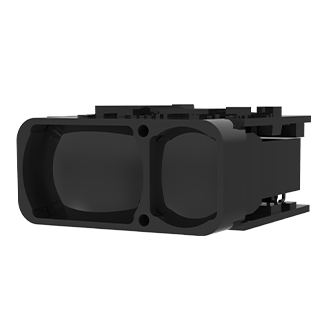
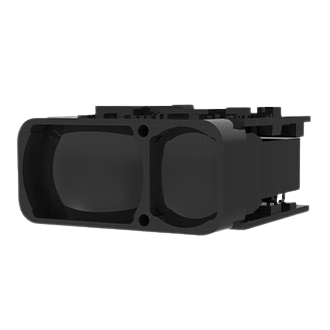
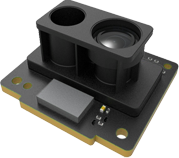
Benewake's compact LiDAR modules are designed for UAVs, offering solutions for precise position holding even in challenging environments. With a divergence angle of less than 0.5°, our sensors can accurately target and maintain position relative to fine structures smaller than 10 cm at distances beyond 10 meters. These lightweight, market-proven products are capable of passing DO-160G certification, ensuring reliability in harsh airborne conditions.
Contact our team to discover how Benewake’s advanced LiDAR for drone solutions can provide the high-precision data needed to achieve superior position holding performance for your UAV platform.