














Headquarters:3rd Floor, Haiguo Jiaye Sci-Tech Park, Haidian District, Beijing, China

We use cookies to enhance your browsing experience and serve personalized content.
Reject ALL
Accept ALL


2025-12-02
For Unmanned Aerial Vehicle (UAV) operators, maintaining a precise altitude over variable landscapes is a fundamental challenge. Terrain following technology is the indispensable system that allows a UAV to autonomously adjust its altitude in real-time, ensuring a constant height above ground level (AGL) regardless of topographical changes. This article will provide a technical explanation of how this technology functions, its applications, and the sensors that enable it.
How Does Terrain Following Work?
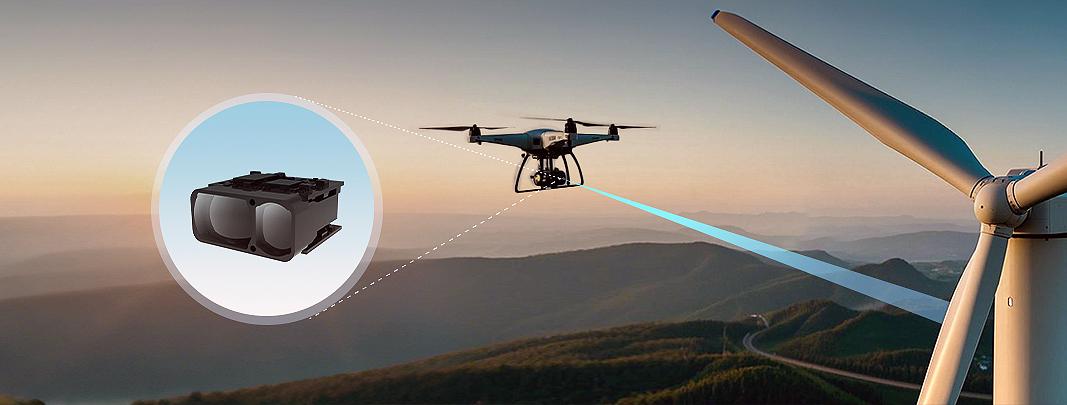
Terrain following is an active flight control function that integrates data from a downward-facing ranging sensor with the UAV's flight controller. The process is continuous and occurs in a rapid feedback loop.
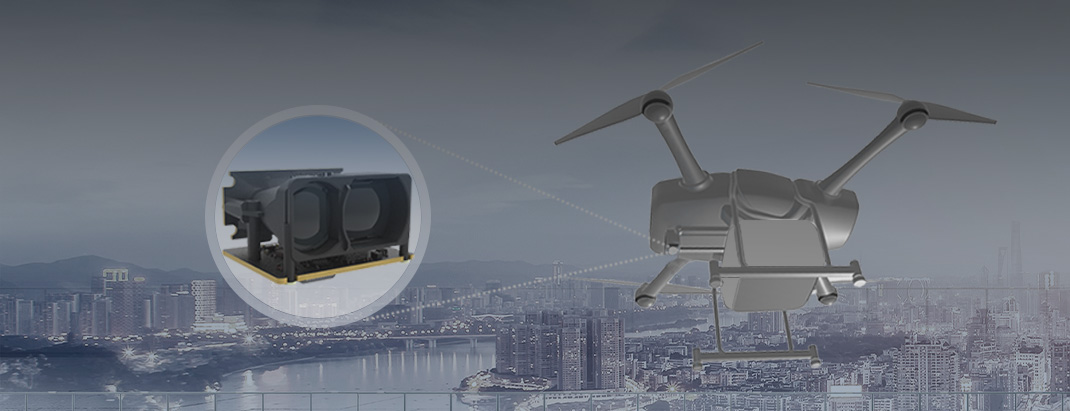
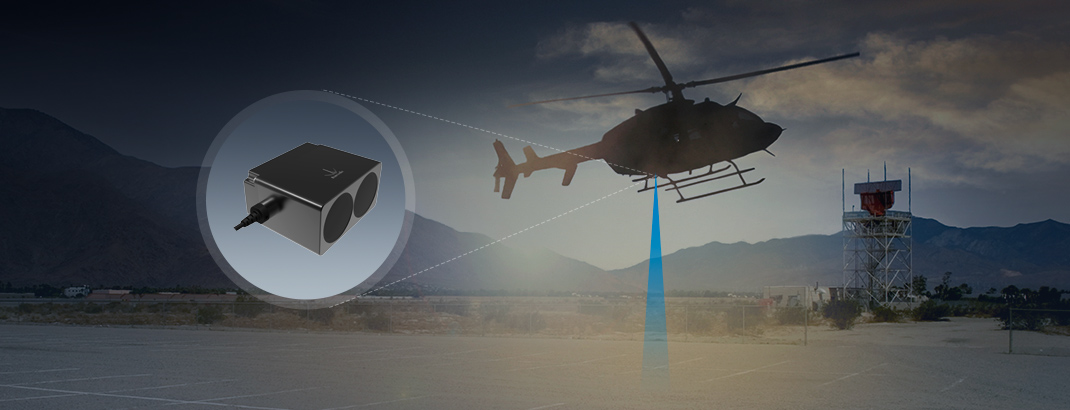
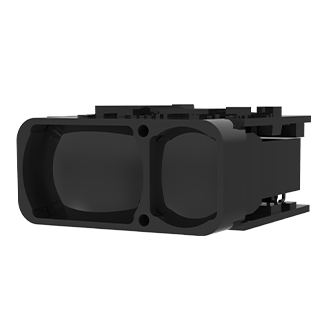
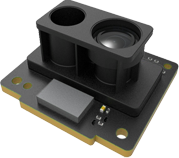
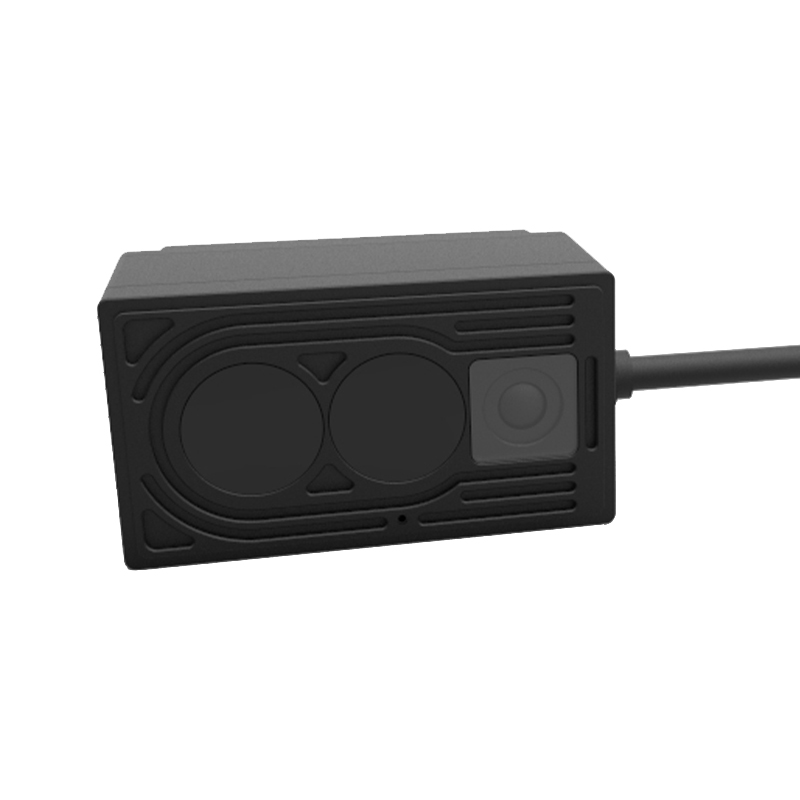
1. Sensing: A sensor, typically a LiDAR module, is mounted on the underside of the UAV. It continuously emits pulses of light and measures the precise time it takes for these pulses to reflect off the ground and return. This provides a highly accurate, absolute distance measurement from the drone to the ground directly beneath it.
2. Processing: The UAV's flight controller receives this stream of altitude data. It compares the real-time height-above-ground (AGL) measurement against the pre-set target altitude defined for the mission.
3. Adjustment: If the flight controller detects a deviation between the actual and target altitudes—for example, as the drone flies from a flat field toward a hill—it automatically adjusts the throttle. It increases motor output to climb and maintain the set AGL over rising terrain and reduces output to descend into valleys. This happens many times per second, resulting in a smooth flight path that perfectly mirrors the ground's contour.
The Critical Role of LiDAR in Terrain Following
While various sensors can measure altitude, LiDAR (Light Detection and Ranging) is the preferred technology for high-performance terrain following. This is due to several distinct advantages over alternatives like barometers or GPS.
· Absolute Accuracy: Barometers measure altitude based on air pressure, which can fluctuate with weather changes, leading to drift. GPS provides altitude relative to sea level, not the ground below. LiDAR, however, provides a direct, absolute measurement to the ground with centimeter-level accuracy, making it exceptionally reliable.
· High Update Rate: LiDAR sensors provide distance readings at a very high frequency, enabling the flight controller to make swift and precise adjustments, which is critical when flying at speed over rapidly changing terrain.
· Environmental Robustness: Advanced LiDAR systems incorporate algorithms that allow them to perform reliably in various conditions, including rain and fog, ensuring consistent operation.
Key Applications and Benefits
The ability to accurately follow terrain unlocks critical capabilities across numerous industries, enhancing safety and improving the quality of data collection.
· Precision Agriculture: For crop spraying or health monitoring, a UAV must maintain a constant height to ensure uniform application and consistent sensor readings. Terrain following allows a drone to fly low over crops, even on sloped fields.
· Infrastructure Inspection: When inspecting pipelines, railways, or power lines that traverse uneven landscapes, terrain following ensures the UAV maintains a safe, optimal distance for high-resolution data capture.
· Low-Altitude Surveying: For high-detail mapping and surveying missions, this technology allows the drone to safely operate closer to the ground, improving the resolution of the collected data.
Benewake is a global LiDAR technology company with hundreds of patents and a business presence in over 90 countries. We deliver innovative LiDAR solutions engineered to meet the stringent demands of the UAV industry, providing the high-performance data required for stable flight and advanced automation.
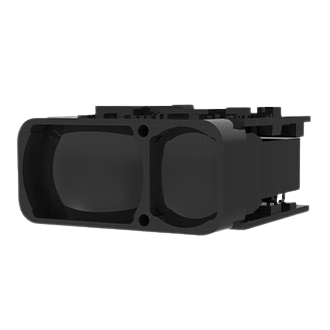
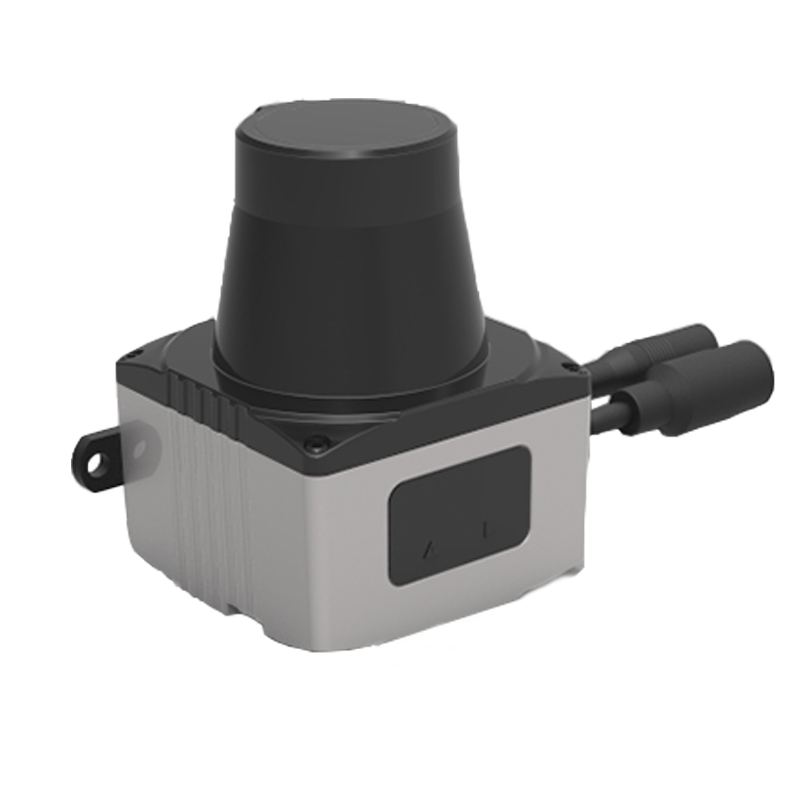
Our miniaturized LiDAR sensors are designed specifically for drone applications like terrain following, providing highly reliable absolute distance data with centimeter-level accuracy. Weighing as little as 5g and capable of passing DO-160G certification, Benewake products empower system integrators to build safer, more capable UAV platforms.
Contact our team to discover how Benewake’s advanced LiDAR module for drone solutions can provide the precision and reliability your terrain following application demands.