














Headquarters:3rd Floor, Haiguo Jiaye Sci-Tech Park, Haidian District, Beijing, China

We use cookies to enhance your browsing experience and serve personalized content.
Reject ALL
Accept ALL


2025-12-03
In recent years, drones have become vital tools for industrial inspection, logistics, and mapping applications. To ensure stable and precise operation, a drone altitude sensor plays a critical role in maintaining the correct flying height and avoiding potential obstacles. At Benewake, we have spent years studying LiDAR sensing technologies that make altitude measurement more reliable, accurate, and adaptable to diverse working environments.
Understanding the Role of a Drone Altitude Sensor
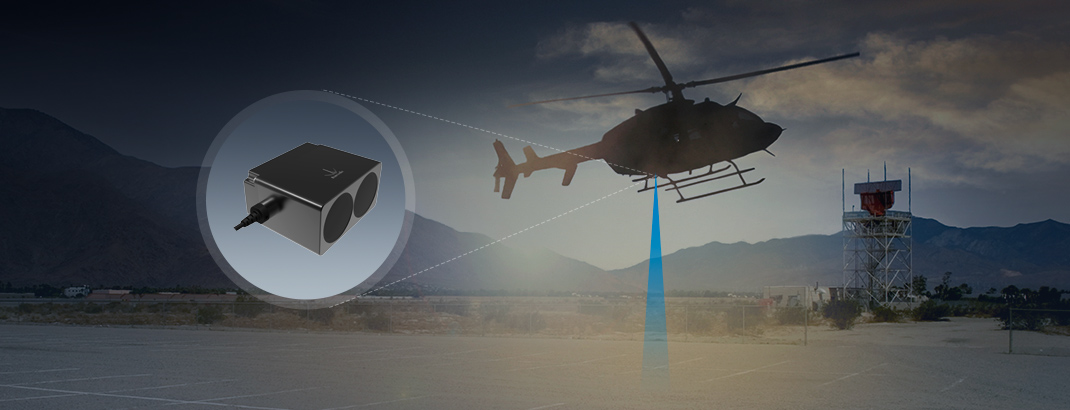
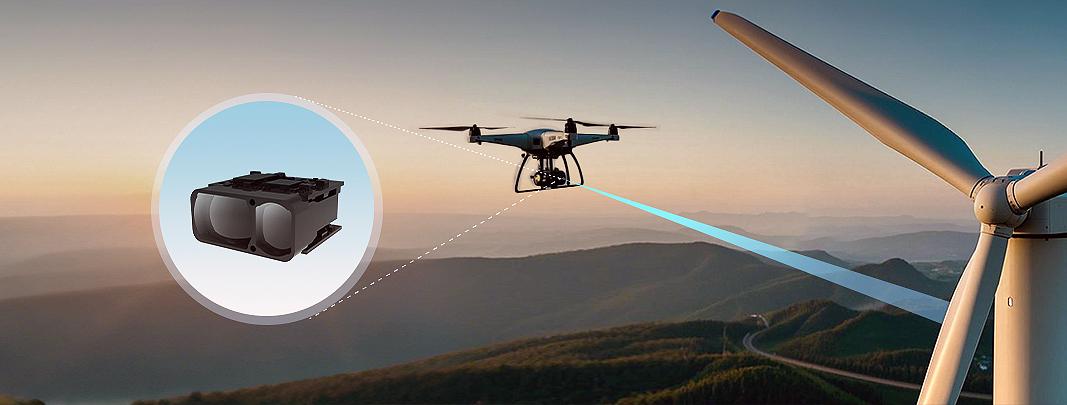
A drone altitude sensor is designed to measure the distance between the drone and the ground in real time. This information allows flight controllers to maintain stable altitude and precise positioning. Common technologies used include ultrasonic sensors, barometric pressure sensors, and LiDAR-based systems. Among these, LiDAR sensors offer higher precision and faster response under complex lighting or surface conditions.
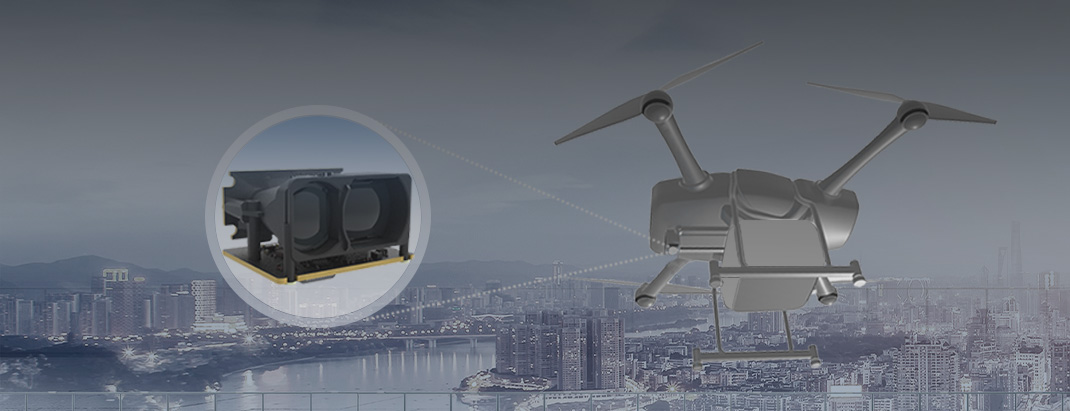
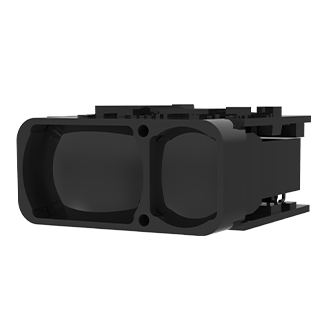
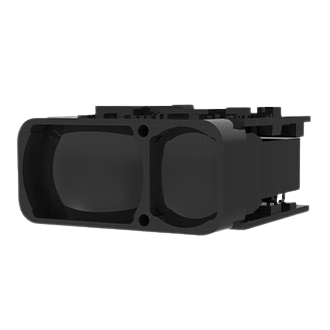
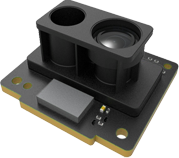
As a company dedicated to optical sensing innovation, Benewake focuses on improving stability and accuracy through compact LiDAR modules that integrate seamlessly into drone platforms. Our sensor solutions operate effectively even in low-visibility environments such as fog, dust, or dim lighting, ensuring safer and more consistent altitude control.
How a Drone Altitude Sensor Works
The working principle of a drone altitude sensor depends on its measurement method. LiDAR-based altitude sensors emit a laser pulse toward the ground and measure the time it takes for the light to return. This “time of flight” calculation provides an exact distance reading. The system then transmits this data to the drone’s flight controller, which continuously adjusts its motors to keep the drone at the desired height.
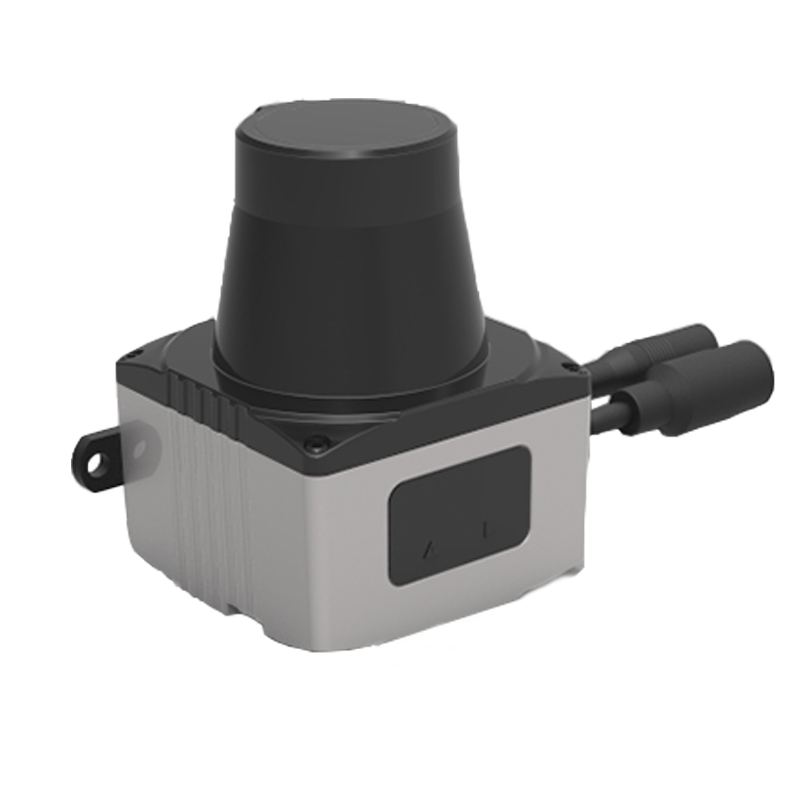
At Benewake, we apply this principle through advanced algorithms that filter out noise and environmental interference. For example, our LiDAR modules, such as those featured in our product lineup, are known for their high refresh rate and accuracy across a wide measurement range. This ensures that drones flying at varying altitudes—whether during inspection, mapping, or research tasks—can operate smoothly and safely.
Advantages of LiDAR-Based Altitude Measurement
Using LiDAR for altitude sensing provides several benefits over traditional methods. Unlike barometric or ultrasonic sensors, LiDAR systems are unaffected by air pressure changes or irregular ground textures. They can capture precise measurements even when the drone moves over uneven surfaces such as vegetation, rocks, or industrial structures.
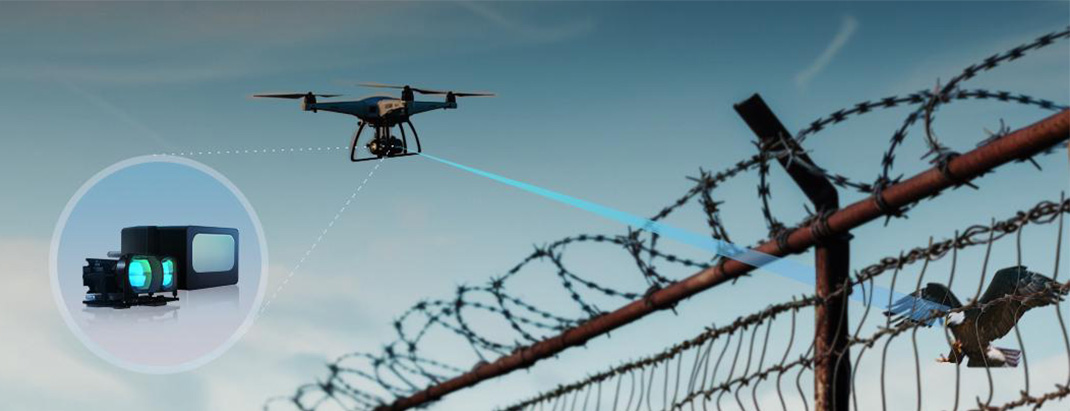
With our experience at Benewake, we have seen how reliable LiDAR-based drone altitude sensor solutions improve flight stability, reduce collision risks, and enhance automation efficiency. These qualities are essential for drones used in industrial, environmental, and research operations, where measurement consistency is critical.
Conclusion
In summary, a drone altitude sensor is the foundation of safe and accurate drone operation. It continuously measures and maintains flight height, ensuring reliable performance in diverse conditions. Through continuous innovation and precision engineering, Benewake provides sensor technologies that support a wide range of applications where stability, accuracy, and safety are key.
As we continue developing advanced LiDAR solutions, we remain committed to delivering reliable sensing technology that helps industries achieve smarter, safer, and more efficient aerial operations.