














Headquarters:3rd Floor, Haiguo Jiaye Sci-Tech Park, Haidian District, Beijing, China

We use cookies to enhance your browsing experience and serve personalized content.
Reject ALL
Accept ALL


2025-12-03
As we continue to advance precision sensing technologies, understanding the key components of a drone altimeter sensor system has become essential for reliable aerial measurement and navigation. At Benewake, we design LiDAR-based sensing solutions that help drones maintain accurate height control, ensuring operational stability in both industrial and research environments.
Understanding the Core Structure
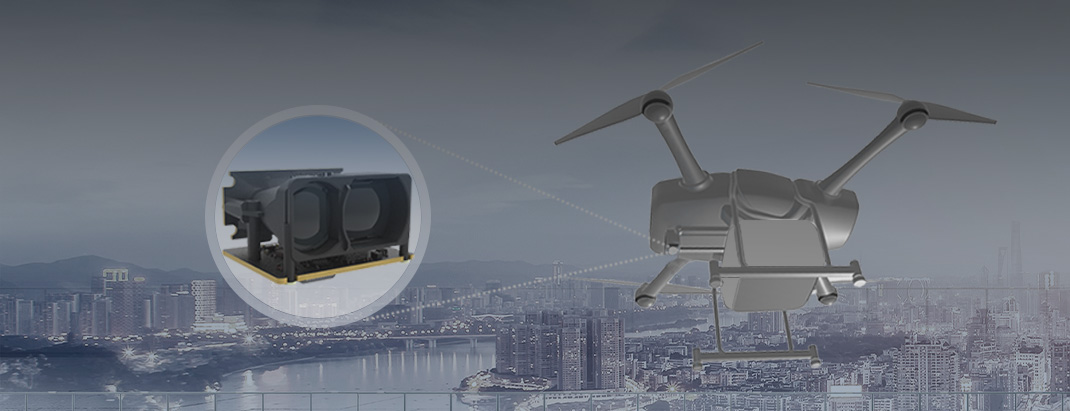
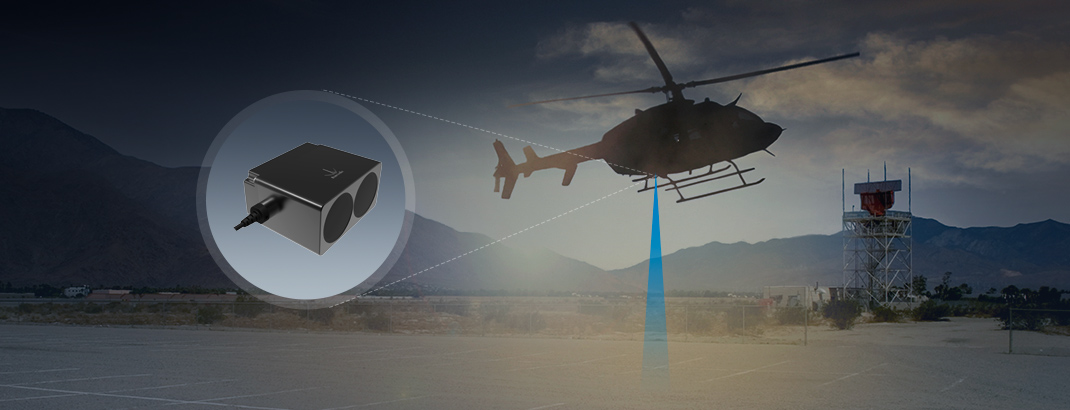
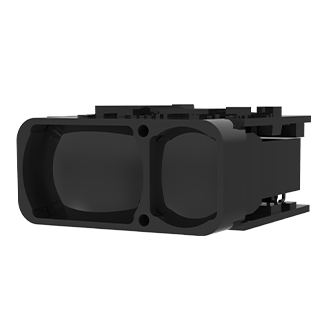
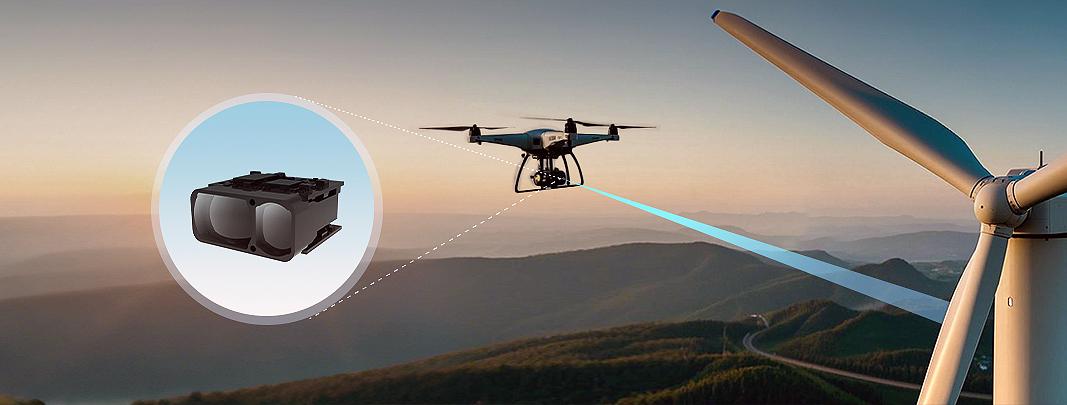
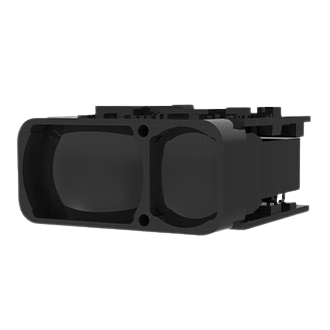
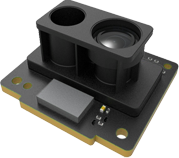
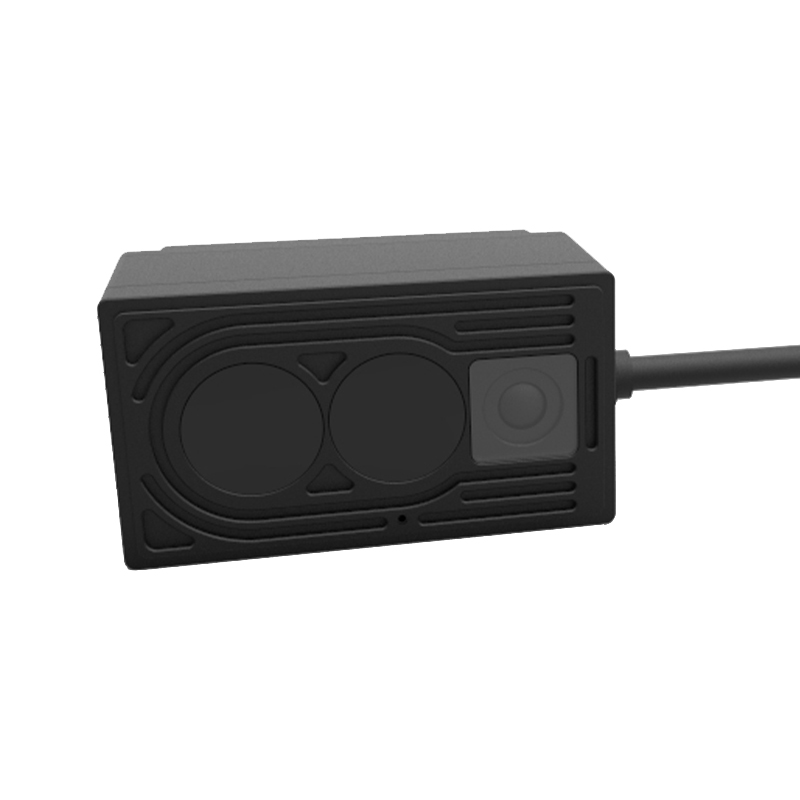
A typical drone altimeter sensor system is composed of several critical elements: the sensing unit, signal processor, control interface, and data output module. The sensing unit—usually a LiDAR or optical sensor—emits laser pulses toward the ground surface and measures the time taken for the signal to return. This information is then converted into real-time altitude data.
In our work at Benewake, we prioritize precision, stability, and compact design, making the sensing unit both lightweight and durable for fixed installation on drones. The control interface manages signal transmission and allows seamless communication between the sensor and the drone’s flight controller, ensuring smooth altitude adjustments even under challenging conditions.
The Role of Signal Processing and Calibration
Signal processing is the heart of any drone altimeter sensor system. Raw laser signals must be filtered, corrected, and calibrated to produce accurate distance measurements. Environmental factors such as wind, vibration, or surface reflectivity can influence results, so advanced algorithms are used to stabilize readings.
At Benewake, we integrate intelligent filtering techniques into our sensors to minimize external interference. Our systems undergo rigorous calibration to ensure consistent accuracy, whether in open terrain, forest environments, or industrial inspection areas. This combination of mechanical precision and algorithmic control helps deliver dependable altitude data for various applications.
Integration and Practical Applications
An efficient drone altimeter sensor must also offer seamless integration with flight control systems. Through standardized communication protocols and modular design, the sensor can transmit data directly to navigation or positioning units. This integration enables drones to perform altitude holding, obstacle avoidance, and terrain mapping with higher accuracy.
We have seen these systems perform particularly well in tasks such as topographic surveys, structural inspections, and environmental monitoring. By combining high-speed data transmission and stable performance, Benewake sensors help professionals gain reliable and real-time altitude information.
Conclusion
In summary, the drone altimeter sensor system is built upon coordinated components that work together—precise LiDAR sensing, advanced signal processing, and intelligent integration. As we continue to refine these technologies, Benewake remains committed to developing innovative, reliable sensing solutions that empower industries to explore the skies safely and efficiently. Our mission is to provide the sensing foundation for smarter and more stable aerial operations worldwide.