














Headquarters:3rd Floor, Haiguo Jiaye Sci-Tech Park, Haidian District, Beijing, China

We use cookies to enhance your browsing experience and serve personalized content.
Reject ALL
Accept ALL


2025-12-03
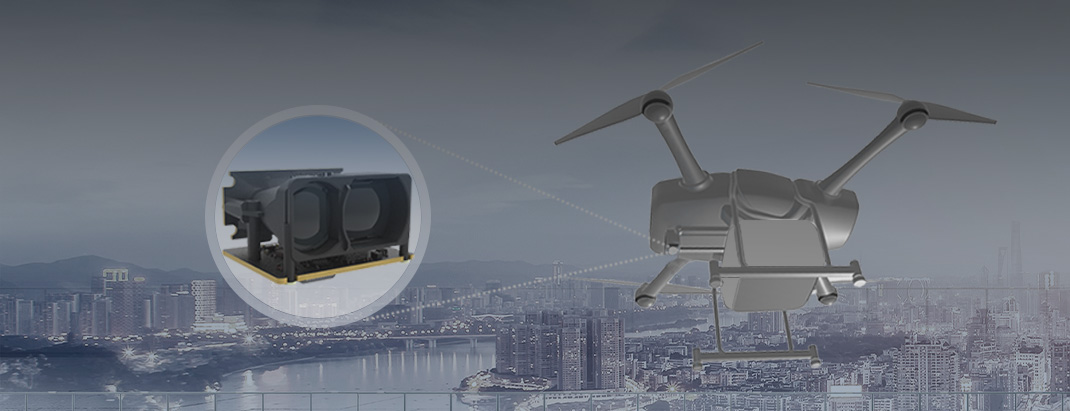
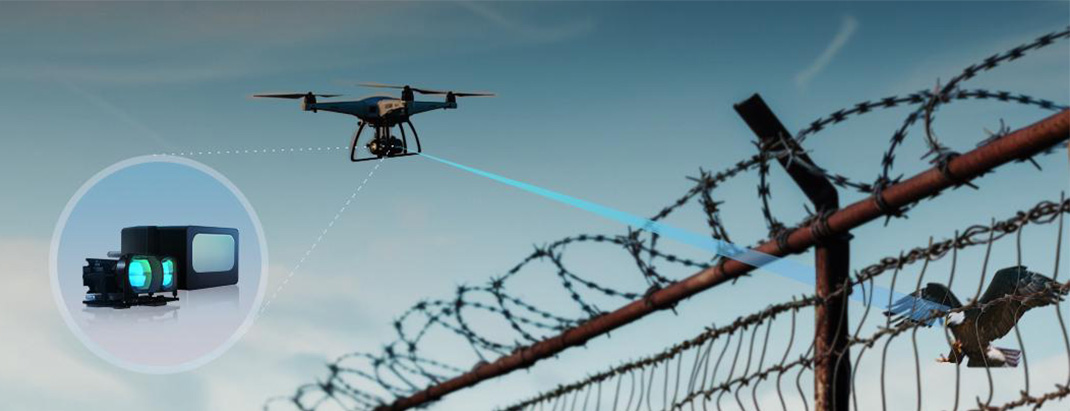
As we explore how drones achieve stable flight, one essential component stands out — the drone altitude hold sensor. In our daily work at Benewake, we have spent years studying how sensors maintain precise height control under changing environments. Understanding how different altitude measurement methods function is critical for professionals who design or integrate aerial systems.
Optical and Infrared Sensing Techniques
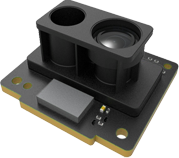
Among the most common methods, optical and infrared sensors detect reflected light to estimate the drone’s distance from the ground. These drone altitude hold sensor designs are valued for their high responsiveness in close-range operations. They perform well indoors or in structured environments where lighting conditions are stable. At Benewake, we continuously refine optical ranging technology to ensure accurate height detection even in surfaces with varying reflectivity. By minimizing noise and signal interference, these sensors help drones maintain smooth hovering performance.
Ultrasonic and Laser-Based Systems
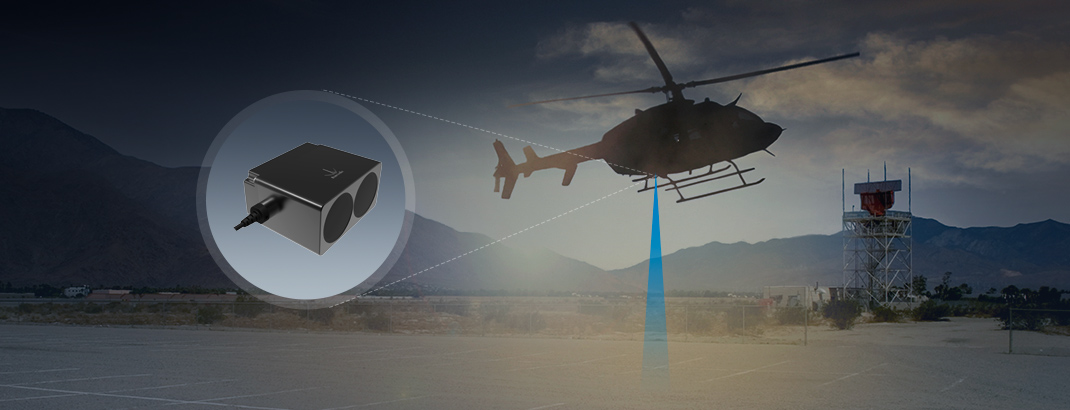
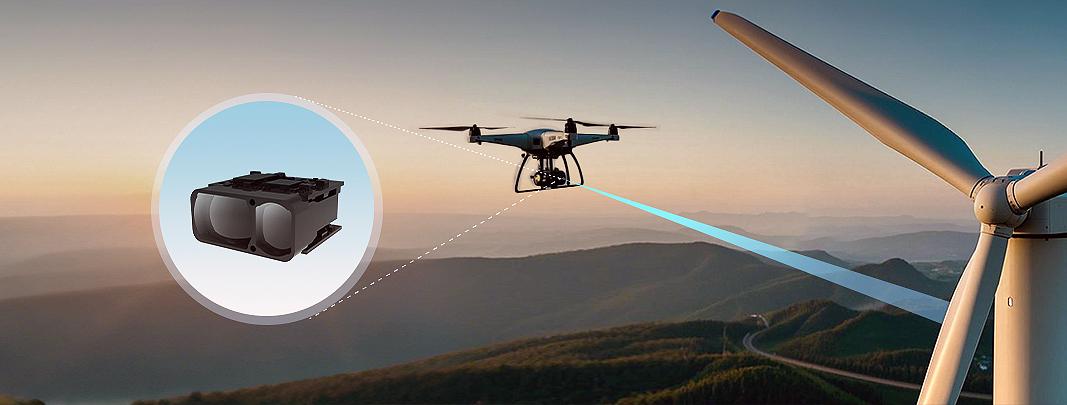
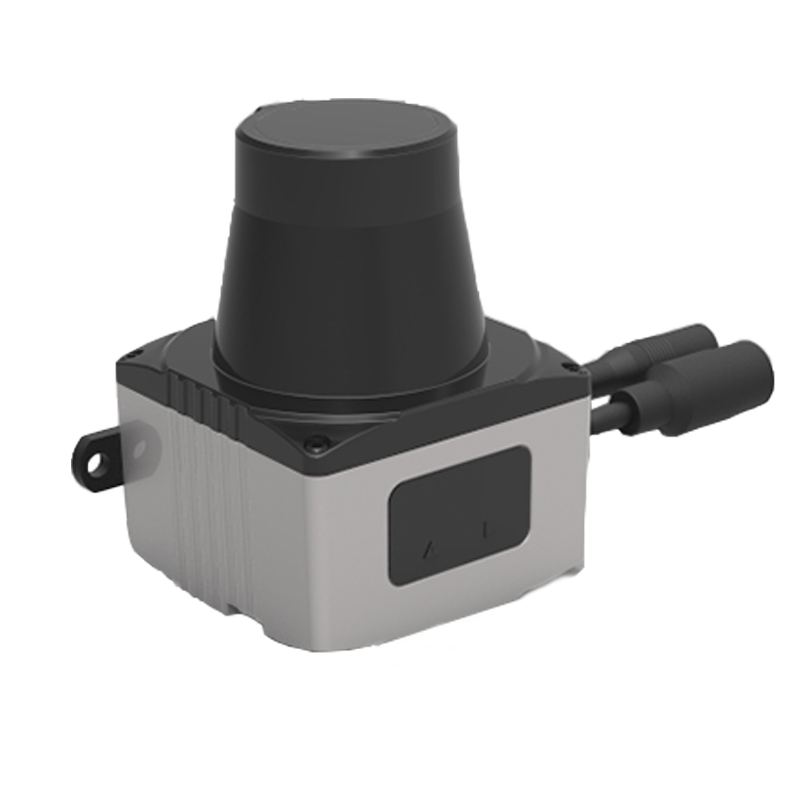
For medium-range measurement, ultrasonic and laser systems are widely applied. Ultrasonic models rely on sound wave reflection, which provides reliable data when the flight area has limited obstacles. Laser-based systems, on the other hand, utilize LiDAR (Light Detection and Ranging) principles to capture precise altitude information over a wider range. Our Benewake R&D team has developed laser solutions that adapt quickly to environmental changes such as wind, dust, or irregular terrain. This approach enhances the drone altitude hold sensor performance for industrial inspection, mapping, and logistics tasks.
Integration and Calibration Methods
While sensor technology plays a central role, proper integration is equally vital. The drone altitude hold sensor must synchronize with the flight controller to interpret altitude data effectively. We at Benewake often emphasize that calibration procedures, mounting angle, and firmware tuning directly affect stability and accuracy. Our experience shows that even minor misalignment can lead to fluctuating flight behavior. Therefore, we provide support for sensor fusion setups, where multiple sensing inputs work together to deliver consistent altitude feedback in real time.
Our Perspective on Reliable Sensing
In our view, the evolution of altitude control technologies demonstrates how precision engineering transforms flight reliability. As engineers at Benewake, we continue to refine LiDAR-based distance measurement techniques that enable safer and more efficient drone operations. Whether used in research, logistics, or monitoring applications, choosing a dependable drone altitude hold sensor is fundamental to system success.
We believe that innovation in sensing accuracy defines the next stage of aerial intelligence. Our mission at Benewake is to provide advanced, stable, and adaptable sensing solutions that empower engineers and industries to achieve precise altitude management under diverse conditions.