














Headquarters:3rd Floor, Haiguo Jiaye Sci-Tech Park, Haidian District, Beijing, China

We use cookies to enhance your browsing experience and serve personalized content.
Reject ALL
Accept ALL


2025-12-03
As we continue to explore drone-based technologies, one essential discussion is how altitude is measured accurately and reliably. In our work at Benewake, we have compared different approaches to altitude measurement, especially between traditional barometric sensors and altitude sensor for drones based on LiDAR technology. Both methods play a vital role in determining how drones operate safely, efficiently, and precisely, yet their working principles and ideal use cases vary significantly.
Understanding Barometric Altitude Measurement
Barometric sensors estimate height by detecting air pressure changes. This method has long been used in aviation and consumer drones due to its lightweight design and cost efficiency. However, atmospheric conditions—such as temperature, humidity, or sudden pressure changes—can cause fluctuations in readings. When drones fly through different weather zones, barometric readings may drift, leading to inconsistent altitude control. While this system remains suitable for basic navigation, it often requires frequent calibration and can struggle with precise low-altitude operations near the ground or during take-off and landing.
Advantages of LiDAR in Drone Altitude Sensing
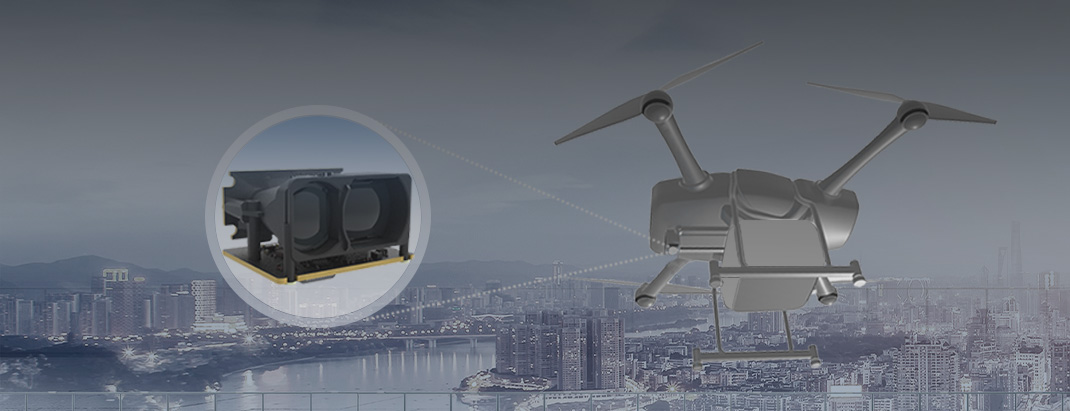
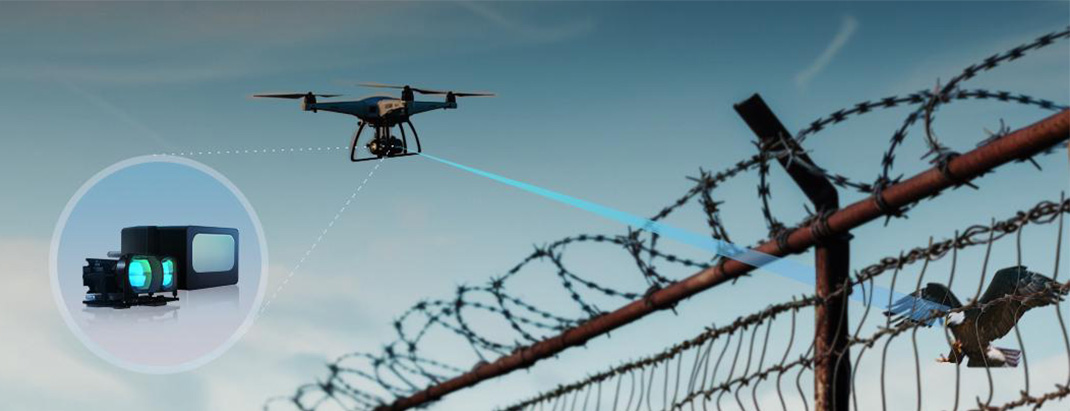
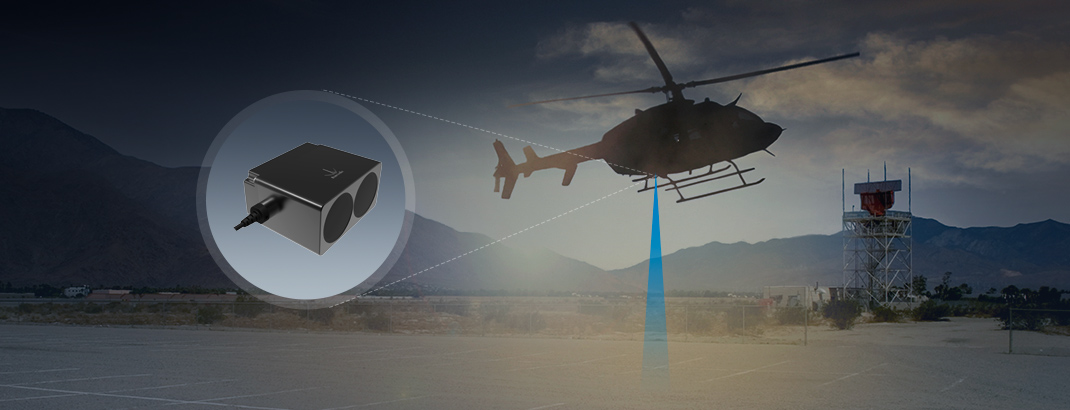
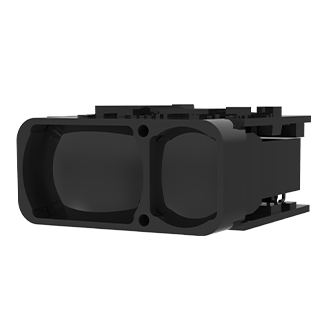
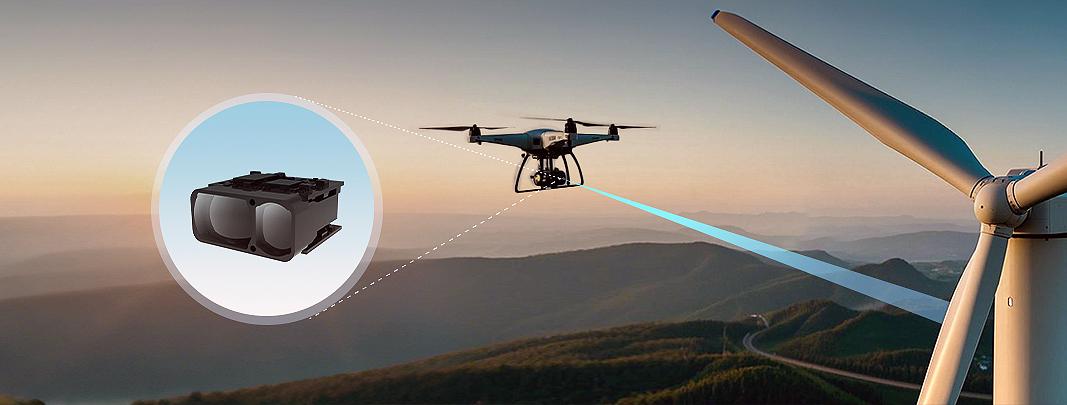
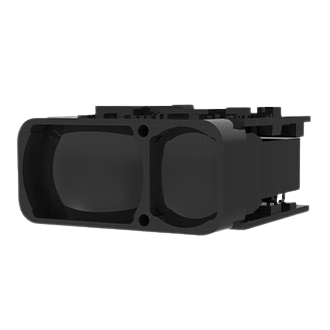
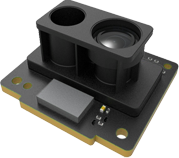
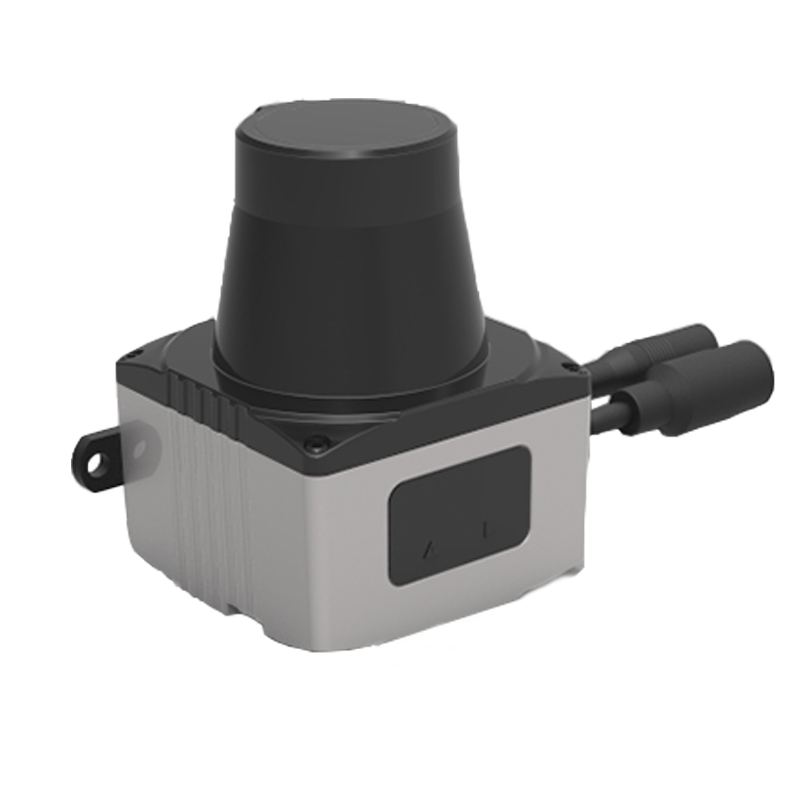
In contrast, LiDAR-based altitude sensors for drones work by emitting laser pulses and measuring their return time from the ground surface. This time-of-flight principle allows for extremely accurate distance measurements, independent of light or temperature conditions. At Benewake, we have developed LiDAR sensors that deliver centimeter-level accuracy and stable performance across diverse environments, including indoor flights, forest canopies, and complex terrains. Unlike barometric systems, LiDAR sensors provide reliable real-time data even when the drone operates close to objects or in confined areas. Such consistency is particularly valuable for mapping, industrial inspections, and agricultural applications where precision determines efficiency.
Choosing the Right Sensor for Your Drone
When deciding between barometric and LiDAR technologies, drone manufacturers and operators should consider both operational range and environmental conditions. For long-distance flights at high altitudes, barometric sensors can serve as a lightweight solution. However, for applications demanding high stability and detailed surface data, a LiDAR altitude sensor for drones provides better adaptability and accuracy. Our team at Benewake continues to refine LiDAR sensing solutions to balance size, power efficiency, and precision, ensuring that our customers can integrate them seamlessly into their drone platforms.
Conclusion
In summary, barometric and LiDAR sensors each have unique strengths. We at Benewake believe that LiDAR technology brings a significant advantage to drone altitude measurement by offering precision and stability beyond environmental influence. As industries increasingly rely on drones for mapping, inspection, and automation, the integration of advanced altitude sensors for drones technology represents a key step toward safer and smarter aerial operations.