














Headquarters:3rd Floor, Haiguo Jiaye Sci-Tech Park, Haidian District, Beijing, China

We use cookies to enhance your browsing experience and serve personalized content.
Reject ALL
Accept ALL


2025-12-17
As we continue to advance sensing technologies at Benewake, we have seen how the performance of a drone altitude hold sensor directly influences flight precision, safety, and adaptability. The required range specifications of these sensors differ significantly across drone applications. Understanding these distinctions is key to choosing the right sensing technology for stable and reliable operations.
Short-Range Sensors for Precision Hovering and Indoor Tasks
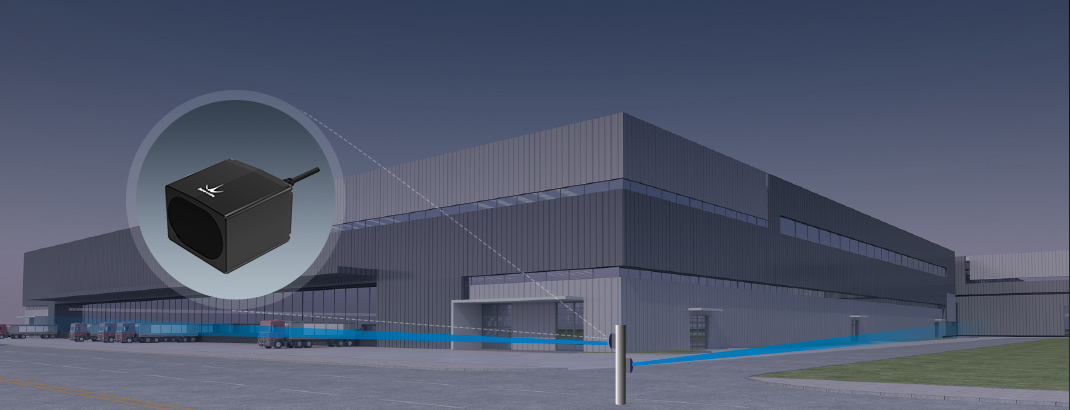
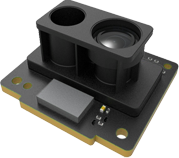
For indoor or low-altitude applications, short-range LiDAR modules offer the stability and accuracy needed for close-proximity control. When drones operate in tight environments such as warehouses, inspection tunnels, or research laboratories, a drone altitude hold sensor must provide centimeter-level accuracy at a few meters of range. These sensors allow the drone to maintain consistent altitude even in areas with poor GPS reception. At Benewake, we have developed compact modules with high update rates that ensure smooth hovering performance in these complex spaces. The focus here is not distance but the precision of the measured range, which helps the drone react instantly to environmental changes.
Medium-Range Sensors for Industrial and Agricultural Scenarios
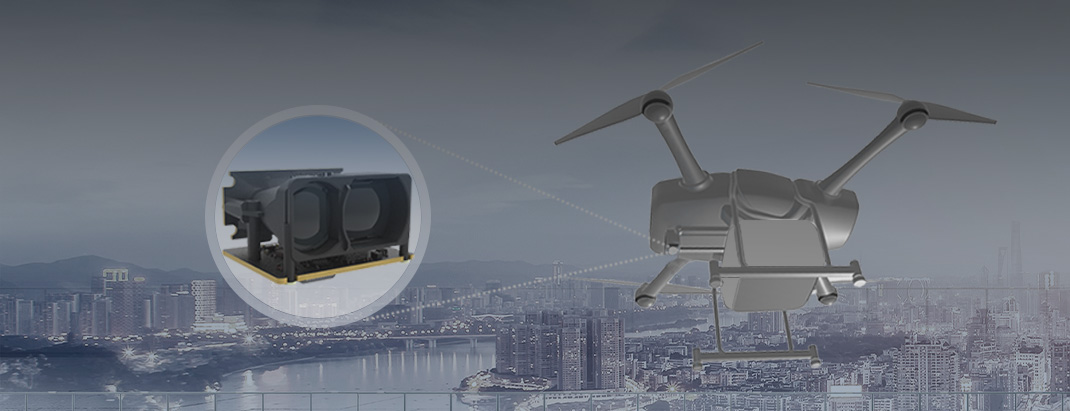
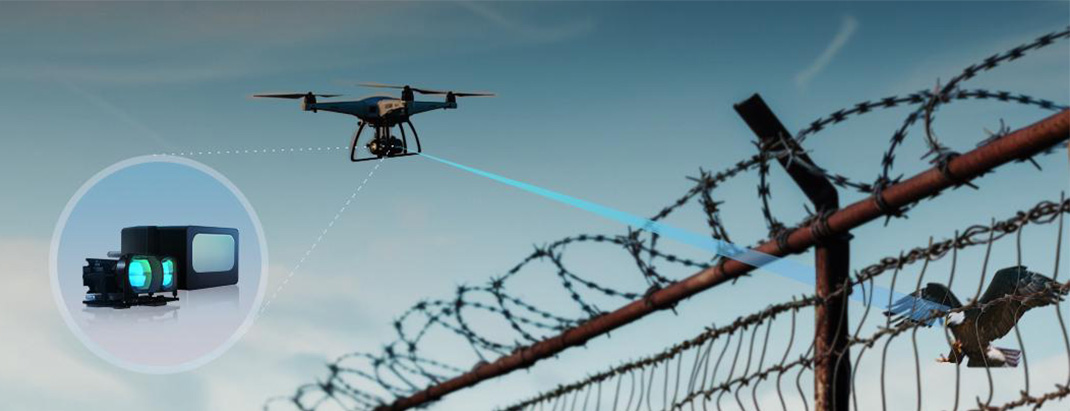
In open environments—such as crop monitoring, power-line inspection, or mapping tasks—drones typically operate at tens of meters above the ground. For such conditions, medium-range sensors are optimal. A drone altitude hold sensor with a detection range between 30 m and 100 m can provide stable altitude control despite wind, vibration, and surface reflectivity variations. At Benewake, we emphasize consistent accuracy across changing surfaces, such as vegetation or uneven terrain, ensuring that flight data remains reliable. This balance between range and precision makes these sensors suitable for multi-mission drones used in agriculture, surveying, and light logistics.
Long-Range Sensors for Heavy-Duty or Specialized Operations
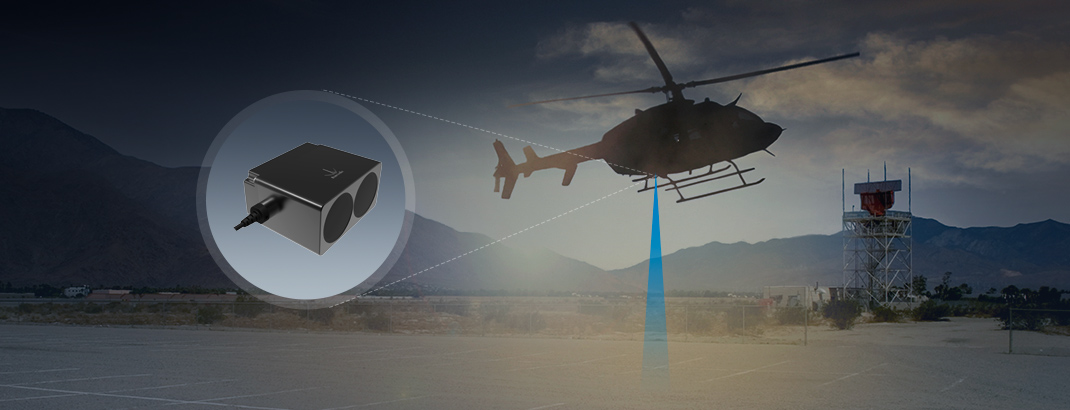
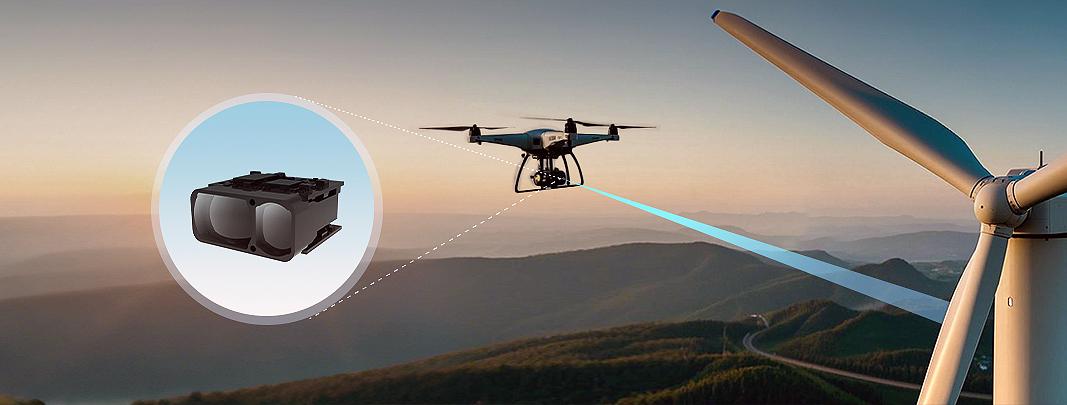
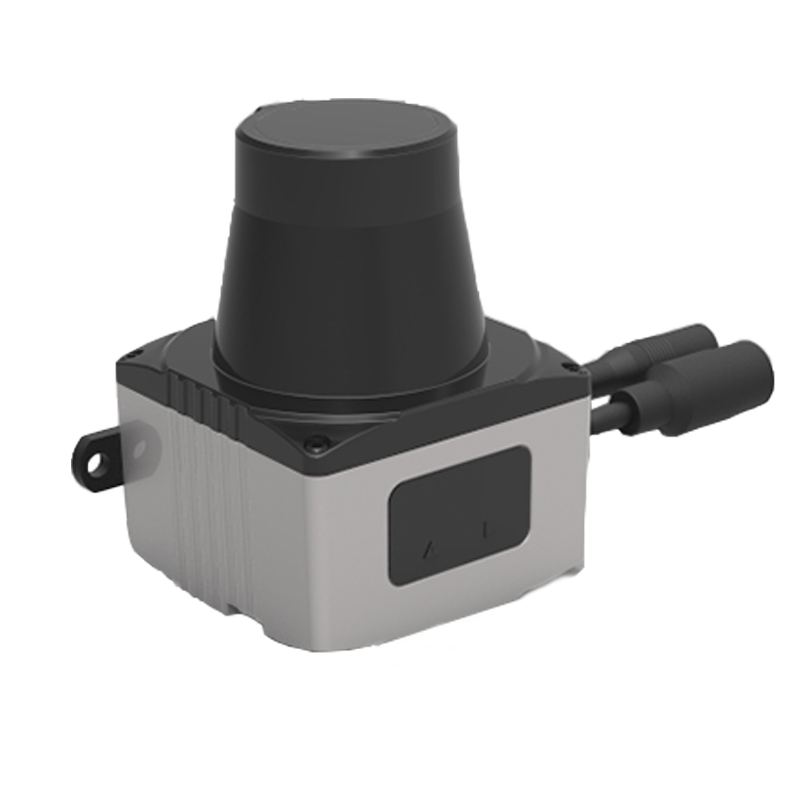
When drones are required to fly at higher altitudes or support industrial-grade operations—such as mapping large areas, inspecting transmission towers, or observing structural changes from a distance—long-range LiDAR becomes essential. A drone altitude hold sensor in this category should detect distances up to 200 m or more, maintaining strong signal returns even under sunlight or dust interference. Benewake designs sensors that deliver stable measurements across wide ranges and varying target reflectivity. This enables large drones or hybrid UAVs to perform altitude stabilization with minimal data loss, ensuring both flight safety and efficiency.
Choosing the Right Sensor Range
Selecting the correct range specification depends on how and where a drone will operate. Short-range sensors excel in confined or indoor environments, medium-range sensors are ideal for field operations, and long-range sensors are crucial for complex, high-altitude missions. As we at Benewake continue to refine LiDAR-based sensing technologies, our goal remains to offer dependable drone altitude hold sensor solutions that match diverse industrial and research requirements. To explore more about our sensor designs and their real-world performance, we welcome you to learn about our technology and discover how we help drones achieve stable, accurate altitude control in every mission.