















Headquarters:3rd Floor, Haiguo Jiaye Sci-Tech Park, Haidian District, Beijing, China

We use cookies to enhance your browsing experience and serve personalized content.
Reject ALL
Accept ALL


2025-12-17
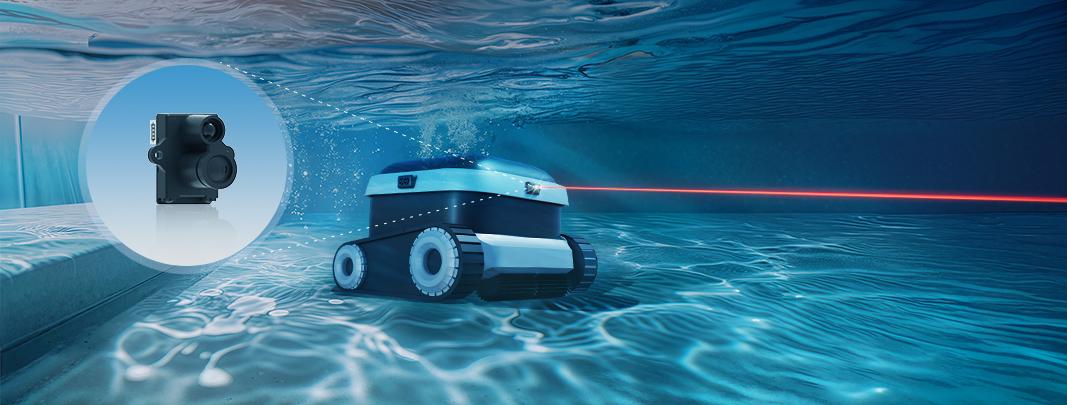
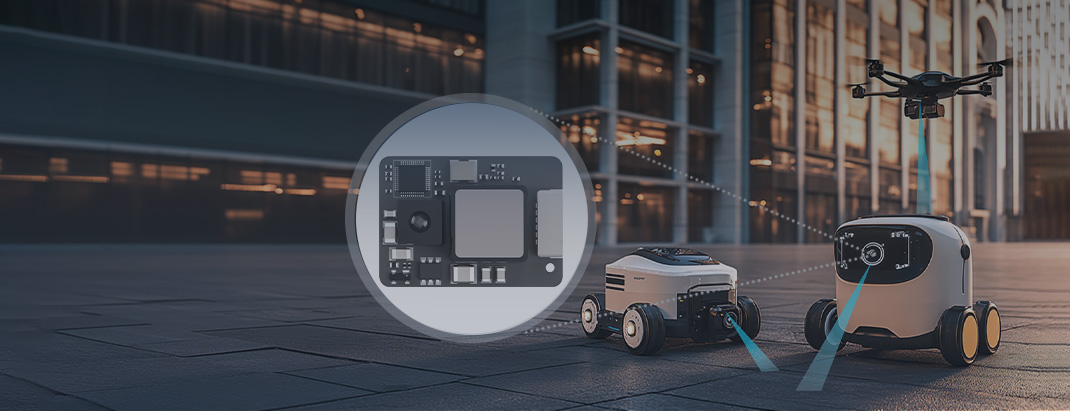
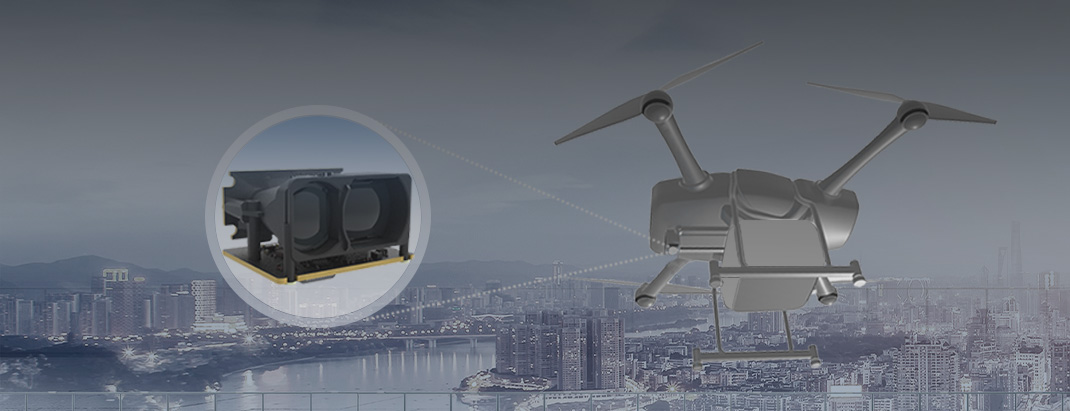
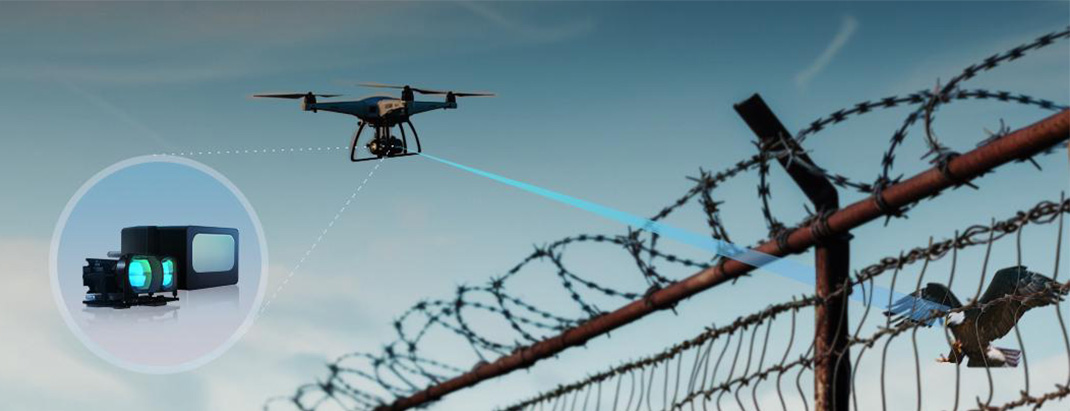
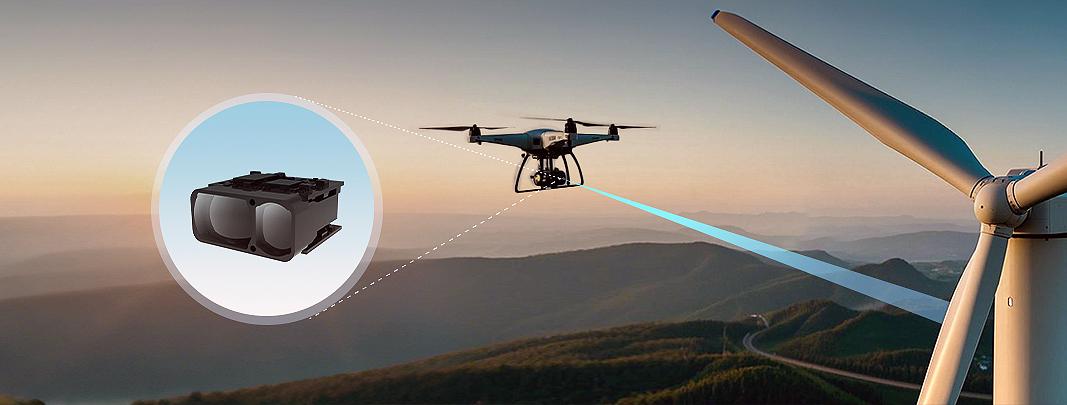
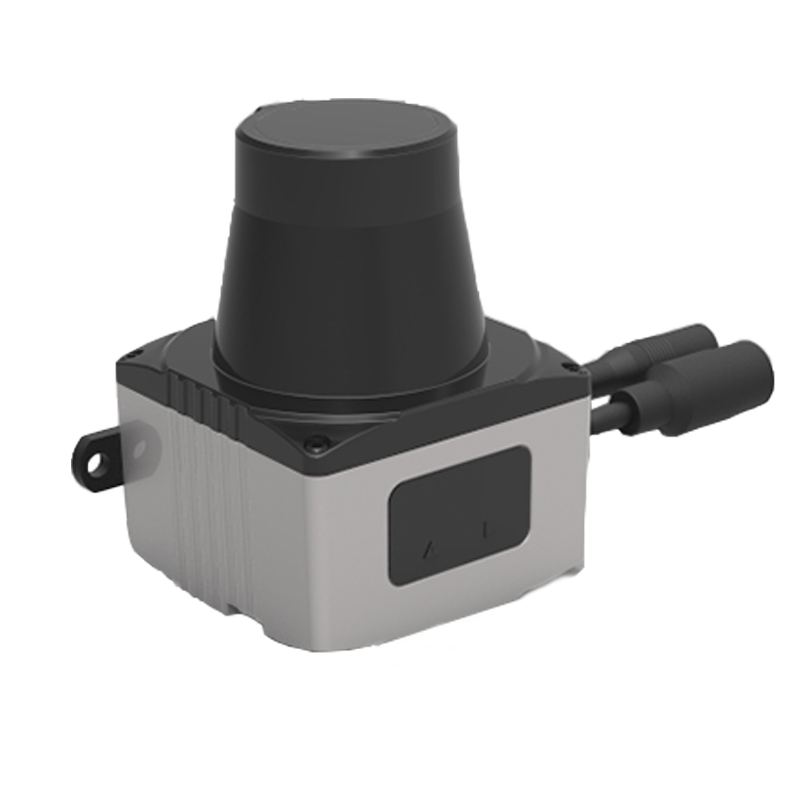
In recent years, LiDAR technology has transformed how we perceive and measure distance in industrial and intelligent systems. At Benewake, we have been focusing on developing compact and reliable single-point LiDAR solutions that enable precise proximity detection across a wide range of applications. A single-point LiDAR works by emitting laser pulses and calculating the time it takes for the signal to return after hitting an object. This simple yet powerful principle allows us to achieve accurate distance measurements even in challenging environments. In many sensing systems, such as automated drones and industrial robots, a drone proximity sensor powered by single-point LiDAR plays a crucial role in maintaining safe and efficient operations.
The Principle Behind Single-Point LiDAR Sensing
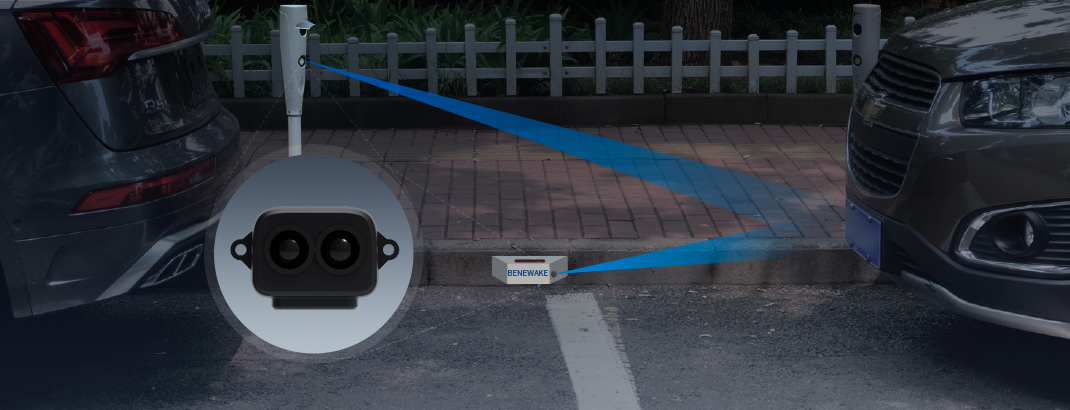
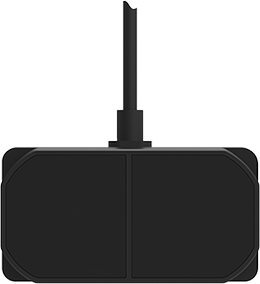
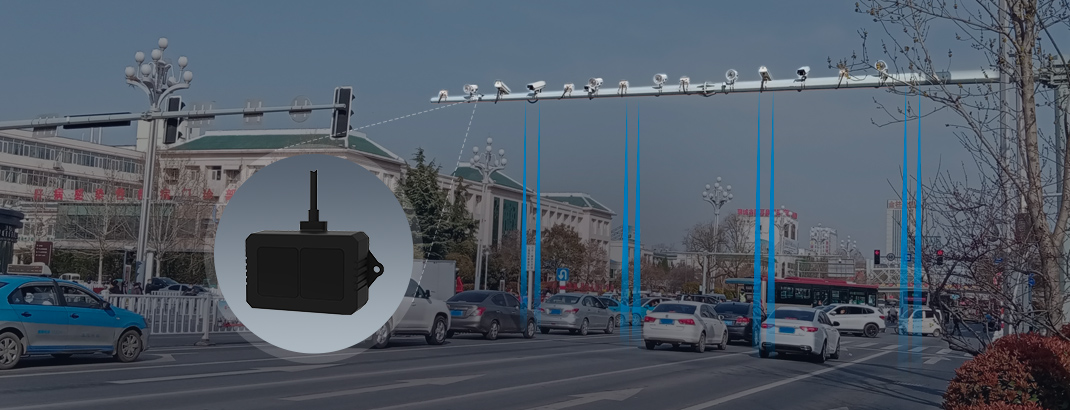
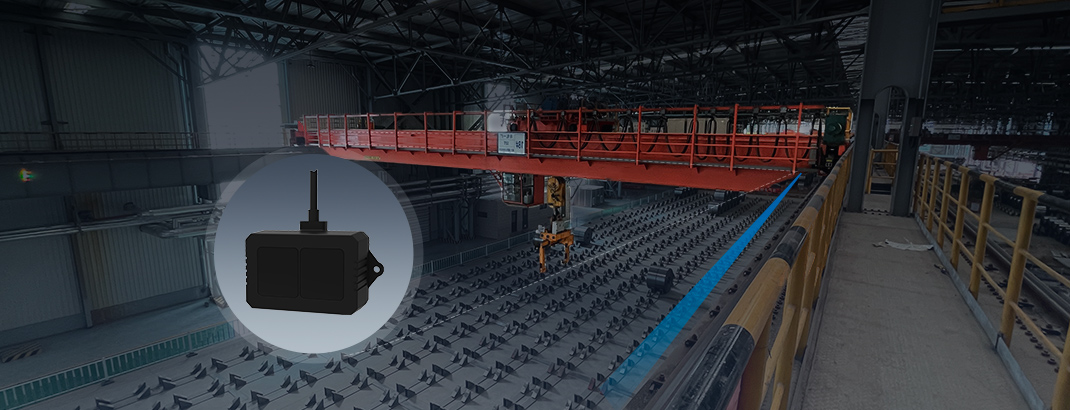
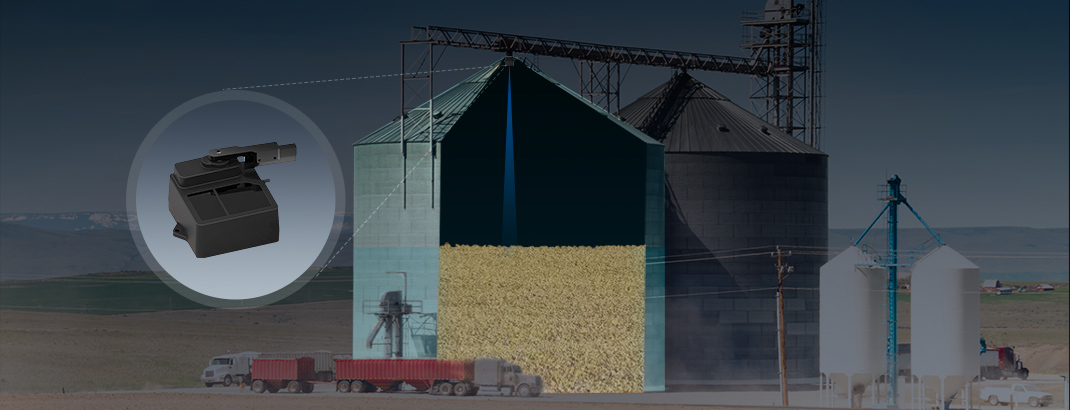
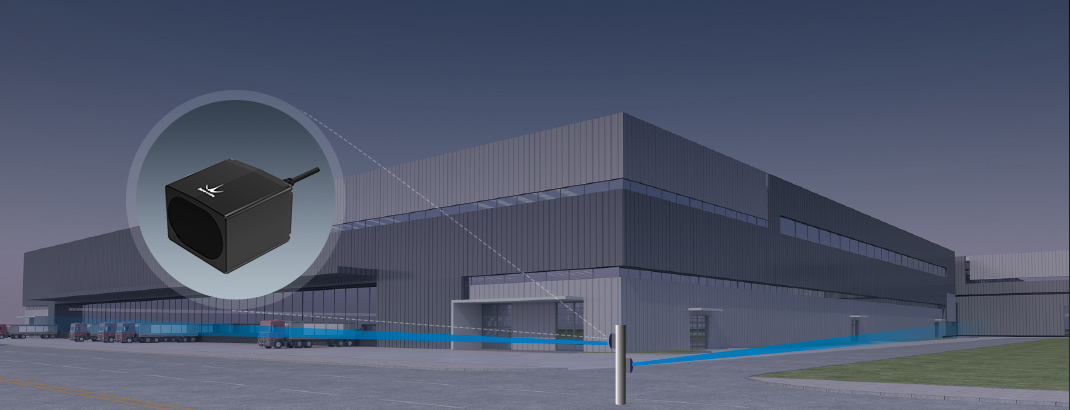
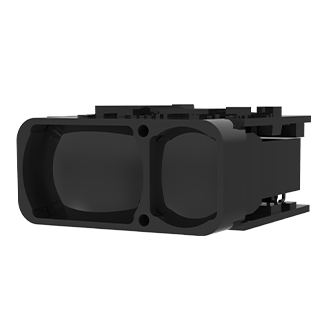
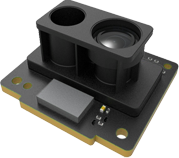
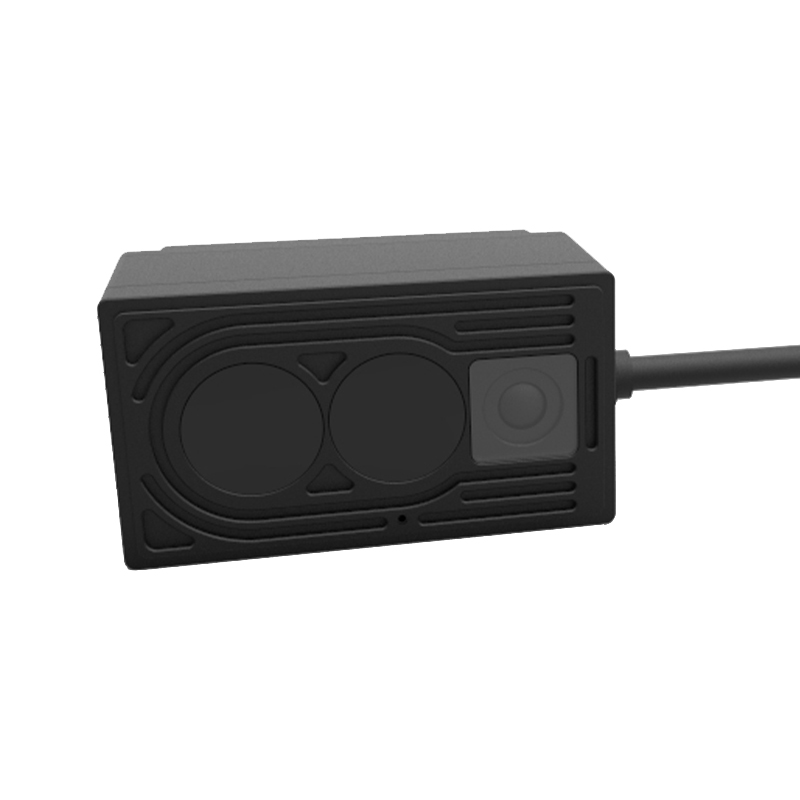
Unlike multi-line or scanning LiDAR systems, single-point LiDAR sensors focus on detecting one precise point at a time. This makes them lightweight, fast, and energy-efficient—an ideal choice for applications that require compact form factors and quick response. The sensor continuously monitors its field of view to identify nearby obstacles or objects, providing distance feedback in real time. At Benewake, our single-point LiDAR sensors, such as the TFA series, are designed with advanced optics and signal-processing technology to ensure high accuracy and stability in various lighting and environmental conditions. This reliability is essential for tasks like level measurement, parking guidance, or navigation in automated equipment, where consistent performance determines overall safety and efficiency.
Applications of Single-Point LiDAR in Modern Industries
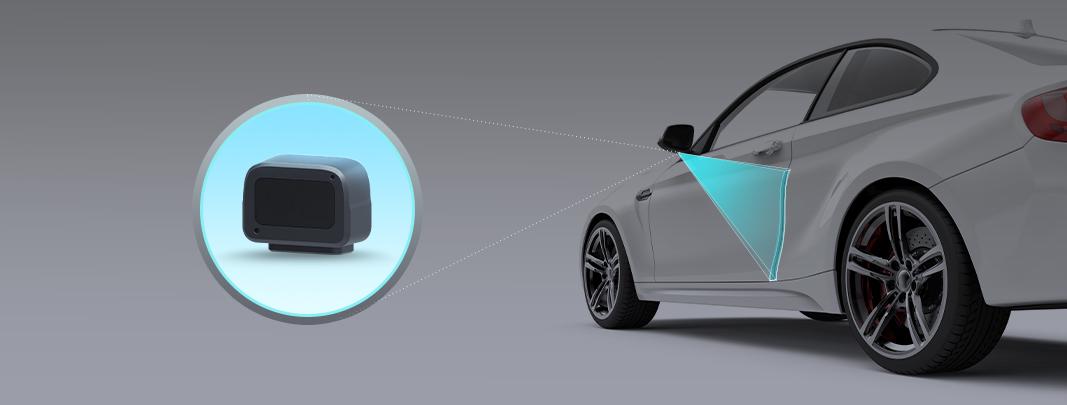
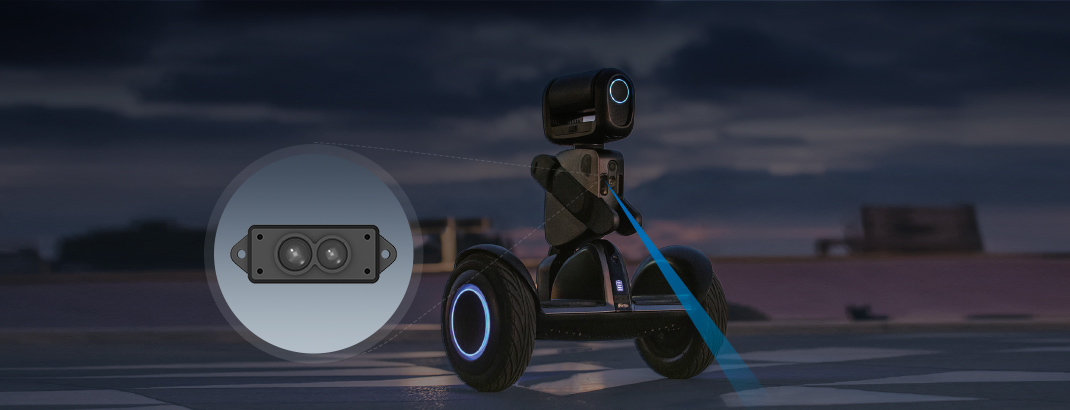
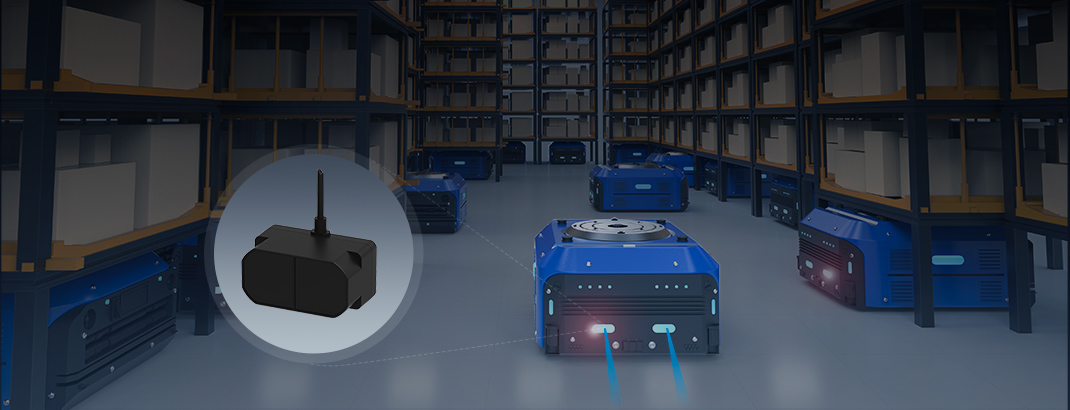
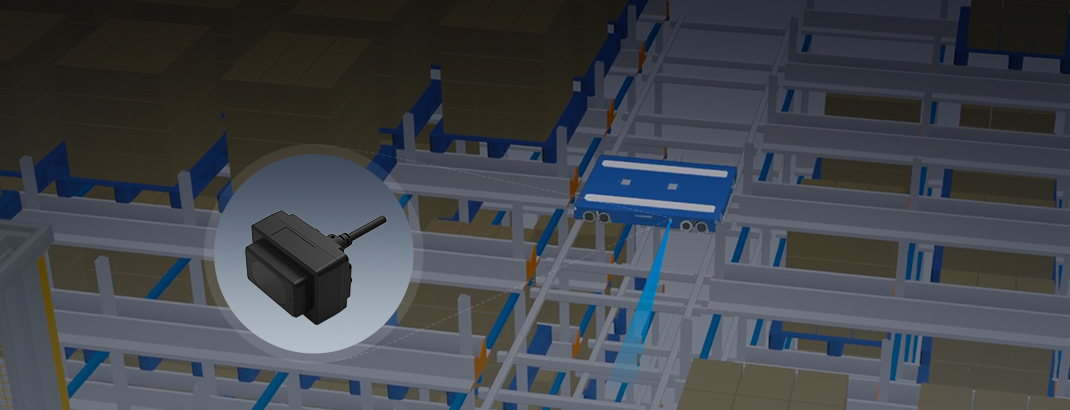
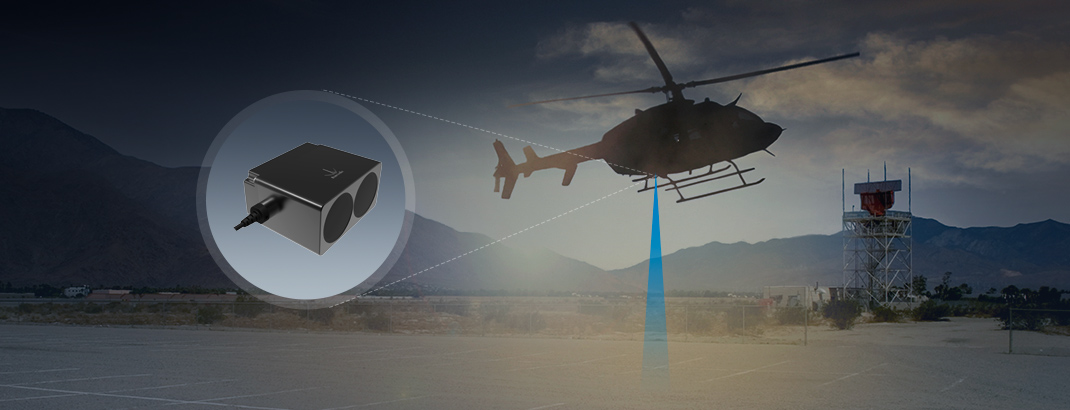
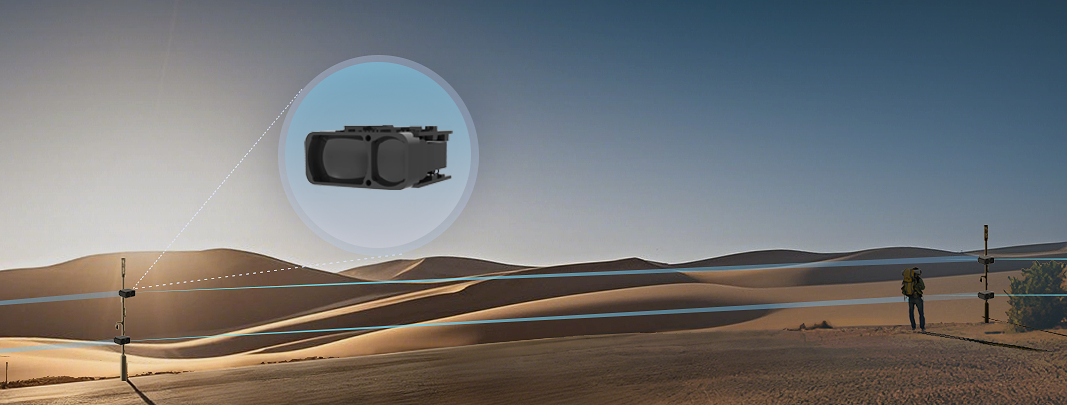
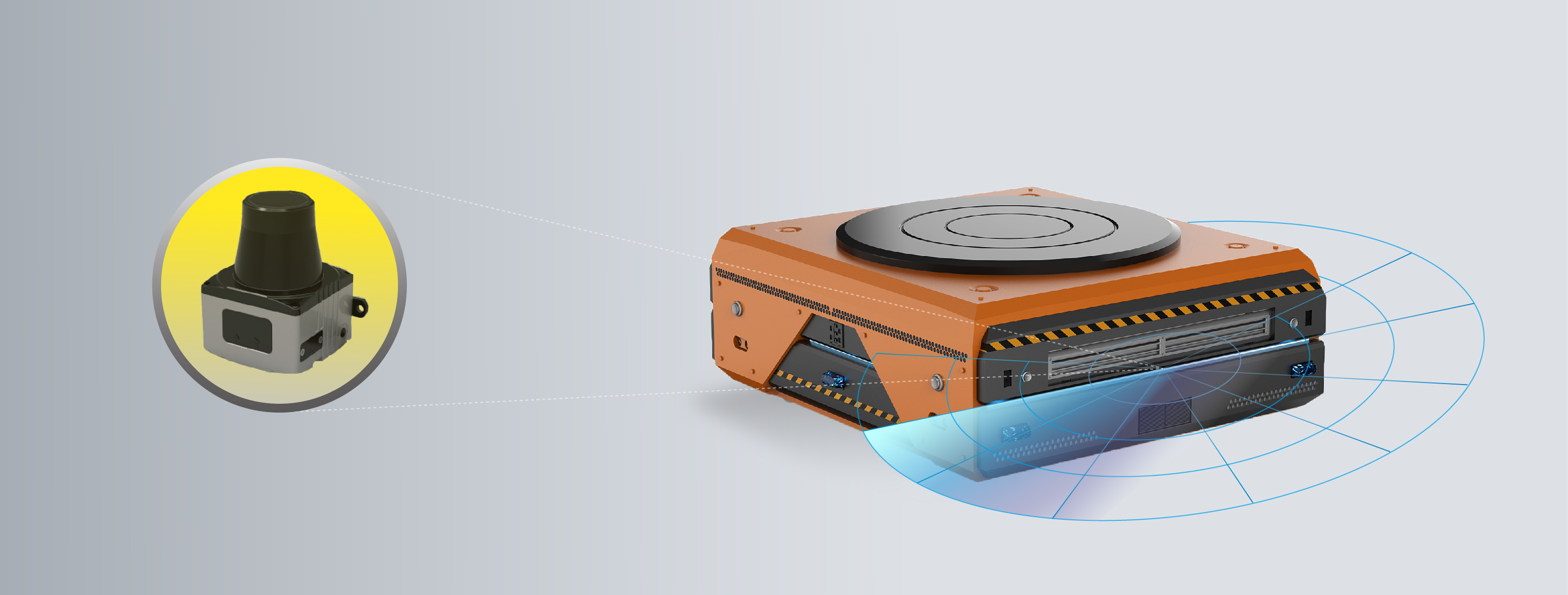
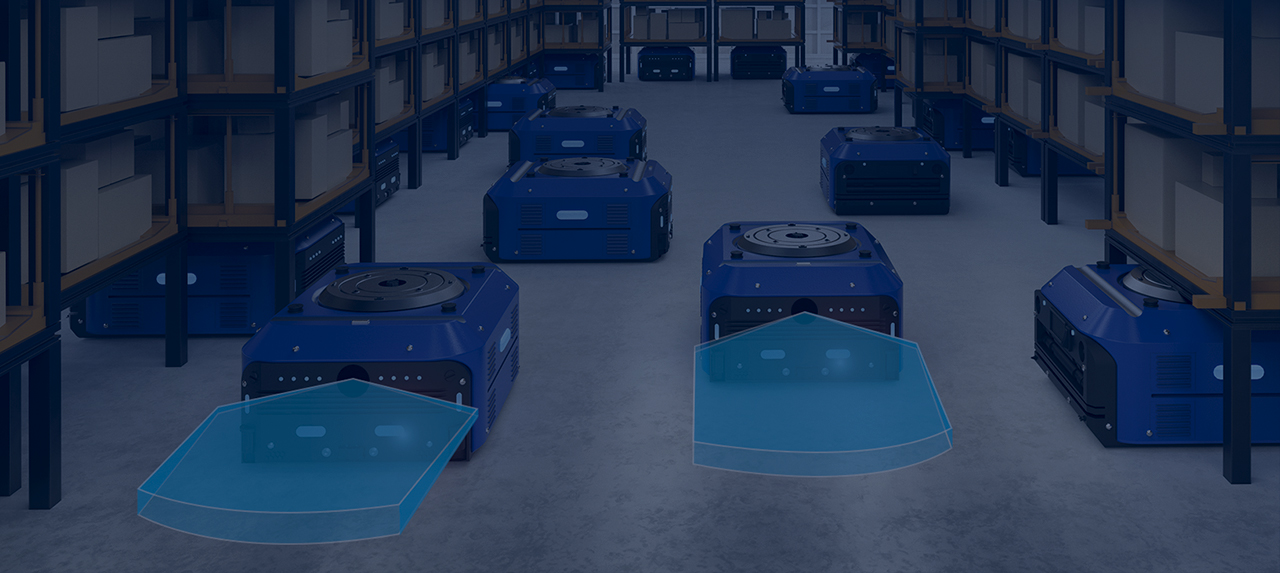
The use of single-point LiDAR extends far beyond basic distance measurement. For example, it is widely adopted in logistics automation, smart parking systems, material positioning, and collision avoidance for industrial drones and mobile platforms. The drone proximity sensor function enables drones to maintain stable distances from objects during flight operations, ensuring both precision and safety. In industrial settings, these sensors help automated guided vehicles (AGVs) detect surrounding objects, reducing the risk of collision and improving workflow continuity. Because single-point LiDAR sensors can be easily integrated into compact systems, they offer flexibility for engineers designing custom automation solutions.
Conclusion: Advancing Proximity Detection with Benewake
In essence, single-point LiDAR proximity detection offers an intelligent and efficient way to measure distances with precision. At Benewake, we continue to refine this technology to support our global partners in building the next generation of intelligent devices and automated systems. Whether it’s for obstacle detection, safety monitoring, or process optimization, our LiDAR solutions are designed to deliver stable, accurate, and consistent results. We believe that through innovation and reliability, single-point LiDAR will continue to play a key role in shaping the future of proximity sensing and automation.