















Headquarters:3rd Floor, Haiguo Jiaye Sci-Tech Park, Haidian District, Beijing, China

We use cookies to enhance your browsing experience and serve personalized content.
Reject ALL
Accept ALL


2025-12-17
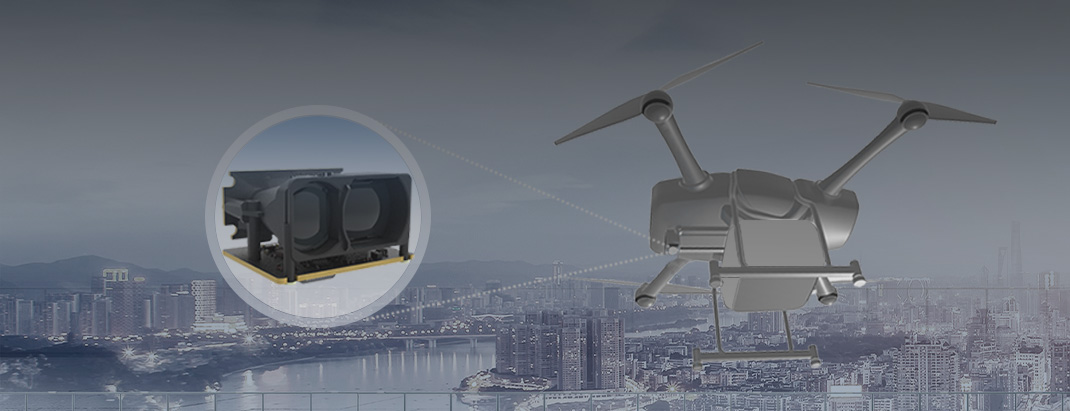
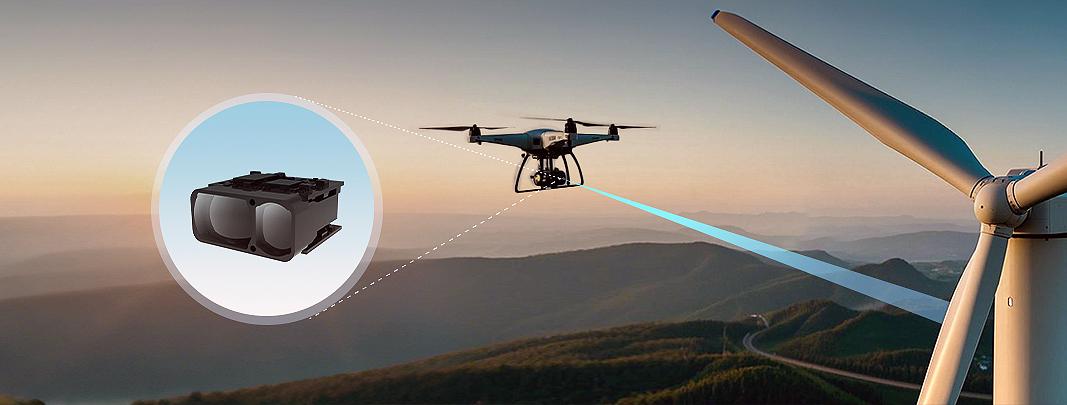
In our daily work developing advanced sensing technologies, we frequently encounter questions about how proximity sensors for drones can accurately distinguish objects from the surrounding terrain. At Benewake, we understand that safe and reliable aerial navigation relies on precise detection. Unlike simple obstacle sensors, these sensors must assess both the distance and the nature of nearby surfaces to ensure that drones can navigate complex environments without risk. By focusing on accurate signal processing and environmental analysis, we help drone operators reduce collisions and enhance operational efficiency.
Signal Processing and Terrain Analysis
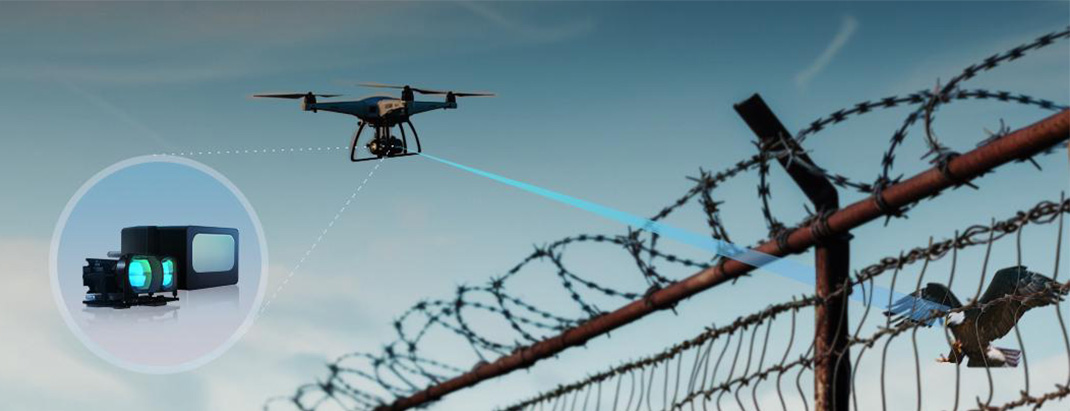
The first key factor in differentiating objects from terrain is the way proximity sensors for drones process incoming signals. When a sensor emits a laser pulse, it measures the time it takes for the reflection to return. This basic distance measurement is only part of the story. Advanced algorithms are applied to distinguish between flat terrain, uneven surfaces, and unexpected obstacles. At Benewake, we integrate sophisticated filtering techniques to minimize false detections caused by ground irregularities. This allows drones to fly safely over forests, urban landscapes, and construction sites, while accurately detecting nearby structures or obstacles.
Environmental Factors and Sensor Adaptation
Environmental conditions play a significant role in how proximity sensors for drones perform. Factors such as surface reflectivity, lighting conditions, and atmospheric interference can affect readings. We design our sensors with adaptive sensitivity and multi-point scanning capabilities to maintain consistent performance across varying scenarios. This adaptability ensures that drones equipped with our sensors can differentiate between low-profile obstacles, elevated objects, and natural terrain features. Through careful calibration and rigorous testing, we ensure that terrain is properly identified and unexpected obstacles are clearly highlighted.
Integration with Drone Systems
Equally important is how the sensor data integrates with the drone’s navigation system. Our sensors provide real-time feedback that is interpreted by flight controllers to make informed movement decisions. By combining distance measurements with pattern recognition and trajectory prediction, drones can adjust their flight paths dynamically. At Benewake, we focus on providing solutions that offer both reliability and compatibility with a wide range of drone platforms, ensuring that operators can safely navigate environments that include buildings, trees, and other complex structures.
Conclusion
Understanding how drones differentiate objects from terrain is essential for safe and efficient operations. At Benewake, our approach to proximity sensors for drones combines precise measurement, adaptive processing, and seamless integration to provide dependable detection capabilities. We continue to innovate in this field, supporting drone operators with sensors that maintain accuracy and reliability across diverse environments. By implementing our advanced sensing technologies, we aim to enhance aerial navigation and reduce risks in challenging operational settings.