














Headquarters:3rd Floor, Haiguo Jiaye Sci-Tech Park, Haidian District, Beijing, China

We use cookies to enhance your browsing experience and serve personalized content.
Reject ALL
Accept ALL


2025-12-17
Drones have become increasingly versatile tools in various industries, and we at Benewake have closely observed their growing applications. One critical aspect of drone operation is the integration of proximity sensors with camera gimbals. These sensors enhance stability and allow drones to maintain precise distances from objects while capturing images or video. By combining proximity detection with a stabilized camera system, operators can achieve higher quality footage without the risk of accidental collisions, even in complex environments. We have explored the ways in which drones leverage these technologies to improve both performance and safety.
Enhancing Drone Navigation with Proximity Detection
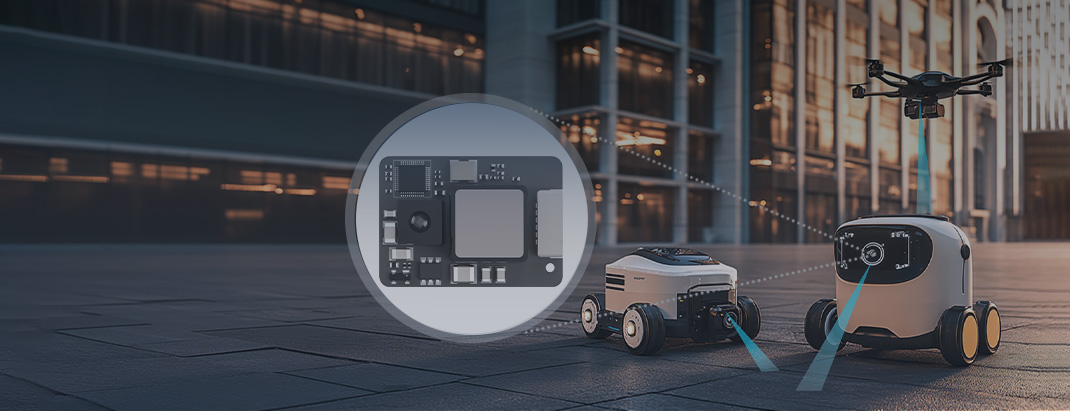
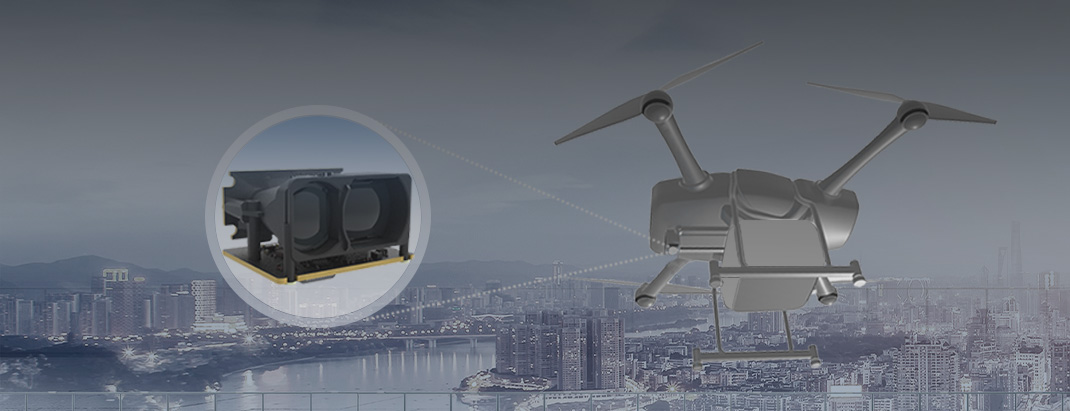
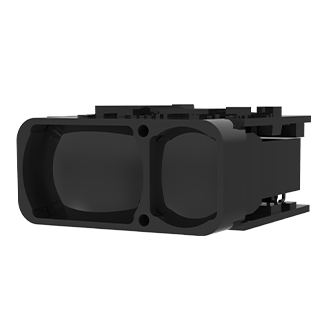
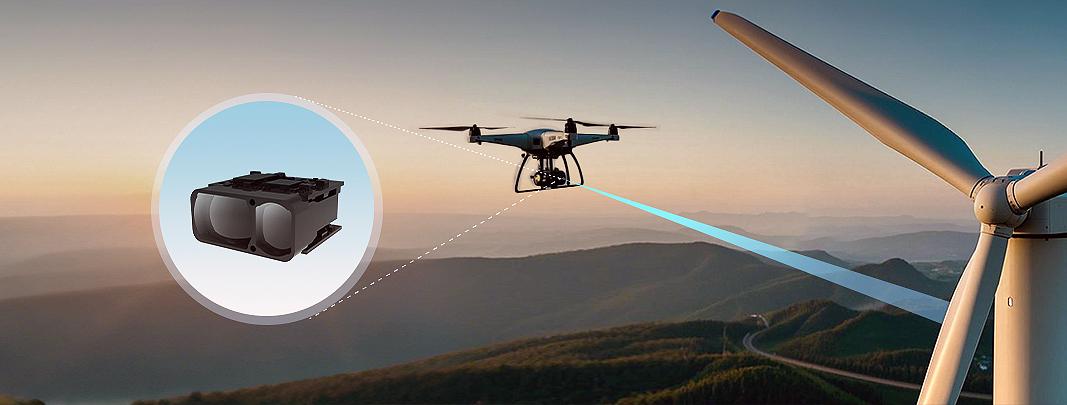
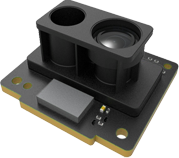
The primary function of a drone range finder is to provide accurate distance measurements between the drone and surrounding obstacles. We have noted that when paired with a camera gimbal, the drone range finder helps in maintaining optimal positioning during flight. This is particularly important in industrial inspection tasks or aerial surveys, where precise maneuvering is required. By continuously feeding distance information to the drone’s control system, the gimbal can adjust the camera angle in real-time, preventing collisions while ensuring consistent framing of the target. At Benewake, we emphasize the importance of sensor reliability, as accurate readings are crucial for effective drone operation.
Improving Safety and Efficiency in Flight
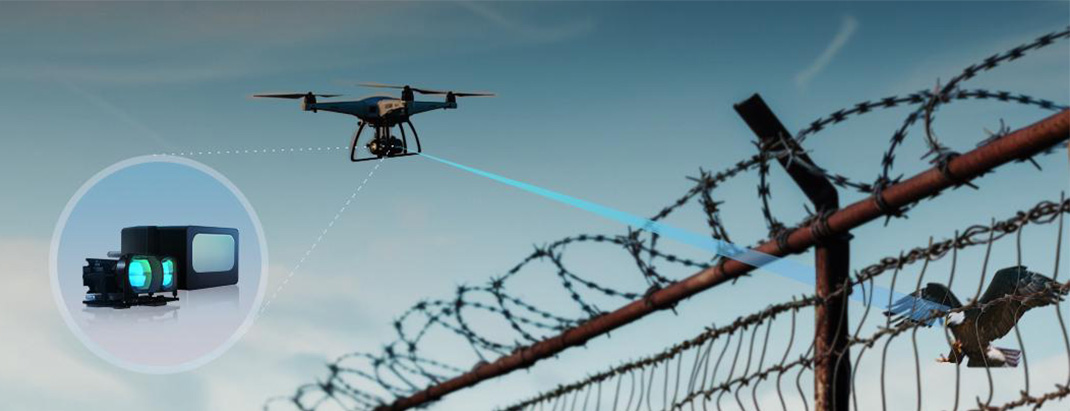
Safety is another major consideration when integrating proximity sensors with camera gimbals. We recognize that drones often operate in environments with unpredictable obstacles, such as construction sites or natural landscapes. The drone range finder allows the system to anticipate nearby objects and adjust its flight path or camera position accordingly. We have observed that this feature not only prevents damage to the drone but also protects the environment around it. Furthermore, the use of proximity sensors improves operational efficiency. Operators can focus on capturing footage rather than constantly monitoring the drone’s position, which is particularly valuable in professional applications such as surveying, infrastructure inspection, and environmental monitoring.
Real-World Applications and Advantages
In practical terms, the combination of camera gimbals and proximity sensors expands the usability of drones. At Benewake, we have seen that this integration allows drones to operate in tight spaces with a high degree of accuracy. The technology supports tasks such as obstacle avoidance, precise measurement, and automated flight patterns. The drone range finder ensures that the drone maintains a safe and consistent distance from objects, which is essential for high-quality image capture. As we continue to develop and refine our sensor solutions, we focus on delivering tools that enhance drone performance while remaining versatile for a wide range of industrial applications.
Conclusion
We understand that integrating proximity sensors with camera gimbals is a fundamental aspect of modern drone operations. Through our expertise at Benewake, we have seen how these systems improve safety, accuracy, and efficiency. By employing reliable drone range finder technology, operators can confidently conduct aerial surveys, inspections, and other precision tasks. We remain committed to providing solutions that support advanced drone functionality while ensuring stability and reliability in complex environments.