














Headquarters:3rd Floor, Haiguo Jiaye Sci-Tech Park, Haidian District, Beijing, China

We use cookies to enhance your browsing experience and serve personalized content.
Reject ALL
Accept ALL


2025-12-17
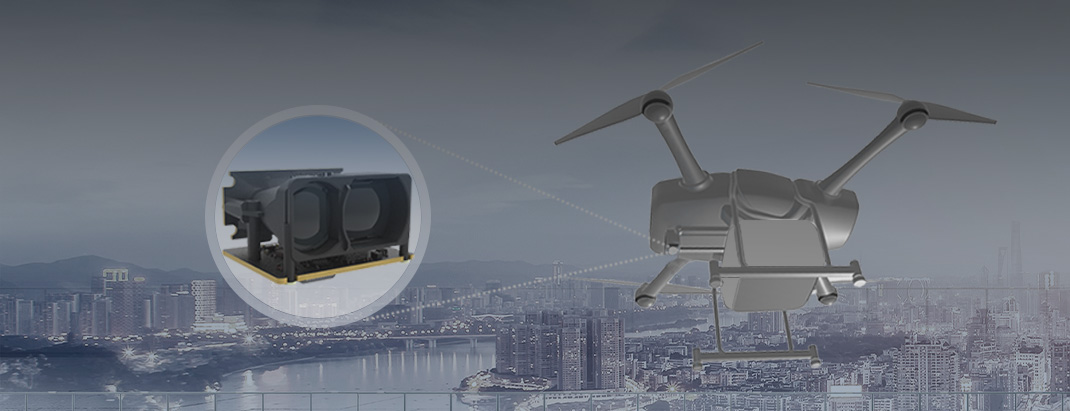
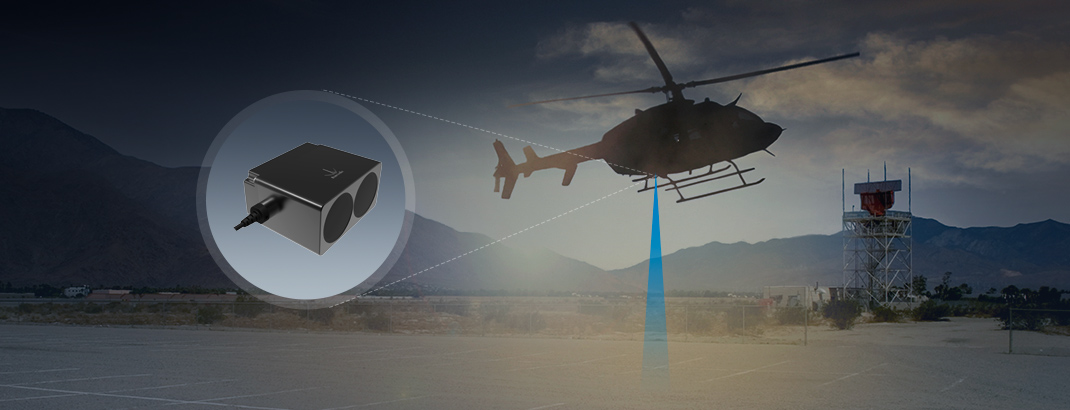
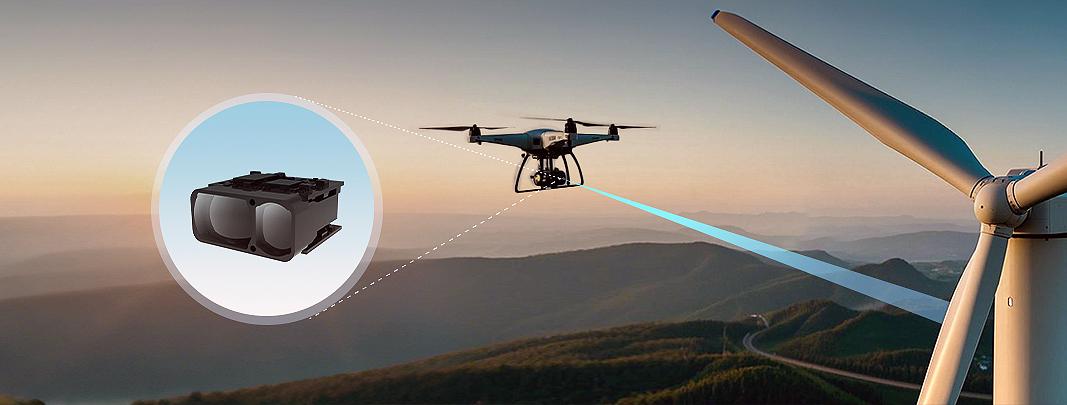
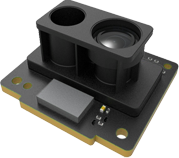
In our experience at Benewake, achieving precise gimbal focus for drones relies heavily on the performance of the drone proximity sensor. When operating aerial platforms, even minor inaccuracies in distance measurement can affect camera stabilization, image clarity, and overall flight safety. As a company specializing in LiDAR technology and sensing solutions, we understand that selecting the appropriate sensor for gimbal applications is critical to maintaining consistent performance across various environments.
Understanding Accuracy Requirements for Drone Gimbals
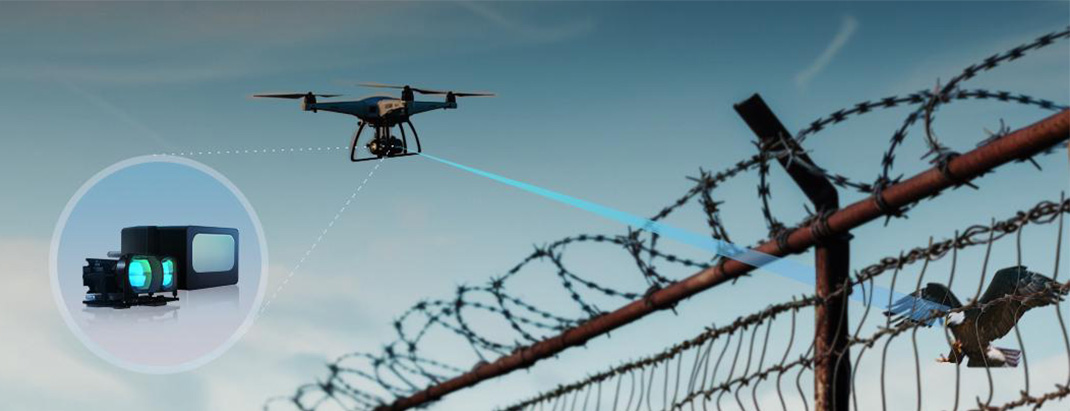
For drone gimbal systems, the level of detail and responsiveness needed from a drone proximity sensor depends on the camera’s intended application. Cinematic filming, inspection, and surveying each impose different demands on distance detection. In cinematic applications, smooth and stable gimbal operation requires sensors that provide reliable readings with minimal latency. In inspection tasks, where drones operate near structures or equipment, the sensor’s accuracy becomes even more vital to prevent collisions and ensure high-quality footage. We focus on providing solutions that balance sensitivity and range to meet these operational requirements.
Factors Influencing Sensor Performance
Several factors can influence the effectiveness of a drone proximity sensor in gimbal applications. Environmental conditions such as lighting, surface reflectivity, and interference from nearby objects can all impact sensor readings. Additionally, the sensor’s resolution, refresh rate, and range capabilities determine how precisely the gimbal can react to changes in distance. At Benewake, we integrate advanced LiDAR principles to minimize these variables, ensuring that our sensors deliver consistent performance even in complex or dynamic settings. Choosing a sensor with the right combination of resolution and speed is essential for achieving optimal focus control on drone gimbals.
Balancing Accuracy and Practical Implementation
While high precision is desirable, it is equally important to consider practical implementation aspects, including weight, size, and power consumption. Overly complex sensors may provide accurate readings but could compromise drone flight time or payload capacity. Our experience at Benewake shows that carefully designed drone proximity sensors can provide the required accuracy without imposing excessive demands on the drone platform. By selecting sensors optimized for both responsiveness and reliability, operators can achieve smoother gimbal performance and improved imaging outcomes.
Conclusion
Ultimately, determining the necessary accuracy for a drone proximity sensor involves assessing the specific operational needs of the gimbal and the drone platform. At Benewake, we offer expertise and solutions that help ensure reliable performance, precise focus control, and enhanced safety in aerial applications. Our sensors are designed to provide consistent measurements that enable drones to perform complex tasks with stability and confidence, reflecting our commitment to advancing sensing technology for unmanned aerial operations.