

















Headquarters:3rd Floor, Haiguo Jiaye Sci-Tech Park, Haidian District, Beijing, China

We use cookies to enhance your browsing experience and serve personalized content.
Reject ALL
Accept ALL


2025-12-17
When discussing drone performance, one of the critical factors we always consider is the impact of sensor weight on gimbal stability. As a company that has extensive experience in LiDAR and optical sensing technology, we understand that even small variations in the weight of a sensor can influence the overall flight dynamics. At Benewake, we frequently work with a variety of lightweight and mid-range sensors, and we see firsthand how careful calibration can improve stability and operational efficiency. Selecting the right sensor, particularly for aerial applications, is not only about functionality but also about achieving optimal balance on the gimbal to ensure smooth operation.
Sensor weight and gimbal mechanics
Gimbals are designed to counteract unwanted motion and maintain the stability of a payload during flight. The weight of the sensor affects how the gimbal reacts to sudden movements, vibrations, and changes in orientation. Heavier sensors require more torque from the motors, which can reduce responsiveness and consume additional battery power. On the other hand, extremely light sensors may not provide enough inertia for the gimbal to stabilize effectively, leading to jittery or unsteady footage. In our experience at Benewake, finding the balance between weight and performance is crucial for maintaining consistent stability and achieving precise data capture. This is why we always recommend considering both sensor mass and gimbal specifications before final integration.
Balancing precision and operational efficiency
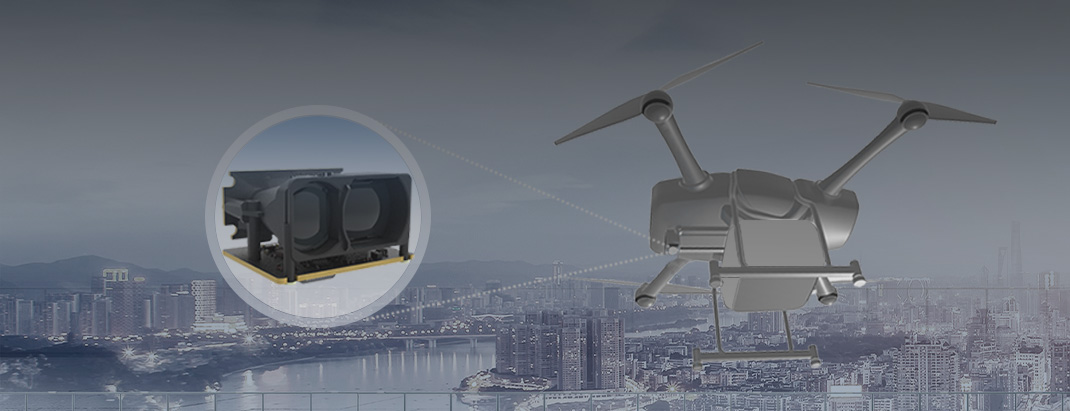
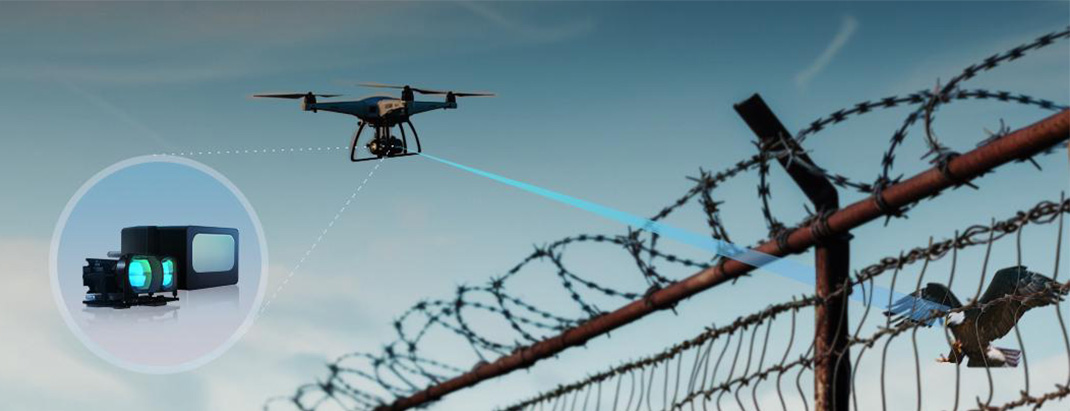
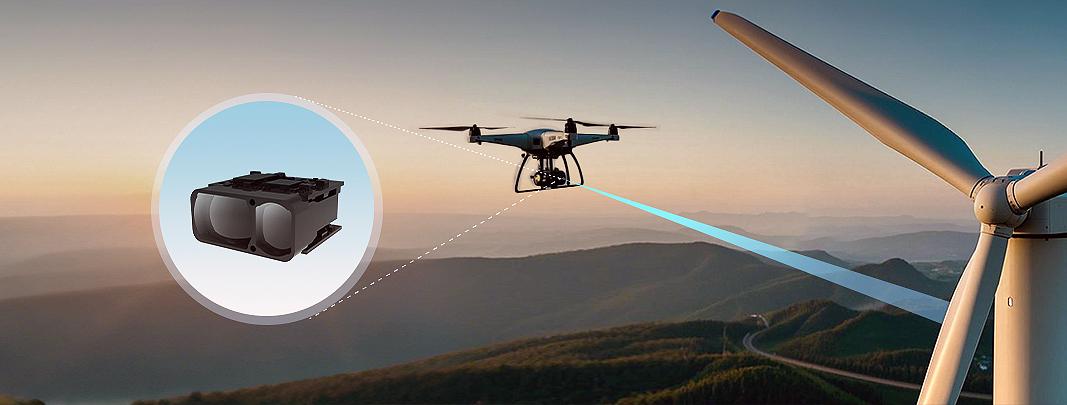
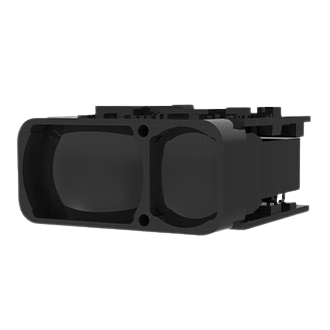
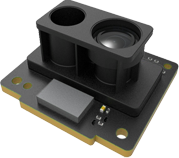
In practice, a well-balanced sensor reduces the strain on the gimbal system, allowing for smoother rotations and more accurate positioning. When we integrate proximity sensors for drones, we take into account their weight distribution to ensure that the gimbal can operate within its optimal performance range. This balance helps prevent unnecessary wear on mechanical components and minimizes vibrations that could affect sensor readings or imaging quality. Additionally, weight-balanced sensors contribute to energy efficiency, extending flight time and improving overall mission reliability. By adjusting sensor placement and carefully selecting the appropriate proximity sensors for drones, we enhance both the stability and effectiveness of the entire aerial system.
Practical considerations for deployment
Operational conditions, such as wind, payload configuration, and flight duration, also interact with sensor weight to affect gimbal performance. At Benewake, we evaluate these factors systematically when deploying our sensors on drones, ensuring that each installation maximizes stability while maintaining accuracy. Choosing the correct mounting position and aligning the center of gravity with the gimbal’s pivot points are key steps that can mitigate instability caused by heavier or unevenly distributed sensors. When using proximity sensors for drones, this meticulous attention to weight and placement makes a significant difference in the quality of the data collected and the longevity of the drone components.
Conclusion
In summary, sensor weight plays a decisive role in gimbal stability, influencing torque requirements, responsiveness, and overall operational efficiency. At Benewake, we emphasize the importance of carefully selecting and calibrating sensors to achieve a well-balanced system. By integrating proximity sensors for drones thoughtfully and considering their weight impact, we can ensure that drones operate smoothly, reliably, and with the precision required for advanced aerial applications. Our expertise and experience in sensor design and deployment help our clients achieve consistent performance in every mission.