














Headquarters:3rd Floor, Haiguo Jiaye Sci-Tech Park, Haidian District, Beijing, China

We use cookies to enhance your browsing experience and serve personalized content.
Reject ALL
Accept ALL


2025-12-17
In modern industrial automation, understanding the difference between proximity sensors in robotics and distance sensors is crucial for optimizing performance. At Benewake, we focus on providing solutions that support a variety of industrial applications, ensuring accurate detection and safe operation. While both types of sensors detect objects, their mechanisms, ranges, and applications differ significantly. Recognizing these differences helps us design systems that meet the exact needs of factories, warehouses, and automated environments.
Sensing Mechanisms and Technology
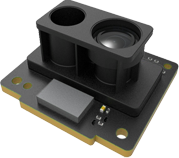
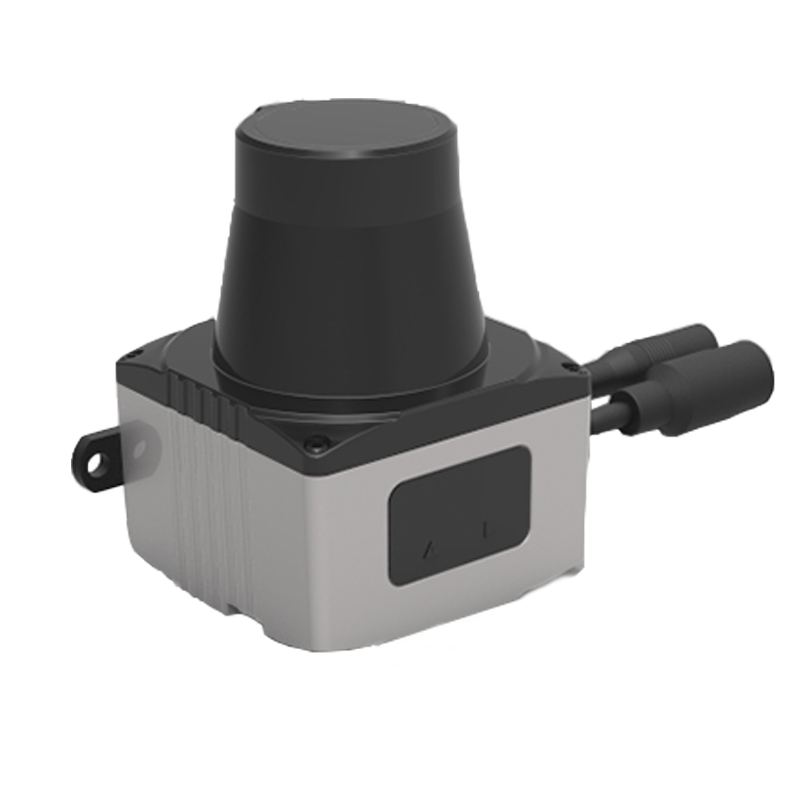
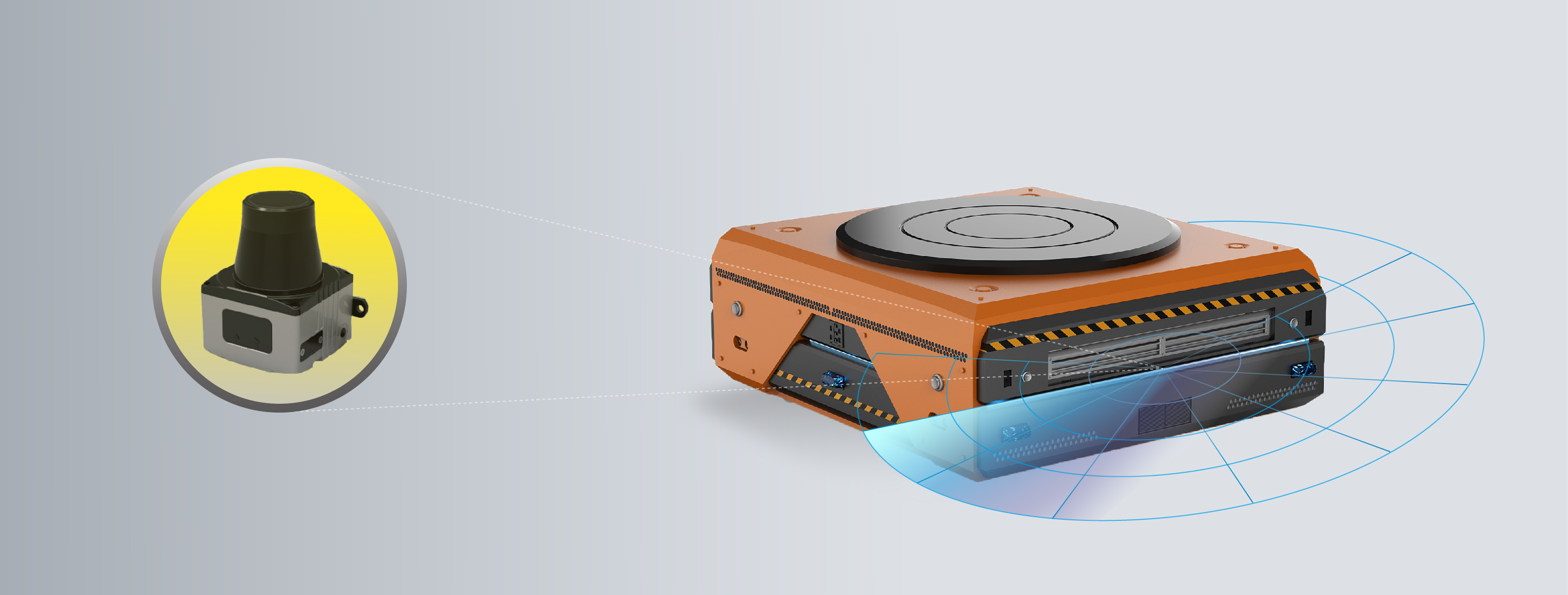
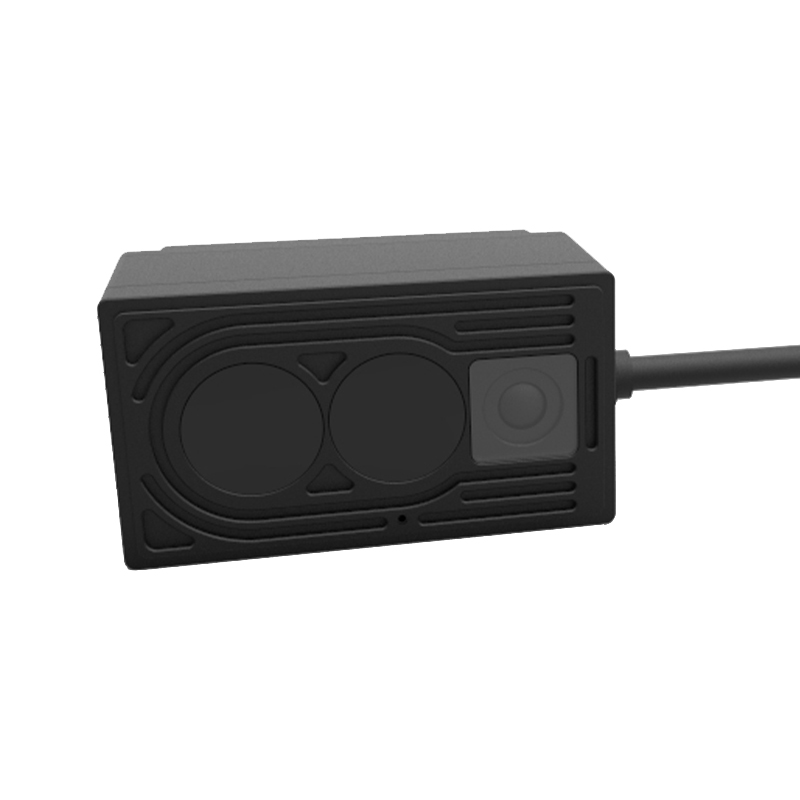
Proximity sensors in robotics typically detect the presence or absence of an object without measuring the actual distance. These sensors often rely on capacitive, inductive, or photoelectric methods. In contrast, distance sensors provide a measurable distance between the sensor and the target, using technologies such as LiDAR, ultrasonic, or time-of-flight detection. We have observed that selecting the appropriate sensor type directly impacts the efficiency and safety of industrial systems. At Benewake, we leverage advanced sensing technologies to ensure that our products perform reliably across challenging environments, such as automated guided vehicles or robotic arms in assembly lines.
Applications in Industrial Settings
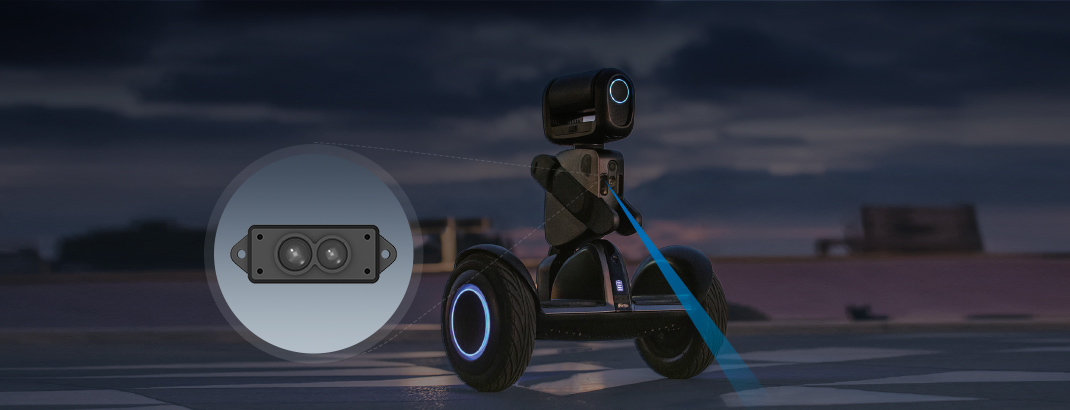
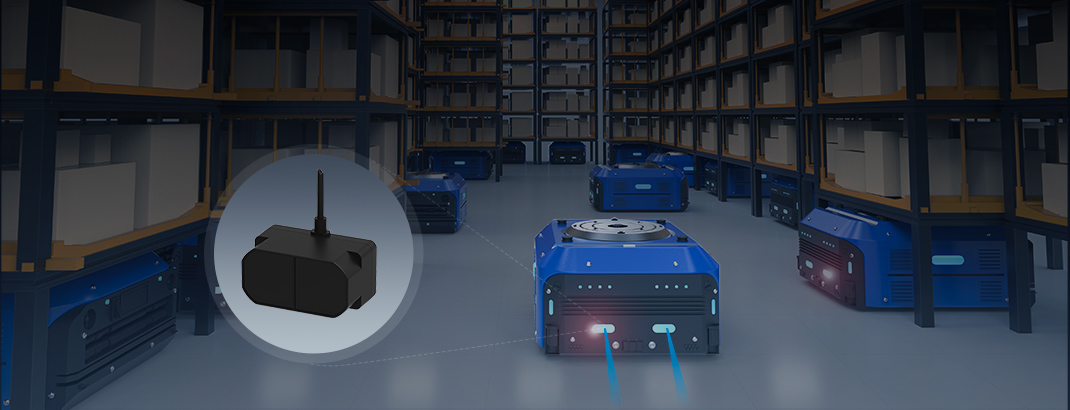
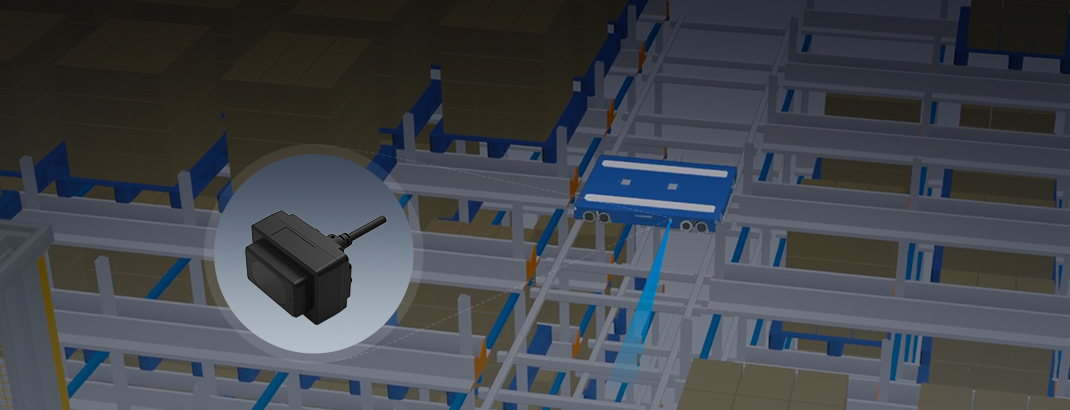
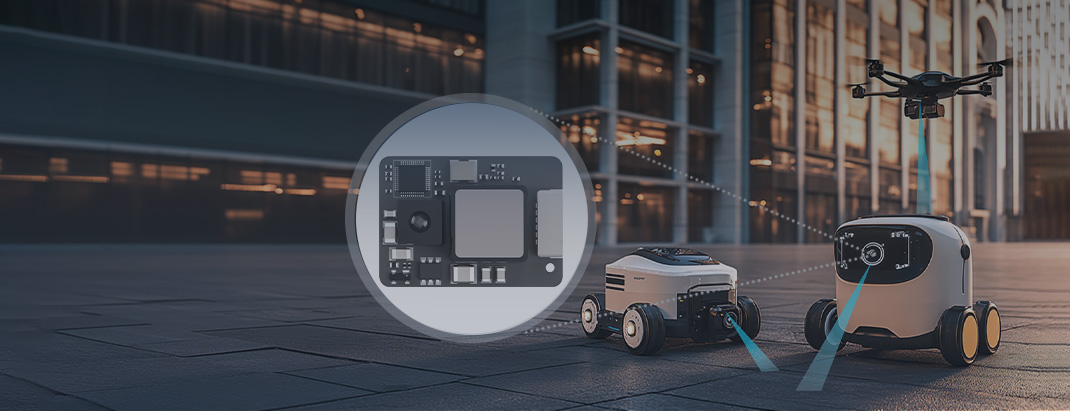
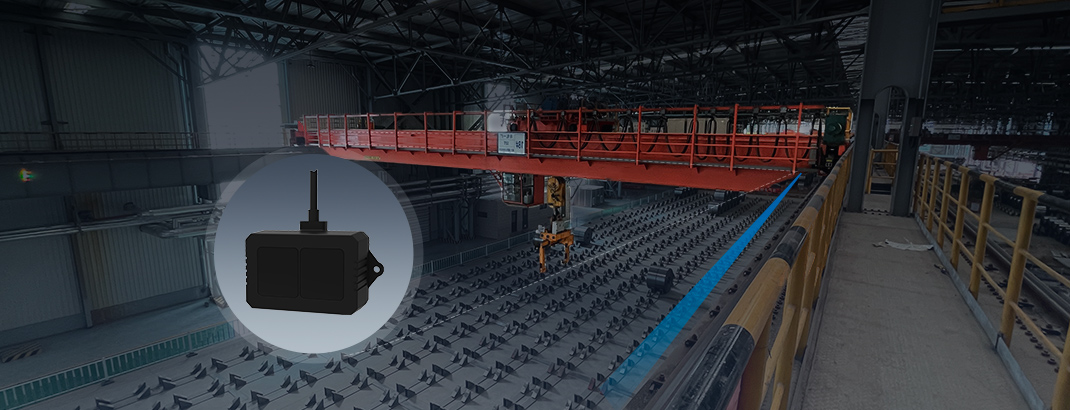
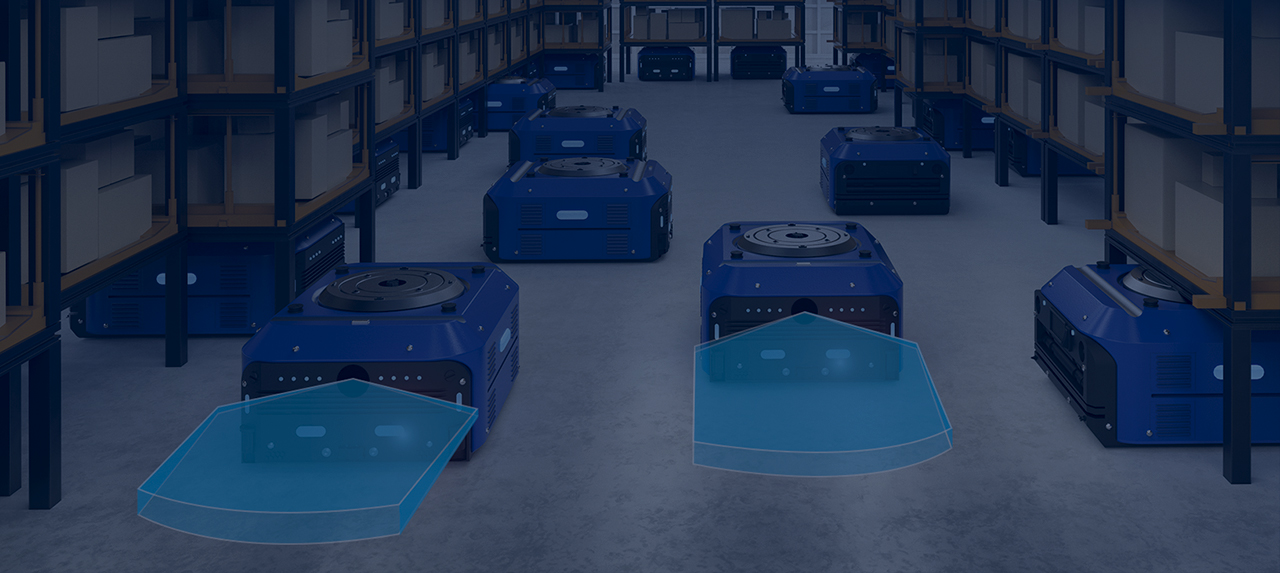
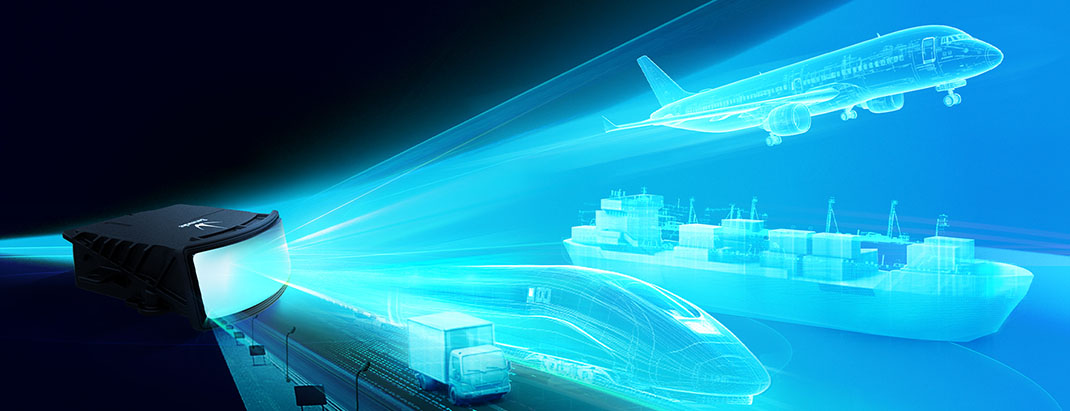
Industrial environments demand sensors that can operate accurately under varying conditions. Proximity sensors in robotics are ideal for detecting objects in close range, triggering immediate actions, and preventing collisions. Distance sensors, however, are used where precise spatial information is necessary for navigation, monitoring, or material handling. We routinely implement our solutions in fixed installations and mobile platforms, providing consistent performance. For instance, our systems can detect objects or obstacles in mining trucks or automated warehouse robots, ensuring operational safety without interfering with productivity.
Advantages and Considerations
When integrating proximity sensors in robotics, one key advantage is rapid response to nearby objects, which minimizes mechanical stress and prevents accidental collisions. Distance sensors extend the capabilities by providing exact measurements, allowing predictive adjustments in industrial processes. At Benewake, we carefully evaluate the requirements of each application to recommend the optimal combination of sensors. Our goal is not only to enhance system accuracy but also to maintain long-term reliability, even in demanding industrial environments where dust, vibrations, or uneven surfaces are present.
Conclusion
Understanding the distinction between proximity sensors in robotics and distance sensors is essential for designing effective industrial solutions. By choosing the right sensor for each task, we can improve operational efficiency and ensure safety in automated environments. At Benewake, we are committed to delivering high-quality, precise, and reliable sensors that meet the diverse needs of our clients. Our dedication to innovation in sensor technology allows us to support industries with both standard and customized solutions, reflecting our ongoing mission to advance industrial automation with dependable sensing solutions.