














Headquarters:3rd Floor, Haiguo Jiaye Sci-Tech Park, Haidian District, Beijing, China

We use cookies to enhance your browsing experience and serve personalized content.
Reject ALL
Accept ALL


2025-12-17
At Benewake, we continuously explore how lidar autonomous robot systems can navigate safely and efficiently in dynamic environments. One of the most intriguing aspects of our work is observing how robots perceive obstacles and respond to their surroundings almost instinctively. The process involves sensing, analyzing, and acting in real time, which transforms simple machines into highly capable automated partners. Understanding this interplay is central to improving both safety and productivity in industrial and commercial applications.
Seeing the World Through Lidar
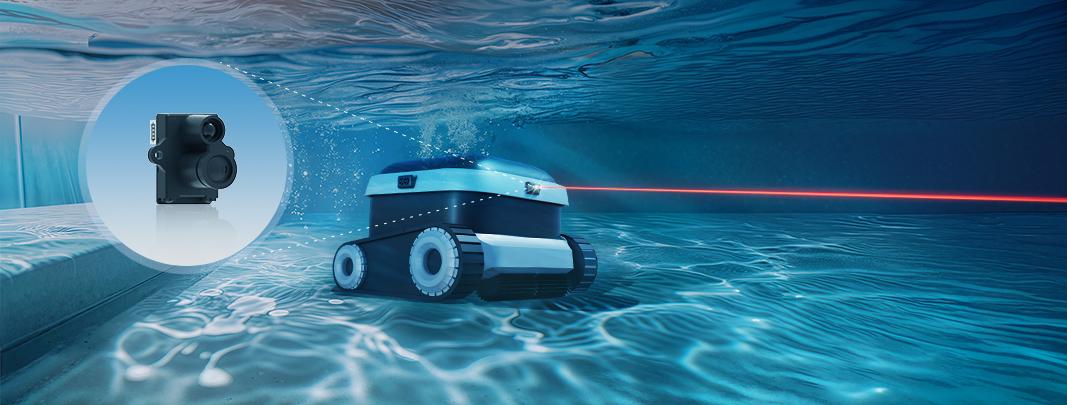
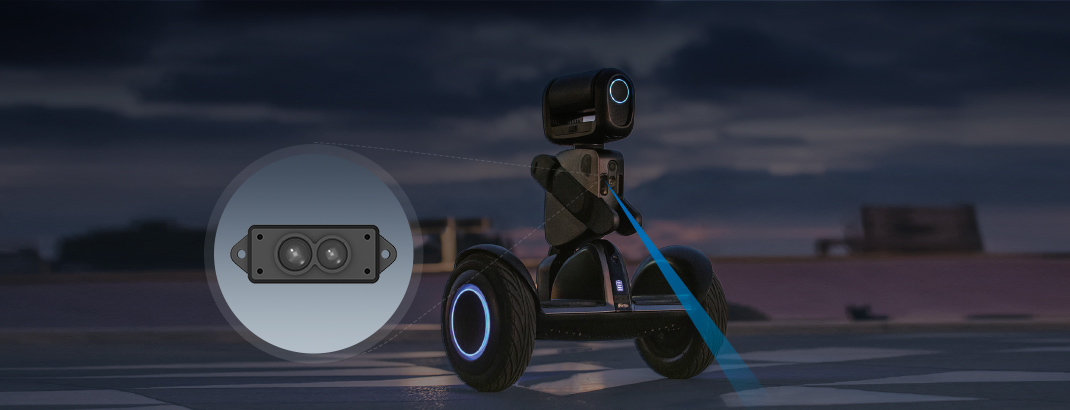
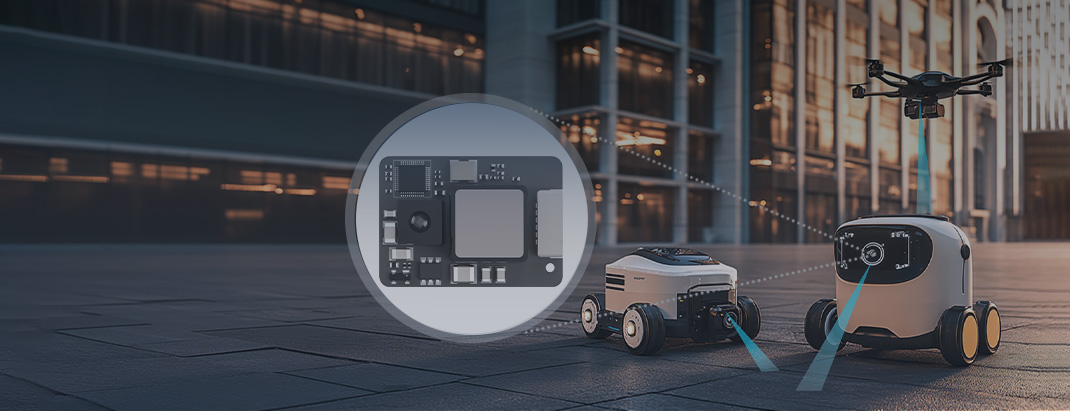
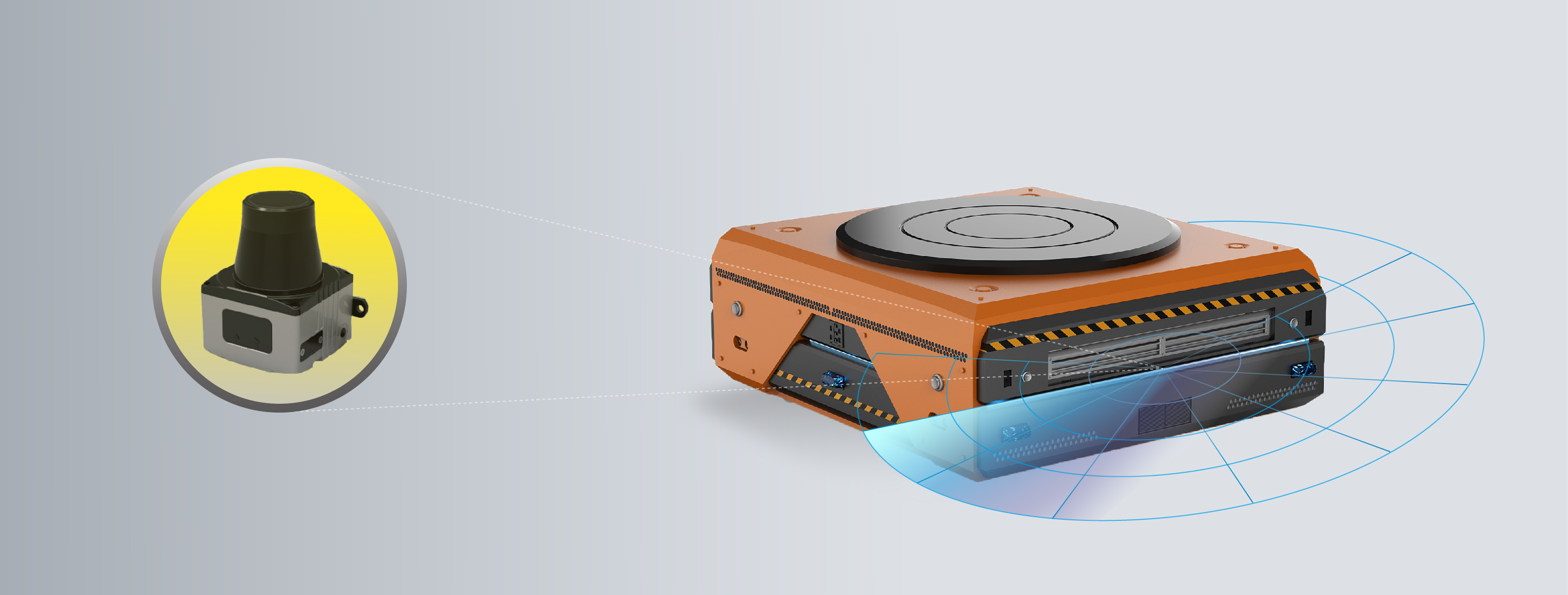
We often think of lidar as the eyes of an autonomous robot. Unlike basic sensors that detect obstacles only when they are very close, lidar provides a comprehensive map of the surroundings by emitting laser pulses and measuring their reflection times. At Benewake, we have seen firsthand how robots equipped with lidar can anticipate potential obstacles before they interfere with movement. This predictive capability allows for smoother navigation and minimizes abrupt stops or collisions. In practical terms, lidar enables robots to understand depth, distance, and spatial relationships in ways traditional sensors cannot.
Intelligent Decision-Making in Real Time
Obstacle detection is only the first step. At Benewake, we emphasize how autonomous robot systems interpret lidar data to make intelligent decisions instantly. These robots can adjust their paths, slow down, or reroute to avoid obstacles while maintaining operational flow. By combining real-time sensor input with adaptive algorithms, autonomous robot platforms become capable of reacting to sudden changes in their environment. This ensures safety not only for the robot itself but also for surrounding workers, equipment, and materials, which is critical in crowded industrial spaces or mining sites.
Enhancing Operational Efficiency and Safety
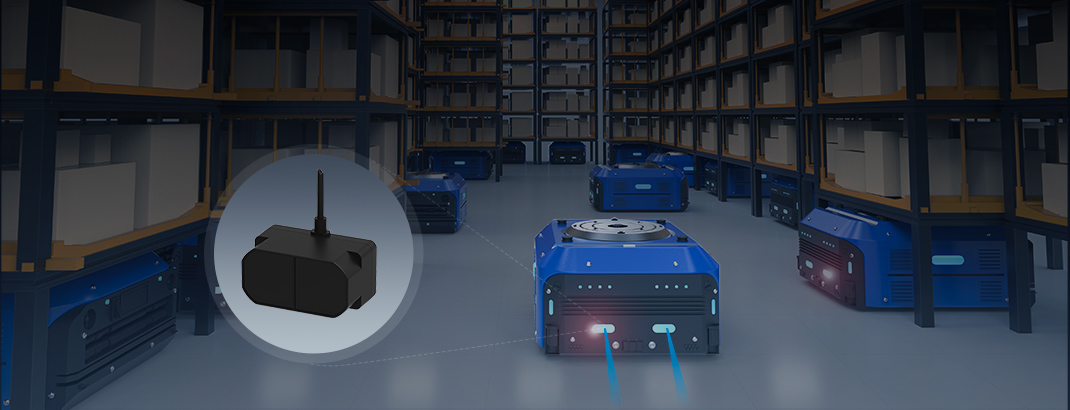
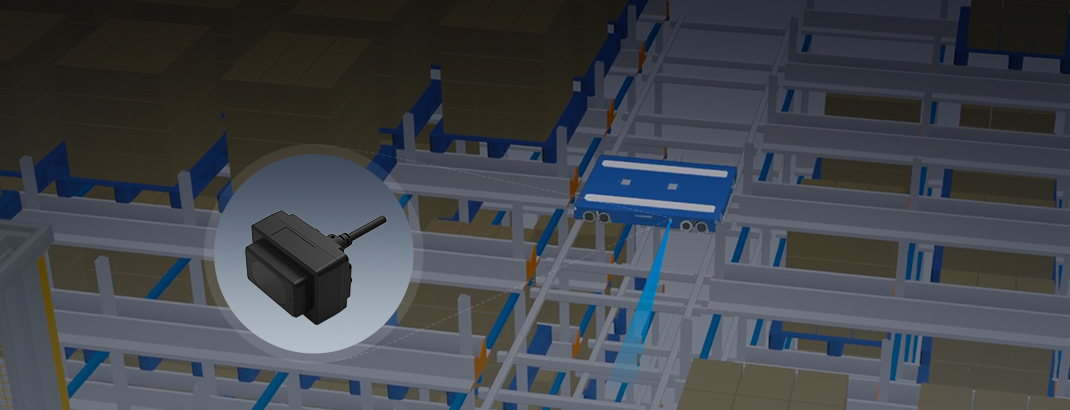
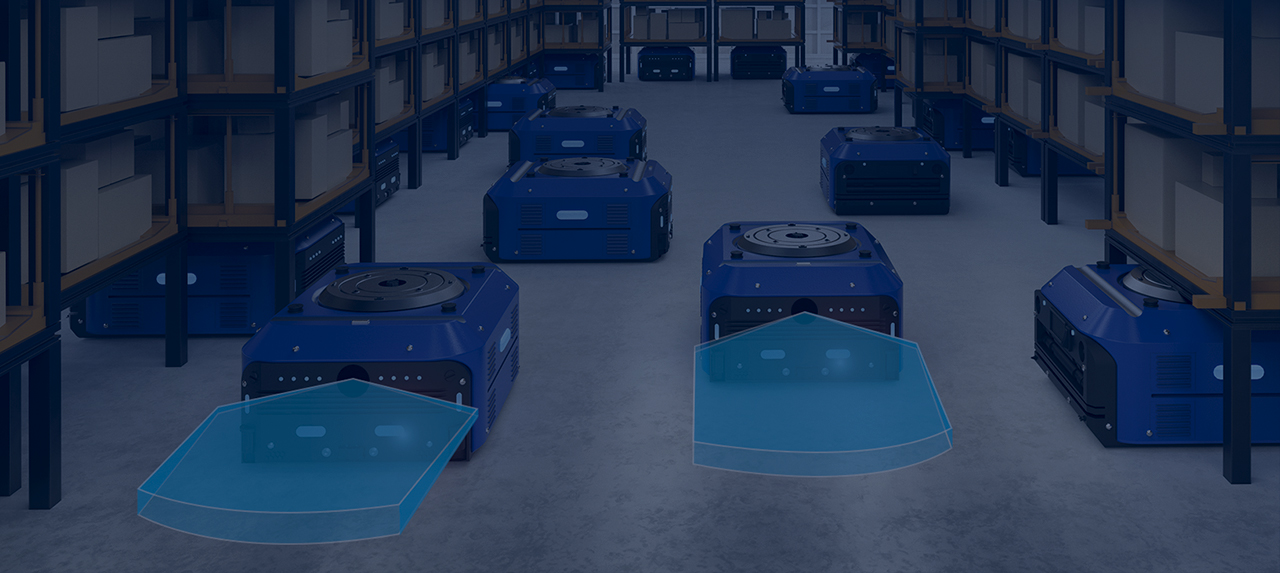
Beyond obstacle avoidance, lidar sensors provide valuable insights into environmental patterns, enabling autonomous robot systems to optimize routes and adapt to changing conditions. At Benewake, we have noticed that the combination of detailed sensing and adaptive navigation allows robots to maintain efficiency even in unpredictable settings. For example, in mining sites, robots can avoid debris and shifting terrain, while in warehouses, they can navigate crowded aisles without disrupting ongoing operations. These capabilities showcase how precise sensing directly contributes to operational safety and productivity.
Conclusion: A Continuous Journey of Improvement
In conclusion, effective obstacle detection relies on the seamless integration of lidar technology and intelligent processing. At Benewake, we strive to make autonomous robot systems that not only sense their environment but also respond intelligently, reliably, and proactively. By combining advanced proximity sensors with real-time decision-making, our robots can navigate complex spaces safely, demonstrating how modern automation enhances both efficiency and safety. The ongoing exploration of sensing, perception, and action continues to inspire us to develop smarter and more adaptable robotic solutions.