














Headquarters:3rd Floor, Haiguo Jiaye Sci-Tech Park, Haidian District, Beijing, China

We use cookies to enhance your browsing experience and serve personalized content.
Reject ALL
Accept ALL


2025-12-17
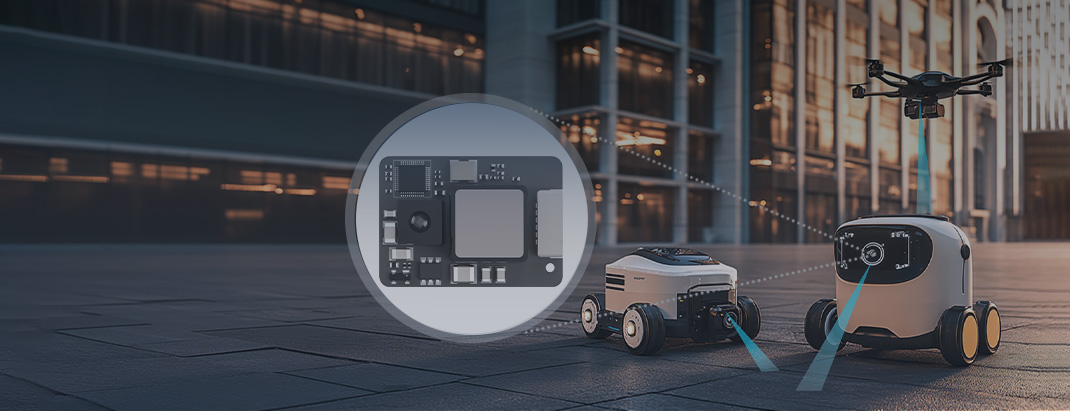
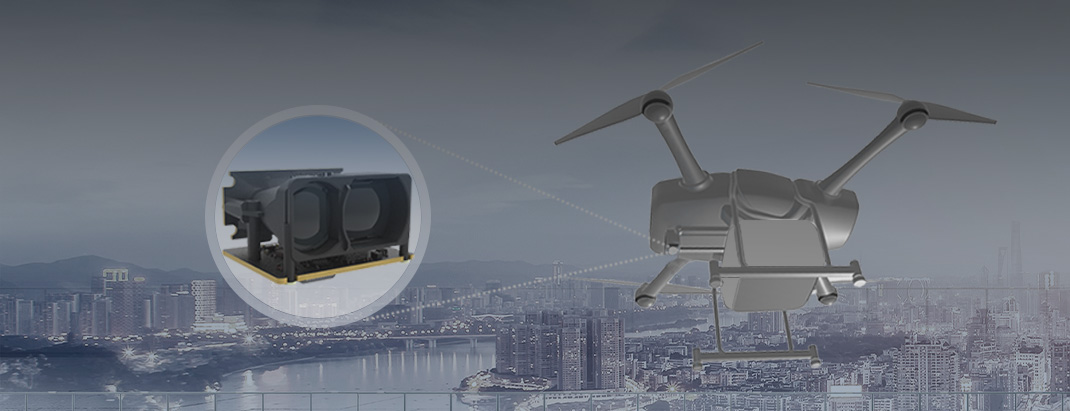
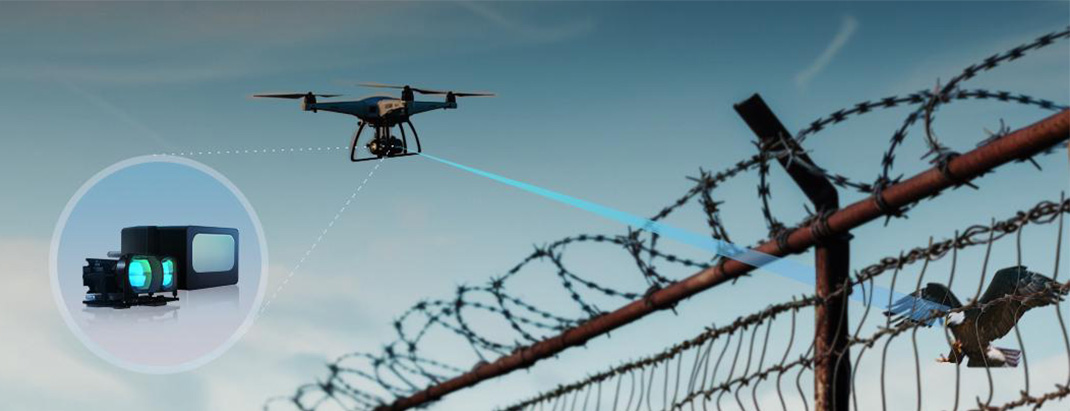
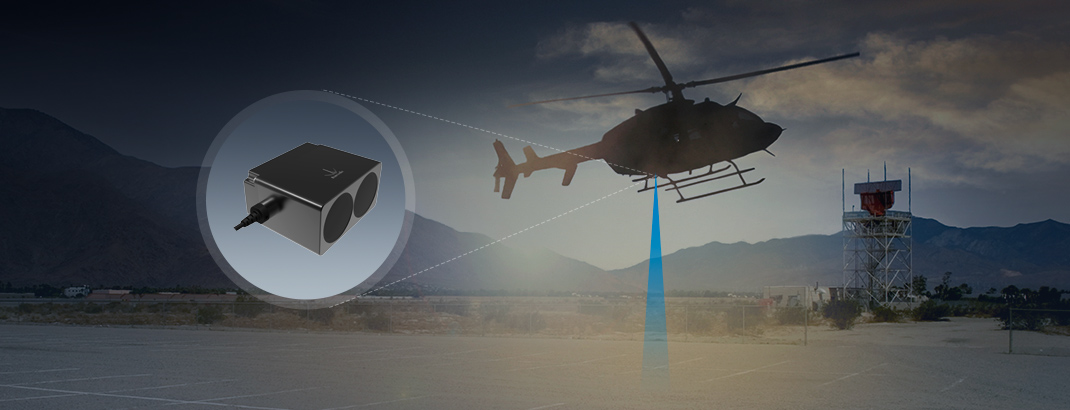
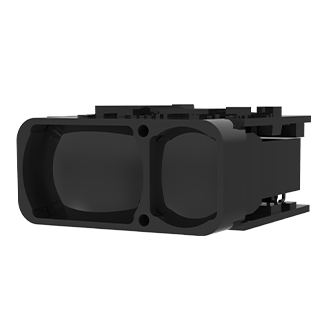
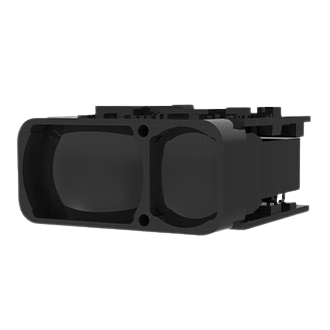
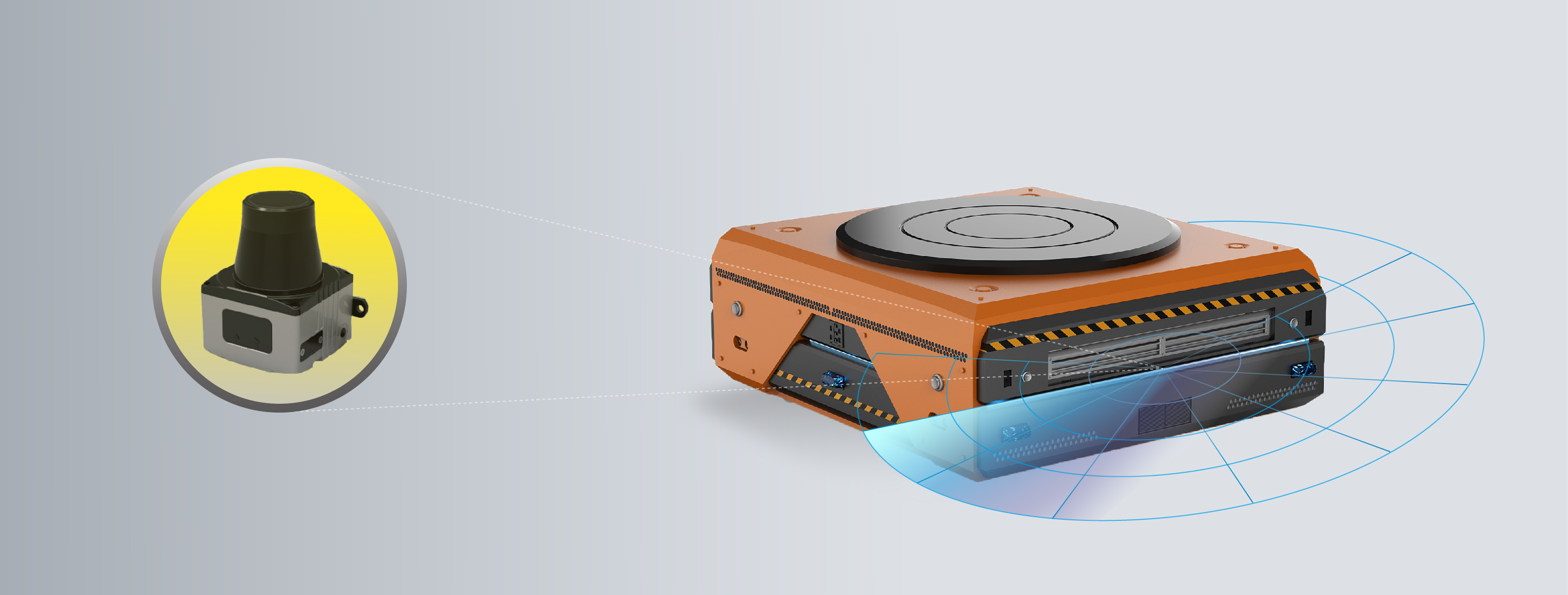
In today's industrial and infrastructure environments, ensuring safe navigation around complex areas has become increasingly critical. At Benewake, we continuously explore solutions that provide accurate and reliable detection capabilities for various operational scenarios. Multi-directional obstacle sensing has emerged as a vital technology for fixed installations and industrial vehicles, helping us gain a comprehensive understanding of spatial environments. By using advanced sensor for obstacle detection systems, we can monitor multiple directions simultaneously, which significantly improves the safety, efficiency, and situational awareness of operations in challenging environments such as ports, warehouses, bridges, and mining sites.
Enhancing Safety with Comprehensive Coverage
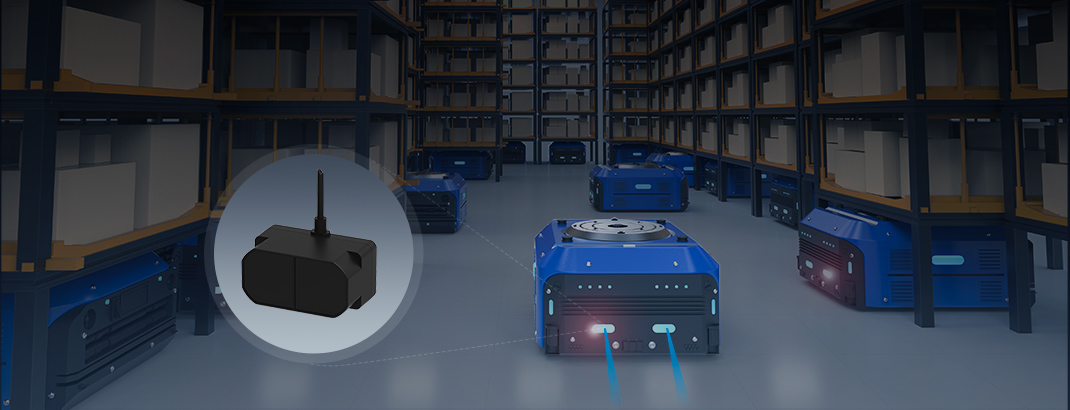
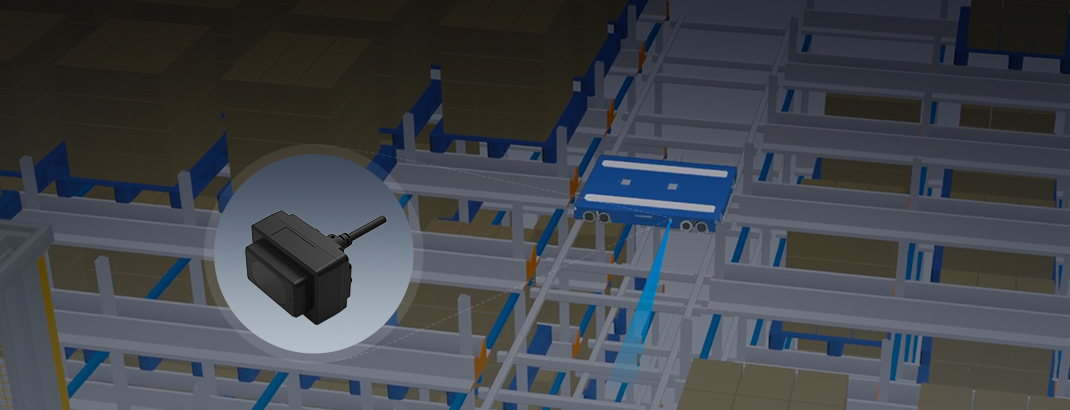
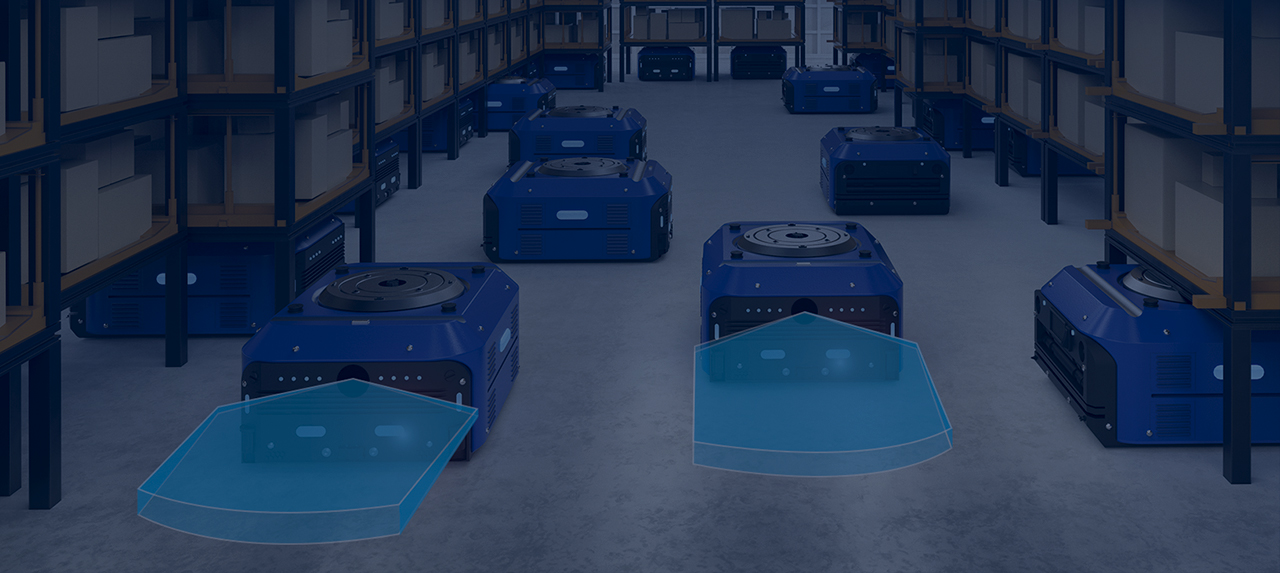
One of the main advantages of multi-directional obstacle sensing is its ability to cover a wide area without blind spots. Traditional sensors often detect obstacles only in a single line of sight, which can leave critical gaps in detection. With the integration of sensors for obstacle detection, we can capture data from all surrounding directions, providing full spatial awareness. This capability is especially important in applications such as industrial mining trucks, automated material handling systems, and structural monitoring, where precise detection of surrounding objects is essential to prevent collisions and ensure smooth operations. By combining multiple sensing angles and detection layers, we ensure that even unexpected obstacles or changes in the environment are recognized in real time, allowing immediate responses to potential hazards and minimizing operational risks.
Flexible Applications Across Industries
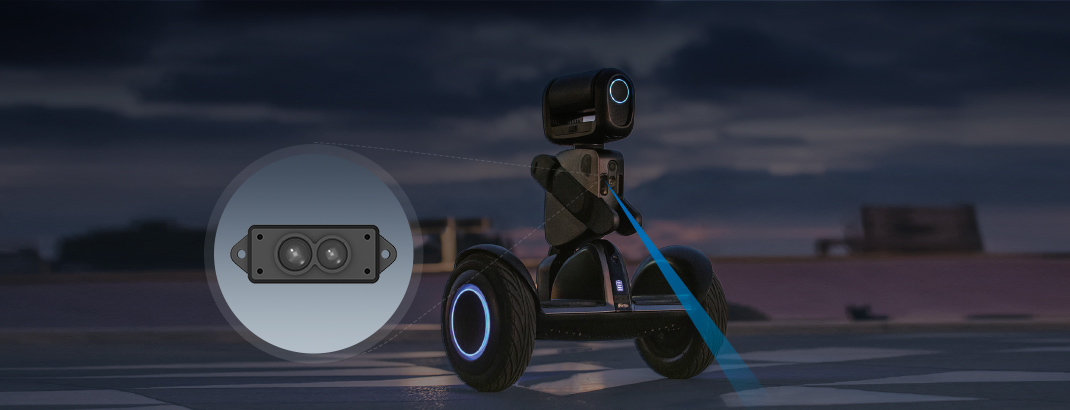
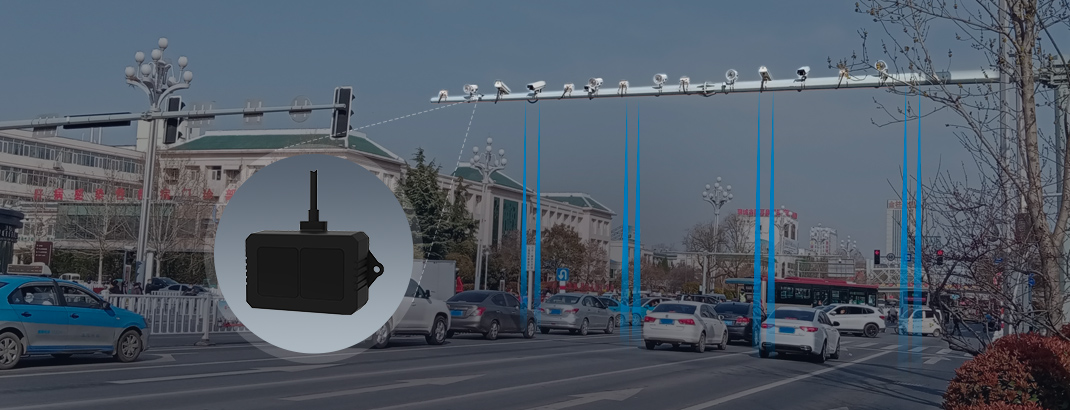
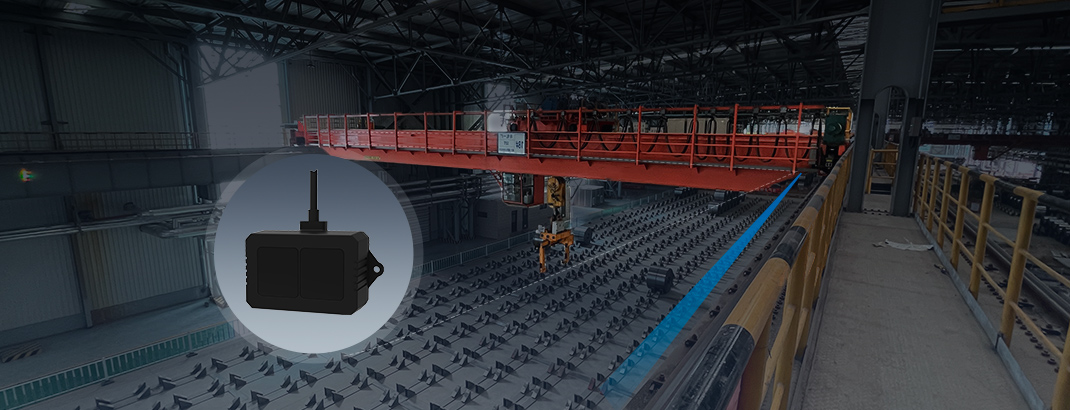
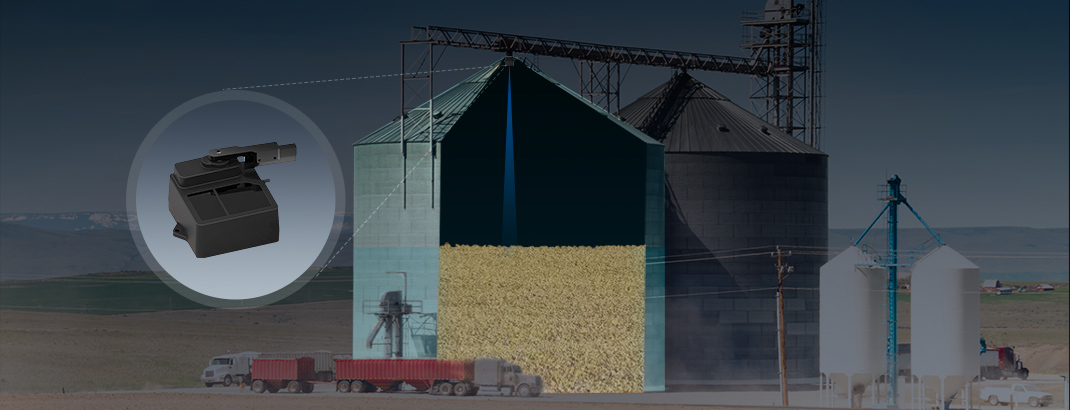
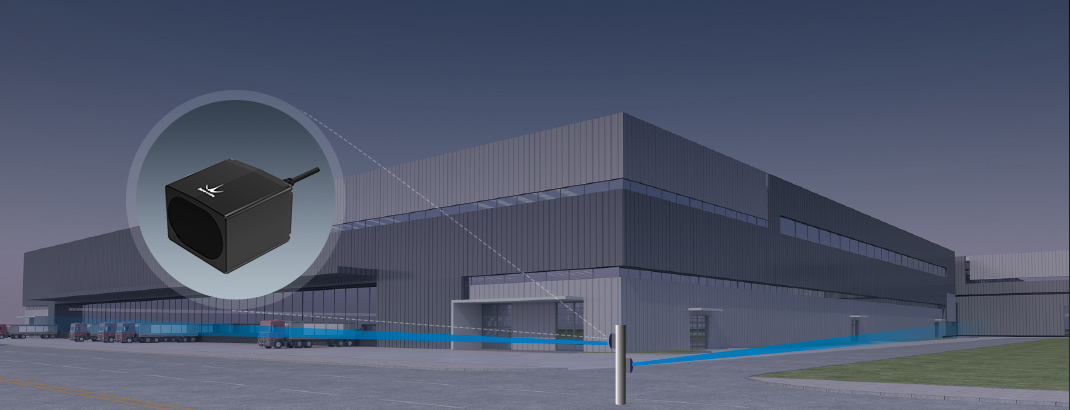
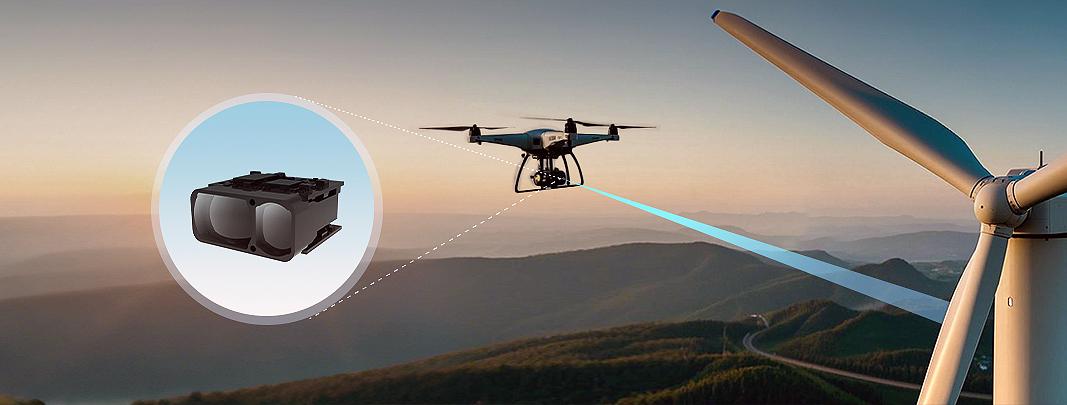
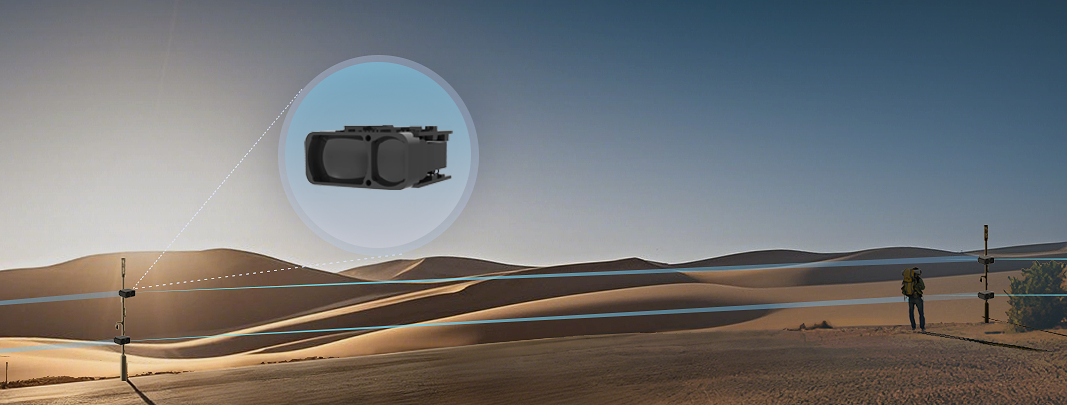
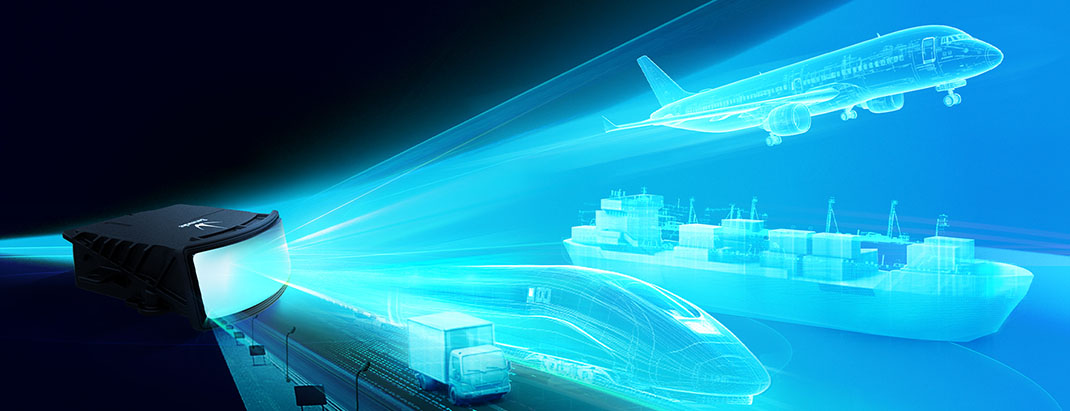
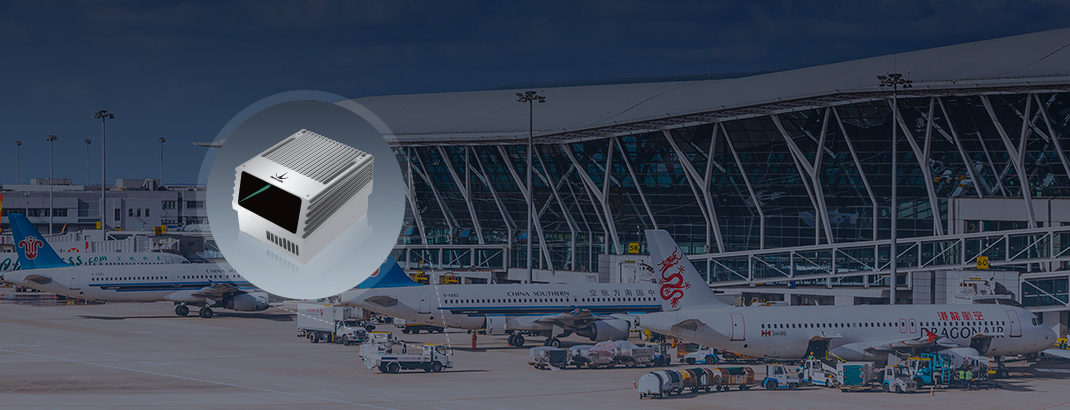
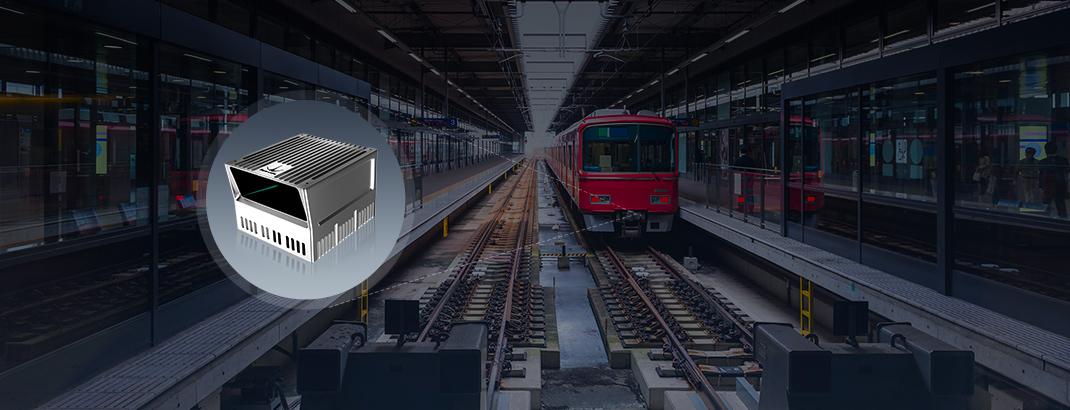
At Benewake, we understand that multi-directional sensing is not limited to a single type of environment. Fixed installations around bridges, docks, ports, and railways benefit greatly from this technology because it can continuously monitor critical areas without requiring constant human supervision. Industrial vehicles equipped with autonomous or semi-autonomous navigation systems, such as mining trucks, can also leverage sensors for obstacle detection solutions to maintain safety while performing complex maneuvers in confined or hazardous spaces. The versatility of these sensors allows us to adapt them to a variety of operational requirements, whether it is monitoring structural elements, guiding vehicles, or ensuring safe material transport. This adaptability demonstrates how multi-directional sensing supports both stationary and mobile applications within industrial ecosystems.
Conclusion
Multi-directional obstacle sensing represents a meaningful step forward in creating safer, more reliable, and more efficient industrial environments. At Benewake, we are committed to developing sensors for obstacle detection technologies that combine precision, stability, and ease of deployment. By understanding the surrounding environment in multiple directions, our solutions support safer operations, reduce the risk of collisions, and improve workflow efficiency. We continue to focus on providing products that meet rigorous operational demands, ensuring that every installation benefits from accurate, dependable, and adaptable sensing capabilities, ultimately enhancing safety and productivity across various industries.