

















Headquarters:3rd Floor, Haiguo Jiaye Sci-Tech Park, Haidian District, Beijing, China

We use cookies to enhance your browsing experience and serve personalized content.
Reject ALL
Accept ALL


2025-12-17
As we continue to innovate in the field of LiDAR technology, we at Benewake understand that every design decision comes with a balance. For engineers and integrators choosing a miniature lidar sensor, the trade-offs between size, weight, and power are fundamental. Each factor can directly influence performance, range, and system integration—especially in compact or power-constrained applications.
The Importance of Miniaturization
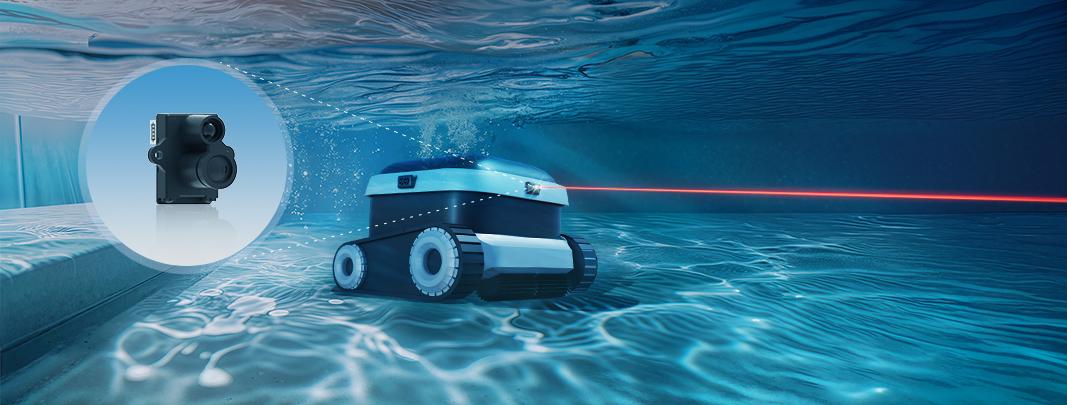
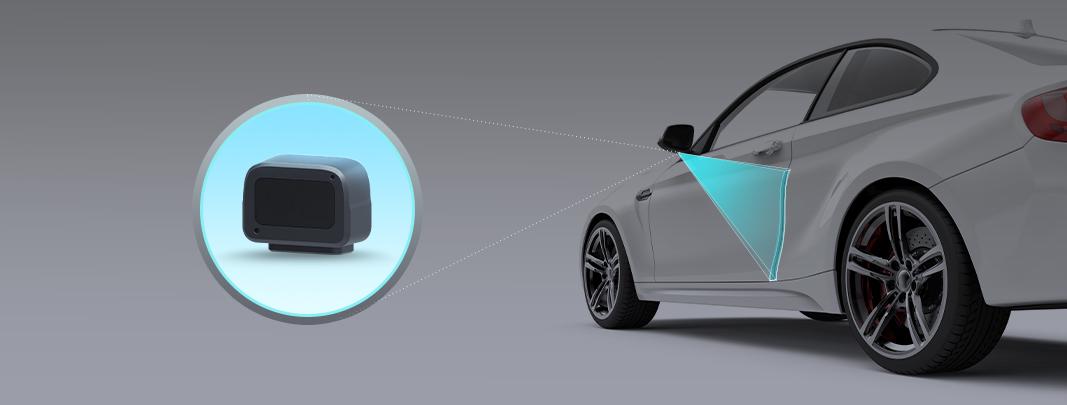
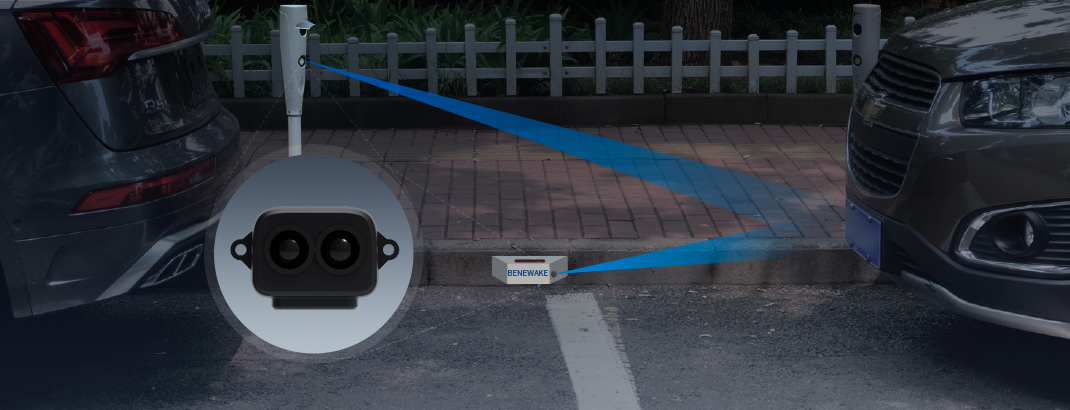
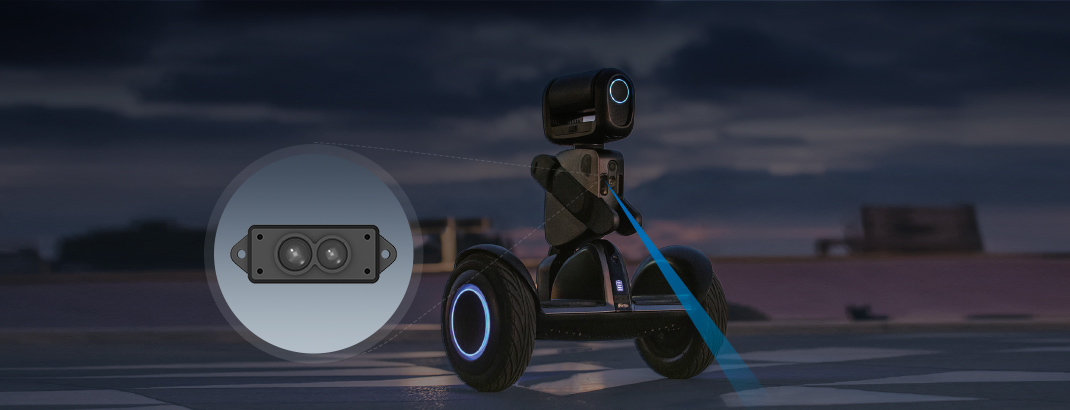
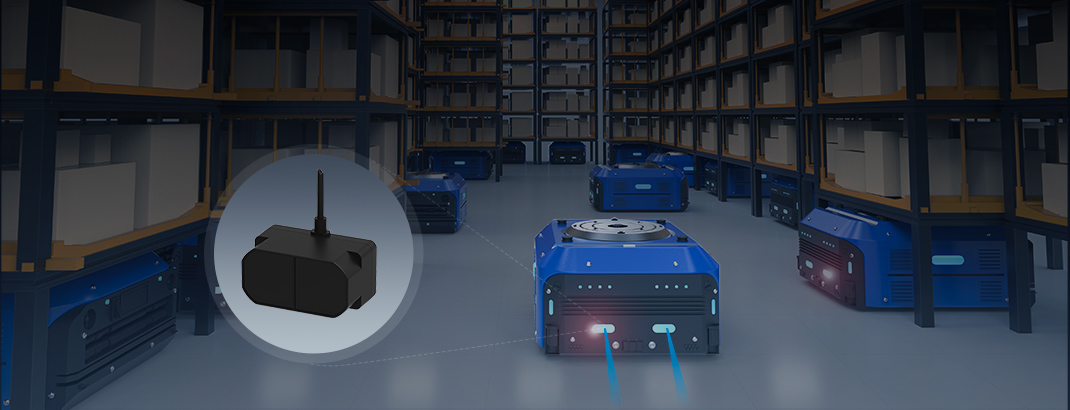
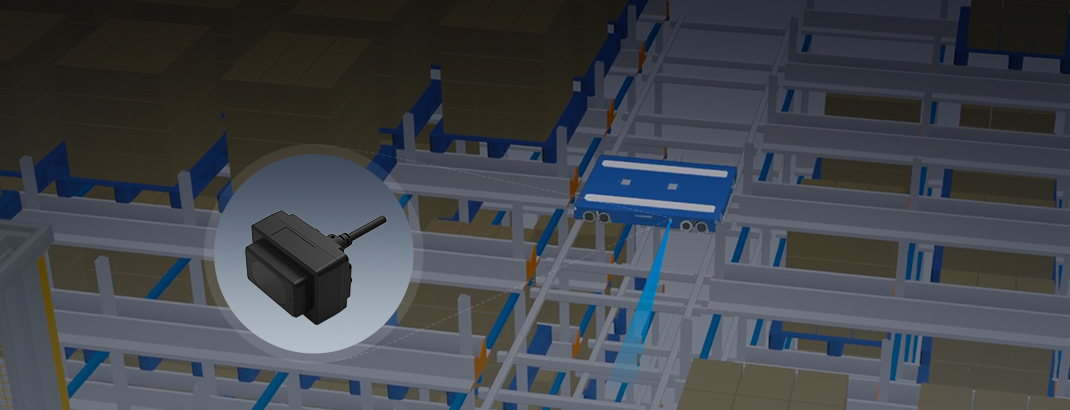
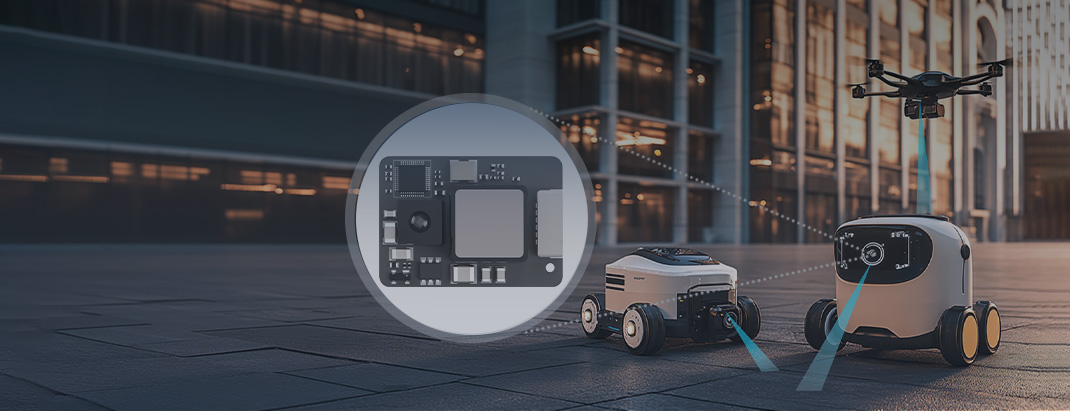
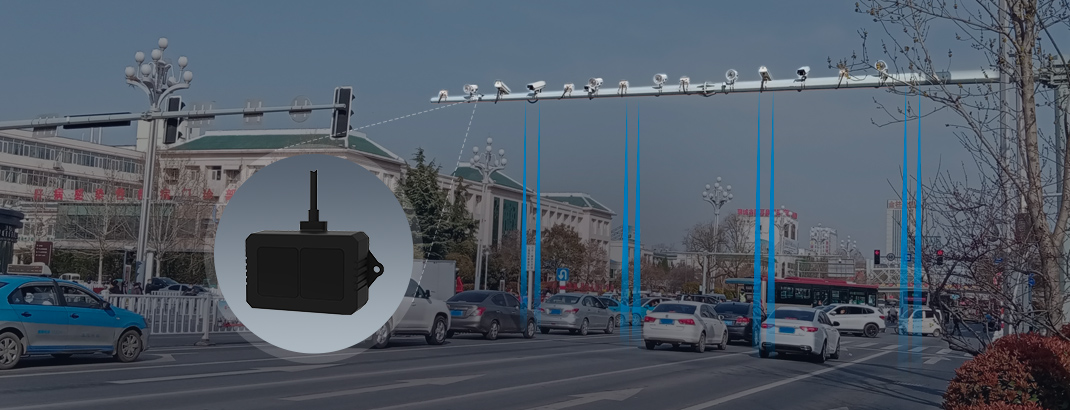
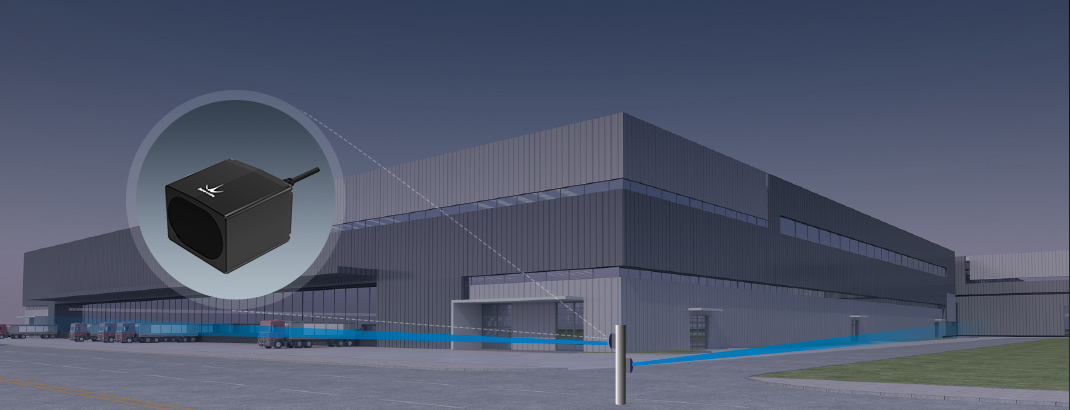
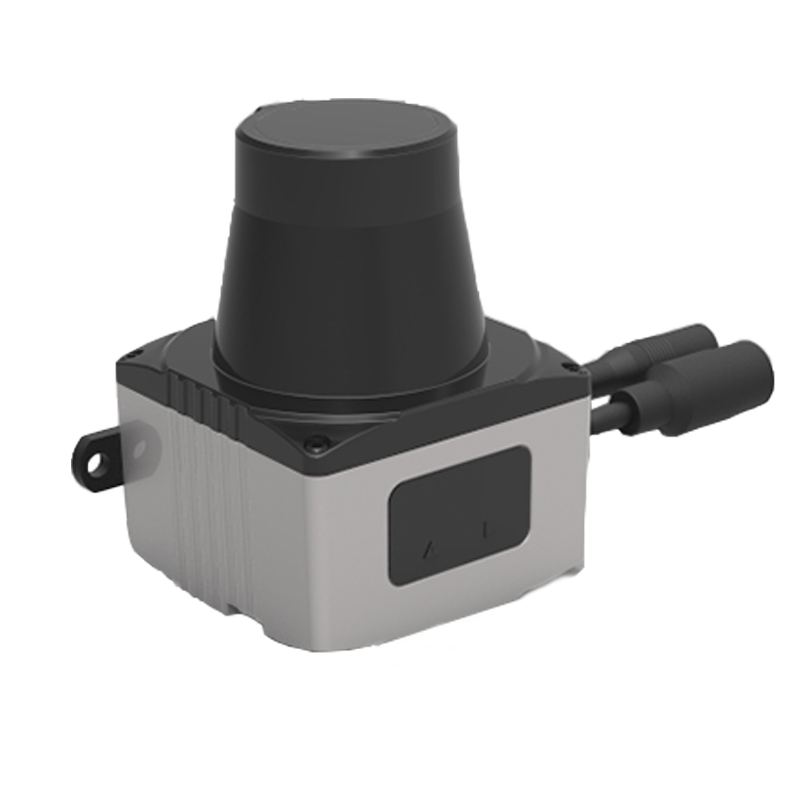
Miniaturization has redefined how sensing systems are integrated into vehicles, robots, and industrial monitoring solutions. When developing a miniature lidar sensor, we focus on reducing physical dimensions without compromising data accuracy or detection range. Compact form factors allow easier integration into narrow spaces such as robotic arms, traffic monitoring stations, or smart logistics systems. However, reducing size can also limit the available optical components or heat dissipation capacity, which must be carefully managed through structural design and material optimization.
Balancing Weight and Stability
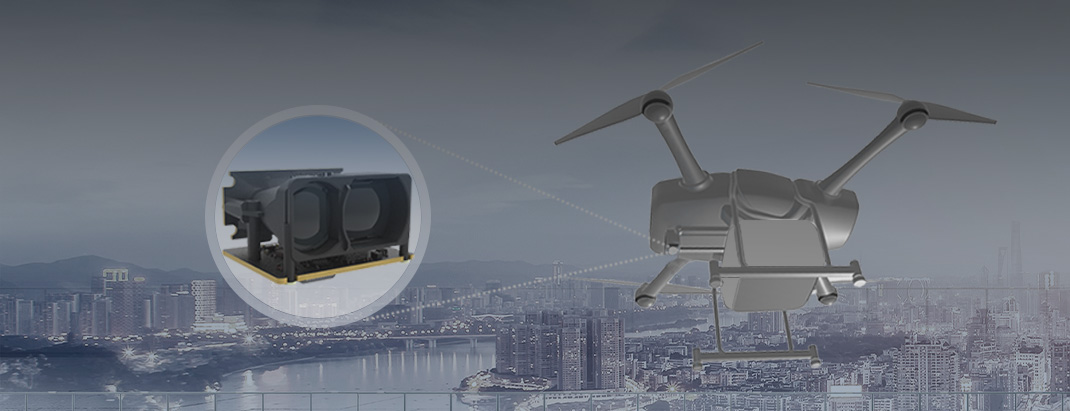
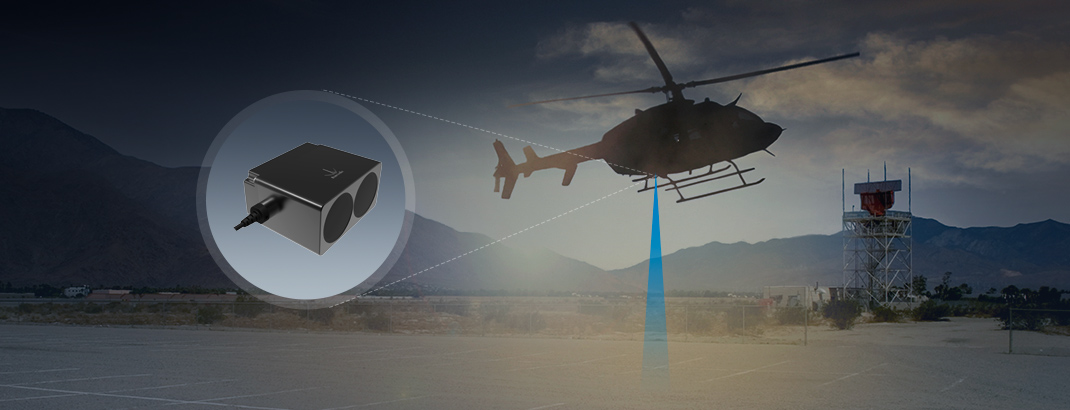
Weight is another critical consideration in LiDAR development. A miniature lidar sensor that is too heavy may limit the flexibility of installation, especially in mobile platforms or elevated fixed structures. At Benewake, our engineering team continuously explores lightweight materials and mechanical designs that maintain structural rigidity while reducing mass. This approach ensures that each sensor achieves consistent scanning accuracy even under vibration or long-term operation in challenging environments. Lighter devices also reduce mounting complexity and make maintenance more efficient.
Power Efficiency and Performance Trade-offs
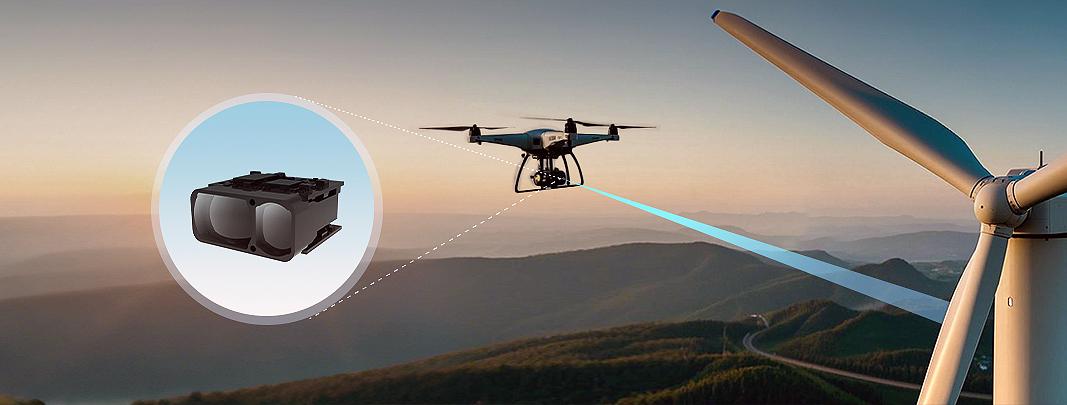
Power consumption is closely linked to sensor performance. A high-power laser may extend detection range, but it can also generate more heat and require larger power supplies. When designing our miniature lidar sensor, we carefully optimize the balance between detection distance, refresh rate, and energy efficiency. Through advanced circuit integration and smart signal processing, Benewake sensors maintain strong performance while minimizing power draw. This balance is particularly valuable in fixed industrial monitoring setups or battery-powered devices, where every watt counts.
Innovation through Practical Engineering
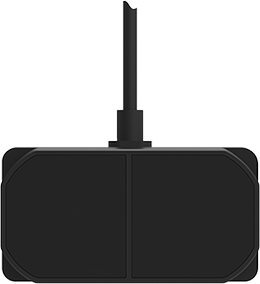
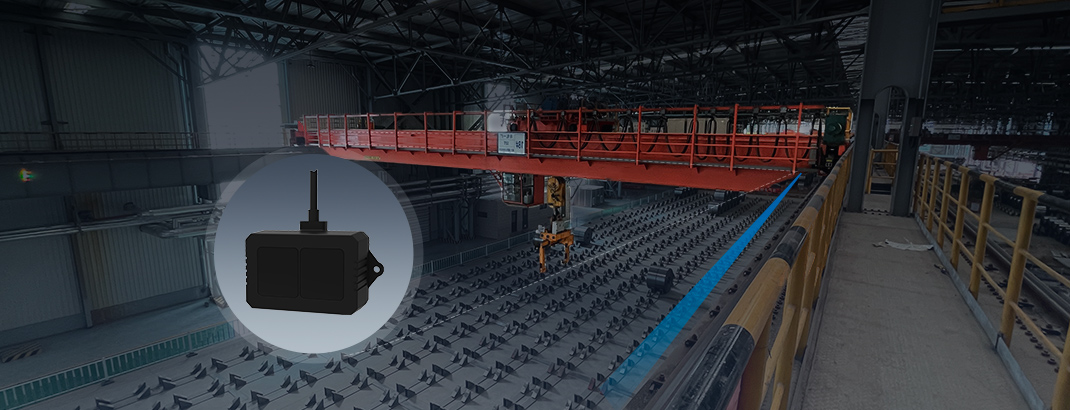
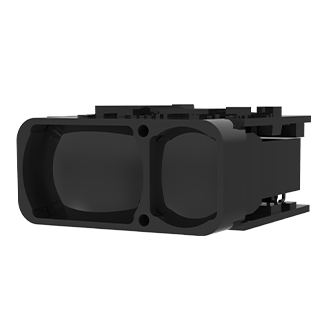
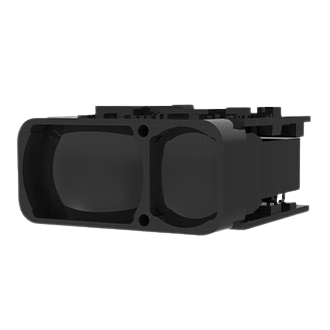
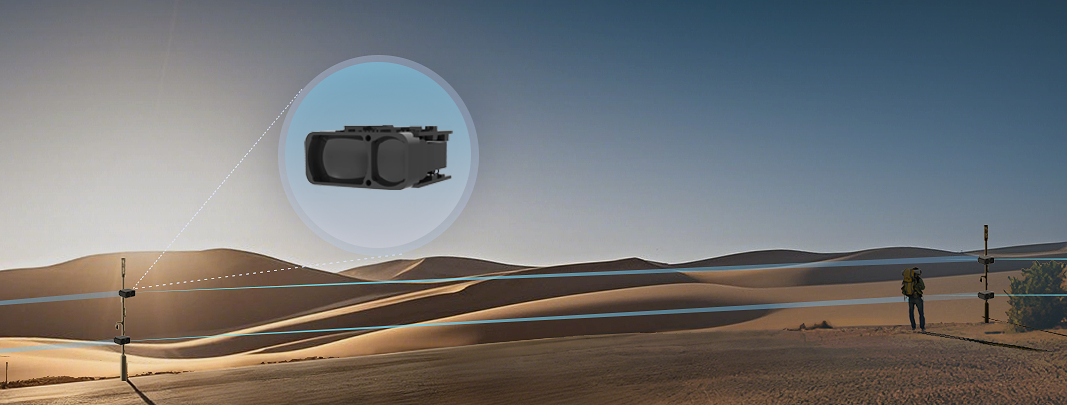
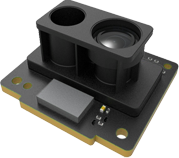
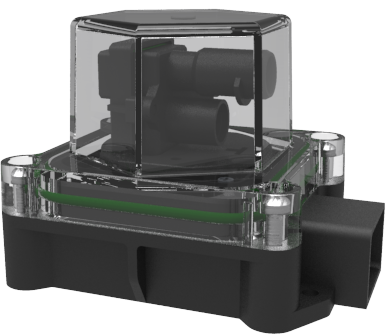
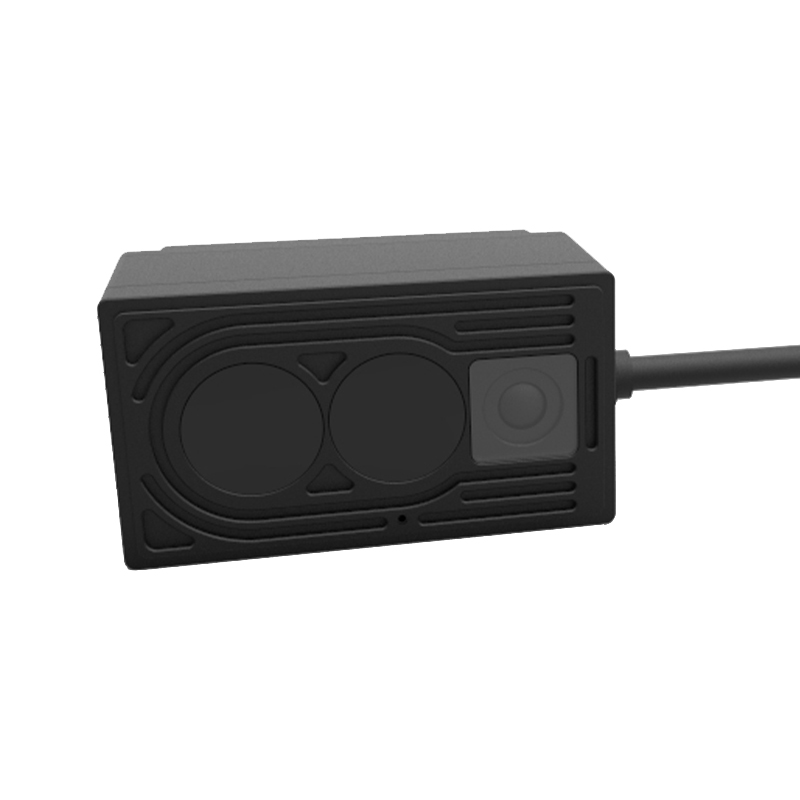
Every engineering trade-off is an opportunity to innovate. By analyzing how size, weight, and power interact, we create LiDAR products that meet real-world needs rather than theoretical ideals. Our miniature lidar sensor designs, such as the TFS20L, demonstrate this balance by providing high-precision ranging capabilities in a compact and efficient form. This sensor is ideal for applications like level detection, proximity measurement, and safety monitoring—areas where reliable performance in limited spaces is essential.
Conclusion
In LiDAR system design, perfection lies in optimization, not excess. We at Benewake continue to refine our engineering approach to achieve the best balance of size, weight, and power efficiency. Our miniature lidar sensor solutions represent years of focused research, ensuring that each device delivers stability, accuracy, and reliability in demanding industrial and environmental conditions. To explore our latest innovations, we invite partners and engineers to learn more about how Benewake transforms LiDAR technology into practical, scalable solutions for the future.