























Headquarters:3rd Floor, Haiguo Jiaye Sci-Tech Park, Haidian District, Beijing, China

We use cookies to enhance your browsing experience and serve personalized content.
Reject ALL
Accept ALL


2025-12-26
As we continue to advance in the field of laser sensing, we at Benewake are committed to developing technologies that redefine how distance and perception are measured. One of the most significant breakthroughs in recent years is dToF distance measurement, a method that has become the foundation of many modern LiDAR systems. But what exactly does dToF mean, and why is it such a critical part of our micro lidar module design?
Understanding the Principle of dToF
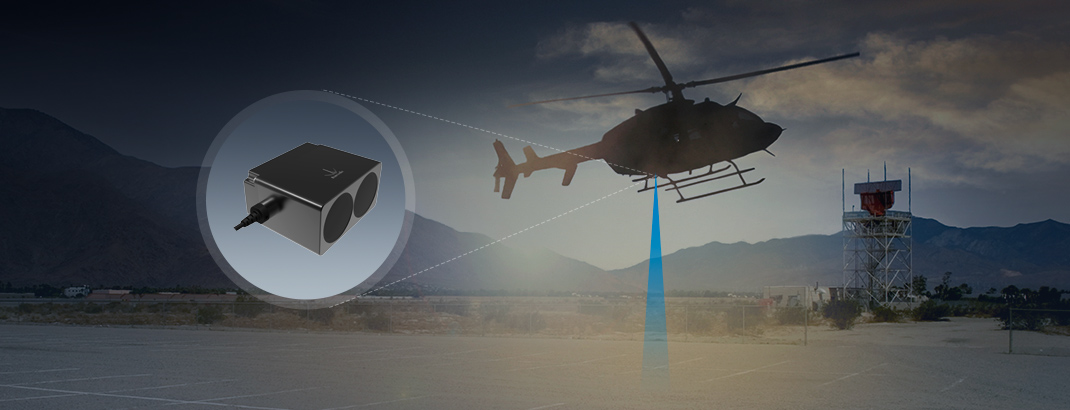
The term dToF distance measurement refers to “direct Time-of-Flight,” a principle that calculates the distance to an object based on the time it takes for a laser pulse to travel to the target and reflect back to the sensor. Unlike indirect methods that estimate distance using light intensity or phase shift, dToF measures time directly, which means it provides more stable and reliable data across different lighting and surface conditions. This makes it ideal for applications that require consistent precision, such as industrial automation, traffic safety, and structural monitoring.
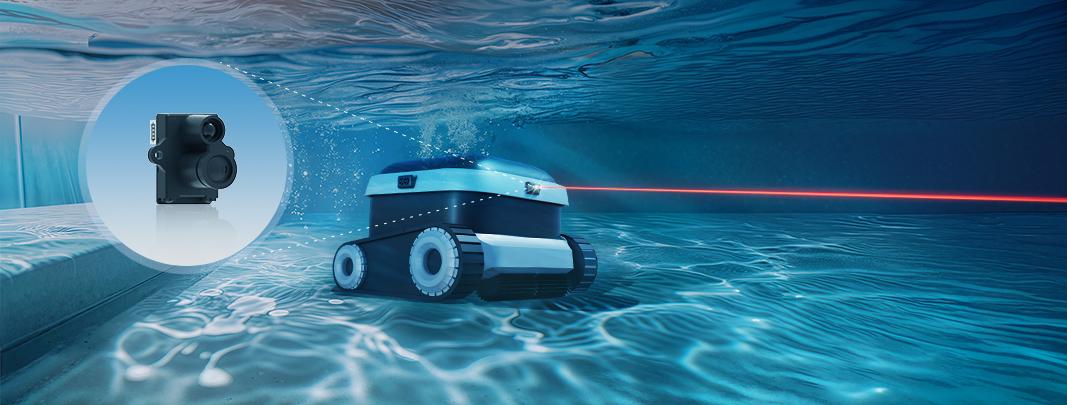
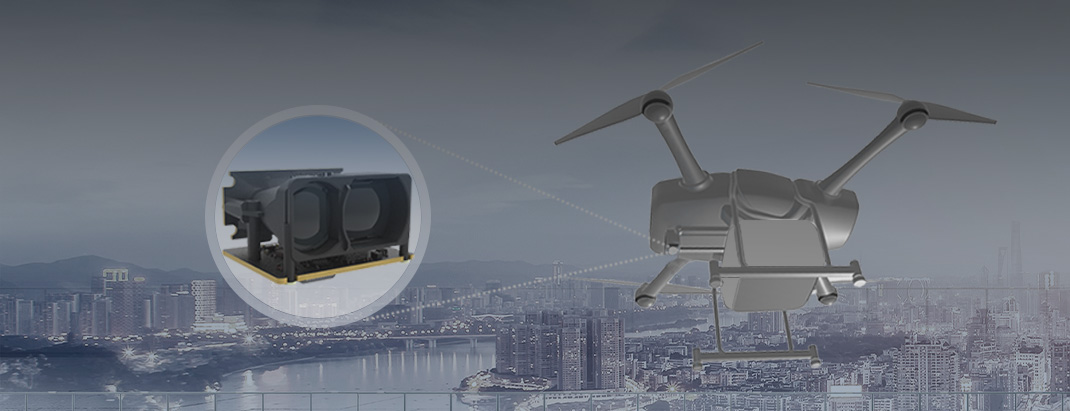
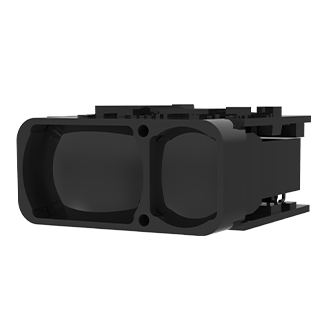
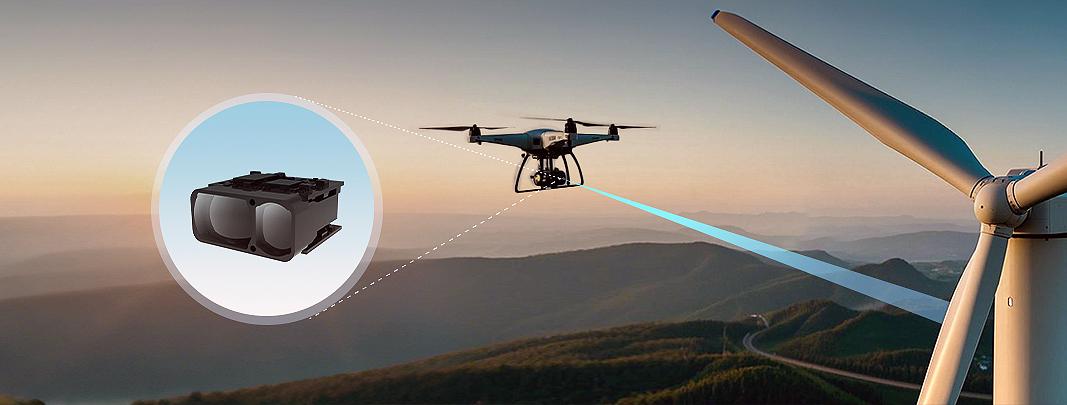
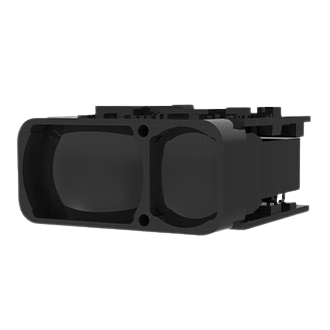
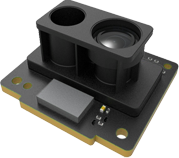
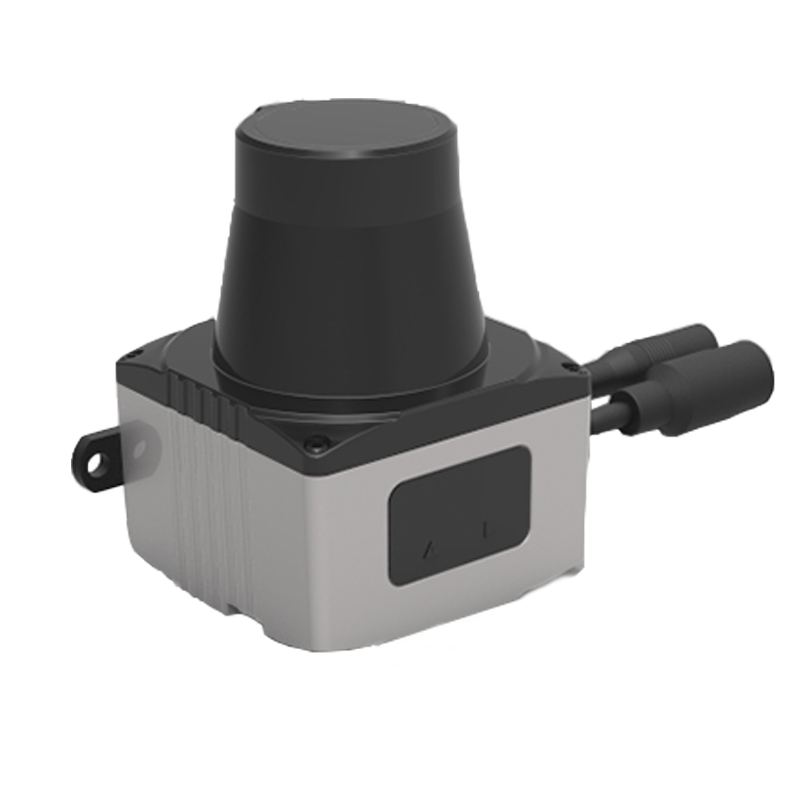
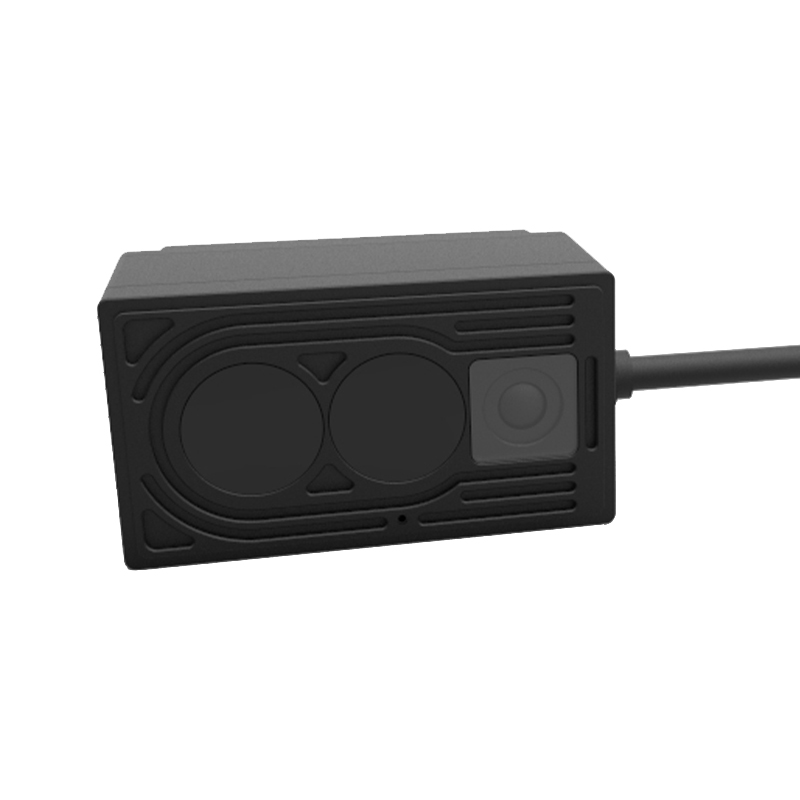
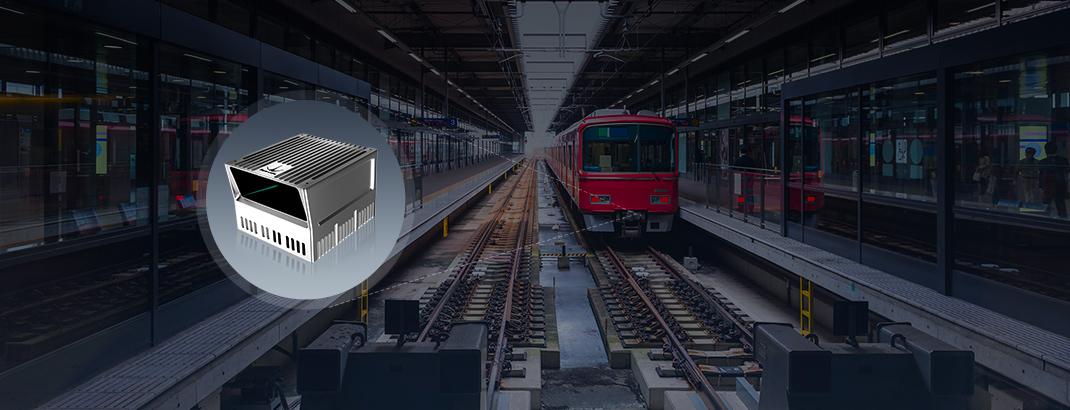
At Benewake, we have spent years refining this principle into compact, highly efficient sensors that deliver accurate measurements even in challenging outdoor environments. Our micro lidar module integrates dToF technology into a miniaturized, energy-efficient system, making it easier to embed in space-constrained or portable devices without compromising measurement quality.
Advantages of Using dToF in LiDAR Systems
One of the most important advantages of dToF distance measurement lies in its scalability. The technology can be adapted for both long-range and short-range applications, depending on the optics and detection algorithms. For instance, our micro lidar module uses optimized optics and signal processing to achieve high-speed detection while maintaining low power consumption. Compared with traditional sensors, dToF systems are less affected by environmental light interference and surface reflectivity differences, ensuring more reliable data collection.
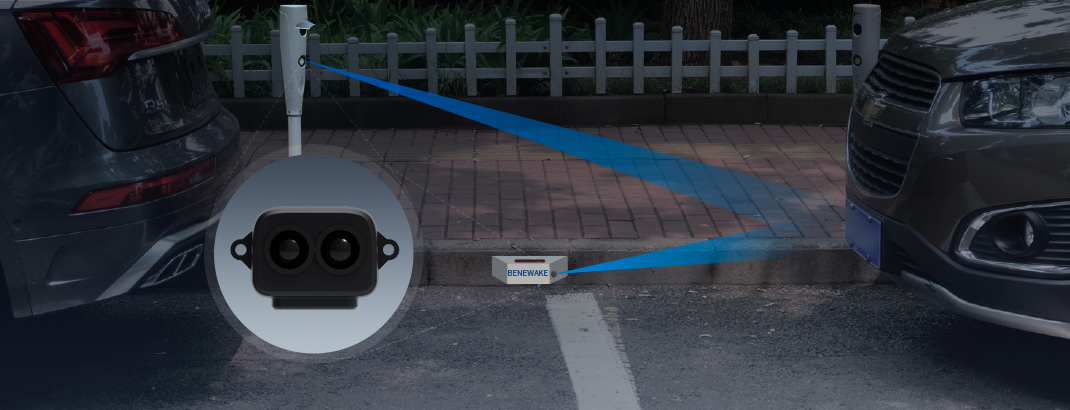
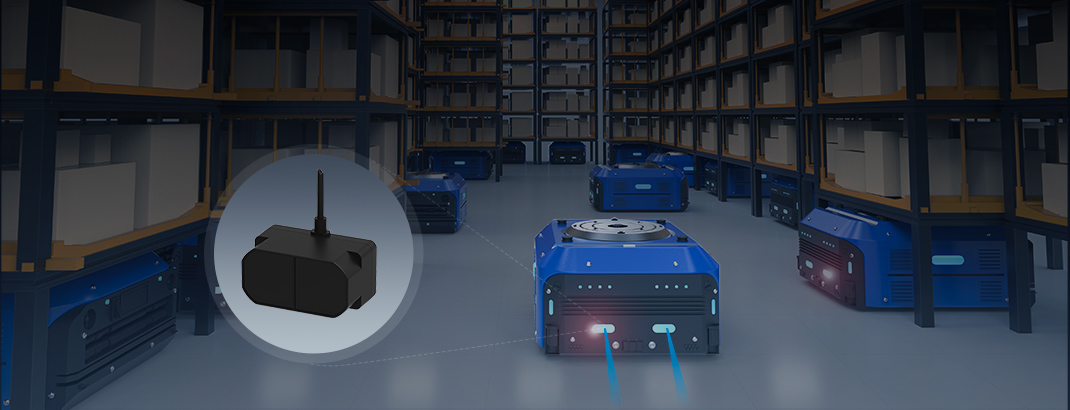
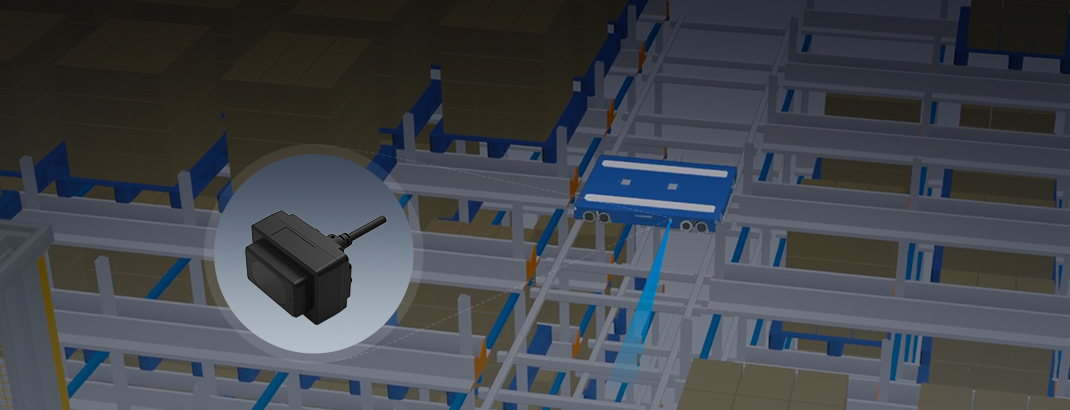
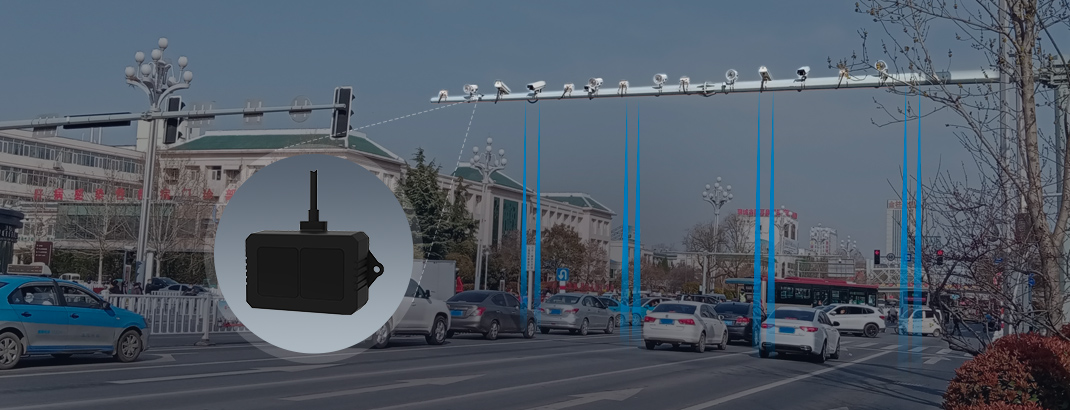
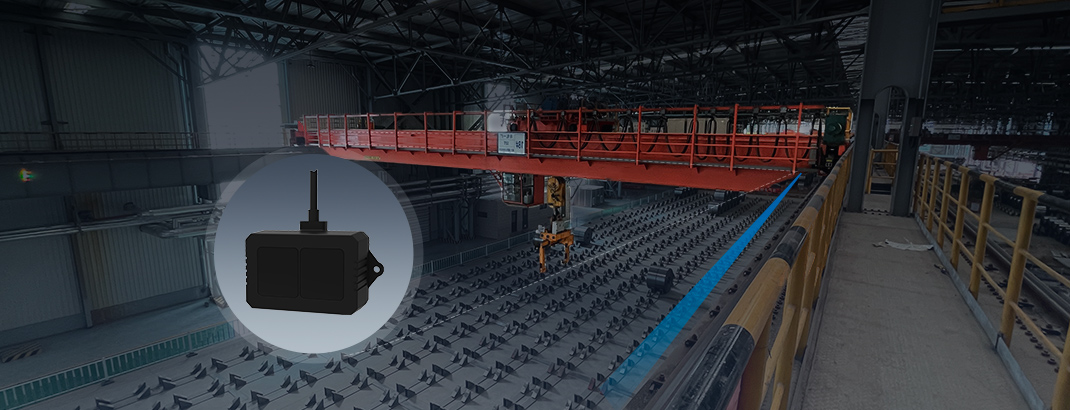
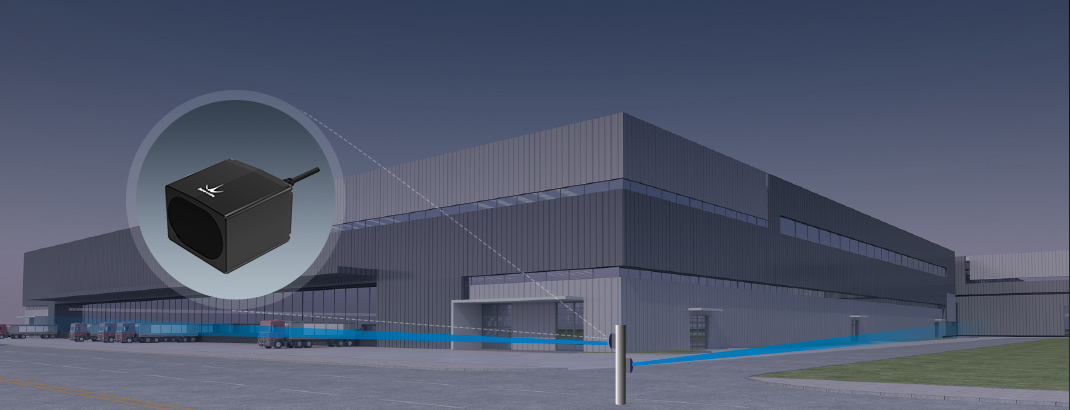
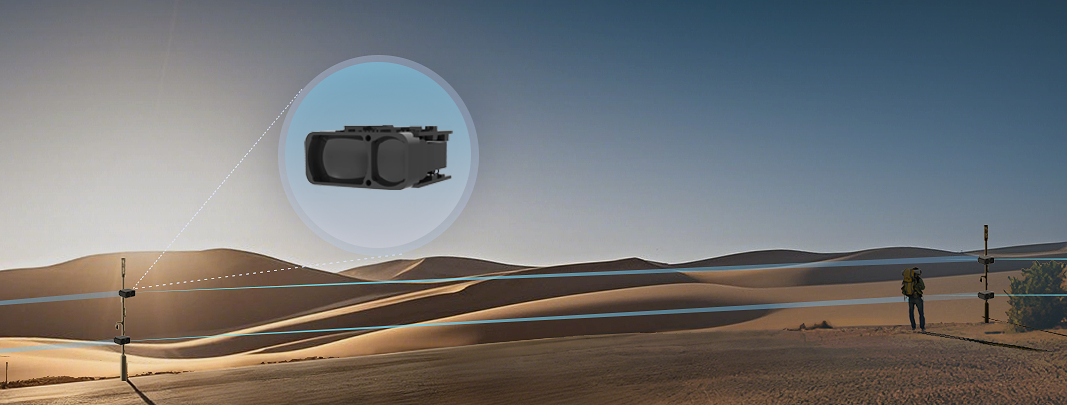
These characteristics make dToF ideal for industries such as smart logistics, infrastructure monitoring, and industrial automation. Since it relies purely on time-based measurement, the system can accurately detect obstacles, measure displacement, or monitor object proximity, even under changing ambient conditions. This high precision is one reason Benewake continues to develop dToF-based solutions across multiple fixed-installation scenarios.
Conclusion
As LiDAR technology continues to evolve, we believe that dToF distance measurement will remain the cornerstone of accurate sensing. Through ongoing research, engineering optimization, and real-world application testing, Benewake is shaping the next generation of LiDAR modules that deliver precise and stable measurement capabilities in compact designs. Our micro lidar module represents our commitment to providing intelligent, adaptable sensing solutions that empower industries to see and understand their environments with greater clarity and confidence.