














Headquarters:3rd Floor, Haiguo Jiaye Sci-Tech Park, Haidian District, Beijing, China

We use cookies to enhance your browsing experience and serve personalized content.
Reject ALL
Accept ALL


2025-12-26
As a global provider of LiDAR solutions, Benewake has been continuously optimizing how we design and refine our signal processing technology. A lidar 3D scanner does more than just capture spatial data—it transforms precise light measurements into real-time environmental awareness. Understanding how 3D LiDAR processes signals allows industries such as railway safety, infrastructure monitoring, and logistics to make data-driven decisions efficiently and safely.
Understanding the Principle of 3D LiDAR Signal Processing
In its core function, a lidar 3D scanner emits laser pulses that bounce off surrounding objects and return to the sensor. The time it takes for the light to return is then converted into distance information. At Benewake, we’ve developed advanced algorithms that ensure this process is not only fast but also highly accurate, even in challenging environments like tunnels or construction zones. By optimizing the reflection analysis and filtering out signal noise, we enable consistent detection of objects, surfaces, and potential hazards in various industrial scenarios.
Application of AD2-S-X3 in Real-World Scenarios
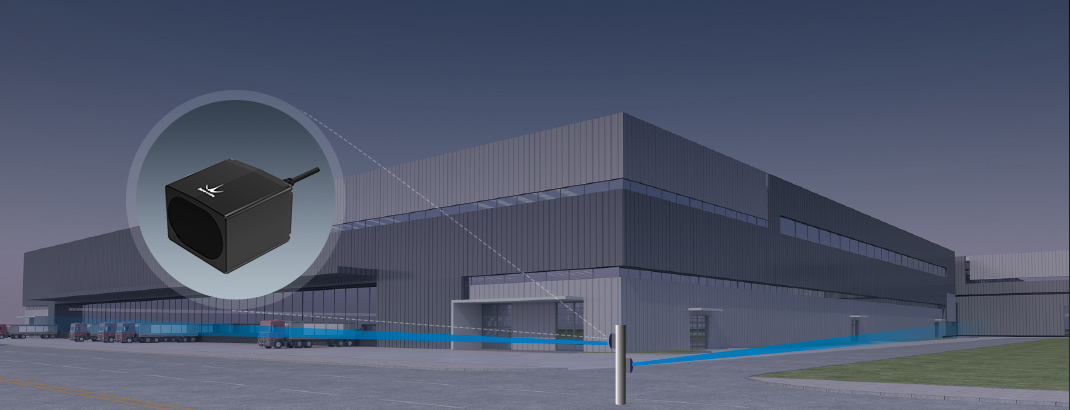
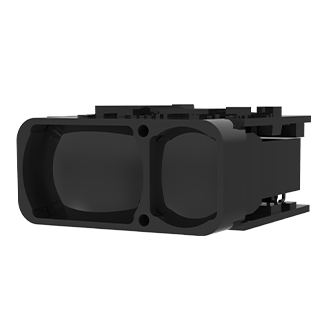
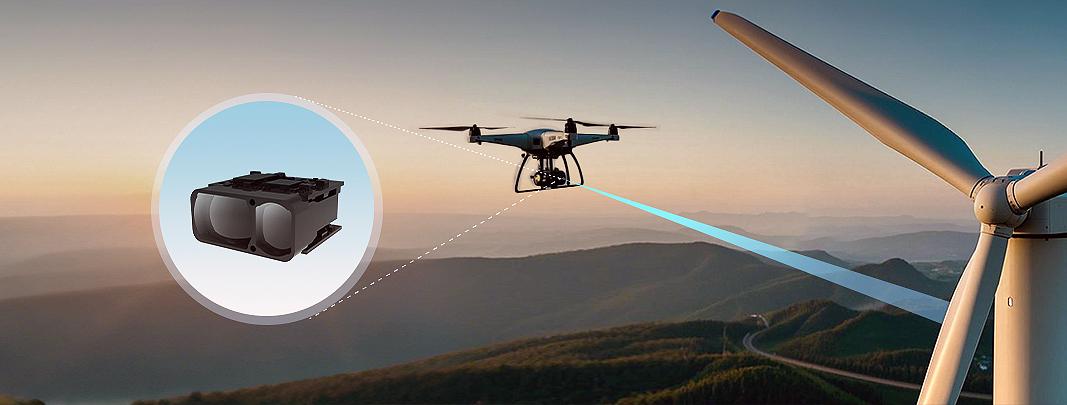
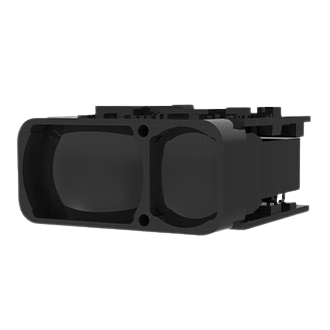
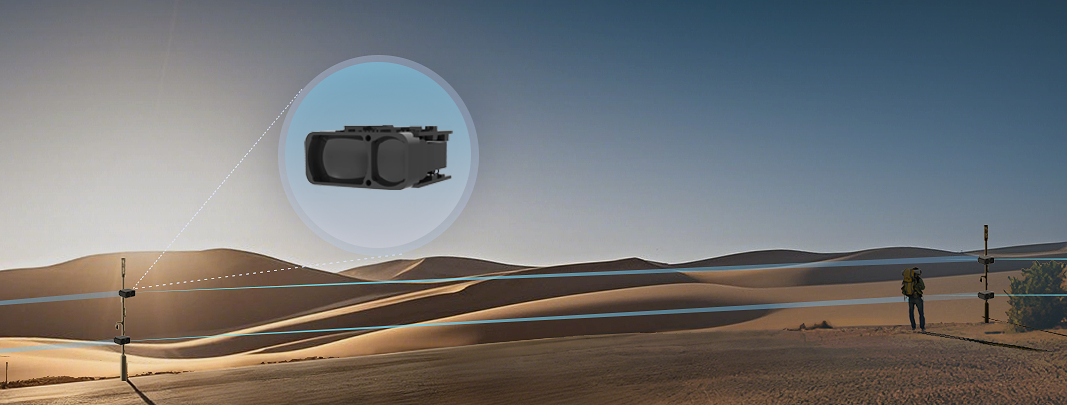
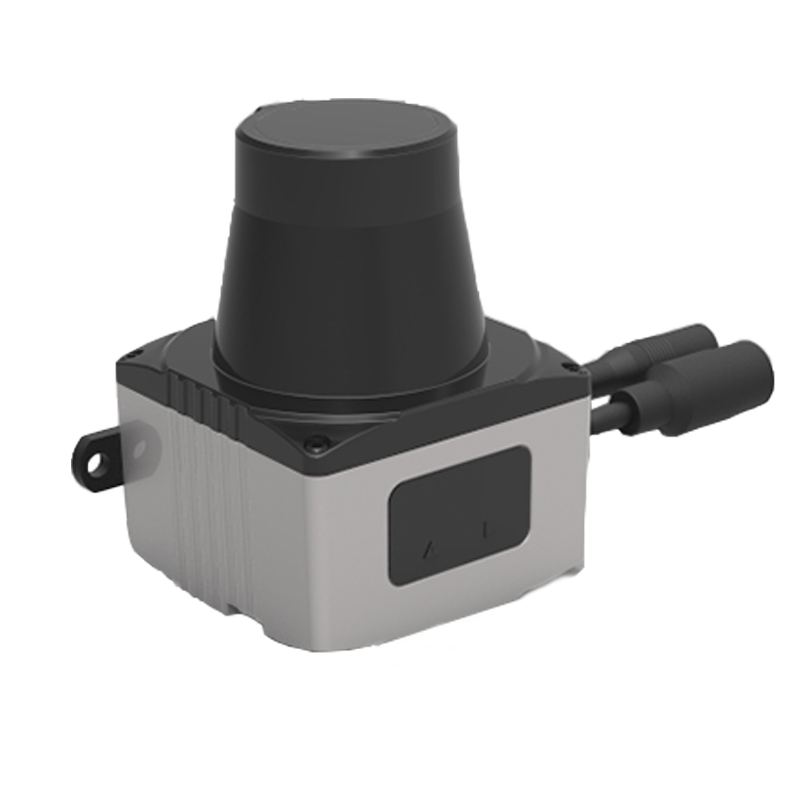
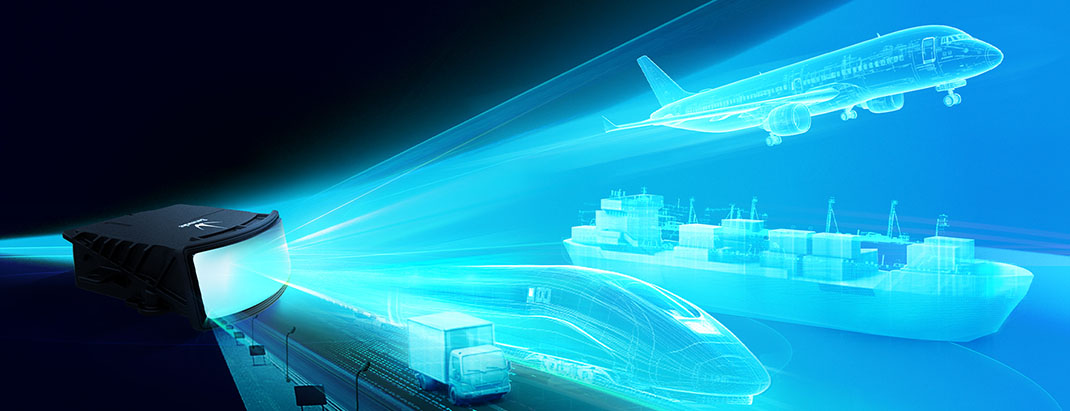
Our AD2-S-X3 model represents a major step forward in intelligent perception. Instead of being used for automotive self-driving or drone systems, this lidar 3D scanner is engineered for fixed or semi-fixed applications such as train collision avoidance, bridge collision detection, berth guidance, and landslide monitoring. In each of these cases, the accuracy of signal processing determines the reliability of the overall system.
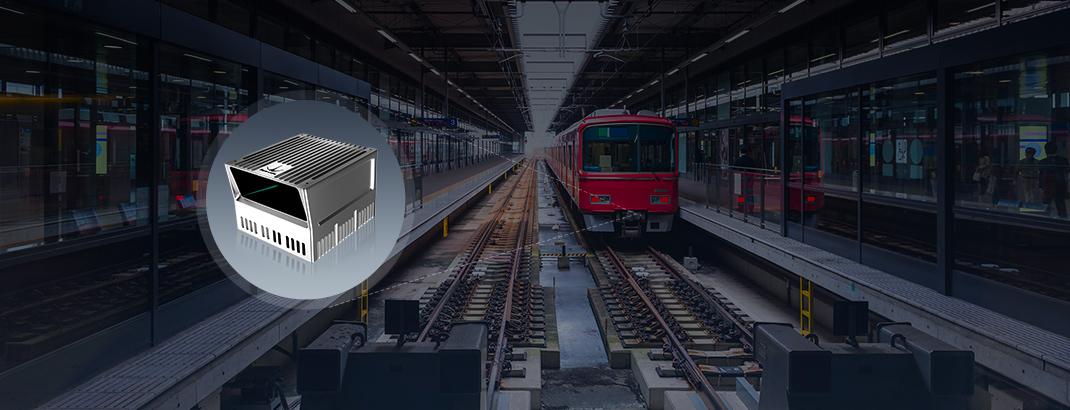
For example, when applied to bridge collision prevention, the AD2-S-X3 continuously measures approaching objects and sends early alerts to prevent damage. Similarly, in railway safety, its fast signal response ensures trains can detect and react to obstacles well in advance, enhancing operational safety.
The Advantages of Benewake’s LiDAR Technology
We at Benewake focus on making our lidar 3D scanner solutions not only precise but also practical for industrial users. The AD2-S-X3 incorporates multi-target detection and real-time feedback mechanisms, ensuring accurate monitoring over long distances. Moreover, its solid-state structure enhances stability and reduces maintenance requirements—making it suitable for continuous monitoring tasks like slope or landslide detection in complex terrains.
Conclusion: Advancing Industrial Safety Through LiDAR Innovation
At Benewake, we believe that every signal captured by a lidar 3D scanner carries the potential to improve safety and efficiency across industries. Our AD2-S-X3 sensor showcases how refined signal processing can transform static monitoring systems into intelligent safety solutions. By continually enhancing our LiDAR technology, we aim to support partners worldwide in building smarter, safer, and more connected environments.