














Headquarters:3rd Floor, Haiguo Jiaye Sci-Tech Park, Haidian District, Beijing, China

We use cookies to enhance your browsing experience and serve personalized content.
Reject ALL
Accept ALL


2025-12-26
In the evolving field of LiDAR technology, understanding the difference between static and dynamic scanning is essential for choosing the right 3D LiDAR sensor. At Benewake, we dedicate our research and engineering efforts to exploring both scanning principles, ensuring that each solution fits diverse industrial applications. As LiDAR continues to redefine perception across transportation, infrastructure, and automation, knowing how scanning works helps users make smarter technical decisions.
Understanding Static Scanning
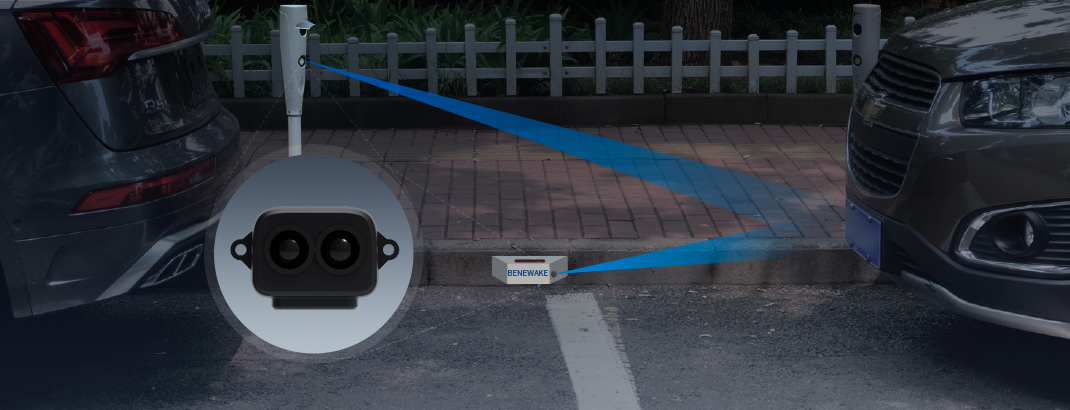
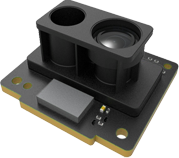
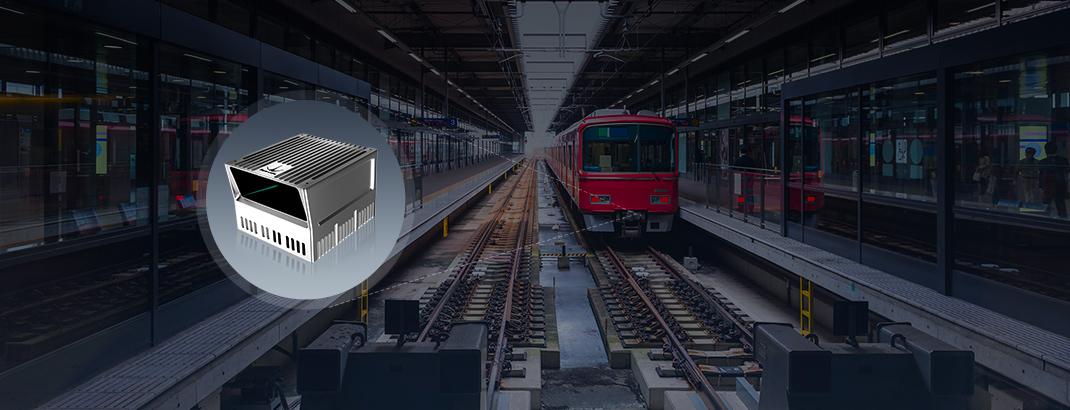
Static scanning refers to a system where a 3D LiDAR sensor is fixed in position, continuously capturing depth and distance information within a specific field of view. This method ensures stable, repeatable data and is commonly used when precision over time is more important than coverage area. For instance, static scanning is highly effective for bridge anti-collision, railway obstacle detection, and parking guidance applications—areas that demand constant accuracy and minimal measurement deviation.
At Benewake, we design static scanning systems to maintain consistent performance in variable conditions. Our optical and algorithmic calibration minimizes signal drift caused by temperature or humidity changes. The result is dependable distance data that supports long-term monitoring and safety assurance. This reliability is especially important in environments where even a slight misreading could lead to operational risks.
Exploring Dynamic Scanning
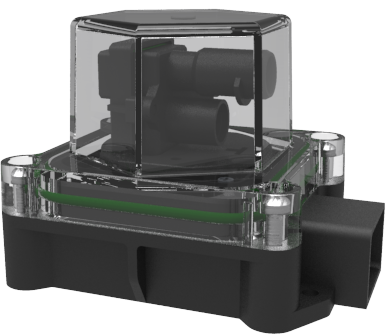
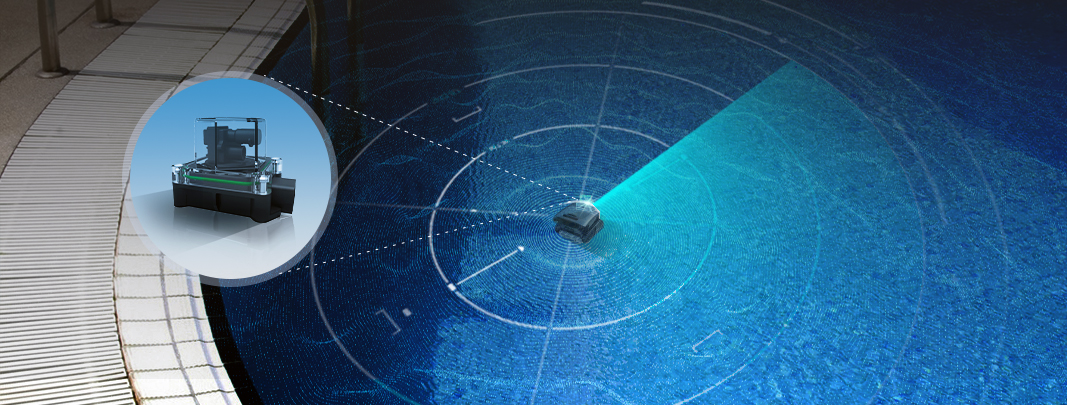
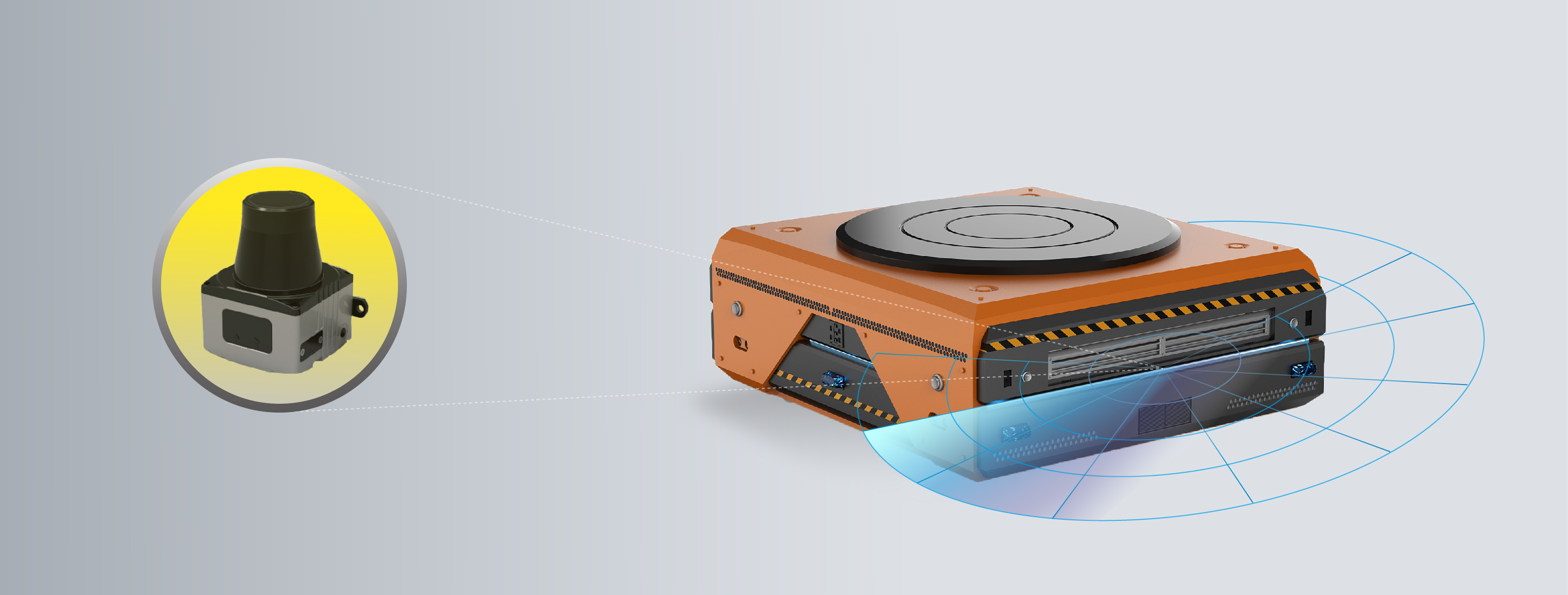
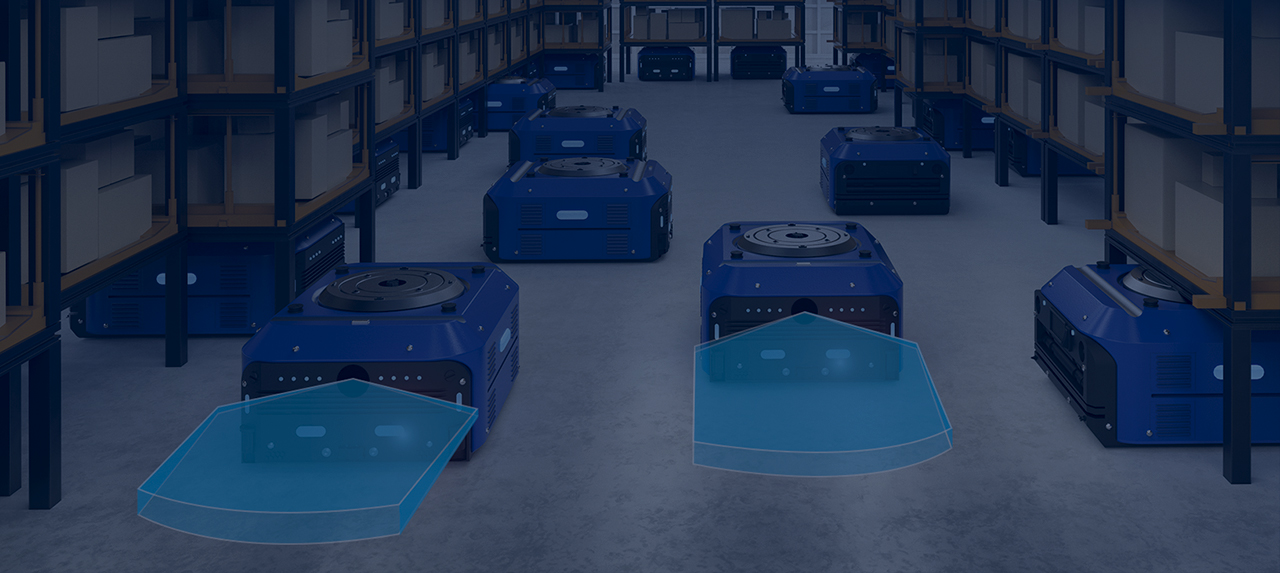
Dynamic scanning, by contrast, involves a 3D LiDAR sensor that moves or rotates to expand its detection area. It is particularly valuable in applications requiring continuous coverage of wide or irregular terrains. For example, slope monitoring and industrial collision avoidance benefit from dynamic scanning because the environment is not static—the terrain or objects may shift or vary over time.
Through years of development, Benewake has optimized dynamic scanning performance by refining scanning frequency, data refresh rate, and signal processing algorithms. Our sensors provide real-time point cloud data that can be easily integrated into monitoring or automation systems. The balance of high detection speed and strong anti-interference capability makes our LiDARs dependable even in dusty or harsh outdoor settings.
Bridging the Two: Intelligent Integration
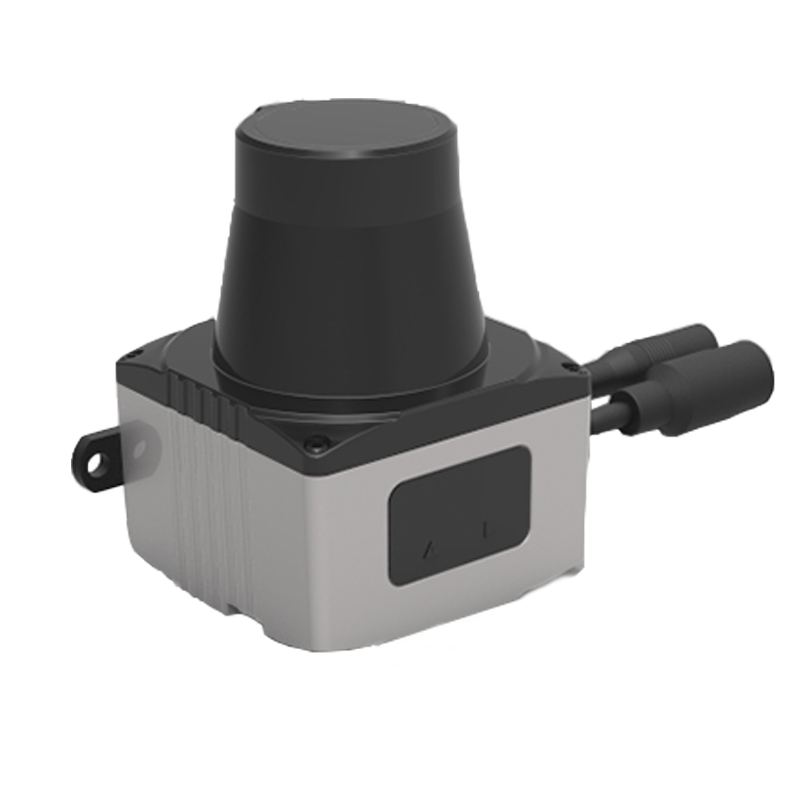
The ideal solution often involves combining both scanning types. Many of Benewake’s 3D LiDAR sensors are adaptable, capable of switching between scanning modes or integrating both through customized firmware. The AD2-S-X3, for example, offers precise detection for bridge safety, train anti-collision, berth guidance, and landslide monitoring. Its high-resolution output and stable performance make it suitable for continuous industrial use, where dependability and data integrity are essential.
This flexibility reflects our design philosophy: every 3D LiDAR sensor we develop should serve real-world needs while maintaining accuracy, efficiency, and cost-effectiveness. We continue to explore improvements that enhance measurement density, detection distance, and environmental adaptability—ensuring our technology meets the evolving expectations of global partners.
Conclusion
At Benewake, we see static and dynamic scanning not as competing technologies but as complementary approaches within a complete sensing ecosystem. Both methods contribute unique strengths to industrial perception, and our mission is to maximize their potential through precision engineering and practical innovation. By combining deep research with proven reliability, Benewake remains dedicated to delivering trustworthy 3D LiDAR sensor solutions that enhance safety, automation, and data intelligence for industries worldwide.