














Headquarters:3rd Floor, Haiguo Jiaye Sci-Tech Park, Haidian District, Beijing, China

We use cookies to enhance your browsing experience and serve personalized content.
Reject ALL
Accept ALL


2026-01-07
In recent years, the demand for precise and efficient material management has grown rapidly across industries such as mining, construction, and logistics. As a company specializing in laser sensing technology, we at Benewake have developed advanced solutions that make lidar volume measurement more accurate, stable, and easy to deploy. Understanding how this technology works helps our partners better apply it in real-world projects.
The Principle Behind LiDAR Volume Measurement
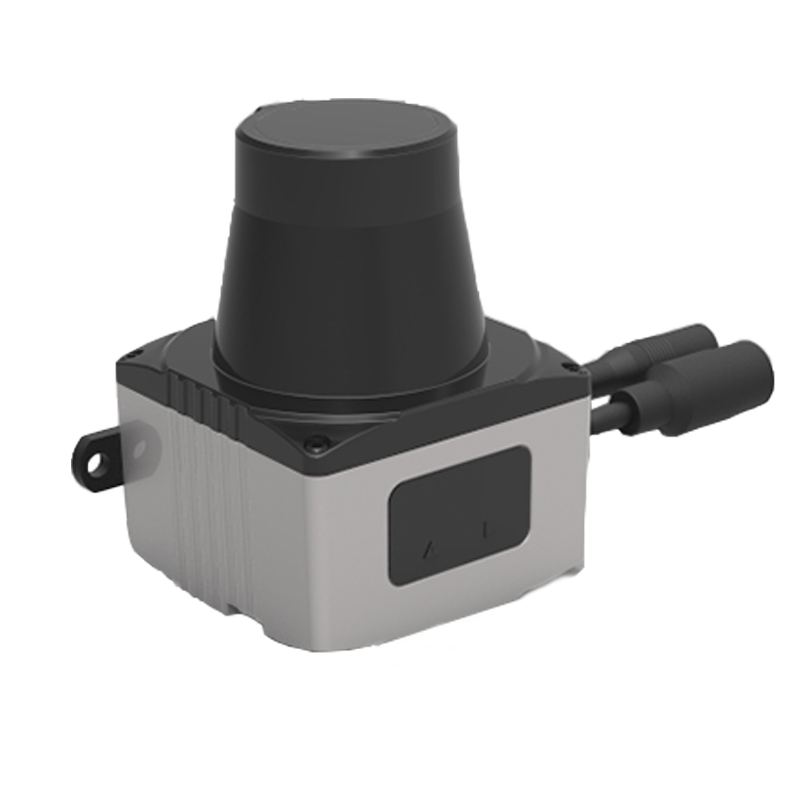
LiDAR volume measurement is based on the ability of laser sensors to capture the three-dimensional shape of an object or surface. By emitting laser pulses and measuring the time it takes for the reflected light to return, the system generates detailed spatial data, known as a point cloud. When installed at a fixed position—such as above a stockpile or along a conveyor line—this technology can accurately determine material volume changes in real time.
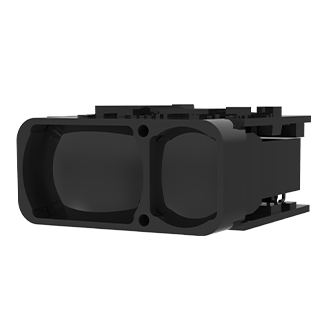
At Benewake, we design our LiDAR devices to ensure high measurement accuracy even under harsh outdoor conditions such as dust, rain, and variable lighting. Unlike traditional camera-based systems, LiDAR operates independently of ambient light and provides consistent data quality, making it ideal for industrial environments.
Why Fixed Installation Is Key for Reliable Results
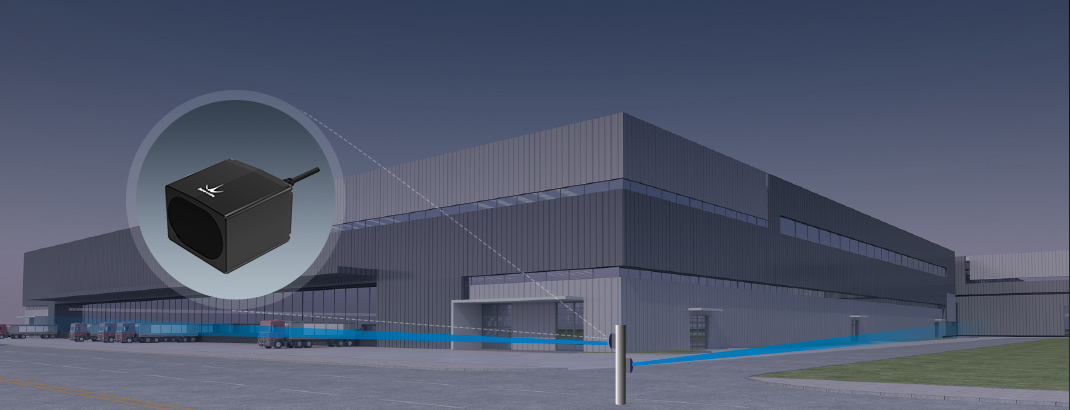
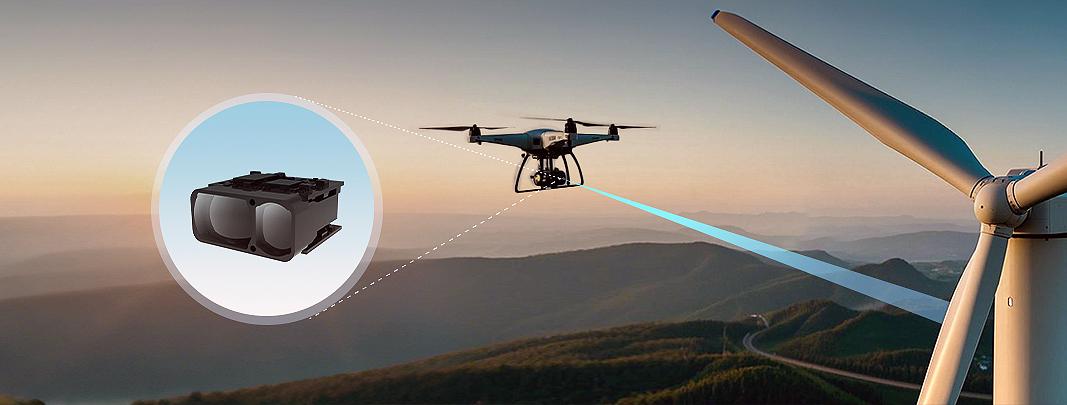
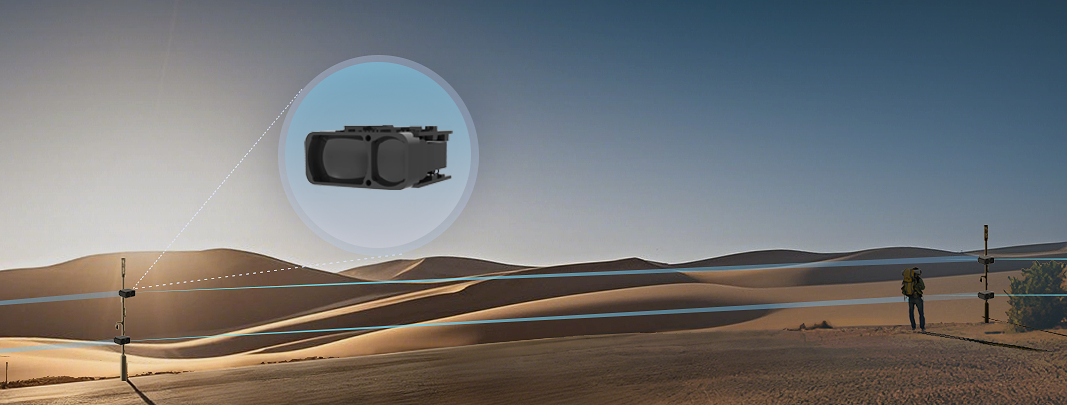
Unlike mobile or drone-based systems, lidar volume measurement in industrial and infrastructure applications relies on fixed installation for long-term stability. A properly positioned sensor continuously scans a defined area, ensuring precise and repeatable data collection.
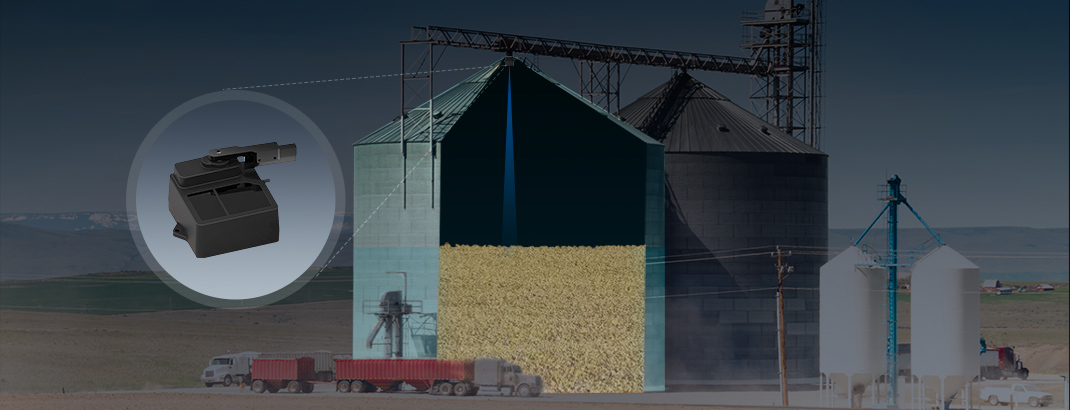
Our Benewake sensors are commonly used in bulk material yards, warehouses, and construction sites where accurate measurement of stored materials—such as gravel, coal, or sand—is critical for inventory management. By integrating LiDAR with data analytics systems, companies can monitor material inflow and outflow without manual inspection, significantly improving efficiency and safety.
Practical Applications and Advantages
Through years of project experience, we at Benewake have seen how lidar volume measurement contributes to modern industrial automation. In mining operations, for instance, LiDAR helps determine the amount of ore transported or stored without interrupting workflow. In port terminals and logistics hubs, fixed LiDAR units monitor cargo loading areas, helping operators optimize space utilization.
One of our representative solutions uses LiDAR sensors to create a real-time 3D model of stockpiles, automatically calculating volume variations. This approach not only reduces manual measurement errors but also provides continuous monitoring that can be integrated with management software systems for better operational insight.
Conclusion: Empowering Accurate Volume Detection with Benewake
As industries continue to digitalize their operations, the value of lidar volume measurement will keep expanding. Through our fixed LiDAR sensing systems, Benewake is enabling partners worldwide to achieve precise, reliable, and cost-effective material monitoring. We remain dedicated to improving detection accuracy, durability, and data integration—offering smarter sensing solutions that help businesses make better, data-driven decisions every day.