














Headquarters:3rd Floor, Haiguo Jiaye Sci-Tech Park, Haidian District, Beijing, China

We use cookies to enhance your browsing experience and serve personalized content.
Reject ALL
Accept ALL


2026-01-07
As we continue to advance in sensor technology, LiDAR tank inspection has become a vital part of modern industrial monitoring. At Benewake, we focus on creating high-performance laser sensors that deliver accurate and real-time measurements for fixed installation environments. Understanding how LiDAR data is generated and transformed into measurable results helps us enhance safety, efficiency, and accuracy in applications such as volume detection, tank level monitoring, and infrastructure assessment.
Understanding How LiDAR Captures Data
When a LiDAR system operates, it emits laser pulses that travel to the target surface and reflect back to the receiver. Each reflected signal provides a precise distance measurement. These points, collected in large quantities, form what we call a point cloud. In LiDAR tank inspection, these point clouds represent the inner structure or surface of storage tanks, silos, or containment areas. We design our sensors at Benewake to generate dense, clean point clouds that minimize noise, ensuring accurate representation even in dusty or low-light conditions. The quality of this raw data directly determines how precise the resulting volume calculations will be.
From Point Cloud to Volume Measurement
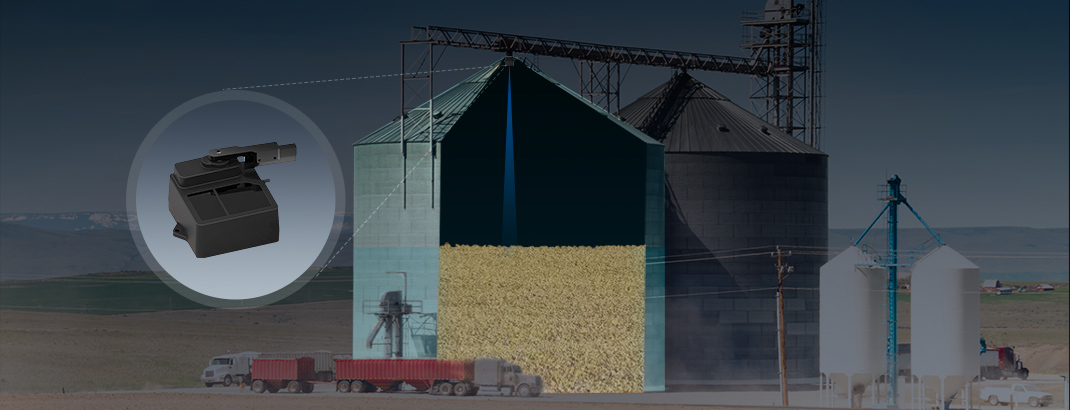
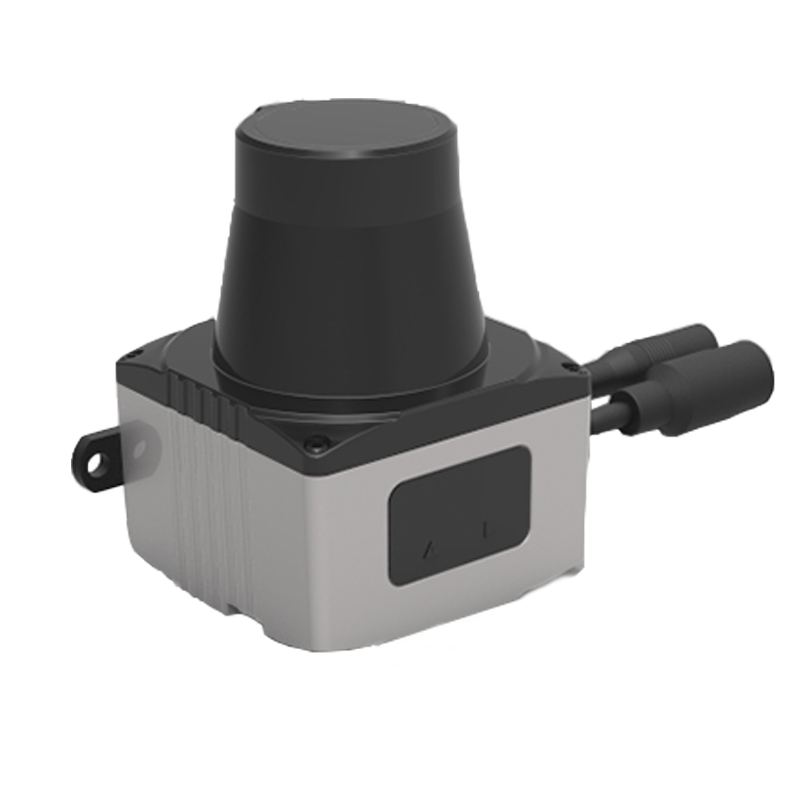
Processing LiDAR data involves transforming millions of spatial points into structured 3D models. Using specialized algorithms, the system connects individual data points to reconstruct shapes and measure the enclosed volume. In LiDAR tank inspection, this process allows operators to determine fill levels, detect irregularities, and evaluate deformation of tank surfaces. At Benewake, we’ve developed fixed-mounted LiDAR solutions—like those used in our volume detection applications—that are optimized for industrial settings. These systems provide non-contact, continuous monitoring, which reduces manual labor and enhances operational safety.
Practical Applications Beyond Measurement
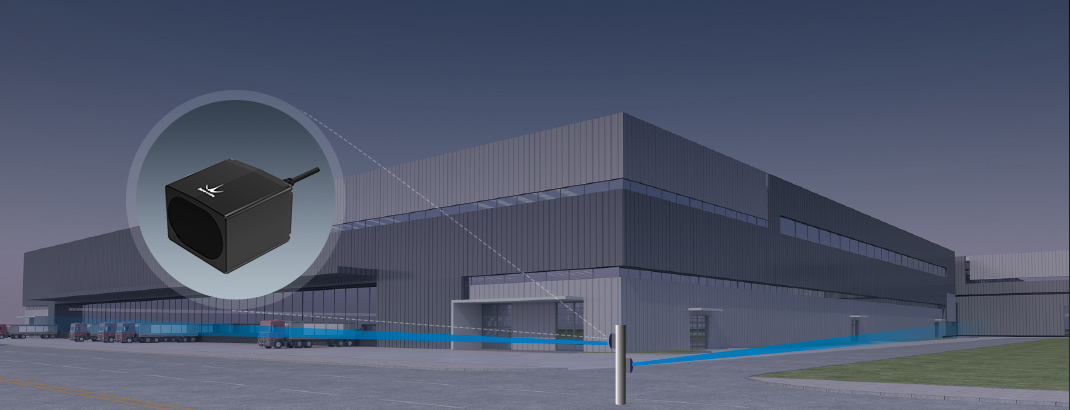
The insights derived from LiDAR tank inspection go beyond simply knowing how much material is in a tank. The same data can identify structural wear, detect sediment buildup, and monitor maintenance needs. Our LiDAR technology has been successfully deployed in fixed installations such as warehouses, port terminals, and factory storage facilities. By combining robust hardware with reliable data processing, Benewake supports industries seeking efficient and safe asset management without relying on manual measurement or drone-based systems.
Conclusion: Turning Data into Decisions
In the evolving field of industrial sensing, converting LiDAR point clouds into actionable volume data is a crucial step toward smarter operations. Through continuous development, Benewake is committed to providing precise and dependable LiDAR solutions for LiDAR tank inspection and other volume detection scenarios. Our mission is to help businesses capture data they can trust—transforming raw measurements into clear insights that improve performance and safety across every fixed installation.