















Headquarters:3rd Floor, Haiguo Jiaye Sci-Tech Park, Haidian District, Beijing, China

We use cookies to enhance your browsing experience and serve personalized content.
Reject ALL
Accept ALL


2026-01-07
In industrial operations and infrastructure management, precise volume measurement plays a critical role in ensuring safety, efficiency, and accuracy. Whether we are monitoring stockpiles, calculating storage capacity, or assessing terrain deformation, the choice of technology determines the quality and reliability of results. At Benewake, we focus on delivering advanced LiDAR-based solutions that offer consistent, real-time data for fixed installation scenarios, helping our clients optimize their monitoring and decision-making processes.
Understanding the Role of LiDAR in Volume Measurement
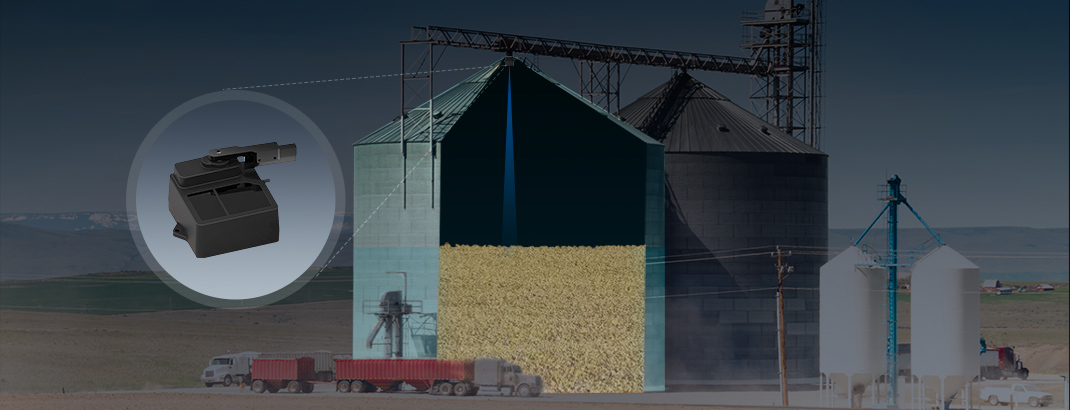
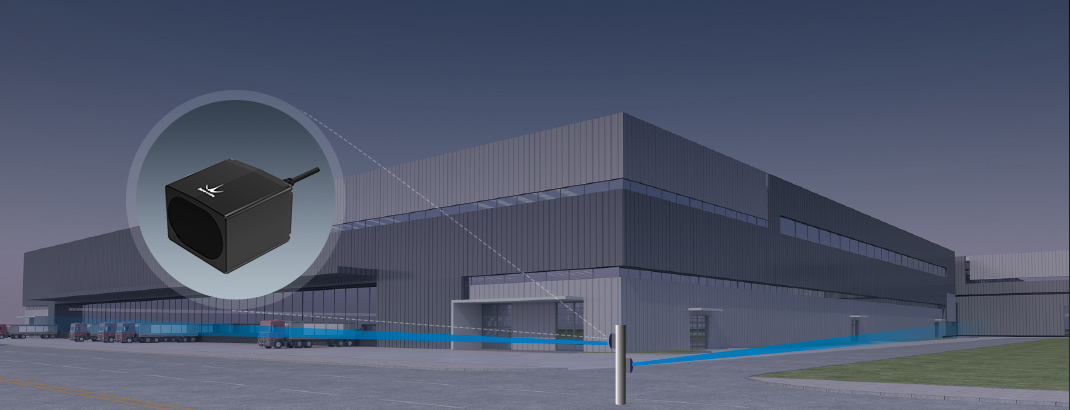
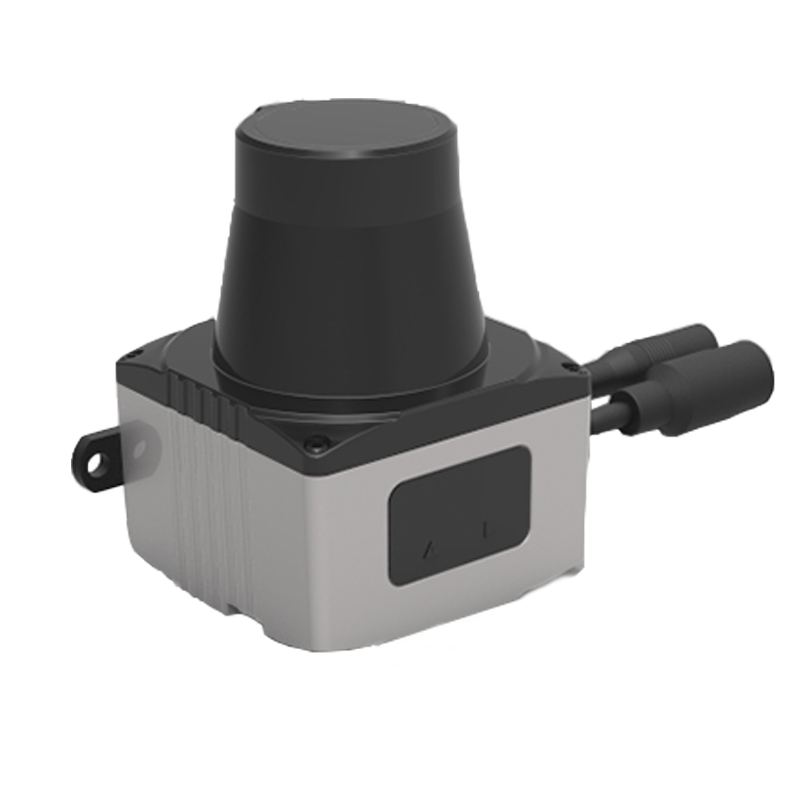
Traditional volume measurement often relies on manual surveys, laser rangefinders, or photogrammetry. While these methods have their uses, they can be time-consuming, weather-dependent, or limited by surface irregularities. LiDAR technology, by contrast, emits laser pulses to generate highly detailed 3D point clouds. This enables users to calculate object or terrain volumes with superior precision and speed. Our Benewake LiDAR systems are designed for stable, fixed installations, making them ideal for sites where consistent monitoring is essential, such as warehouses, storage silos, or bulk material yards.
When LiDAR Becomes the Preferred Choice
There are specific situations where LiDAR outperforms alternative volume measurement approaches. When the area to be measured is extensive, uneven, or difficult to access, LiDAR provides uniform coverage without the need for manual calibration. It is also invaluable in environments where real-time monitoring is required—such as in logistics centers or mining operations—where changes in volume directly affect production planning. By installing Benewake LiDAR systems at key observation points, we help operators maintain continuous visibility over material levels and ensure timely response to variations.
Comparing Alternatives: Cost, Accuracy, and Maintenance
While traditional methods may appear cost-effective initially, their accuracy often diminishes over time due to environmental factors and human error. Photogrammetry, for example, requires specific lighting and post-processing, which can delay results. LiDAR, on the other hand, delivers immediate and highly reliable data with minimal maintenance once installed. The fixed-installation design of our Benewake LiDAR solutions ensures durability even in dusty or high-humidity environments, reducing downtime and long-term operational costs. For clients seeking dependable volume measurement, this makes LiDAR a practical and future-proof investment.
Conclusion: Choosing LiDAR for Precision and Reliability
Ultimately, the decision between LiDAR and other volume measurement methods depends on the desired accuracy, frequency of use, and environmental conditions. For fixed installations that require continuous and automated monitoring, LiDAR stands out as the most precise and efficient choice. At Benewake, we are committed to developing reliable LiDAR systems that enhance measurement efficiency, support industrial automation, and provide our partners with dependable performance across complex scenarios. By adopting our technology, businesses can achieve smarter monitoring, safer operations, and long-term value.