















Headquarters:3rd Floor, Haiguo Jiaye Sci-Tech Park, Haidian District, Beijing, China

We use cookies to enhance your browsing experience and serve personalized content.
Reject ALL
Accept ALL


2026-01-07
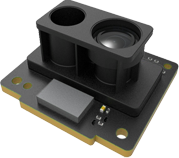
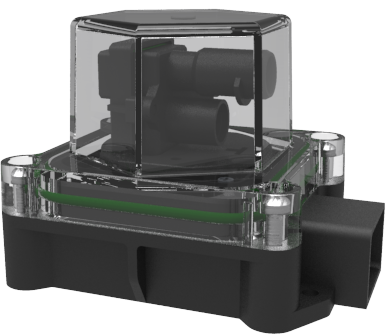
In industries that rely on bulk material handling—such as construction, mining, and logistics—accurate volume measurement plays a crucial role in cost control and efficiency. Over the years, traditional measurement methods like manual estimation and ultrasonic detection have been the go-to techniques. However, as technology evolves, LiDAR-based solutions have redefined what it means to measure materials accurately and efficiently. At Benewake, we have been at the forefront of developing reliable volumetric scanner systems that deliver precise results across a wide range of fixed installation applications.
Traditional Material Measurement: The Limitations
Traditional volume measurement relies heavily on manual labor or basic sensors. Workers often use physical markers, visual estimation, or mechanical tools to gauge pile size and volume. While these methods may seem simple, they are often inconsistent and prone to environmental interference such as lighting conditions or dust. In addition, manual measurement can be both time-consuming and risky, especially in environments where large material stockpiles or heavy machinery are involved.
Ultrasonic sensors improved this process slightly by providing non-contact distance measurement, but their accuracy is still limited when measuring irregular surfaces or complex shapes. These methods can only capture a small portion of a pile, requiring multiple readings to estimate total volume. The result is still an approximation rather than a precise calculation. In contrast, LiDAR offers a more comprehensive and consistent approach to volumetric scanner applications.
The Advantages of LiDAR-Based Volumetric Measurement
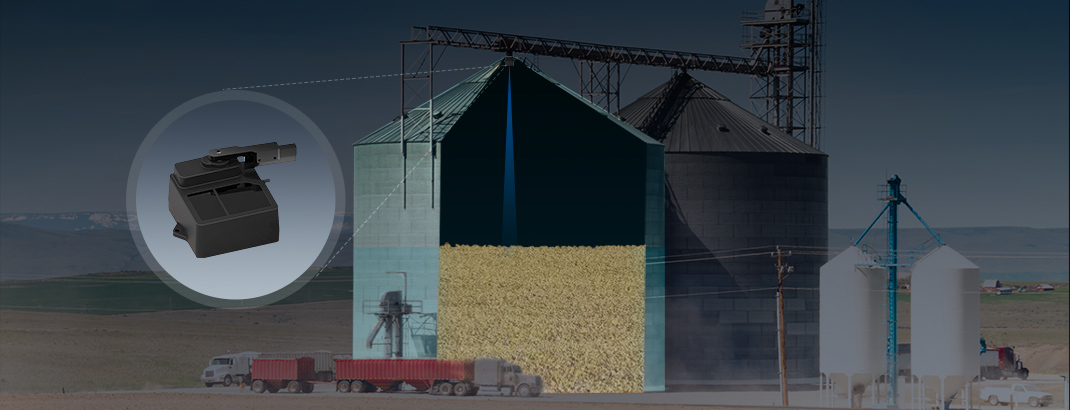
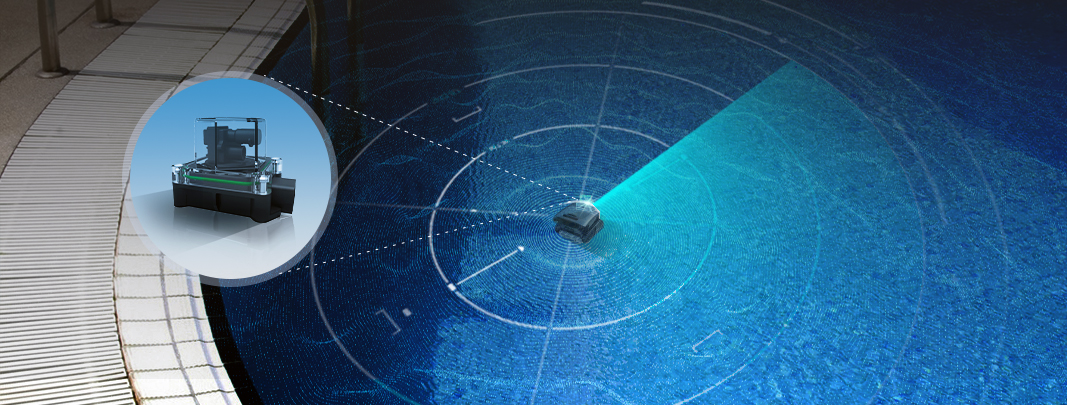
Using LiDAR for volume detection enables high-resolution 3D mapping of a target area. The sensor emits laser pulses that are reflected by the surface of materials, creating a detailed point cloud that represents the pile’s geometry. When installed in fixed locations—such as storage yards, silos, or conveyor systems—this system can automatically calculate material volume in real-time, without requiring manual intervention.
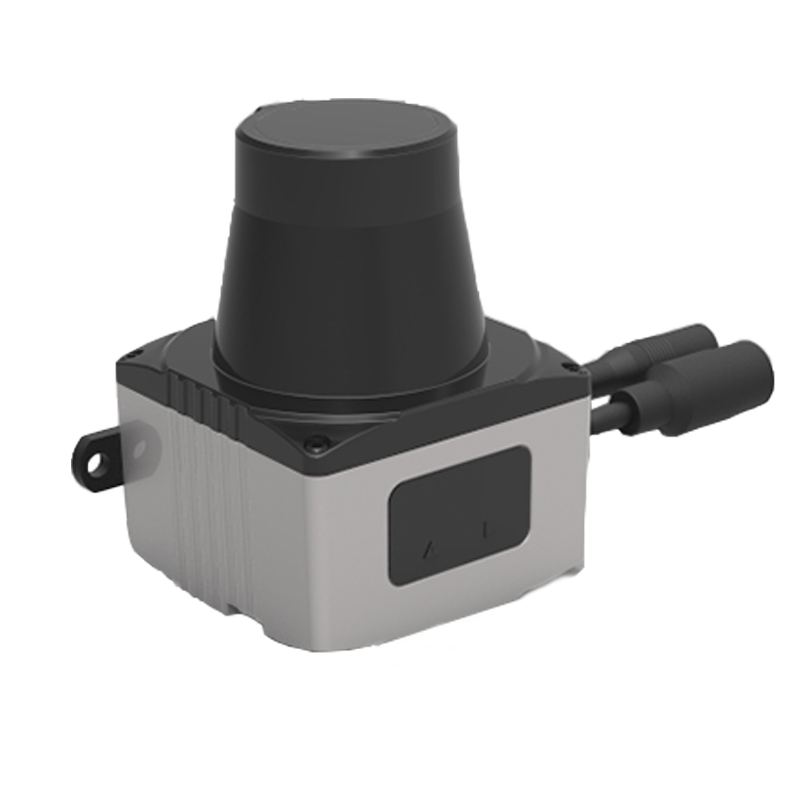
At Benewake, our volumetric scanner solutions are designed for stability and precision in harsh industrial environments. For example, our LiDAR sensors can maintain accurate detection even in dust, humidity, or varying light conditions. The fixed installation design eliminates vibration-related inaccuracies common in handheld or mobile devices, ensuring consistent performance over long periods. This makes it especially suitable for applications like construction material stockpiles, logistics warehouses, and mining sites where precision is critical for operational planning.
Why We Choose LiDAR Technology
We believe that LiDAR technology offers a transformative advantage over traditional methods—not just in data accuracy but also in automation and safety. With fixed volumetric scanner installations, facilities can continuously monitor material levels without disrupting operations. Real-time volume data supports smarter inventory management, predictive maintenance, and optimized resource allocation.
As a company, Benewake is committed to advancing LiDAR-based sensing technologies that make industrial environments smarter and safer. Our sensors are already helping customers worldwide improve efficiency in volume detection and measurement systems. We continue to innovate solutions that integrate seamlessly into existing industrial setups while offering long-term reliability. For organizations seeking an intelligent, low-maintenance, and scalable approach to material monitoring, Benewake’s LiDAR-powered volumetric scanner systems provide a proven, future-ready alternative.