
























Headquarters:3rd Floor, Haiguo Jiaye Sci-Tech Park, Haidian District, Beijing, China

We use cookies to enhance your browsing experience and serve personalized content.
Reject ALL
Accept ALL


2026-01-07
As we continue to focus on smarter and safer infrastructure solutions, we often receive one common question from our clients: how exactly do parking space sensors detect a car’s presence? This technology is at the core of many modern parking systems, from commercial lots to transportation hubs, and it represents one of the most practical uses of LiDAR sensing. At Benewake, we have spent years refining this detection method, ensuring that every parking space can be monitored accurately and efficiently.
Understanding the Principle Behind Parking Detection
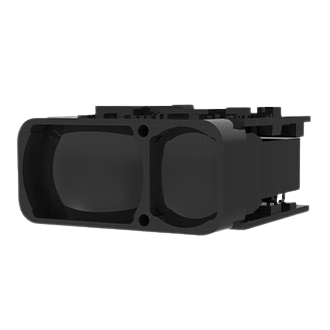
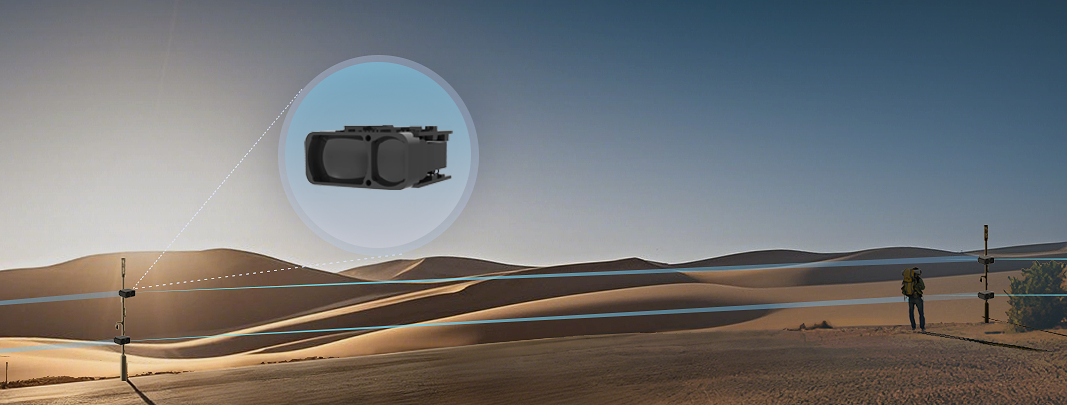
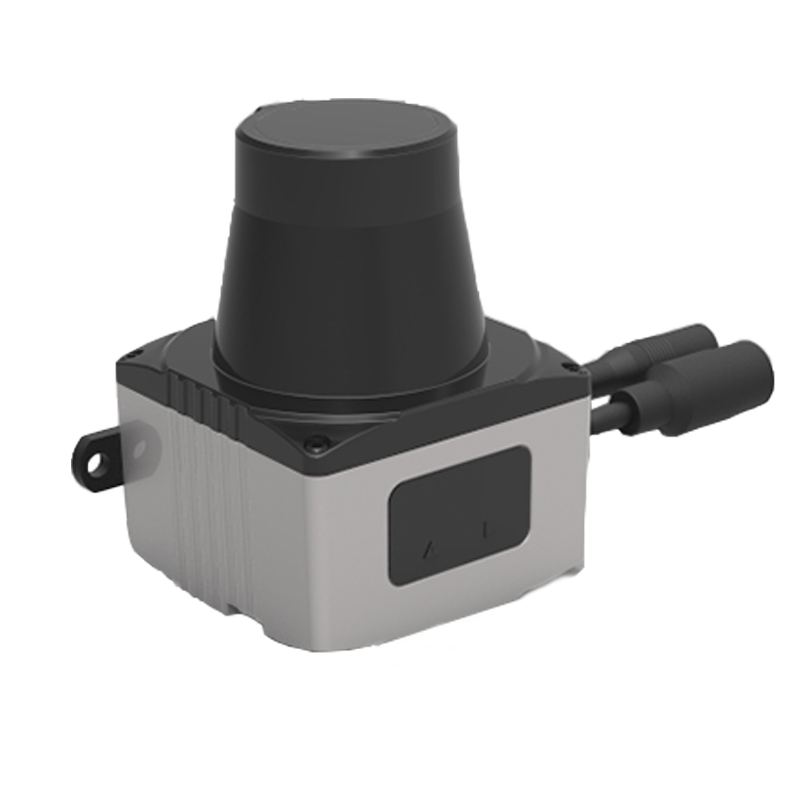
The fundamental concept behind parking space sensors is distance measurement. A sensor continuously emits light pulses—typically from a LiDAR system—and measures the time it takes for the reflected signal to return. This “time of flight” principle helps the system determine whether an object, such as a vehicle, is present in the designated area.
At Benewake, we utilize LiDAR-based technology to achieve highly stable detection results regardless of lighting or weather conditions. Compared to ultrasonic or magnetic sensors, LiDAR systems provide superior accuracy because they directly measure distance rather than relying on surface reflections or magnetic field changes. This ensures consistent performance across indoor and outdoor parking environments, even in complex layouts.
Practical Applications in Parking Guidance Systems
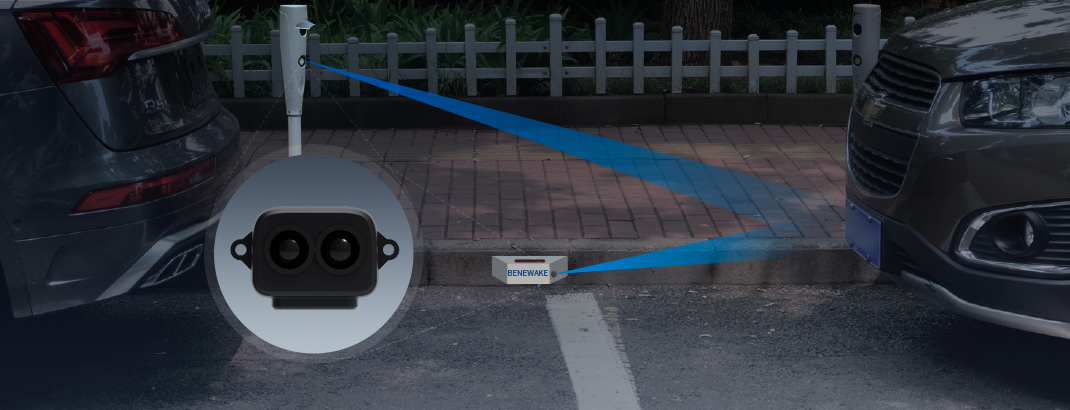
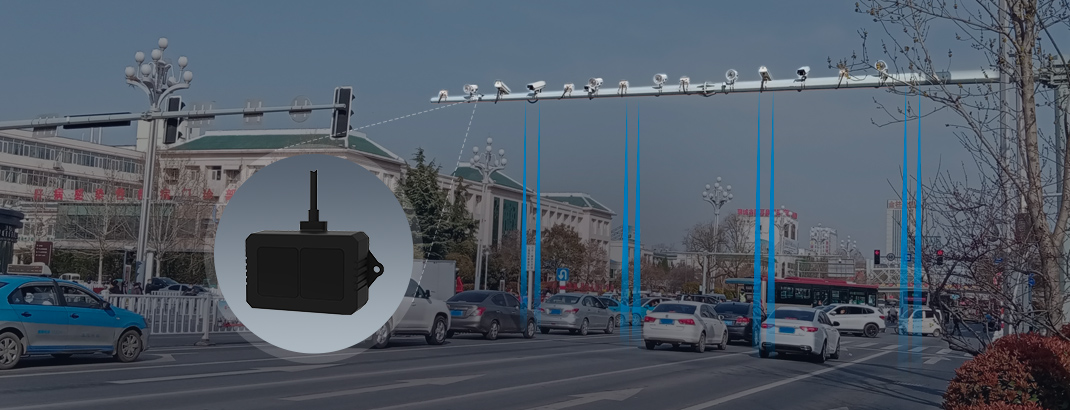
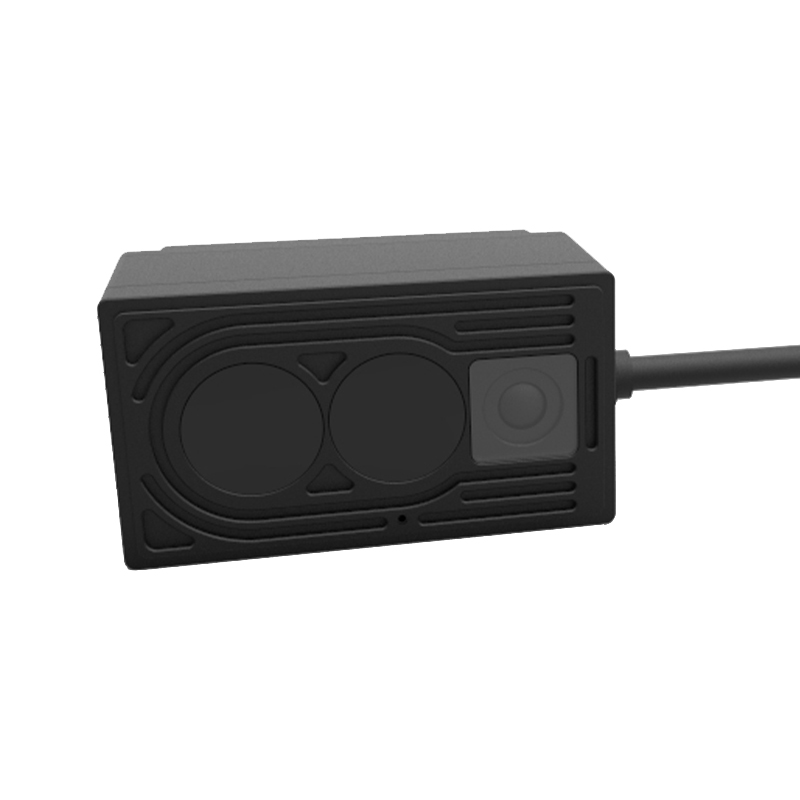
In real-world projects, we have seen how parking space sensors enhance operational efficiency for both facility managers and drivers. LiDAR sensors installed above each space can precisely detect the presence or absence of a vehicle, transmitting the data to a central control system. This allows for real-time monitoring of parking availability, guiding drivers toward open spaces and reducing congestion within the parking area.
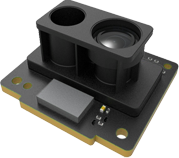
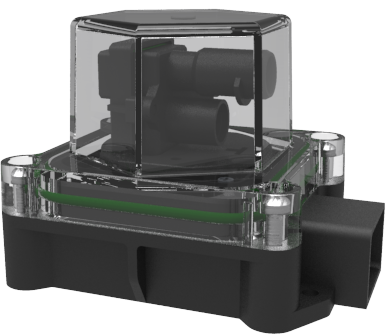
Our products, such as those showcased on the Benewake website, are widely adopted in smart parking projects for airports, shopping centers, and logistics zones. By enabling fast and accurate detection, they help optimize the flow of vehicles and minimize the time spent searching for available parking spaces. This results in improved user experience and better space utilization, especially in large-scale parking facilities.
Advantages of LiDAR-Based Detection
LiDAR-driven parking space sensors offer multiple advantages beyond simple occupancy detection. They are less affected by environmental noise, maintain high stability under rain or fog, and do not require frequent recalibration. Additionally, a single LiDAR sensor can cover multiple parking spaces simultaneously, reducing installation costs and system complexity.
At Benewake, we have developed LiDAR products that integrate seamlessly with smart city infrastructure. The sensors not only detect vehicles but can also monitor parking patterns and collect data for management optimization. This makes them valuable tools for sustainable urban development and intelligent transportation systems.
Conclusion: Reliable Sensing for Smart Infrastructure
As parking systems evolve, accurate car detection remains a crucial foundation. We at Benewake are dedicated to delivering reliable sensing solutions that empower cities and enterprises to manage their parking spaces more efficiently. Our parking space sensors embody precision, durability, and intelligence—key elements that define modern urban mobility.
By combining LiDAR innovation with real-world practicality, Benewake continues to support smart infrastructure projects worldwide, offering dependable solutions that make everyday operations simpler and safer.