


















Headquarters:3rd Floor, Haiguo Jiaye Sci-Tech Park, Haidian District, Beijing, China

We use cookies to enhance your browsing experience and serve personalized content.
Reject ALL
Accept ALL


2026-01-07
Efficient management of parking areas has become an essential part of urban planning, and we at Benewake have closely observed the evolution of various parking space sensor technologies. As cities expand and vehicles increase, the role of smart parking lots has become increasingly significant in improving traffic flow and enhancing user convenience. By understanding the different technologies available, we can make informed decisions on which systems provide the best fit for specific applications.
Ultrasonic Sensors
One of the most commonly used technologies in parking management is ultrasonic sensors. These sensors detect the presence of a vehicle by emitting sound waves and measuring the reflection from objects. We have found that ultrasonic sensors are relatively simple to install and maintain, making them suitable for medium-sized smart parking lots. However, their performance can be affected by environmental conditions such as rain, snow, or extreme temperatures. We often consider these factors carefully when recommending solutions to clients who require reliable detection in varying weather conditions.
Infrared and Laser-Based Sensors
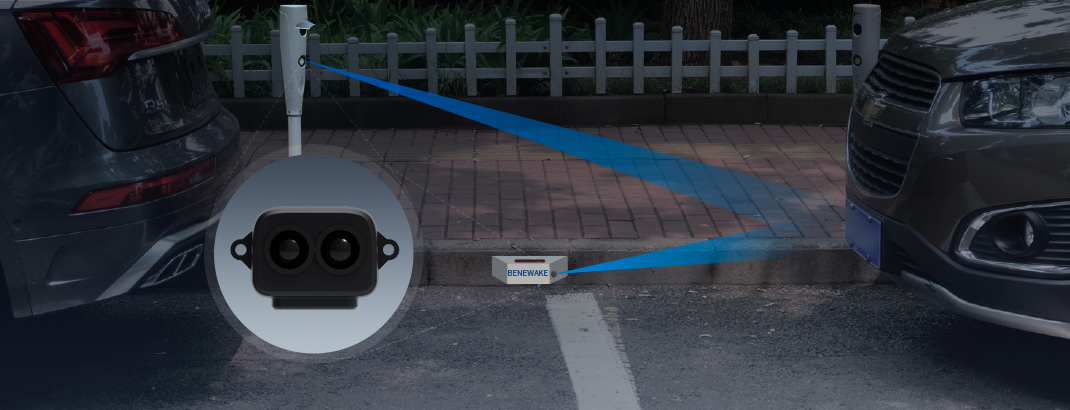
Infrared sensors operate by detecting the heat emitted by vehicles, while laser-based sensors, including some of the solutions provided by Benewake, use precise laser beams to determine the presence and position of a car in a parking space. Laser sensors tend to offer higher accuracy and longer range compared to infrared alternatives. We have implemented laser-based detection systems in multiple projects to support smart parking lots with high vehicle turnover and complex layouts. The precise detection offered by these sensors ensures that available parking spaces are accurately reported in real-time to users, reducing congestion and improving the overall efficiency of the parking area.
Magnetic and Camera-Based Systems
Magnetic sensors detect disturbances in the Earth's magnetic field caused by vehicles, whereas camera-based systems rely on visual recognition to monitor parking occupancy. We recognize that each approach comes with its own advantages and limitations. Magnetic sensors are durable and relatively resistant to weather interference but may require specialized installation. Camera systems provide additional functionality, such as monitoring for security purposes, yet they are more susceptible to lighting conditions and require higher maintenance. Our experience with these technologies in smart parking lots allows us to advise clients on balancing accuracy, installation costs, and long-term maintenance requirements.
Conclusion
By evaluating the strengths and weaknesses of each sensor technology, we can tailor solutions that meet the specific needs of different parking environments. At Benewake, we continuously explore advancements in sensor systems to enhance the functionality and reliability of smart parking lots. Our products and solutions are designed to provide accurate detection, seamless integration, and long-term performance, supporting efficient parking management and improving the daily experience for drivers and operators alike.