


















Headquarters:3rd Floor, Haiguo Jiaye Sci-Tech Park, Haidian District, Beijing, China

We use cookies to enhance your browsing experience and serve personalized content.
Reject ALL
Accept ALL


2026-01-07
Finding the right technology for parking spot detection can significantly improve safety and efficiency in industrial and urban environments. As a company specializing in advanced sensing solutions, Benewake has explored various sensor technologies to determine their strengths and limitations. In our experience, different sensors perform differently depending on the environment and application, and understanding these differences is crucial for implementing reliable systems.
Comparing Sensor Technologies for Parking Spot Detection
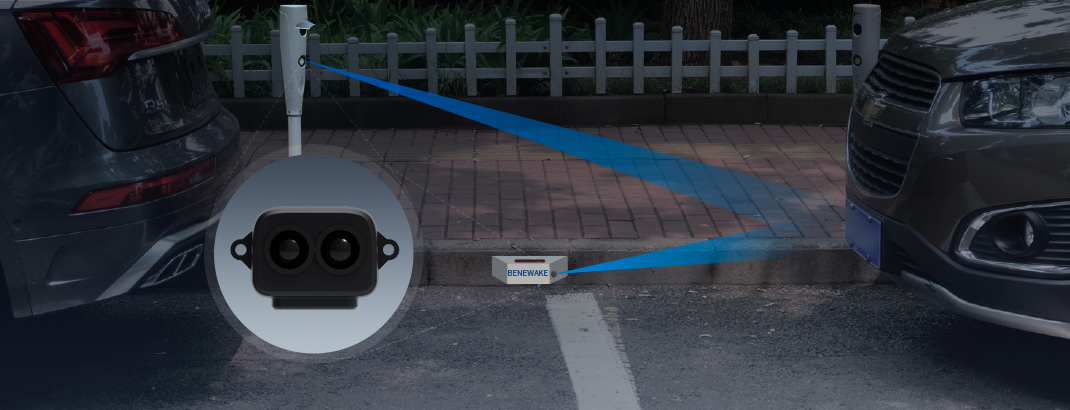
When considering options for parking spot detection, three main technologies are often evaluated: LiDAR, ultrasonic sensors, and cameras. LiDAR provides precise distance measurements and a high level of accuracy even in low-light conditions. It is particularly effective for large-scale industrial settings, where vehicles and infrastructure need continuous monitoring. Ultrasonic sensors, on the other hand, are widely used for short-range detection due to their affordability and simplicity. They can reliably detect objects in confined spaces but may struggle in complex environments with multiple reflective surfaces. Cameras offer visual recognition and can capture contextual information, such as markings or obstacles, but their performance is highly dependent on lighting and weather conditions.
In our work at Benewake, we have found that combining these technologies is sometimes necessary to achieve optimal parking spot detection. For example, pairing LiDAR with a camera can provide both spatial accuracy and visual context, improving the overall reliability of the system. While ultrasonic sensors are easier to deploy in small spaces, LiDAR sensors deliver more consistent performance for environments with high traffic or larger detection ranges.
Practical Considerations for Implementing Parking Spot Detection Systems
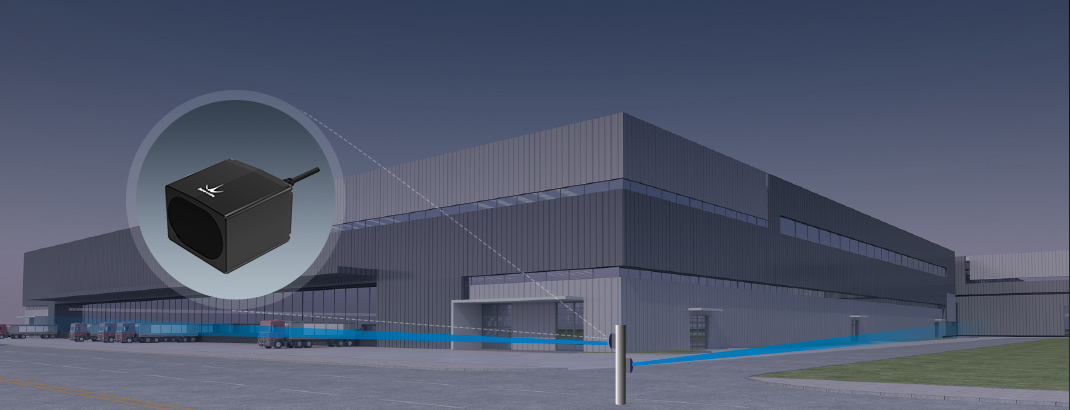
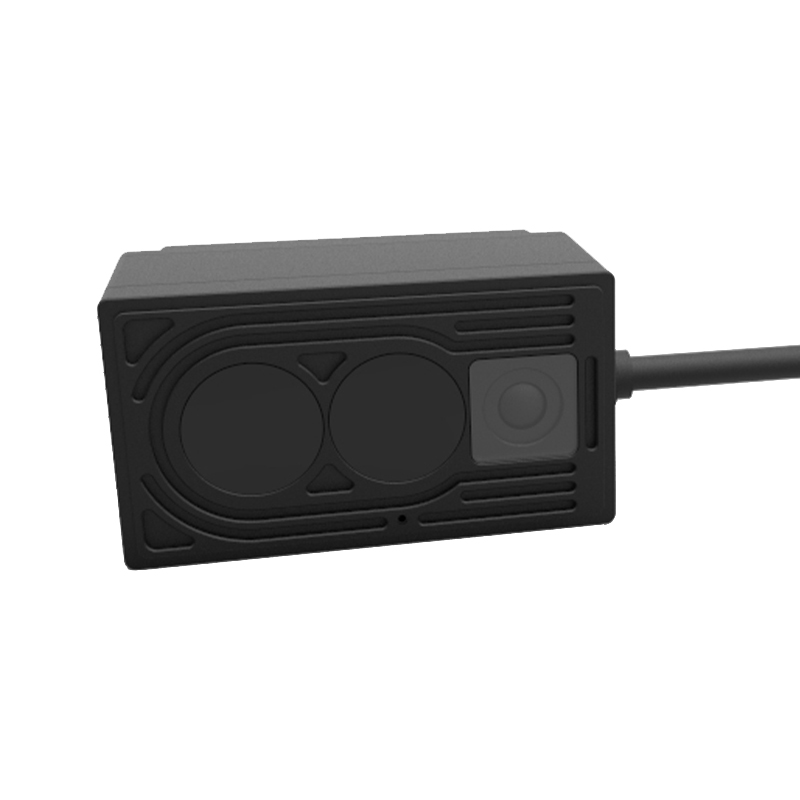
Implementing an effective parking spot detection system requires more than just choosing the right sensor. Factors such as installation height, sensor orientation, and environmental conditions must be carefully considered. At Benewake, we focus on providing solutions that are adaptable to various settings, including industrial yards, loading docks, and public parking structures. Our LiDAR sensors are designed for robust performance and minimal maintenance, allowing for continuous monitoring without compromising accuracy.
Additionally, the integration of sensors into a larger monitoring system can enhance operational efficiency. By collecting and analyzing data from multiple sources, managers can optimize traffic flow and improve safety. Choosing the right combination of technologies ensures that detection is both precise and reliable, reducing the risk of collisions and improving overall workflow.
Conclusion
At Benewake, we are committed to developing advanced parking spot detection solutions that meet the needs of diverse industrial and urban applications. By carefully evaluating the benefits and limitations of LiDAR, ultrasonic, and camera sensors, we provide guidance on the most suitable technologies for each scenario. Our solutions are designed to be practical, reliable, and scalable, ensuring that clients can achieve efficient space detection with confidence. Exploring the right sensor technology is essential for any organization looking to improve safety and operational efficiency, and we continue to innovate in this space to support our customers’ evolving requirements.