
















Headquarters:3rd Floor, Haiguo Jiaye Sci-Tech Park, Haidian District, Beijing, China

We use cookies to enhance your browsing experience and serve personalized content.
Reject ALL
Accept ALL


2026-01-07
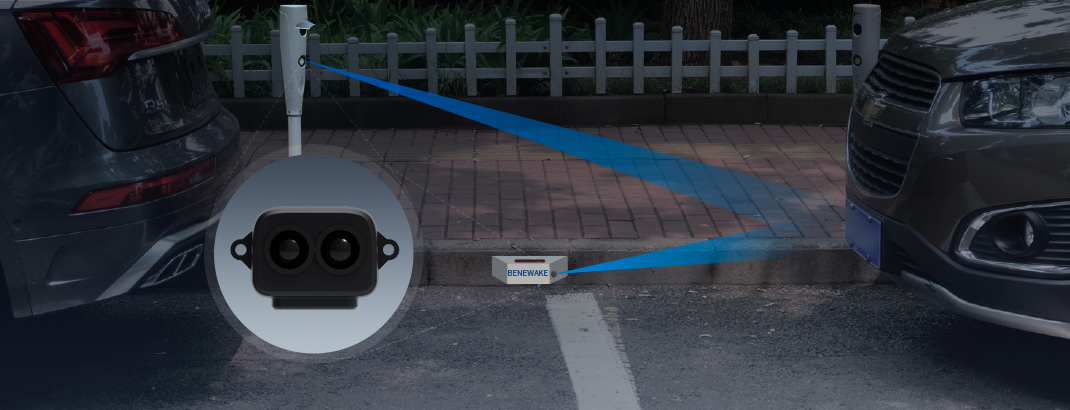
Parking guidance systems (PGS) have become an essential part of modern urban infrastructure, helping drivers navigate busy parking areas more efficiently. At Benewake, we have observed the increasing demand for systems that provide real-time information about parking availability. By integrating advanced sensor technology, a PGS can accurately detect whether a parking spot is occupied or free and communicate this information to drivers through digital signage or mobile applications. In our experience, precision and reliability are crucial for the system to function effectively, and choosing the right sensors is key to maintaining accurate performance across different environments and conditions.
How Sensors Enable Accurate Parking Monitoring
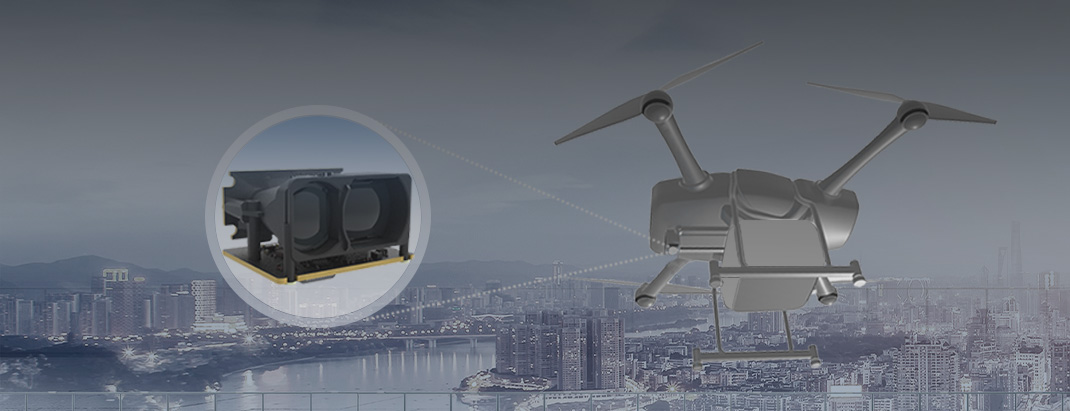
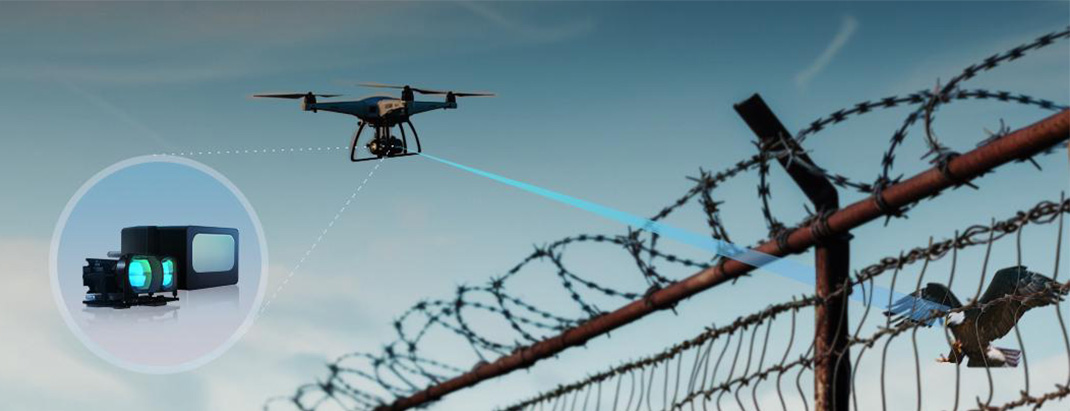
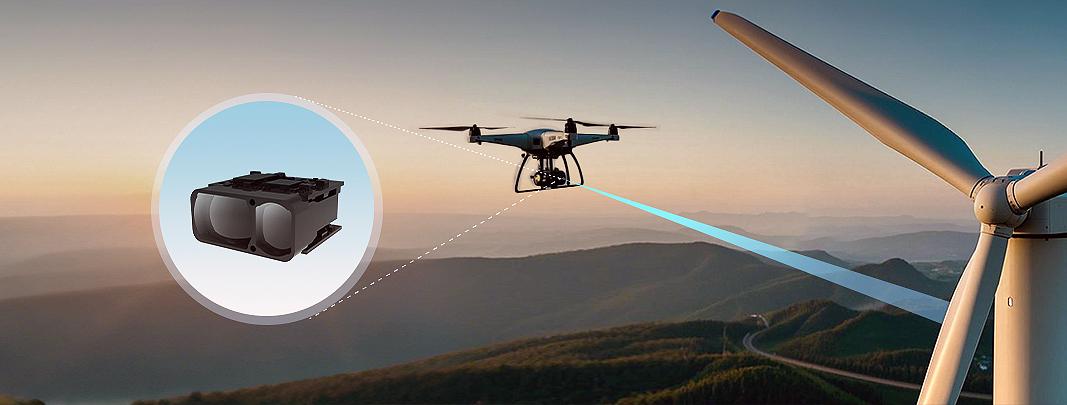
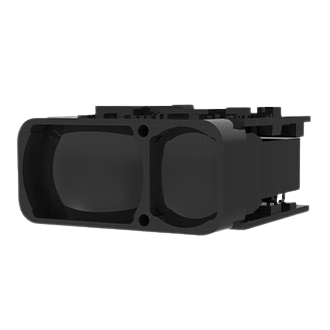
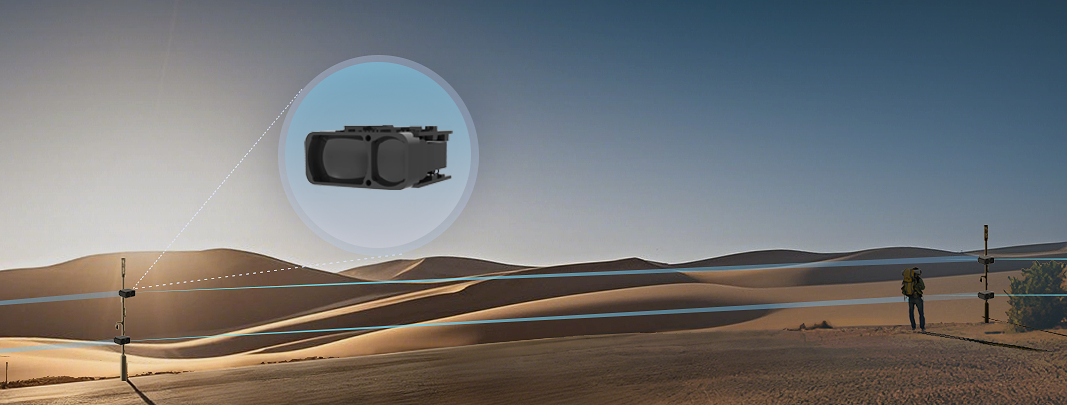
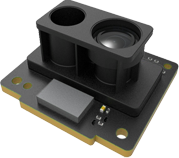
The effectiveness of any PGS depends heavily on the sensors used to detect vehicles and monitor occupancy. Traditional sensors like ultrasonic or infrared devices can provide basic information, but they may struggle with accuracy in large, multi-level, or complex parking areas. At Benewake, we often utilize lidar sensors for drones due to their ability to deliver high-resolution spatial data. These sensors allow the system to detect even subtle variations in object presence and offer a consistent performance in diverse conditions. Although originally designed for aerial applications, lidar sensors for drones can be adapted for fixed installations, providing reliable detection without interfering with the surrounding infrastructure. By implementing these sensors, we ensure that every parking space is monitored precisely, reducing the chances of miscommunication and enhancing user satisfaction.
Advantages of Implementing a Parking Guidance System
From our perspective at Benewake, a well-designed PGS offers multiple advantages beyond simply guiding drivers to available spots. Facility managers can better utilize their parking areas, reducing congestion and optimizing space usage. Drivers benefit from reduced search times and improved overall convenience. In addition, the data collected from the sensors can help inform long-term traffic management strategies and predict peak parking periods, which is especially valuable for commercial complexes, hospitals, and transportation hubs. When using advanced devices such as lidar sensors for drones, the accuracy of the data improves significantly, which in turn allows for more efficient traffic flow and better resource management. We have found that integrating these technologies leads to measurable improvements in both operational efficiency and driver experience.
Our Commitment to Reliable Sensor Solutions
At Benewake, we are dedicated to providing advanced sensing solutions that support a variety of applications, including parking guidance systems. While our lidar sensors for drones are commonly known for aerial mapping and inspection, they are highly adaptable for stationary applications like PGS installations. We focus on delivering products that offer long-term durability, precise detection, and seamless integration with existing parking infrastructure. By applying our expertise in LiDAR technology, we help clients create safer, smarter, and more efficient urban environments. Our commitment to innovation ensures that the systems we support continue to meet evolving needs while maintaining the high level of reliability our customers expect.