














Headquarters:3rd Floor, Haiguo Jiaye Sci-Tech Park, Haidian District, Beijing, China

We use cookies to enhance your browsing experience and serve personalized content.
Reject ALL
Accept ALL


2026-01-07
In the field of unmanned aerial vehicles (UAVs), selecting the right sensing technology is crucial for achieving reliable navigation and accurate environmental perception. As a company dedicated to innovative sensing solutions, we at Benewake continuously explore the practical differences between laser rangefinders and camera-based sensors. Understanding the strengths and limitations of each technology can help professionals make informed decisions when planning UAV applications. Our focus on high-performance solutions ensures that operators receive reliable and adaptable options for their projects.
Advantages of Laser Rangefinders
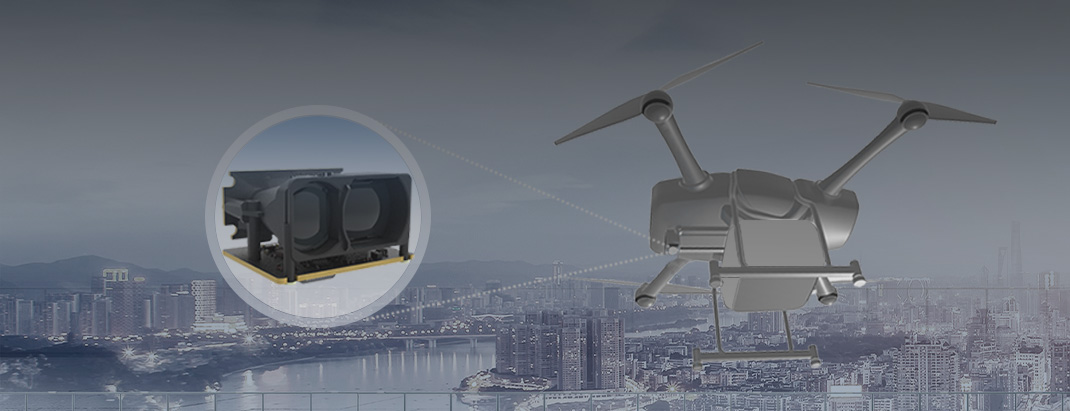
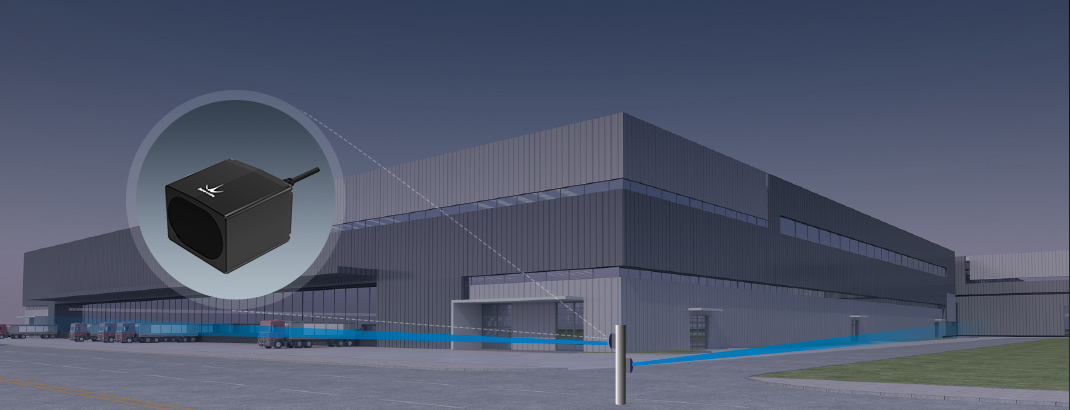
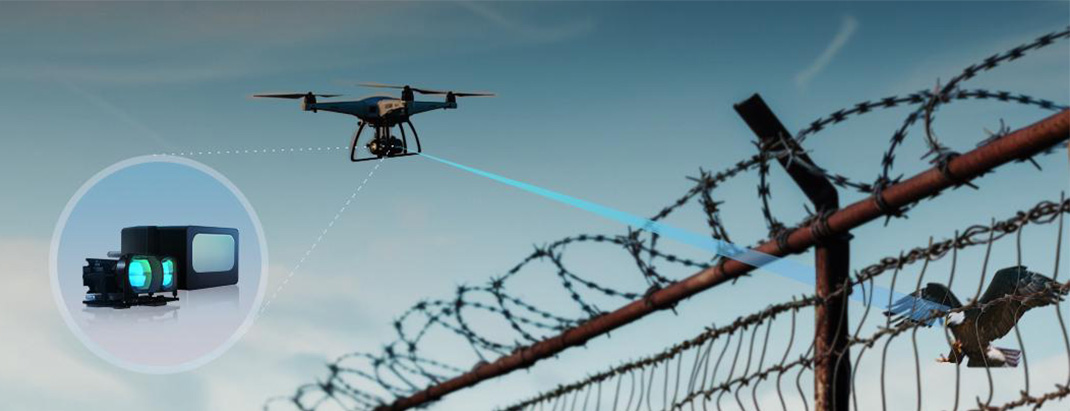
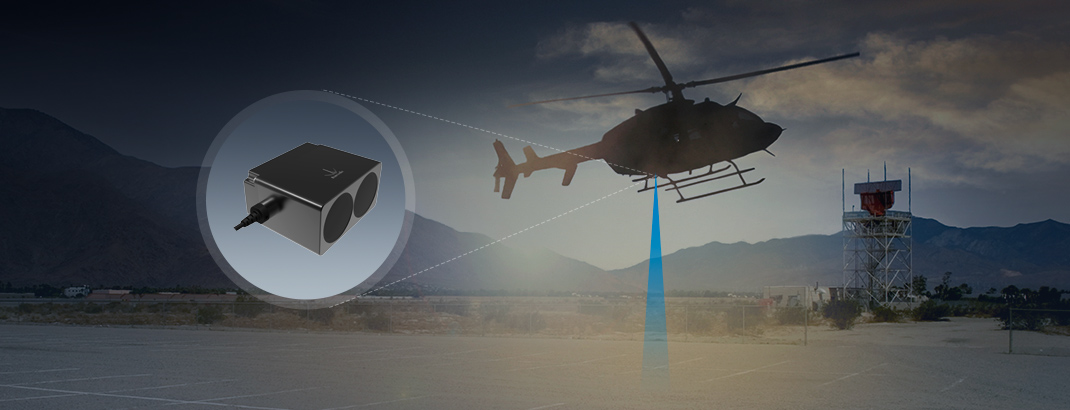
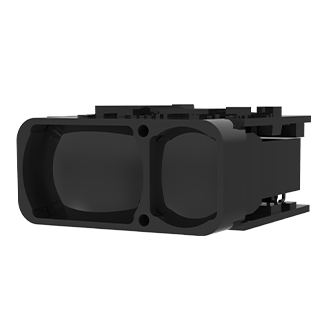
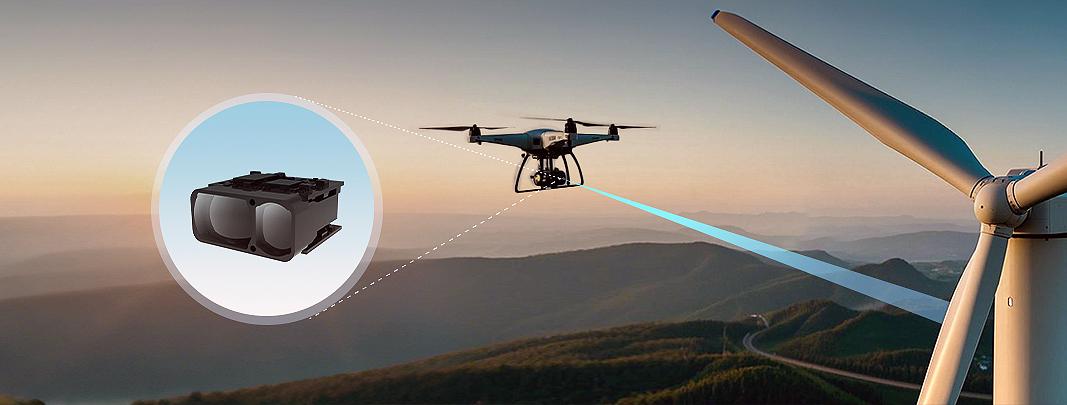
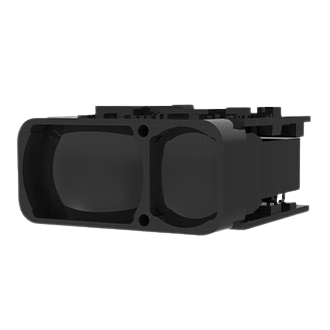
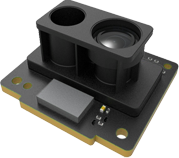
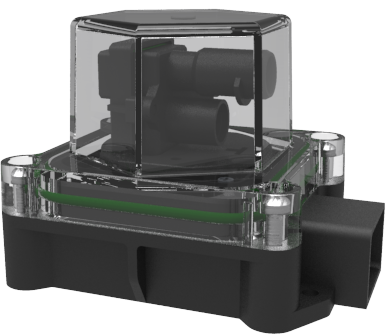
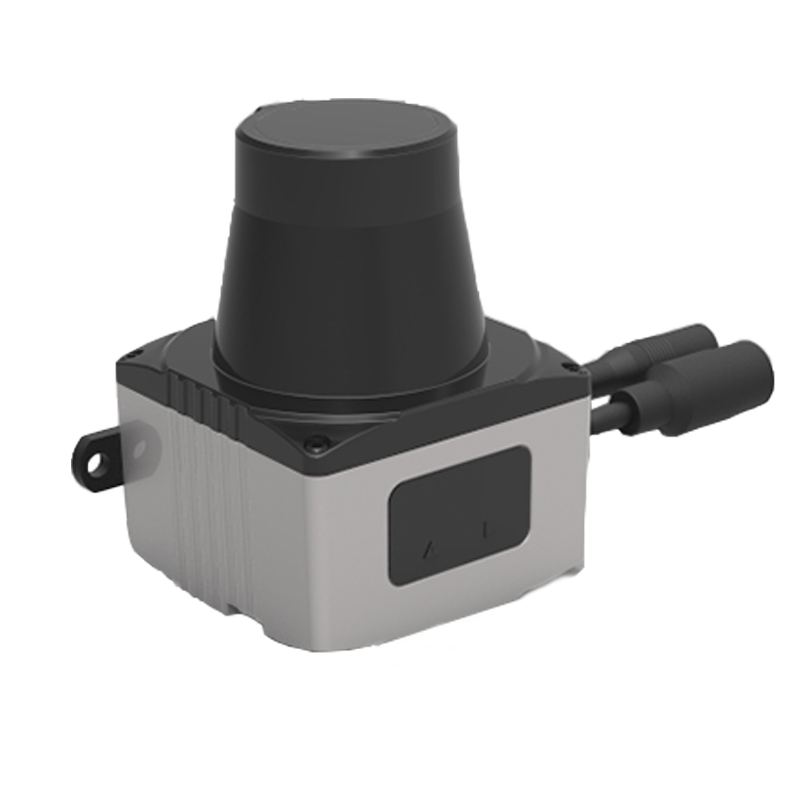
Laser rangefinders provide direct distance measurements by emitting laser beams and calculating the time it takes for reflections to return. One significant benefit of this method is its accuracy in varying light conditions. Unlike cameras, laser rangefinders are less affected by shadows, brightness variations, or low-light environments, which makes them particularly suitable for industrial UAV operations. At Benewake, our lidar for drone solutions are designed to maintain high precision even in challenging weather or complex terrain. This capability allows UAVs to navigate safely over obstacles and perform tasks that require precise distance assessment.
Strengths of Camera-Based Sensors
Camera-based sensors rely on visual information to interpret the environment. These sensors offer high-resolution imagery and the ability to detect color and texture, which can be useful for mapping and inspection purposes. However, the accuracy of camera-based systems depends heavily on lighting conditions and may struggle in environments with poor illumination or glare. In contrast, laser-based systems provide consistent distance measurements regardless of lighting. By comparing the two technologies, we emphasize that camera sensors excel in detailed visual analysis, while laser rangefinders are superior for tasks that require reliable distance detection. Integrating both sensors can be a consideration in some UAV projects to balance precision and visual data.
Combining Technologies for UAV Applications
For UAV developers seeking versatile solutions, combining laser rangefinders with camera-based sensors can provide complementary benefits. While cameras capture detailed imagery, laser systems ensure accurate distance measurement and obstacle detection. We at Benewake understand the importance of offering products that support multiple applications. Our lidar for drone products can be integrated into UAV platforms for enhanced safety and performance, providing operators with data that supports decision-making and mission planning. This integration highlights the evolving role of sensor technologies in improving UAV reliability.
Conclusion
In conclusion, both laser rangefinders and camera-based sensors offer unique advantages for UAV applications. By evaluating the operational context and environmental conditions, UAV operators can choose the most suitable solution or a combination of both. At Benewake, we are committed to developing high-quality sensing solutions, including our lidar for drone products, to meet the demands of diverse UAV missions. Our experience in delivering reliable, precise, and adaptable technologies ensures that users can trust our systems in real-world scenarios, supporting safe and effective operations.