














Headquarters:3rd Floor, Haiguo Jiaye Sci-Tech Park, Haidian District, Beijing, China

We use cookies to enhance your browsing experience and serve personalized content.
Reject ALL
Accept ALL


2026-01-07
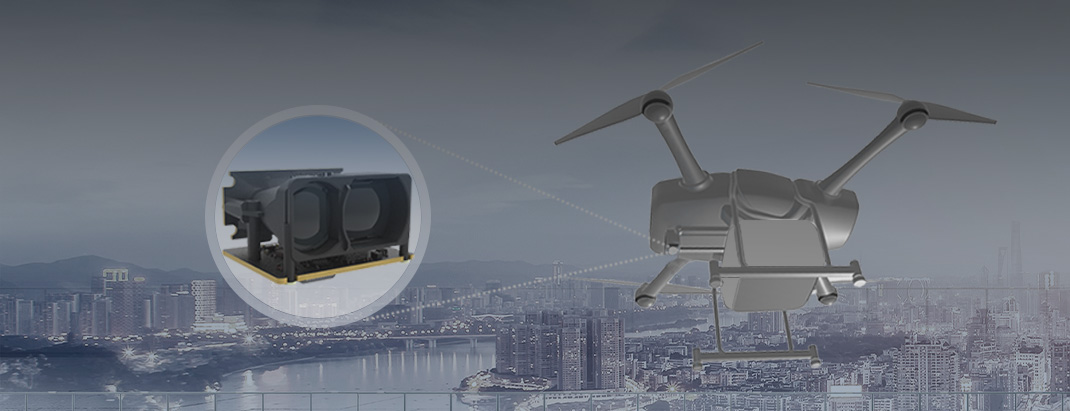
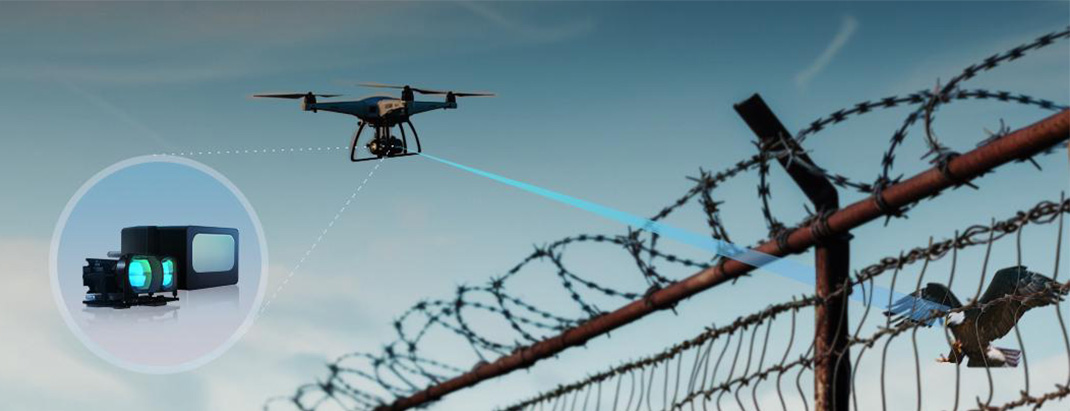
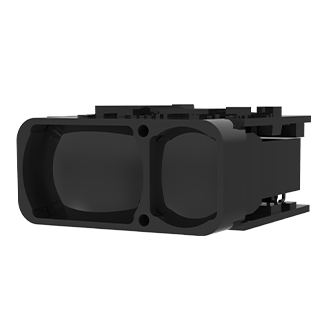
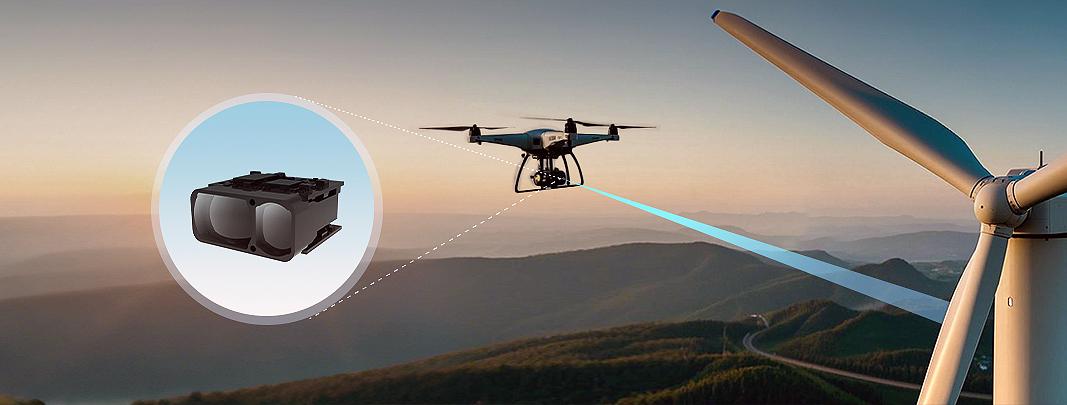
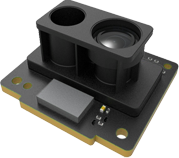
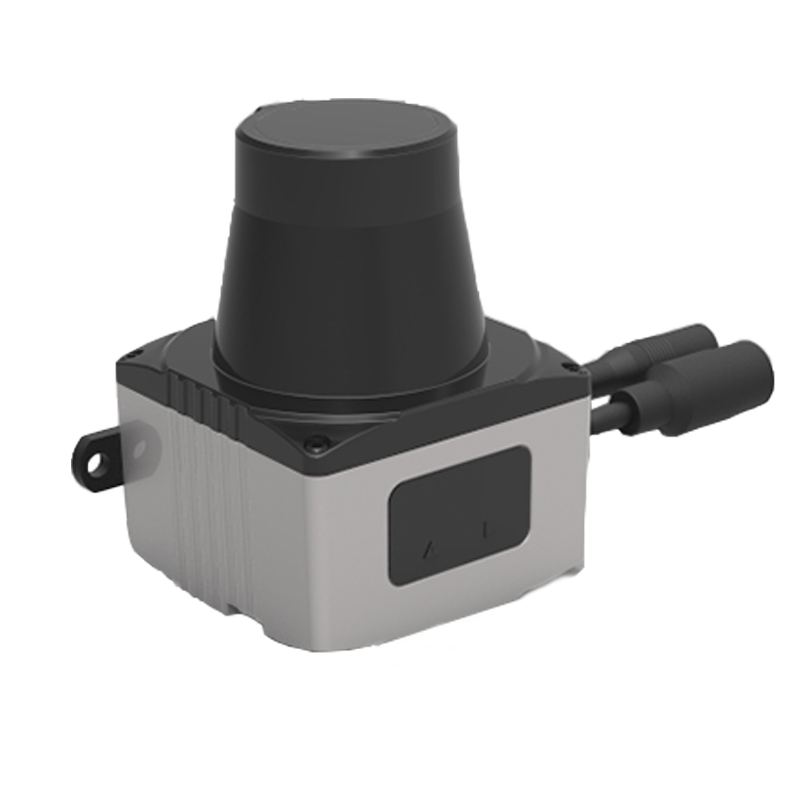
At Benewake, we are committed to exploring how advanced sensing technology can enhance the safety and performance of unmanned aerial systems. One area that has received significant attention is the integration of a lidar module for drone operations, particularly for autonomous takeoff and landing. By leveraging LiDAR technology, drones gain highly accurate distance measurements, precise terrain mapping, and real-time obstacle detection. This allows for more controlled operations even in complex or changing environments. We understand that the reliability of autonomous flight relies heavily on the quality of the sensors used, and incorporating LiDAR technology enables drones to navigate with confidence. Our experience has shown that using LiDAR in flight operations reduces errors, improves safety, and supports more consistent mission outcomes.
Precision Sensing for Safer Landings
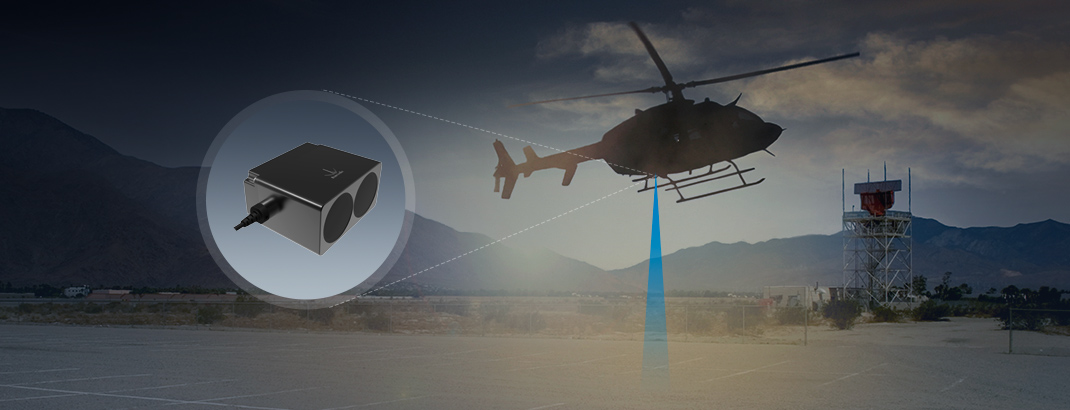
Landing a drone autonomously requires detailed knowledge of the surrounding environment. Our Benewake LiDAR modules provide real-time height measurement and obstacle detection, ensuring drones can calculate the safest approach path to the ground. These modules can identify uneven terrain, temporary obstacles, or objects that may interfere with landing, allowing the drone to adapt dynamically. By equipping drones with high-resolution LiDAR sensors, we can improve the accuracy and reliability of autonomous landings, which is particularly valuable for industrial or research applications. Furthermore, we have observed that integrating LiDAR directly into the flight control system enhances decision-making capabilities. This integration enables drones to respond instantly to sudden changes in their environment, resulting in smoother and more predictable landings.
Supporting Autonomous Takeoff with LiDAR Insights
Takeoff can be just as challenging as landing if a drone lacks situational awareness. At Benewake, we design LiDAR solutions that provide detailed spatial information to help drones determine the most stable lift-off path. A lidar module for drone can measure distances to nearby obstacles, detect elevation changes, and monitor environmental conditions. This information is essential for industrial operations or sites with confined spaces where even small obstacles can pose risks. By incorporating LiDAR data, we can ensure drones lift off safely and maintain a controlled ascent. We also focus on making these LiDAR modules compact, efficient, and capable of providing continuous feedback during the takeoff process, ensuring that drones can operate reliably across different conditions.
Conclusion: Advancing Drone Reliability with LiDAR Technology
In summary, a lidar module for drone plays a crucial role in enabling safe and precise autonomous takeoff and landing. At Benewake, we dedicate ourselves to providing LiDAR solutions that offer reliable sensing, obstacle detection, and terrain awareness for drones. These capabilities enhance operational safety, reduce the risk of errors, and allow drones to perform consistently in diverse environments. We are committed to developing solutions that meet the evolving needs of unmanned aerial systems, supporting safer and more efficient autonomous flight operations. By integrating LiDAR technology into drone platforms, we ensure that autonomous missions can be executed with greater confidence and predictability.