














Headquarters:3rd Floor, Haiguo Jiaye Sci-Tech Park, Haidian District, Beijing, China

We use cookies to enhance your browsing experience and serve personalized content.
Reject ALL
Accept ALL


2026-01-07
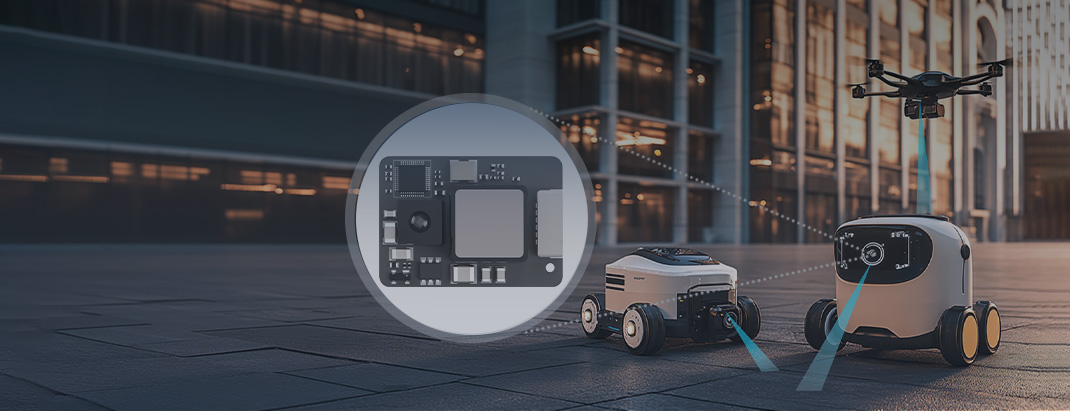
Drones have become essential tools for industrial, research, and recreational applications, and their takeoff performance plays a critical role in overall flight safety and efficiency. At Benewake, we have closely studied how different takeoff methods can influence a drone’s stability and operational reliability. Specifically, the choice between autonomous and manual takeoff can determine how effectively a drone adapts to its environment, especially when combined with precise sensing technologies. Using a high-quality lidar sensor for UAV provides significant advantages in both safety and navigation during these critical initial moments of flight.
Enhancing Safety with Autonomous Takeoff
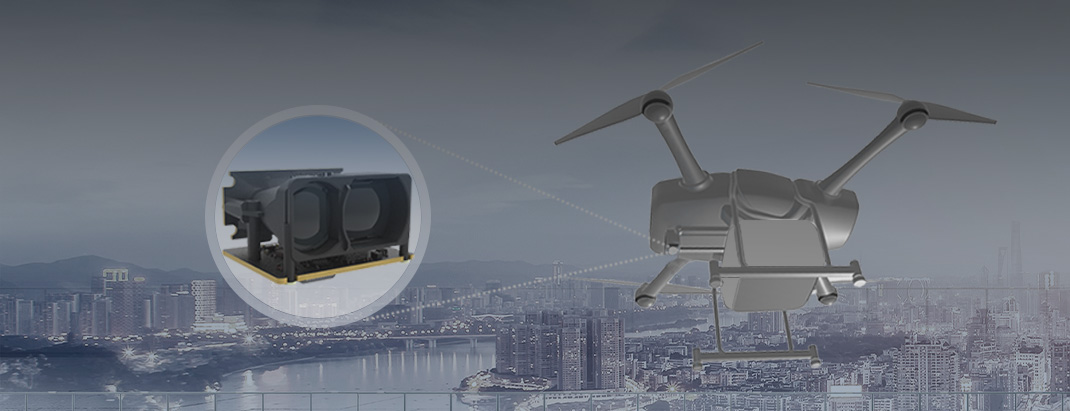
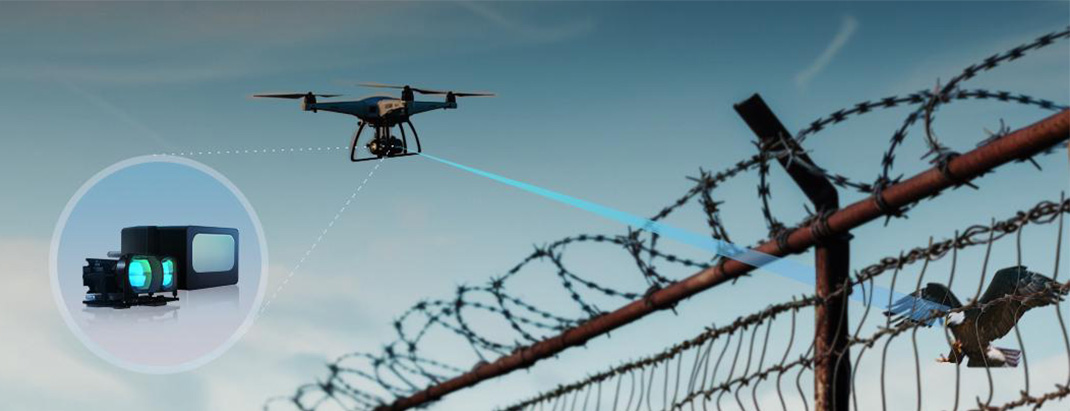
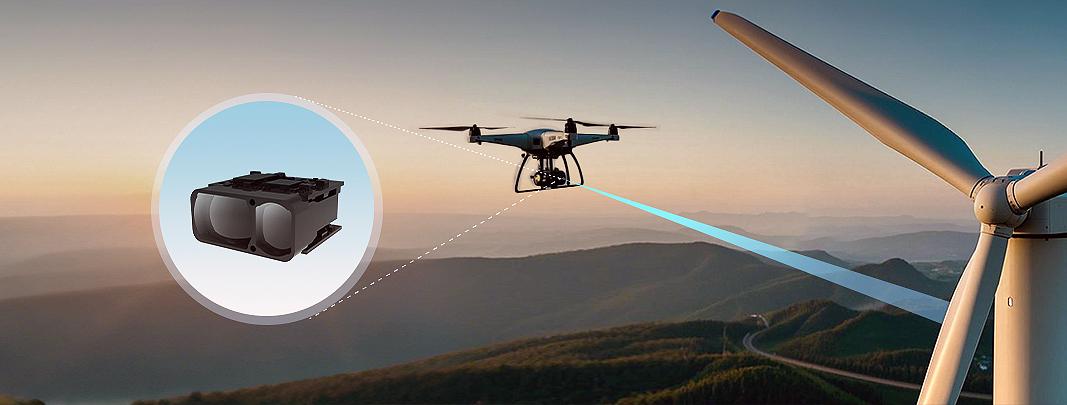
When a drone initiates an autonomous takeoff, it relies heavily on integrated sensors to monitor the surrounding environment. Our experience at Benewake shows that drones equipped with a lidar sensor for UAV can detect obstacles, changes in terrain, and other potential hazards in real time. This capability ensures that the drone can make small adjustments to its trajectory and altitude, reducing the risk of collisions immediately after liftoff. Unlike manual takeoff, which depends on the operator’s visual observation and reflexes, autonomous systems paired with LiDAR technology provide a consistently precise response to complex environments.
Improving Efficiency Through Precision
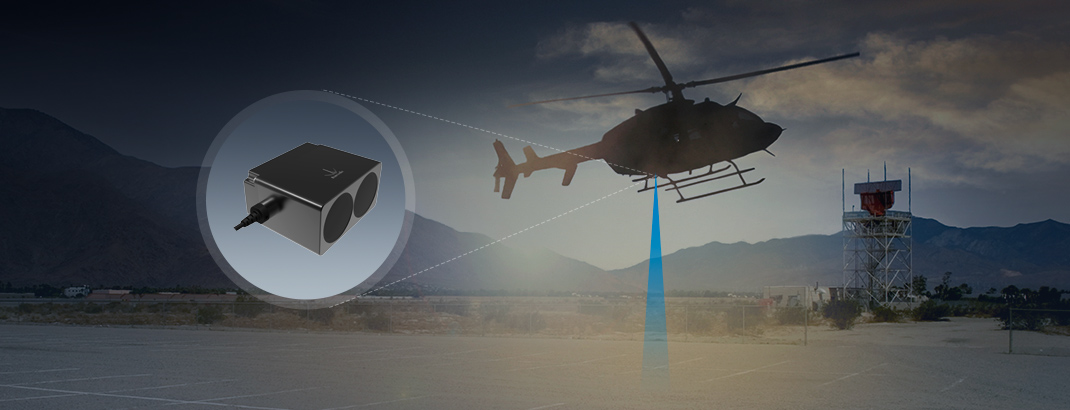
Efficiency is another area where autonomous takeoff combined with a lidar sensor for UAV stands out. We have observed that operators often face challenges with manual takeoff in areas with uneven surfaces or limited space. The integration of LiDAR allows the drone to measure distances accurately, calculate the optimal path, and stabilize quickly without requiring extensive manual input. At Benewake, we design our sensors to provide detailed spatial data, enabling drones to lift off smoothly and reach operational altitude faster. This precision not only saves time but also reduces wear and tear on drone components, supporting longer operational lifespans.
Benefits of Manual Takeoff in Controlled Environments
While autonomous takeoff has clear advantages, manual takeoff still has a role, particularly in controlled environments or for operators seeking fine control over initial movement. Even in these scenarios, using a lidar sensor for UAV can enhance situational awareness. Operators can receive feedback about nearby objects, ground irregularities, or unexpected obstacles. At Benewake, we emphasize that combining operator skill with advanced sensing provides a hybrid approach that maximizes safety without compromising flexibility.
Conclusion: LiDAR as a Key Factor
In conclusion, whether a drone is using autonomous or manual takeoff, incorporating a lidar sensor for UAV fundamentally improves safety, precision, and operational efficiency. At Benewake, we are committed to developing high-performance LiDAR solutions that meet the needs of professional UAV operators. Our sensors provide accurate distance measurement, obstacle detection, and real-time environmental awareness, making them essential components for reliable drone operation. By choosing solutions from Benewake, users can enhance the takeoff process and ensure smoother, safer, and more predictable flights.