














Headquarters:3rd Floor, Haiguo Jiaye Sci-Tech Park, Haidian District, Beijing, China

We use cookies to enhance your browsing experience and serve personalized content.
Reject ALL
Accept ALL


2026-01-07
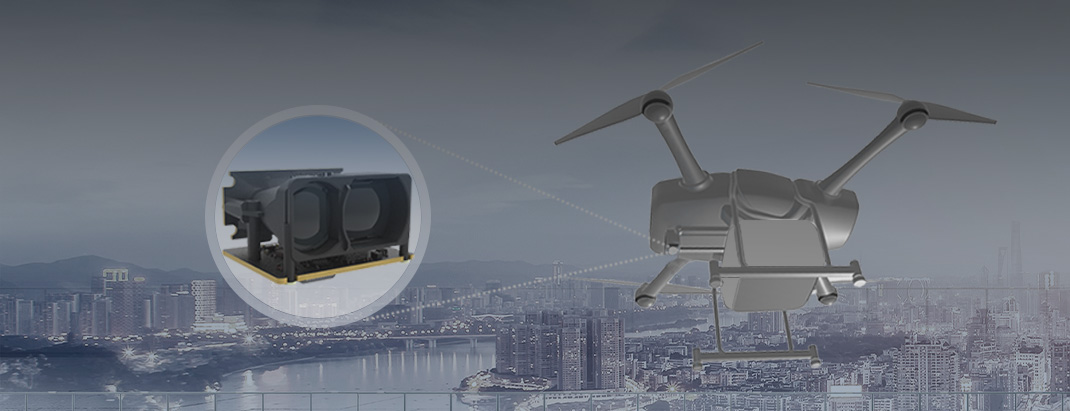
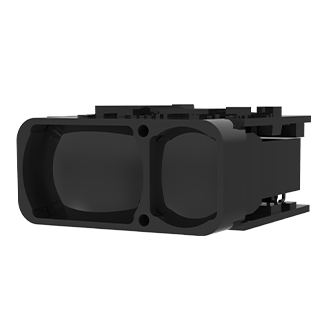
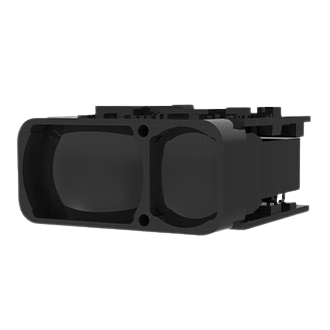
Operating unmanned aerial vehicles (UAVs) in challenging weather conditions has always been a significant concern for us. At Benewake, we constantly explore ways to enhance UAV reliability and operational efficiency. One of the key areas we focus on is the integration of advanced rain-fog algorithms into UAV systems. These algorithms allow drones to maintain stability and accuracy, even when visibility is reduced by rain or fog. By carefully analyzing environmental data in real time, we can help our clients achieve safer and more consistent drone performance. Our experience shows that weather-resistant operations are no longer a theoretical concept but a practical solution when combined with high-quality sensors for drones.
Enhancing Sensor Responsiveness in Low Visibility
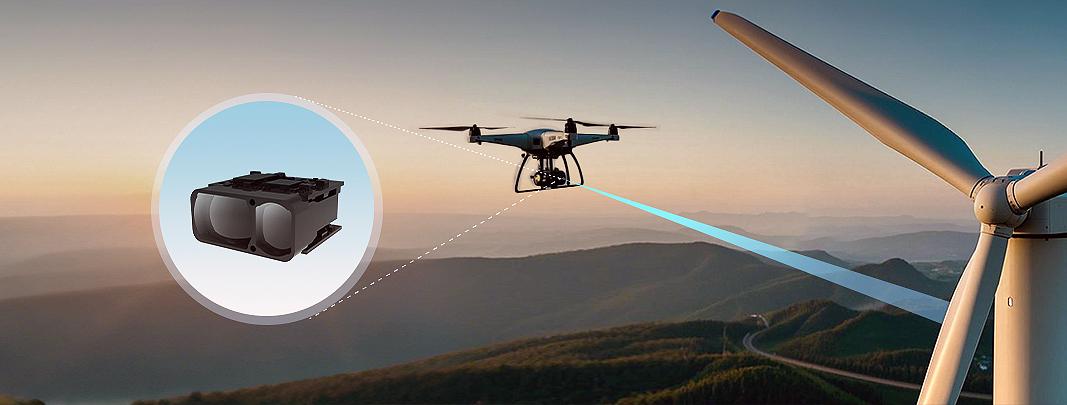
One of the main benefits of rain-fog algorithms is their ability to improve the responsiveness of UAV detection systems. By optimizing the processing of environmental interference, these algorithms help drones interpret sensor signals more accurately. At Benewake, we have developed UAV solutions that integrate sophisticated sensors for drones, capable of filtering out noise caused by raindrops or mist. This allows operators to rely on their drones for complex tasks such as monitoring infrastructure, surveying large areas, or performing industrial inspections under adverse weather conditions. In our experience, combining smart algorithms with high-performance sensors significantly reduces operational errors and increases mission reliability.
Adaptive Flight Control and Safety
Rain-fog algorithms also play a vital role in adaptive flight control. These algorithms continuously adjust flight parameters based on real-time data from Benewake sensors. This ensures that the UAV maintains stable altitude, speed, and direction, even when environmental conditions fluctuate. We have observed that when UAVs are equipped with these advanced systems, pilots can complete tasks with confidence, knowing the drones can autonomously compensate for rain or fog interference. Furthermore, these enhancements extend the operational window for UAVs, allowing missions to proceed in conditions that would traditionally require postponement, thereby improving overall efficiency.
Practical Applications and Performance Monitoring
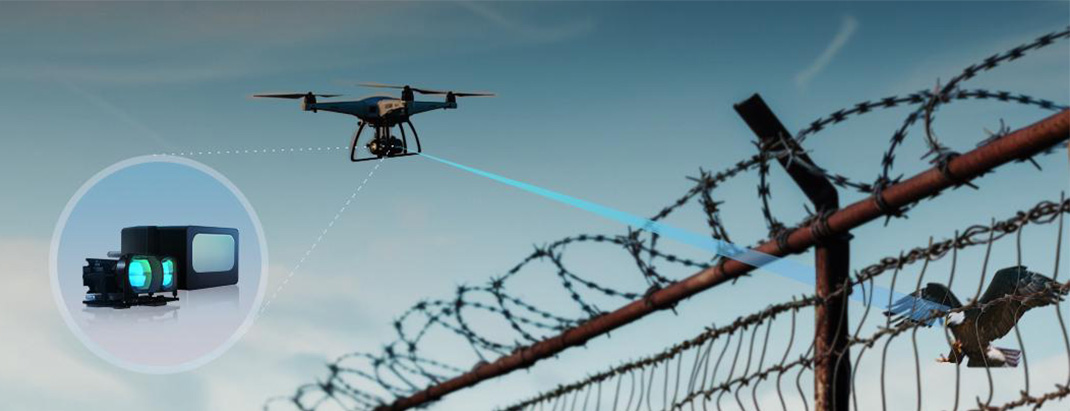
Implementing rain-fog algorithms is not limited to academic or experimental setups. At Benewake, we routinely deploy drones equipped with sensors for drones to assist in inspection projects, agricultural monitoring, and environmental surveys. These applications highlight the importance of reliable weather adaptation, as drones must navigate unpredictable conditions while maintaining high accuracy. Additionally, by analyzing performance data collected during flights, we can fine-tune algorithm parameters to optimize sensor performance further. This iterative approach ensures that each UAV mission benefits from our accumulated expertise and technological advancements.
Conclusion
In conclusion, rain-fog algorithms are transforming UAV operations by enhancing sensor accuracy, adaptive flight control, and mission reliability. At Benewake, we take pride in developing solutions that leverage high-quality sensors for drones to meet the challenges posed by adverse weather conditions. By integrating these algorithms with our UAV systems, we provide clients with safer, more efficient, and more dependable drone operations. Our ongoing commitment to innovation ensures that every UAV mission can achieve its objectives, regardless of environmental challenges.