














Headquarters:3rd Floor, Haiguo Jiaye Sci-Tech Park, Haidian District, Beijing, China

We use cookies to enhance your browsing experience and serve personalized content.
Reject ALL
Accept ALL


2026-01-22
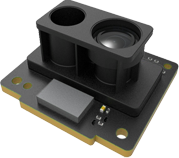
In the ever-evolving world of LiDAR technology, Benewake continues to lead with innovations that enhance the precision, efficiency, and functionality of mini LiDAR systems. One such breakthrough is the application of histogram-based ranging in our mini LiDAR modules. This advanced technology is reshaping how LiDAR systems operate, offering businesses unparalleled accuracy in various industries, including robotics and mapping.
What is Histogram-Based Ranging? Understanding the Core Technology
Histogram-based ranging is a technique that enhances the precision and reliability of distance measurements in LiDAR systems. Instead of relying solely on single-point measurements, this method analyzes the intensity of the reflected laser signals across a range of angles, creating a histogram that helps determine the most accurate distance to an object. Benewake's mini LiDAR modules incorporate this technology to improve range detection and accuracy, ensuring superior performance in complex environments.
The beauty of histogram-based ranging lies in its ability to differentiate between multiple reflections, a common challenge in traditional LiDAR systems. By processing the entire distribution of reflected signals, our mini LiDAR modules can provide a more comprehensive and accurate measurement, making them ideal for applications where precision is crucial.
Improving Range Precision: How Histogram-Based Ranging Boosts Performance
The introduction of histogram-based ranging in Benewake's mini LiDAR modules significantly enhances range accuracy, particularly in challenging environments. This method improves data quality by reducing errors caused by multiple reflections or signal noise, common issues in LiDAR measurements. As a result, the range accuracy is vastly improved, even in environments with dense objects or varying surfaces.
For example, in mapping, where precise distance measurements are vital for navigation and obstacle avoidance, histogram-based ranging ensures that the LiDAR system can accurately detect objects, even in cluttered or reflective environments. Benewake's mini LiDAR modules outperform traditional systems, offering more reliable data that drives safer and more efficient autonomous driving technologies.
Applications of Histogram-Based Ranging in Miniature LiDAR: Expanding Possibilities
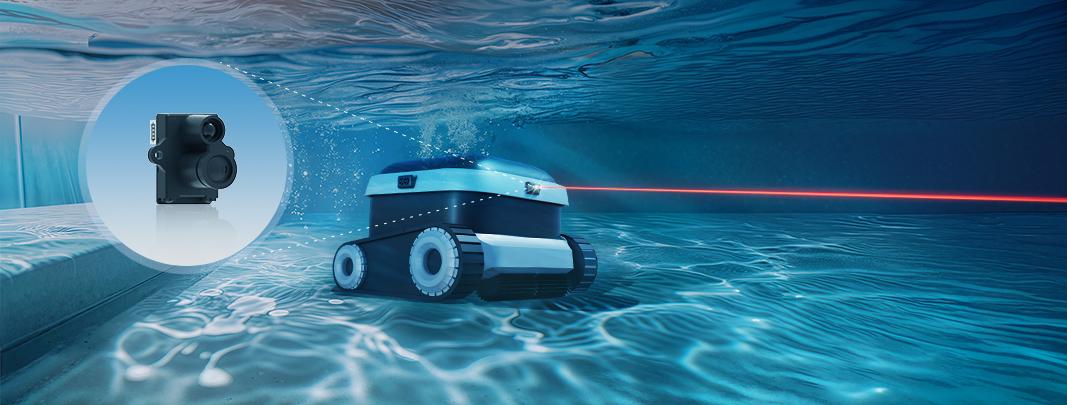
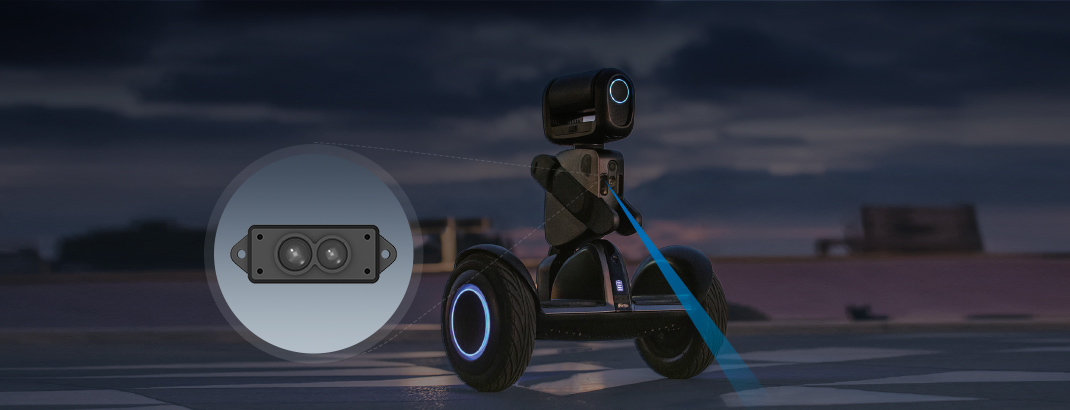
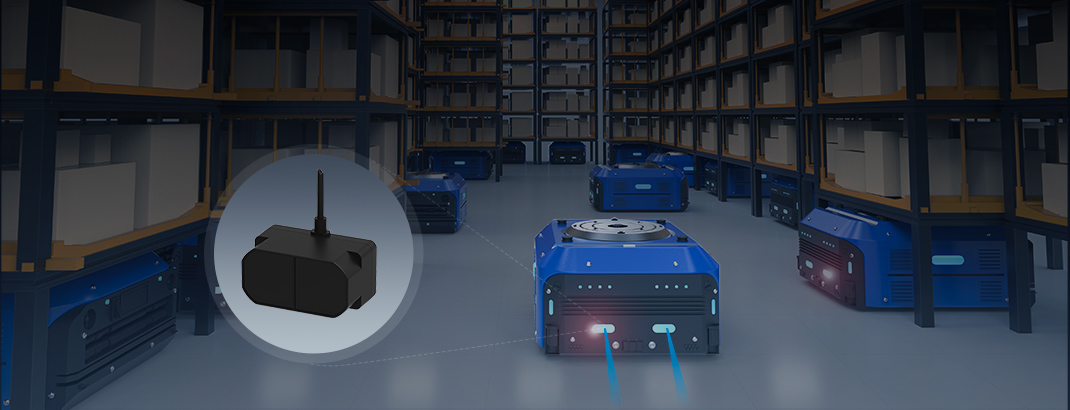
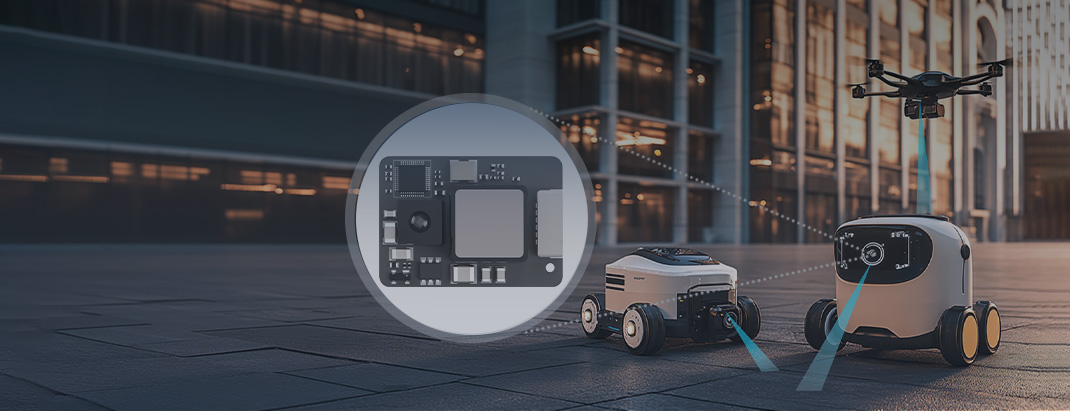
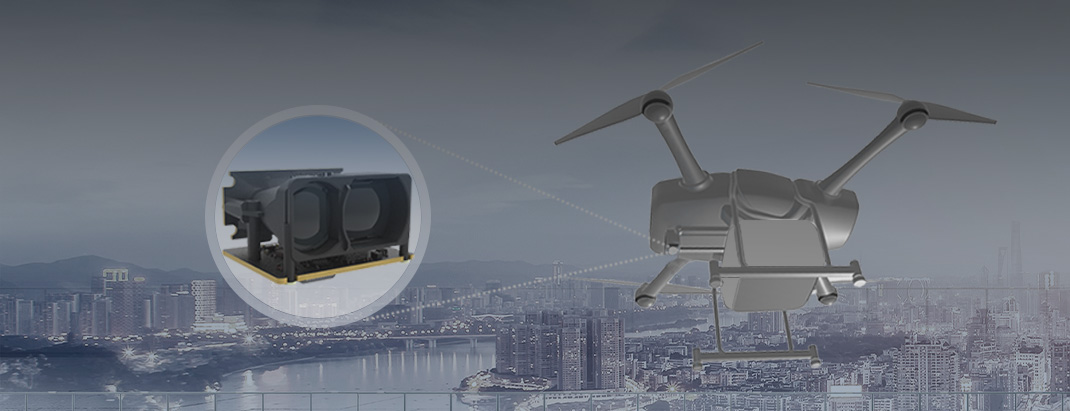
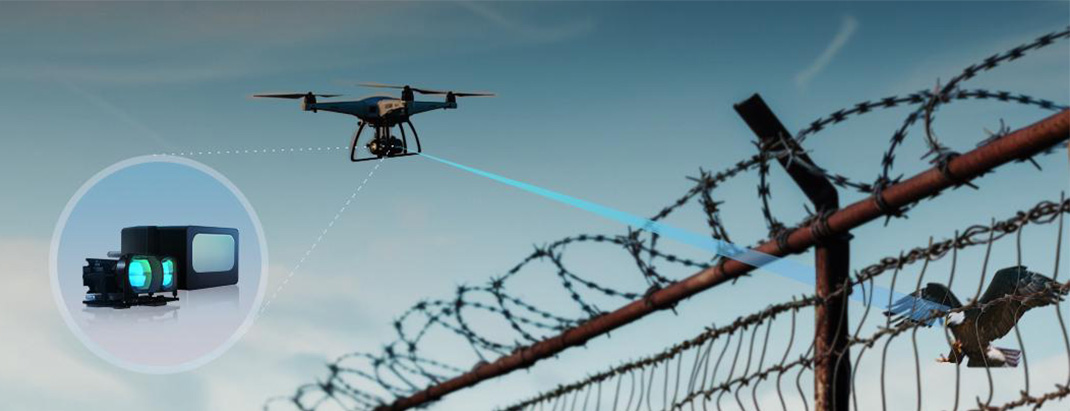
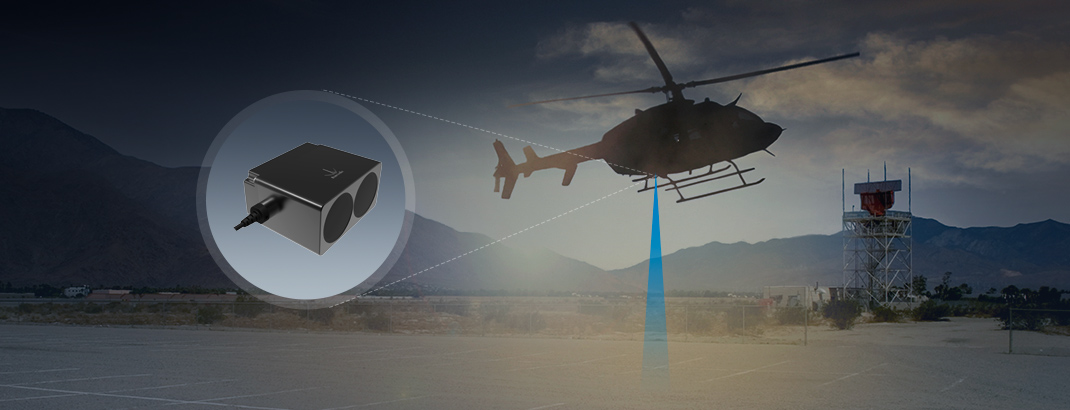
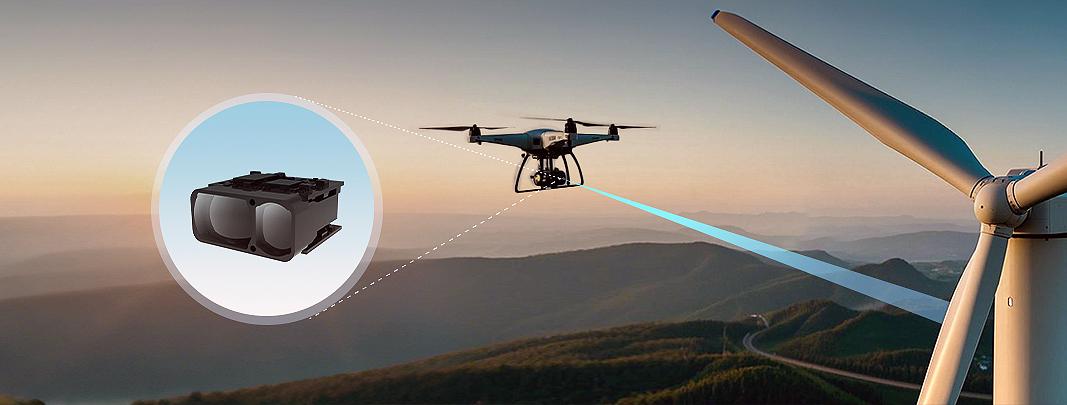
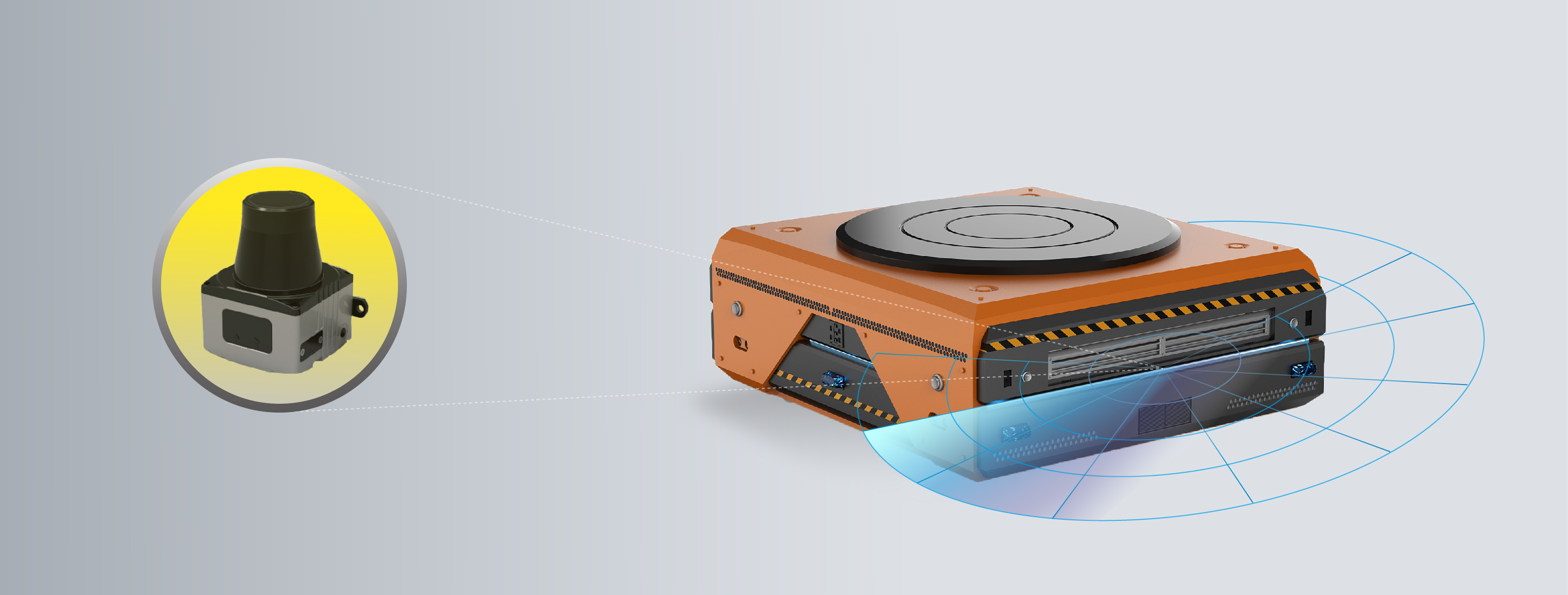
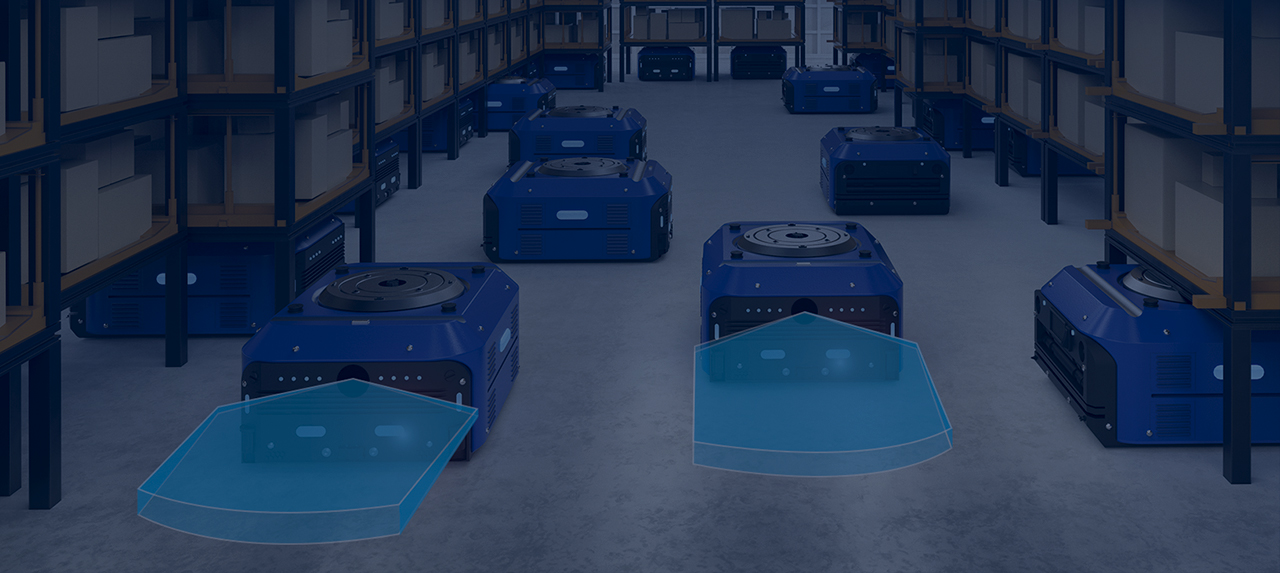
The ability to measure distances accurately in challenging environments opens up a world of possibilities for industries relying on mini LiDAR technology. In robotics, for instance, Benewake's mini LiDAR modules with histogram-based ranging enable robots to navigate complex environments with greater precision. Similarly, in the realm of drones, this technology allows for more accurate altitude measurements, which is critical for stable flight and obstacle detection.
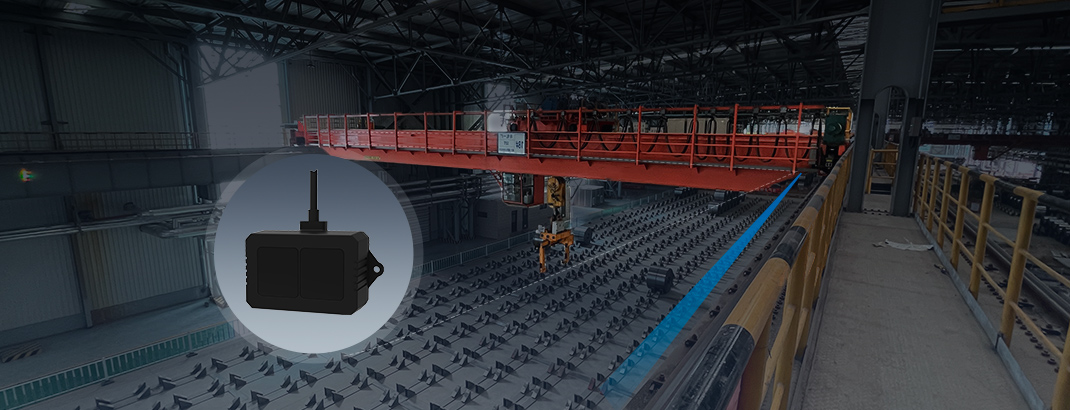
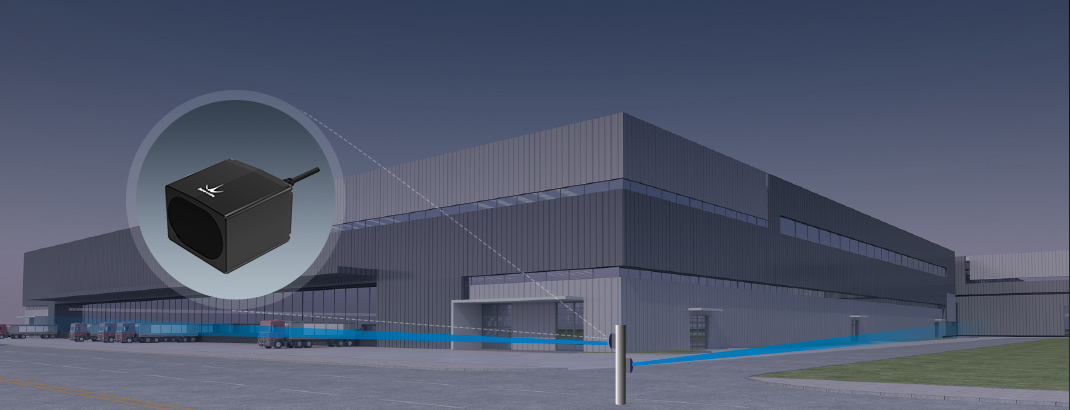
Furthermore, Benewake's mini LiDAR systems with histogram-based ranging play a crucial role in high-precision applications such as mapping and surveying. By offering accurate 3D scanning capabilities, this technology is enabling advancements in topographic mapping, industrial automation, and even environmental monitoring.
Conclusion
Incorporating histogram-based ranging into Benewake's mini LiDAR modules marks a significant leap forward in LiDAR technology. By enhancing range precision, improving data quality, and expanding the capabilities of miniaturized systems, this innovative technique is reshaping industries that depend on LiDAR technology. Whether it's for robotics, or mapping applications, our mini LiDAR modules with histogram-based ranging provide businesses with the accuracy and reliability they need to stay ahead in an increasingly competitive landscape.