
















Headquarters:3rd Floor, Haiguo Jiaye Sci-Tech Park, Haidian District, Beijing, China

We use cookies to enhance your browsing experience and serve personalized content.
Reject ALL
Accept ALL


2026-01-22
As industries evolve and demand more accurate and efficient systems, Benewake's LiDAR technology has emerged as a game-changer in tank inspection and material volume management. LiDAR (Light Detection and Ranging) has gained widespread recognition for its ability to provide high-precision volume measurements, and we are leading the charge in optimizing this technology for real-time tank inspections.
High-Precision Tank Volume Detection Using LiDAR
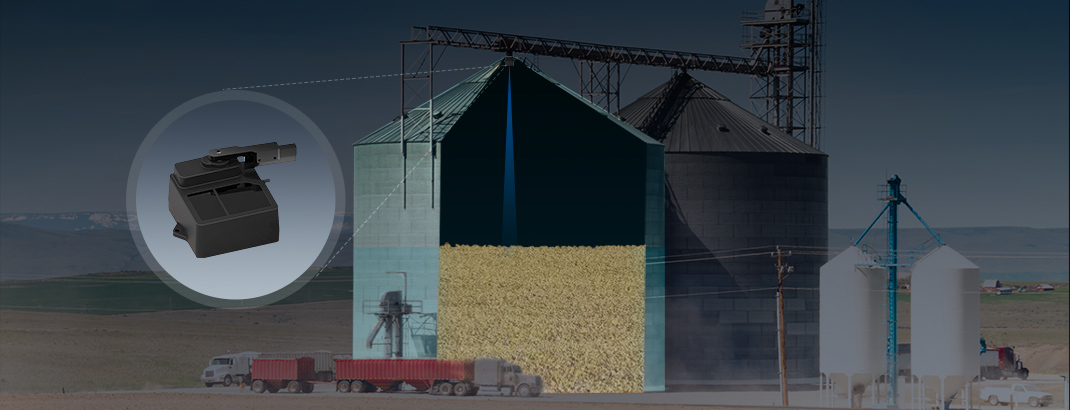
LiDAR tank inspection systems are built to deliver precision that traditional methods can't match. Benewake's LiDAR technology allows for real-time monitoring of material levels within tanks, silos, and other storage units. With a high level of accuracy—down to 1% volumetric measurement precision—this system ensures that businesses can maintain precise control over their material stock. Whether it's measuring grain levels, monitoring coal piles, or assessing other bulk materials, our LiDAR systems provide accurate data that is crucial for operational efficiency.
The ability to monitor tank levels continuously and remotely not only helps prevent overstocking or running out of materials but also reduces manual labor and the errors associated with traditional measurement methods. This enhanced accuracy is essential for industries that require continuous tracking and adjustment to optimize material management and resource allocation.
Advanced Functionality for Optimized Performance
One of the standout features of Benewake's LiDAR tank inspection system is its robust functionality, which ensures optimal performance in even the harshest industrial environments. The system comes equipped with a self-cleaning function to remove dust that may obstruct the sensor's measurements, ensuring that tank inspection remains reliable over time. Additionally, the system offers adjustable scanning angles and speeds, making it versatile for different types of tanks and materials.
Wireless transmission is another key feature of Benewake's LiDAR technology, allowing real-time data to be transmitted seamlessly to remote monitoring systems. This capability ensures that decision-makers always have access to the most up-to-date information about material levels, even in areas where traditional wired systems would be impractical or too costly. The integration of wireless technology enhances operational efficiency, reduces downtime, and ensures continuous data flow for critical decision-making.
Case Study: Enhancing Tank Inspection with Benewake's LiDAR
A prime example of Benewake's LiDAR revolutionizing material management is seen in the Hyperion Real-Time Stockpile Measurement System. This system utilizes our LiDAR technology to automate the process of stockpile measurement, eliminating the need for manual labor and providing continuous, real-time updates. The Hyperion system has not only improved the accuracy of stockpile volume measurement but also facilitated seamless integration with inventory management systems.
By automating stockpile tracking, businesses can minimize human error, optimize inventory management, and improve overall operational efficiency. The real-time updates provided by Benewake's LiDAR system ensure that businesses have accurate, actionable data at their fingertips, helping them make more informed decisions about inventory and material handling.
Conclusion
Incorporating Benewake's LiDAR technology into tank inspection and material volume measurement processes offers industries a precision-driven solution that enhances efficiency, accuracy, and operational control. With advanced features like self-cleaning, adjustable scanning, and wireless transmission, our LiDAR systems are ideal for businesses seeking to improve their material management practices. The real-world success stories, such as the Hyperion system, underscore the transformative potential of LiDAR in tank inspection and stockpile management. As industries continue to prioritize efficiency, we are paving the way for smarter, more reliable material monitoring solutions.