














Headquarters:3rd Floor, Haiguo Jiaye Sci-Tech Park, Haidian District, Beijing, China

We use cookies to enhance your browsing experience and serve personalized content.
Reject ALL
Accept ALL


2026-03-17
Traffic monitoring is essential for urban planning, intersection control, and smart transportation systems. For decades, loop detectors embedded in roadways have been the standard method for counting vehicles and triggering signal changes. Today, however, alternative technologies like LiDAR are increasingly considered for traffic counting and analysis. At Benewake, we are focused on how our TFA300 lidar and other Benewake lidar solutions can support accurate, reliable traffic data collection across a variety of transportation applications.
Traditional Loop Detectors Explained
Loop detectors are coils of wire installed beneath the surface of a road that detect changes in magnetic fields as vehicles pass over or sit on them. These systems have been widely deployed because they provide consistent presence detection and can be tuned carefully to minimize errors under ideal conditions. Loop detectors are often integrated with signal controllers and traffic management systems to count vehicles and actuate lights. However, installation requires cutting into pavement, and maintenance can involve road closures and disruption to traffic flow. They are generally accurate for basic vehicle counts but do not inherently provide additional spatial information such as trajectories or classification of road users.
How LiDAR Traffic Counting Works
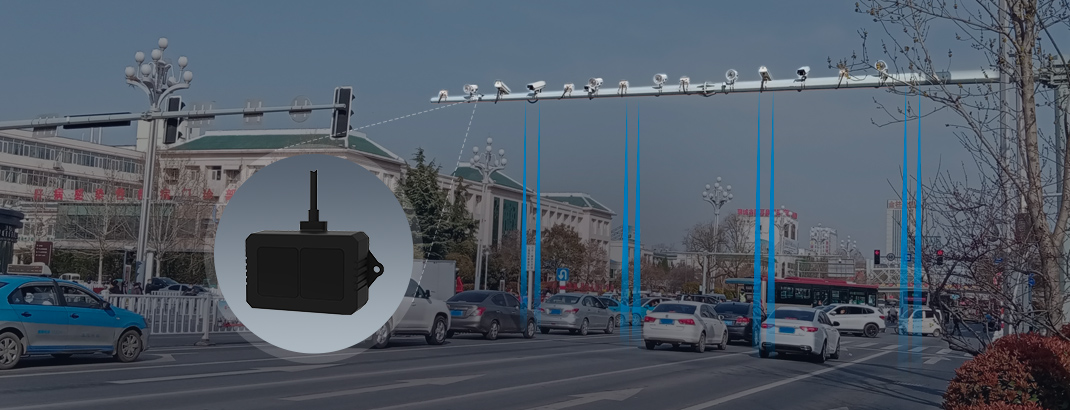
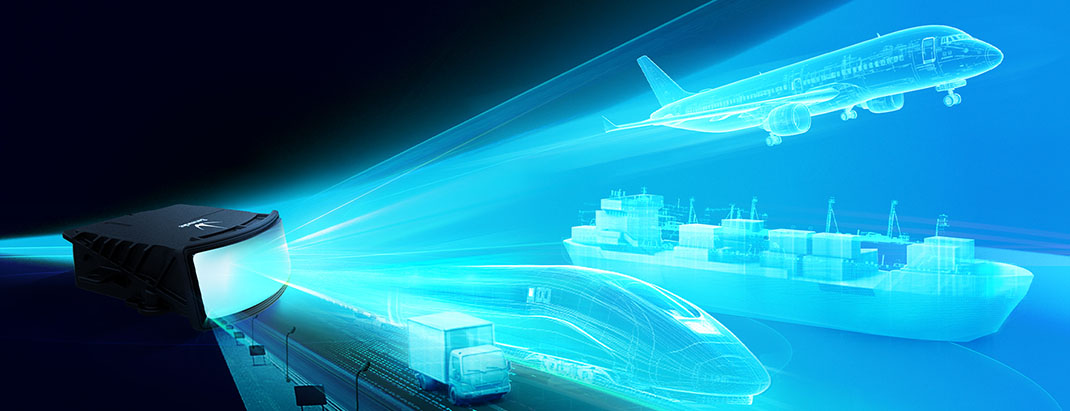
LiDAR, short for Light Detection and Ranging, operates by emitting laser pulses and measuring the time it takes for reflections to return. This creates precise spatial data of objects within the sensor's field of view. While loop detectors only sense presence at a specific spot, LiDAR-based systems observe vehicles through a three-dimensional measurement approach. This means LiDAR can detect position, speed, movement, and more nuanced behaviors than presence alone. Research indicates that LiDAR systems can achieve high accuracy levels in vehicle volume counts when compared to benchmark methods, with some studies reporting low percentage errors in motorized traffic counts.
Comparing Accuracy
When it comes to pure vehicle counting accuracy, both technologies perform respectably under controlled conditions. Loop detectors can deliver dependable counts where installation and maintenance have been optimized. Non-intrusive technologies like LiDAR, however, offer additional advantages beyond detection alone. LiDAR systems report a rich set of data, such as spatial position and movement patterns, enabling more detailed traffic analysis, including vehicle classification and trajectory insights. Moreover, studies show that LiDAR can consistently capture vehicle counts across various conditions, including day and night, weather changes, and different intersection geometries.
LiDAR's advantage in versatility can translate to comprehensive datasets that support dynamic signal control, flow analysis, and multimodal traffic insights. This does not mean loop detectors are inaccurate, but rather that LiDAR extends the type of actionable intelligence available from raw counts alone.
What the TFA300 Lidar Offers
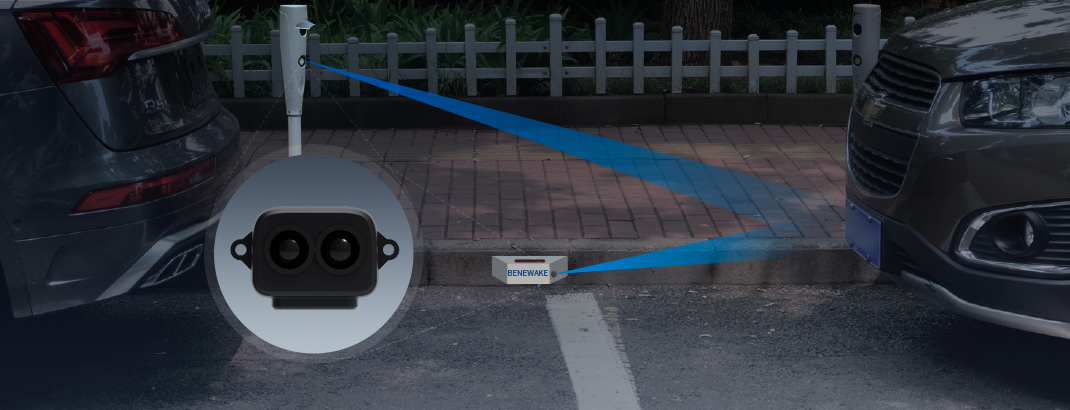
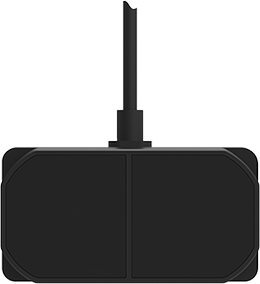
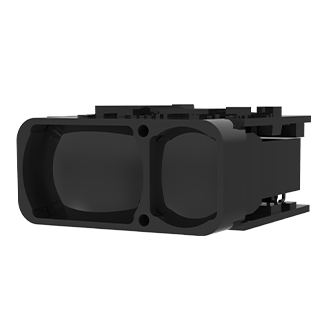
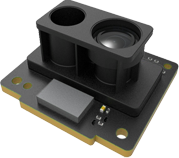
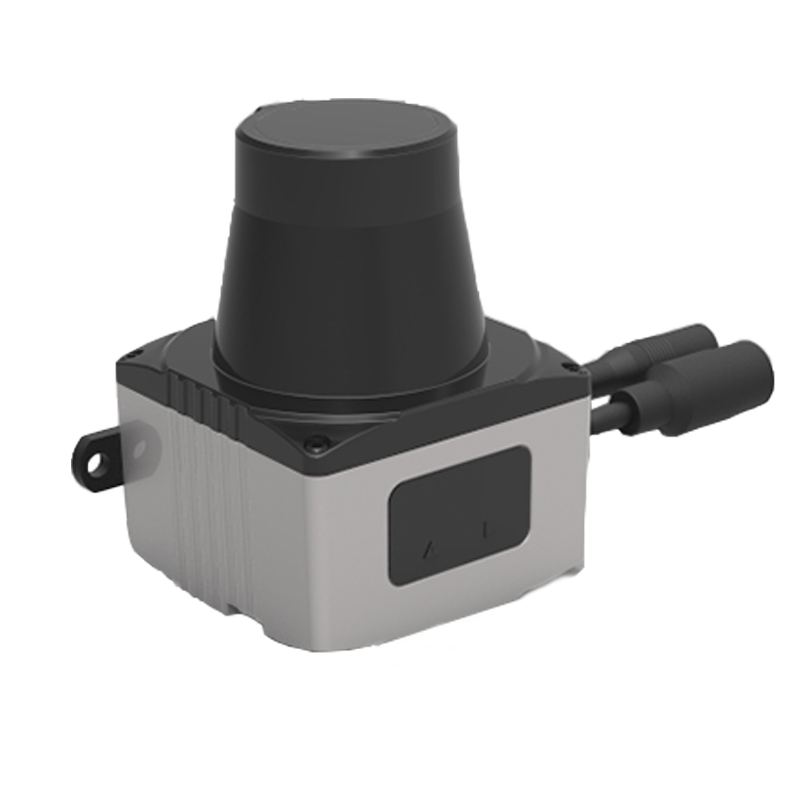
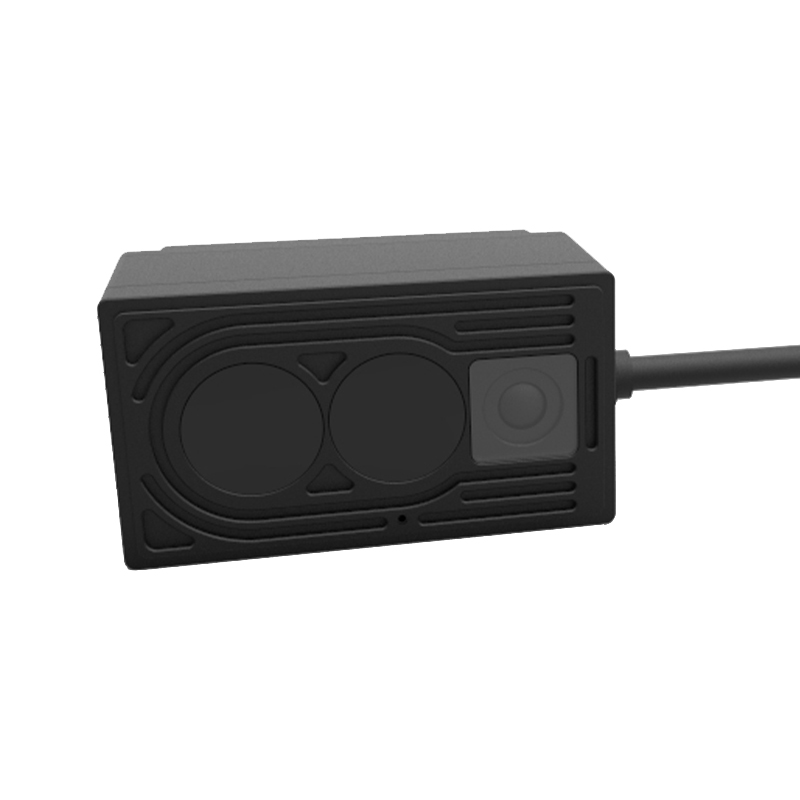
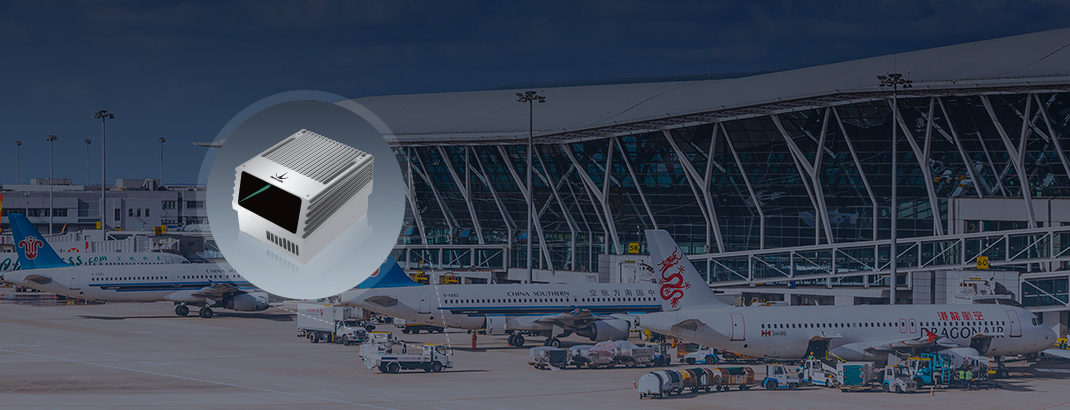
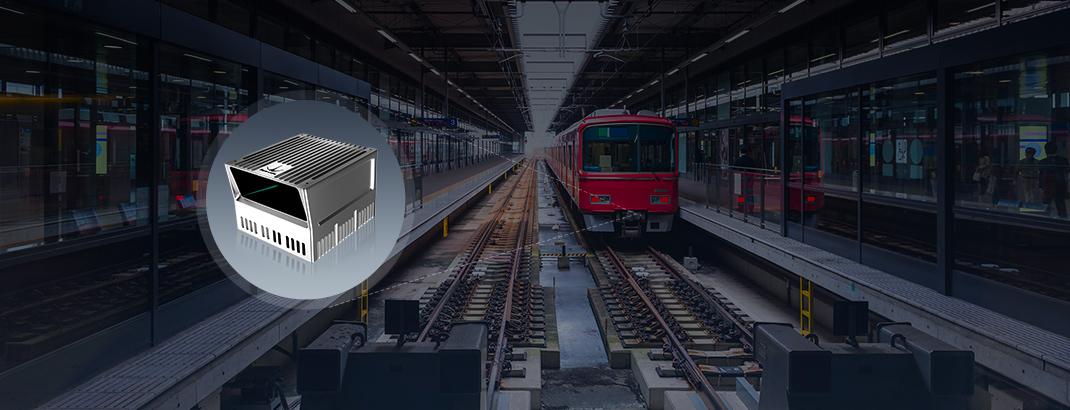
Our Benewake lidar sensor, specifically the TFA300 lidar, provides precise distance measurements with high frequency and long range. With a compact form factor and excellent repeatability, it can be configured for various sensing needs, including traffic detection and monitoring in roadside applications.
Conclusion
Choosing between traditional loop detectors and Benewake lidar involves considering more than just count accuracy. While loop detectors can offer robust presence detection, LiDAR-based traffic counting delivers richer spatial data and adaptable deployment without roadway disruption. For applications where detailed traffic insights matter and non-intrusive installation is preferred, the TFA300 LiDAR and other Benewake LiDAR sensors provide a strong option. Learn more about Benewake's traffic sensing solutions, and contact our team to see how LiDAR can support your next project.