





















Headquarters:3rd Floor, Haiguo Jiaye Sci-Tech Park, Haidian District, Beijing, China

We use cookies to enhance your browsing experience and serve personalized content.
Reject ALL
Accept ALL


2026-01-07
In today’s urban environments, parking has become a significant challenge for both city planners and drivers. As we at Benewake observe, traditional parking management methods often rely on manual monitoring, physical tickets, or limited sensor systems. While these approaches may have served well in the past, they are increasingly unable to meet the demands of growing cities. With the rise of technology, intelligent solutions offer more efficient and accurate ways to manage parking spaces, providing benefits that extend beyond mere convenience.
Limitations of Traditional Parking Management
Traditional parking management typically involves human oversight and simple electronic systems. Staff must monitor entry and exit points, check parking tickets, and handle disputes or errors. This approach is labor-intensive and prone to inefficiencies. Mistakes in space allocation or miscommunication can lead to wasted parking capacity and increased congestion. Furthermore, traditional systems often lack real-time data collection, making it difficult for city planners or facility managers to understand usage patterns and optimize their resources. These limitations highlight the need for more advanced solutions in modern urban settings.
Advantages of Intelligent Parking Management
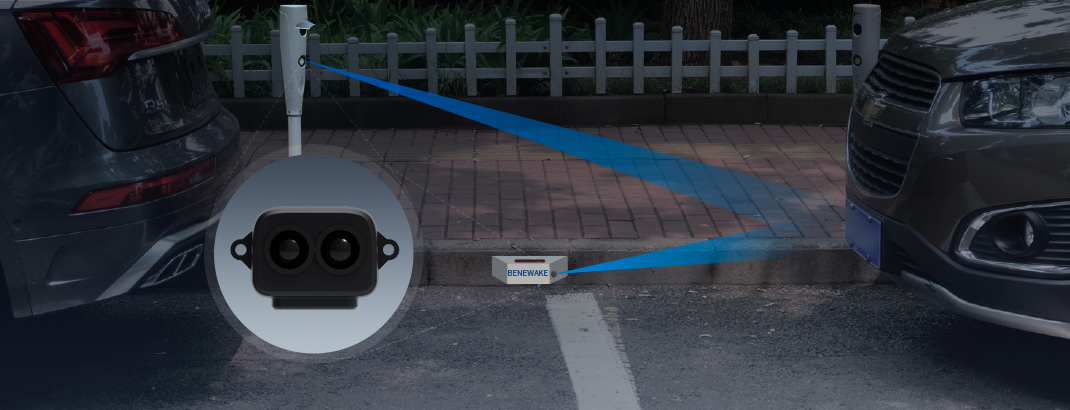
By contrast, an intelligent parking monitoring system leverages advanced sensors and real-time data processing to track occupancy accurately. At Benewake, we implement solutions that monitor every parking space continuously, providing instant updates to drivers and operators. This technology allows for automated guidance, reducing the time drivers spend searching for vacant spots, which also contributes to lower emissions from unnecessary vehicle circulation. Intelligent systems can also integrate analytics tools, helping management teams identify trends, predict peak hours, and plan for future expansions with greater accuracy. Overall, the transition to intelligent parking management improves efficiency, reduces operational costs, and enhances user experience.
Practical Applications and Implementation
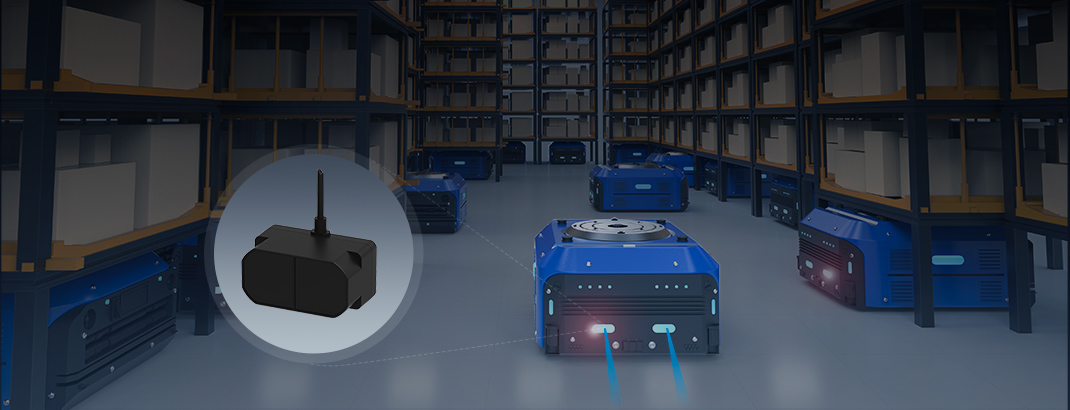
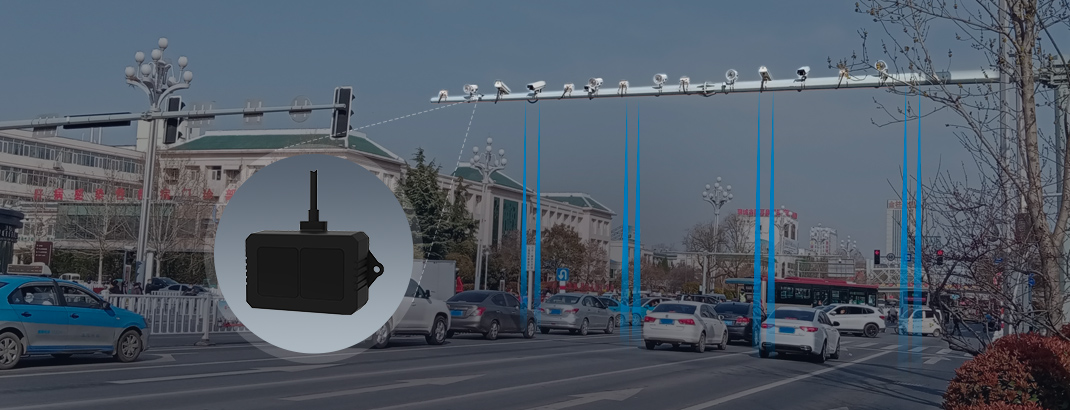
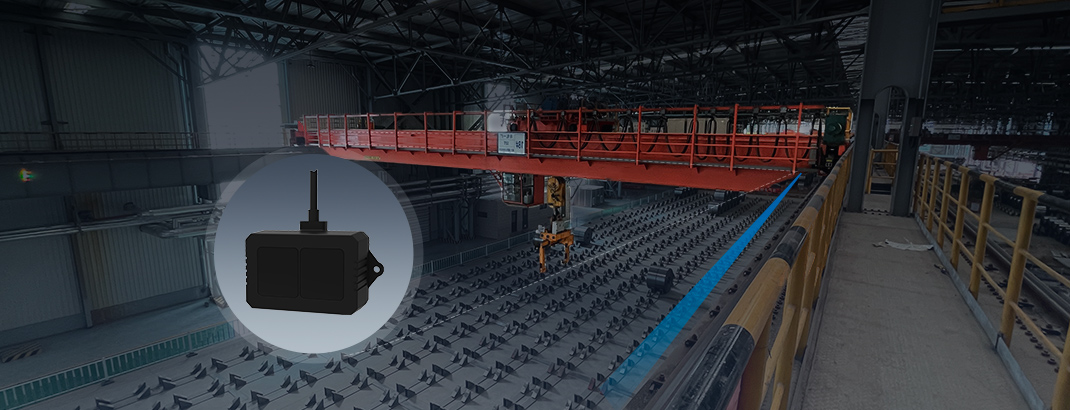
In practice, intelligent parking monitoring systems are versatile and adaptable to various environments, including commercial complexes, urban streets, and industrial facilities. Unlike traditional methods, these systems provide centralized monitoring and reporting, which supports strategic decision-making. At Benewake, our solutions are designed to integrate seamlessly with existing infrastructure while offering scalability for larger parking areas. For industrial applications, such as mining sites or logistics hubs, intelligent monitoring ensures safety and optimized space usage, reducing downtime and operational bottlenecks. The combination of precise sensing technology and actionable insights transforms the way parking spaces are managed on both small and large scales.
Conclusion
As we reflect on the evolution from traditional to intelligent parking management, it becomes clear that technology-driven solutions offer tangible benefits for cities, businesses, and drivers alike. Implementing a modern parking monitoring system provides better resource utilization, enhanced user experience, and operational efficiency. At Benewake, we are committed to delivering advanced solutions that support the transition to smarter urban environments. Our products are designed to meet the real-world needs of parking management, ensuring accuracy, reliability, and adaptability in a variety of settings.