














Headquarters:3rd Floor, Haiguo Jiaye Sci-Tech Park, Haidian District, Beijing, China
We use cookies to enhance your browsing experience and serve personalized content.
Reject ALL
Accept ALL


2026-03-05
When working with compact distance sensors like the TF Luna Lidar, choosing the right communication interface can significantly impact performance and integration. At Benewake, we understand the nuances of sensor communication, and we aim to help developers and engineers select the interface that best fits their applications.
Understanding TF Luna Lidar Interfaces
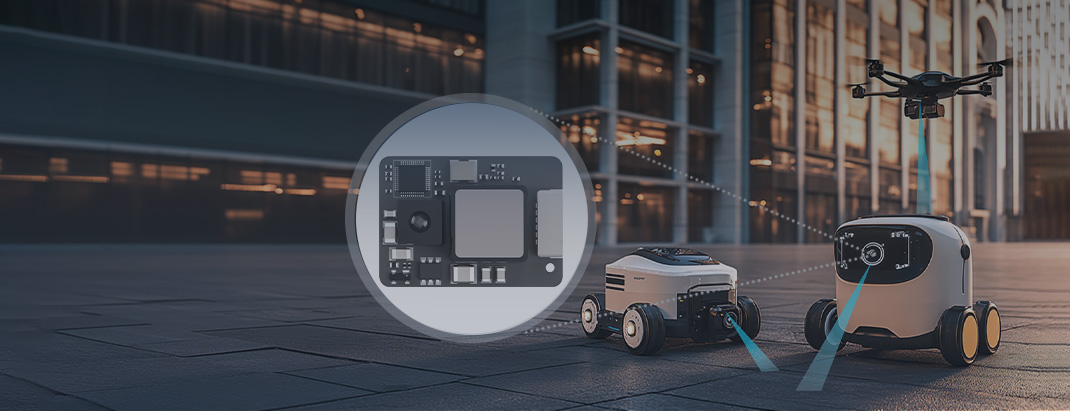
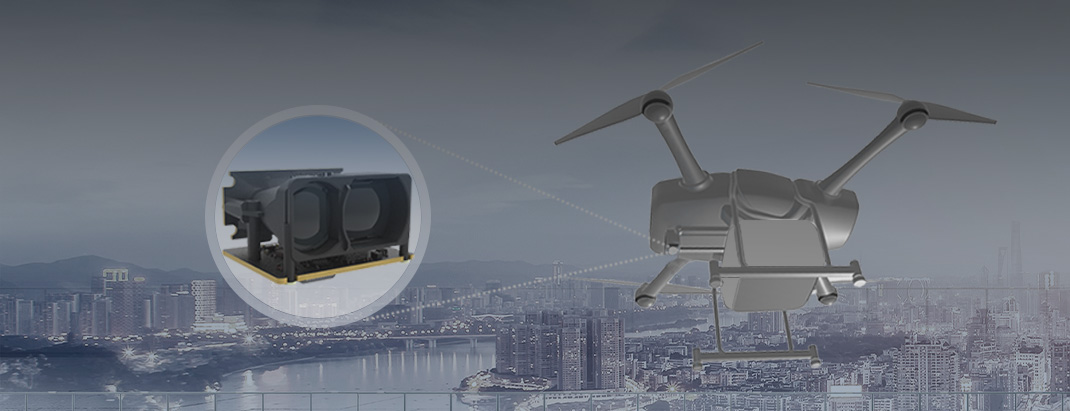
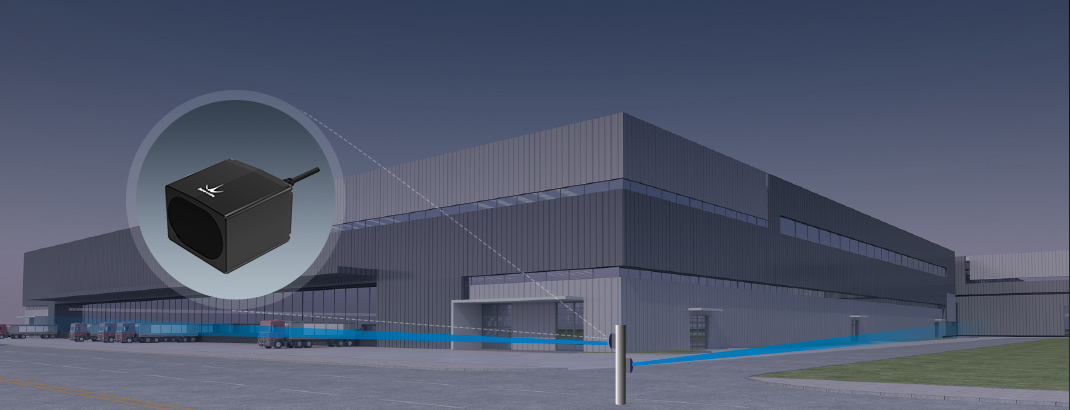
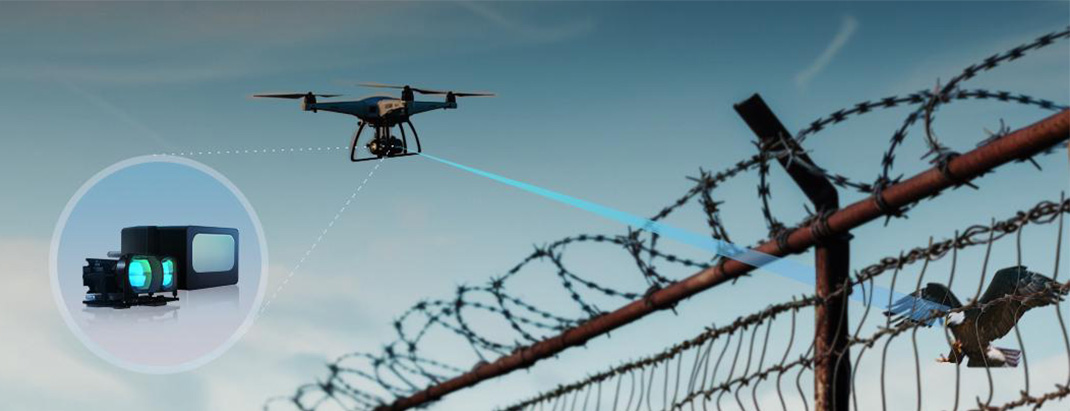
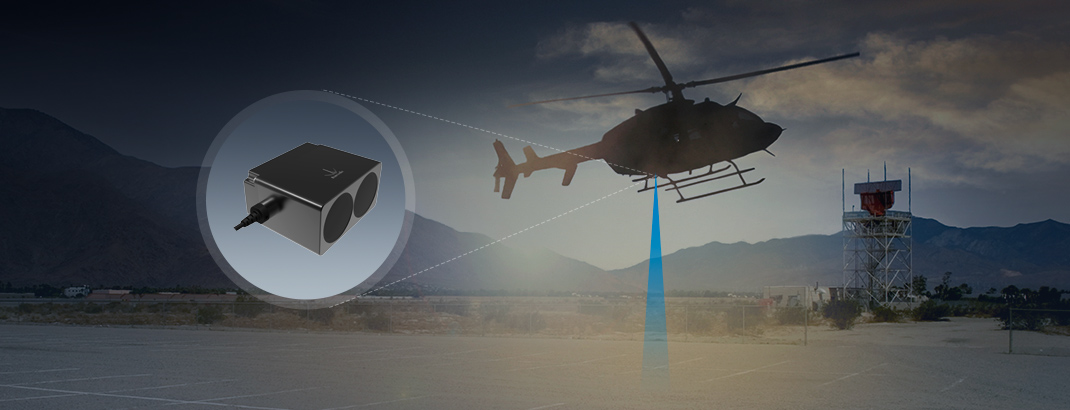
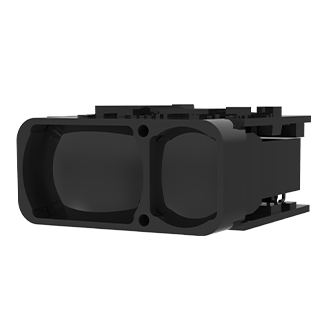
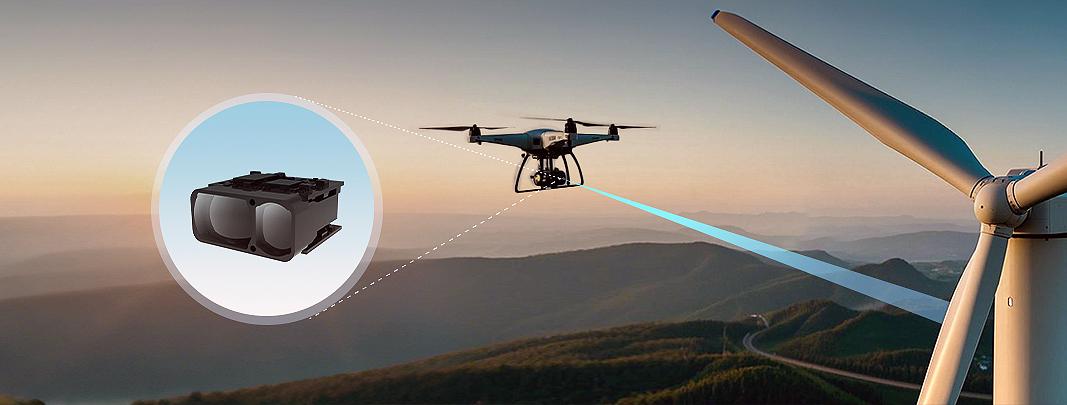
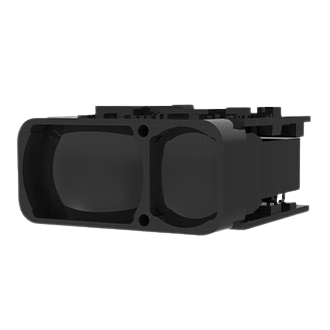
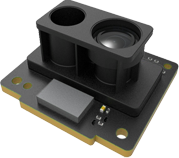
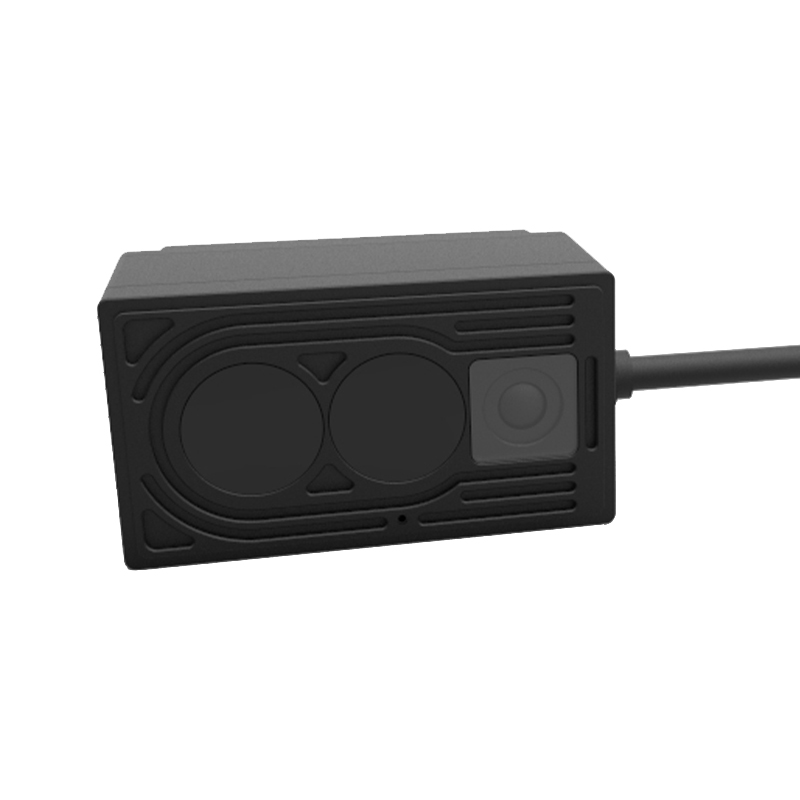
The TF Luna Lidar is a compact, lightweight sensor capable of measuring distances with impressive accuracy. Its design makes it suitable for drones, robotics, and small automation projects. To communicate with other devices, the sensor primarily offers UART and I2C interfaces. Each interface comes with distinct characteristics that influence speed, reliability, and ease of integration.
Benefits of UART Communication
UART, or Universal Asynchronous Receiver/Transmitter, is a straightforward and widely used communication protocol. One advantage of UART is its simplicity. It requires only two lines, one for transmitting data and one for receiving, making it ideal for applications where minimal wiring is important. UART is also robust in long-distance data transmission, which can be beneficial in setups where the sensor is mounted away from the main controller. At Benewake, we find that using the UART interface with the TF Luna Lidar allows developers to quickly access real-time distance data without extensive configuration.
Advantages of I2C Communication
I2C, or Inter-Integrated Circuit, is another communication protocol supported by the TF Luna Lidar. I2C allows multiple devices to share the same bus, which can simplify complex projects where multiple sensors are needed. It also supports higher-level addressing, which can make managing several sensors easier. For applications where compact wiring and multi-device communication are priorities, I2C provides a flexible solution that maintains consistent performance.
Choosing the Right Interface for Your Project
Selecting between UART and I2C depends on the specific requirements of your project. If simplicity, long-distance reliability, and fast access to distance data are key, UART is often the preferred choice. For projects requiring multiple sensors or more complex communication setups, I2C can streamline your wiring and management. At Benewake, we provide clear guidance and documentation to ensure users can integrate the Benewake Lidar with confidence, no matter the interface.
Conclusion
Both UART and I2C interfaces have their place in compact distance sensor applications. Understanding their strengths helps you design more efficient and reliable systems. The TF Luna Lidar, combined with Benewake's support and resources, makes integrating precise distance sensing into your project straightforward and dependable. Explore our detailed specifications and integration guides to see how Benewake Lidar can fit seamlessly into your next project.