














Headquarters:3rd Floor, Haiguo Jiaye Sci-Tech Park, Haidian District, Beijing, China

We use cookies to enhance your browsing experience and serve personalized content.
Reject ALL
Accept ALL


2026-03-05
When designing handheld devices that need accurate distance sensing, choosing the right technology is essential. At Benewake, we develop compact and reliable sensors, including the TFmini-S, that bring precise measurements to a wide range of applications. Two of the most common sensing options designers consider are micro LiDAR and ultrasonic sensors. Each has its strengths and limitations, and understanding these can help you make the best choice for your project.
Understanding Micro LiDAR and Ultrasonic Technologies
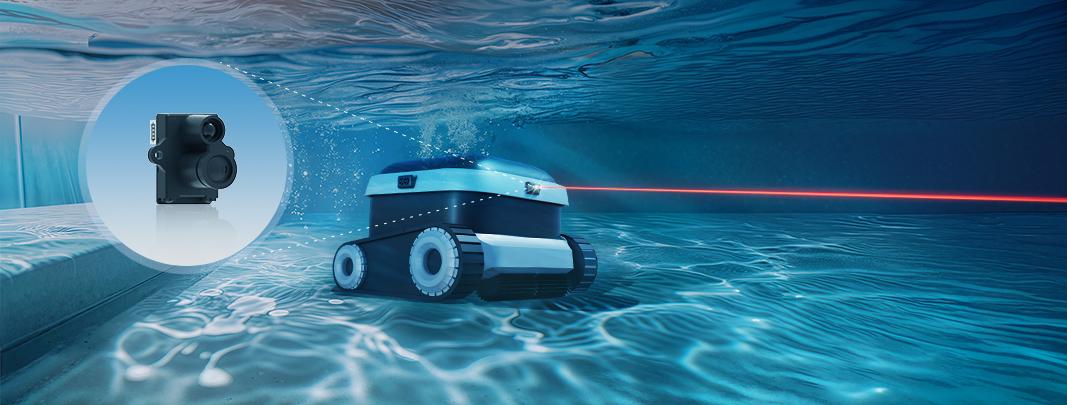
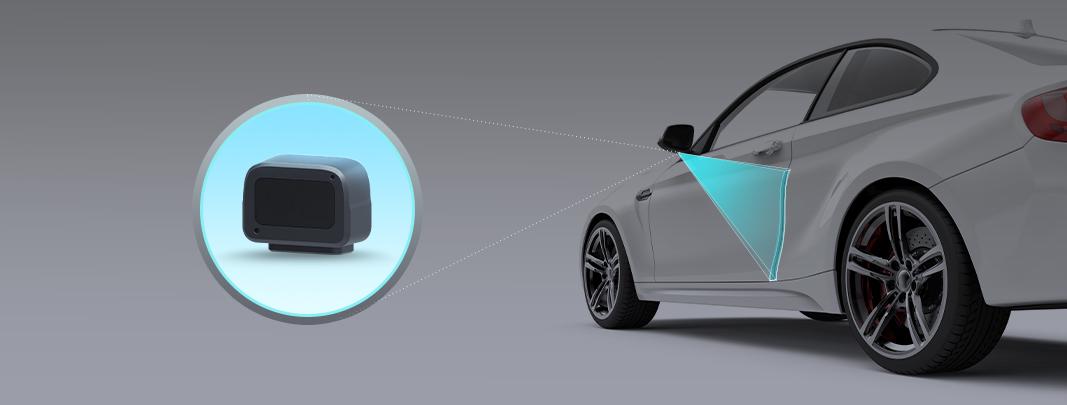
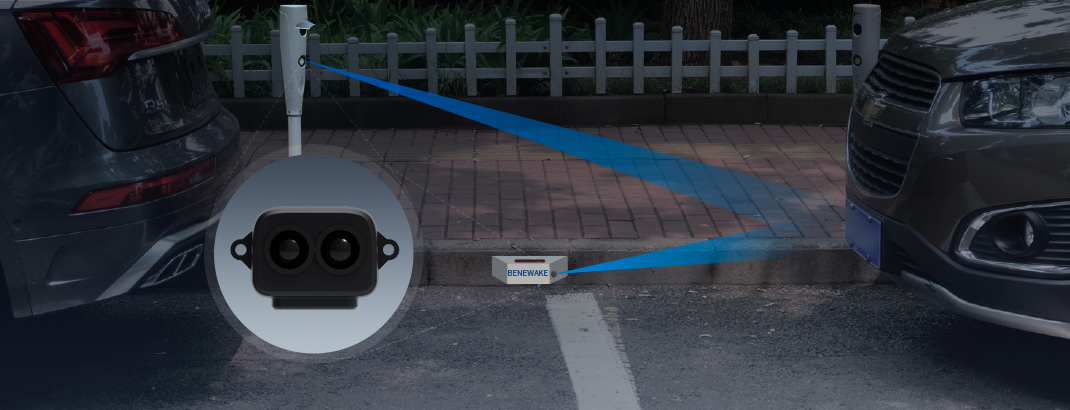
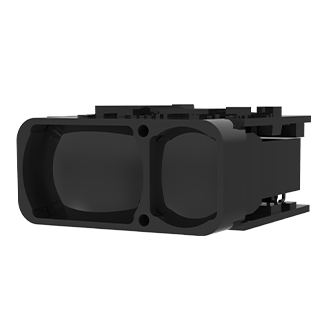
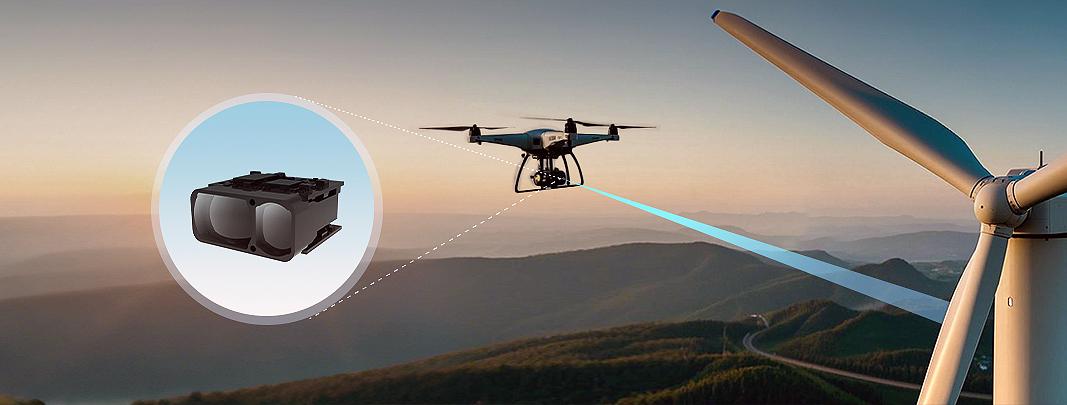
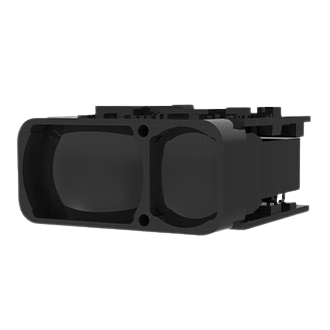
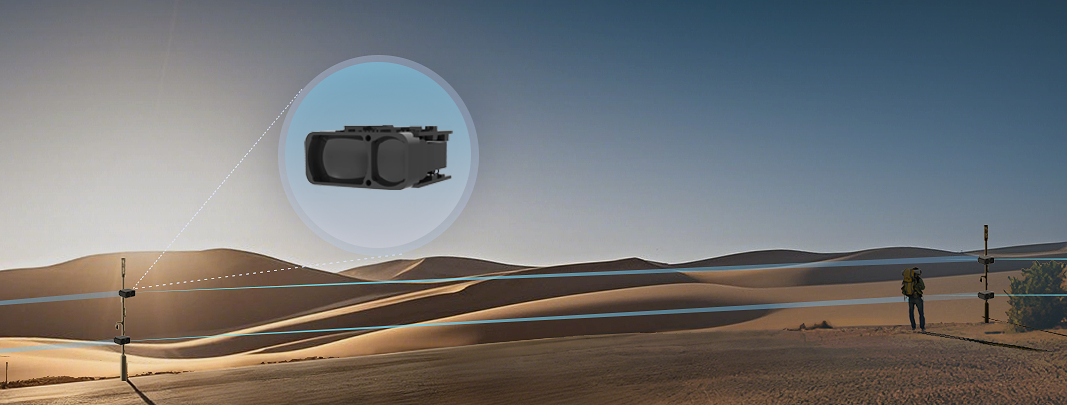
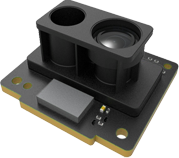
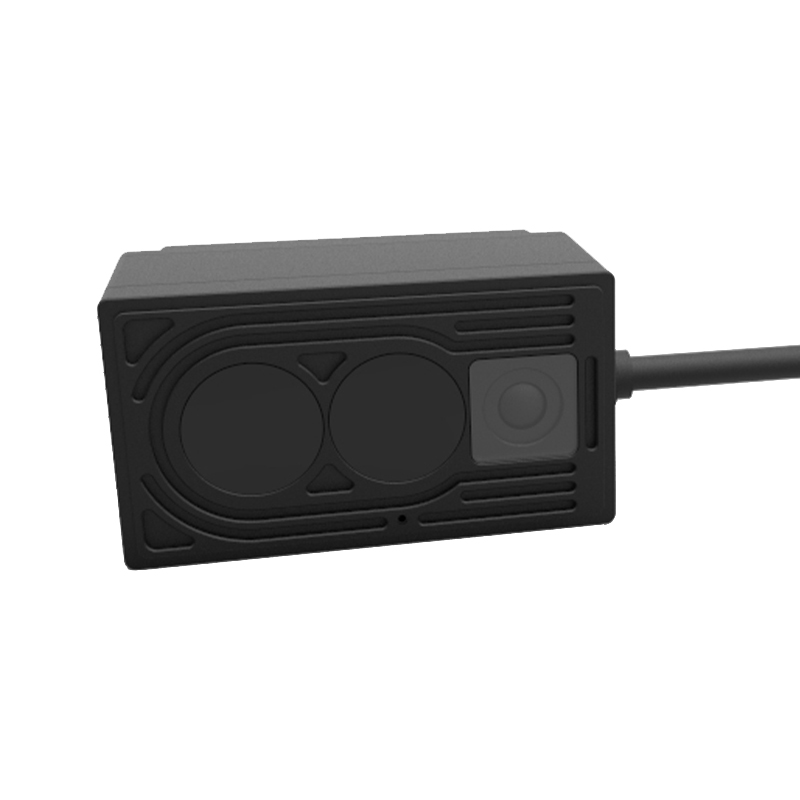
Micro LiDAR is a form of light detection and ranging technology that uses laser pulses to measure distance. The TFmini-S from Benewake is a compact example of this technology, offering stable and high-frequency distance data in a small form factor. LiDAR systems like this measure the time it takes for light to return after reflecting off an object. This approach allows for accurate and consistent readings, even at longer ranges.
Ultrasonic sensing, on the other hand, uses sound waves. These sensors emit ultrasonic pulses and measure the time it takes for echoes to return. Ultrasonic sensors are widely used in many applications because they are simple and cost-effective. They perform well in environments where reflective surfaces are consistent, and they are less sensitive to certain optical conditions.
Performance in Handheld Devices
Handheld devices demand sensors that can provide quick, reliable readings without consuming too much power or adding excessive weight. Micro LiDAR sensors such as the TFmini-S are designed with compactness and efficiency in mind. Because light travels much faster than sound, micro LiDAR systems can deliver rapid updates. This makes them suitable for handheld devices that require fast feedback, such as range finders, gesture recognition tools, or smart measurement tools.
Ultrasonic sensors are generally larger and may have slower response times compared to micro LiDAR. Their performance can be affected by environmental conditions, such as temperature and air turbulence, which can influence the speed of sound. In contrast, LiDAR performance is less affected by these factors, offering more consistent results.
Accuracy and Environmental Factors
Another consideration in choosing between micro LiDAR and ultrasonic sensing is accuracy. Micro LiDAR systems like the TFmini-S tend to offer higher resolution and more precise data, which is especially useful in applications where every millimeter counts. Ultrasonic sensors may struggle with small or irregularly shaped objects, because the reflection of sound waves can be unpredictable.
Micro LiDAR is also less affected by ambient lighting when designed with proper filters and signal processing. Ultrasonic sensors can experience interference when multiple sensors operate nearby. In handheld devices that may be used around other electronic equipment, this reduced interference profile can be a clear advantage.
Conclusion
Both micro LiDAR and ultrasonic sensors have roles in distance sensing, but for handheld devices that prioritize accuracy, responsiveness, and consistent performance, micro LiDAR from Benewake, such as the TFmini-S, is often a strong fit. We invite you to explore Benewake LiDAR technology, review detailed specifications, and see how micro LiDAR can enhance your next handheld project. Contact us to learn more or to get started.