














Headquarters:3rd Floor, Haiguo Jiaye Sci-Tech Park, Haidian District, Beijing, China

We use cookies to enhance your browsing experience and serve personalized content.
Reject ALL
Accept ALL


2026-03-17
When measuring liquid level, choosing the right sensor technology can make a serious difference in accuracy, responsiveness, and reliability. At Benewake, we work with a variety of sensing solutions every day, and we know that not all level sensing technologies perform the same way. Understanding the strengths and limitations of each method helps you pick the right tool for your application. In this article, we explore capacitive, ultrasonic, and LiDAR sensing and explain how a Benewake option like the Benewake TFS20-L can offer advantages when high precision and versatility are priorities.
Capacitive Sensing: Simplicity with Trade-Offs
Capacitive sensors measure changes in electrical capacitance caused by the presence or absence of a liquid. They are often compact and affordable, and they can work well for simple level detection in clean liquids where surface conditions are stable. Capacitive sensors are popular for on/off detection in small tanks and are suitable when you need a basic indication of full or empty state.
However, their performance can vary depending on liquid properties such as dielectric constant, conductivity, and contaminants. These factors may require calibration or tuning to avoid misreads, and changes in fluid composition can still affect measurement stability. For situations where you need more than a binary indication, capacitive sensing may leave gaps that are hard to overcome.
Ultrasonic Level Sensors: Distance Without Contact
Ultrasonic sensors emit sound waves toward a liquid surface and measure the time it takes for the echo to return. This time-of-flight method provides a non-contact way to track changes in level. These sensors are a good fit where liquids might cause corrosion or contamination of contact-based probes because they measure from above rather than within the fluid.
That said, ultrasonic performance can vary based on factors like surface agitation, foam, and temperature differences. Turbulence on the liquid surface can scatter sound waves and lead to noisy readings. Environmental conditions indoors or in industrial environments sometimes make it challenging to get smooth, repeatable data without additional filtering or compensation.
LiDAR Level Sensing: Direct Distance Measurement
LiDAR (Light Detection and Ranging) sensors take a different approach by emitting laser pulses and measuring the time it takes for light to return from the surface. Because light travels faster and is less influenced by many of the variables that affect sound waves, LiDAR can deliver precise distance measurements over a broader range with good repeatability.
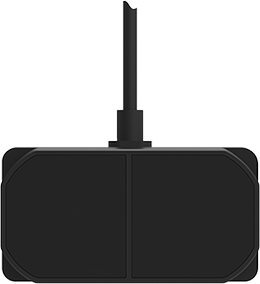
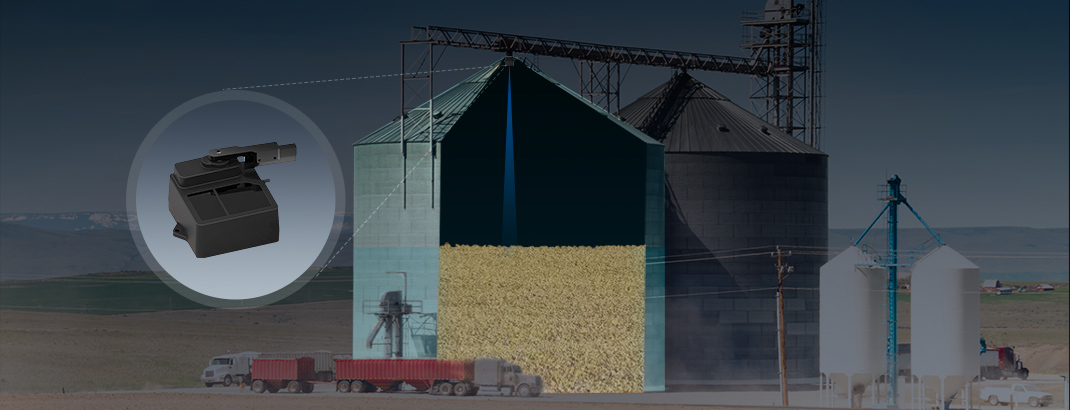
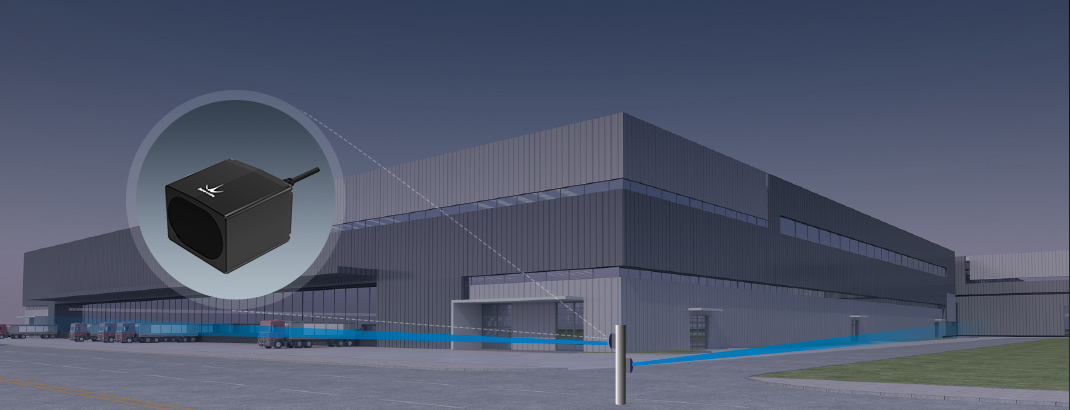
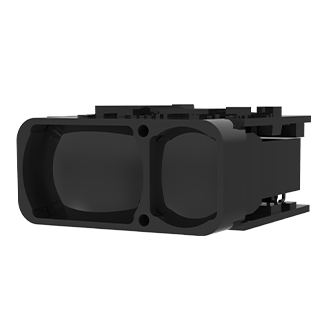
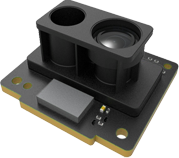
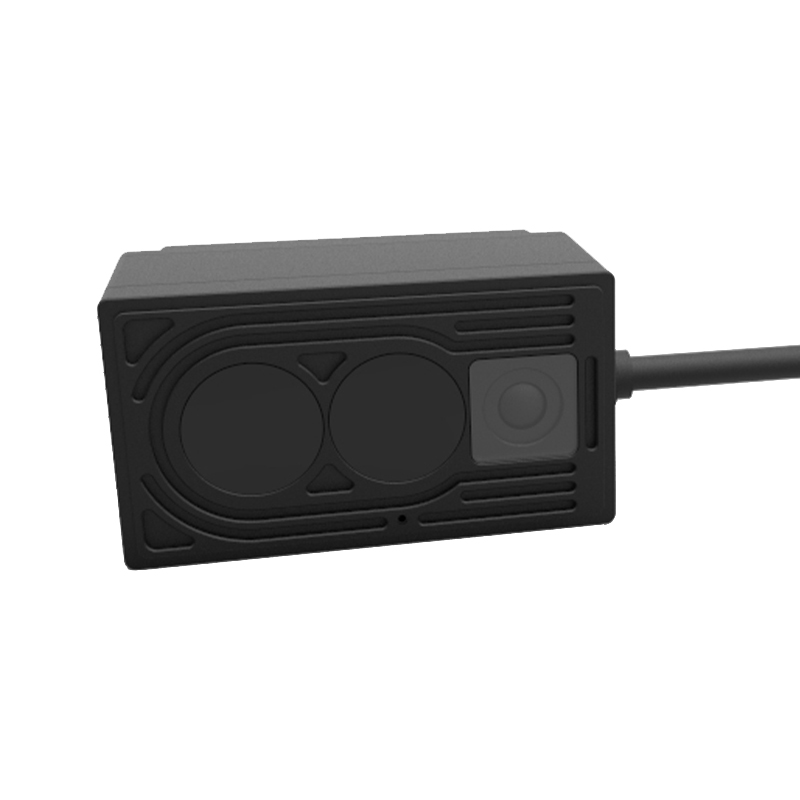
For liquid level applications where you need accurate, continuous readouts and minimal sensitivity to environmental noise, a LiDAR module like the Benewake TFS20-L can be a strong fit. This compact single-point LiDAR offers a measurement range from about 0.2 m up to 20 m with solid precision and stable performance even in varying lighting conditions. It supports interfaces like UART and I²C for easy integration into control systems.
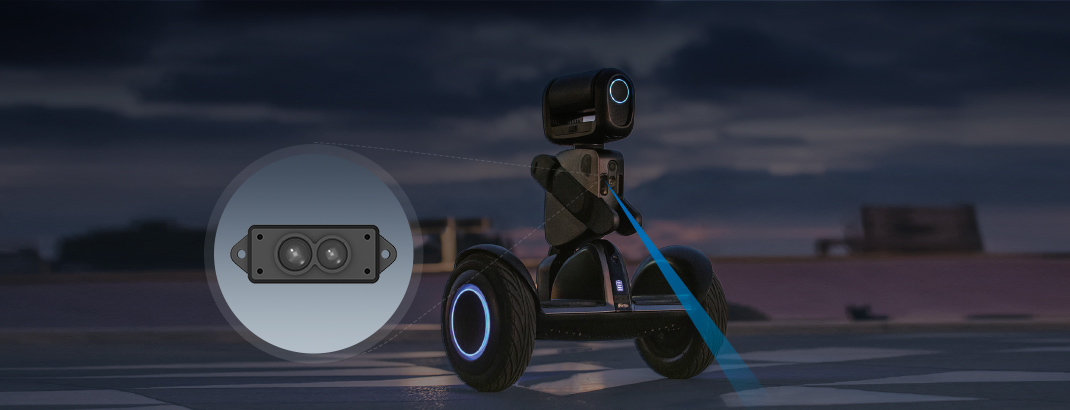
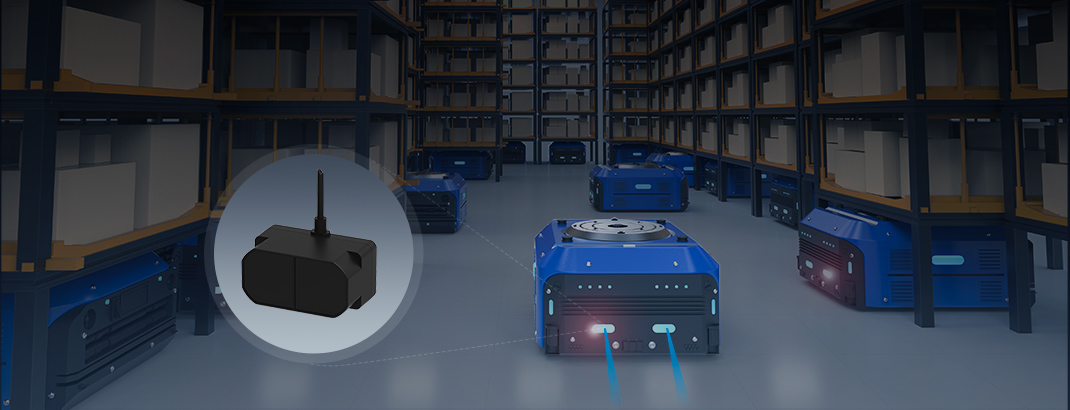
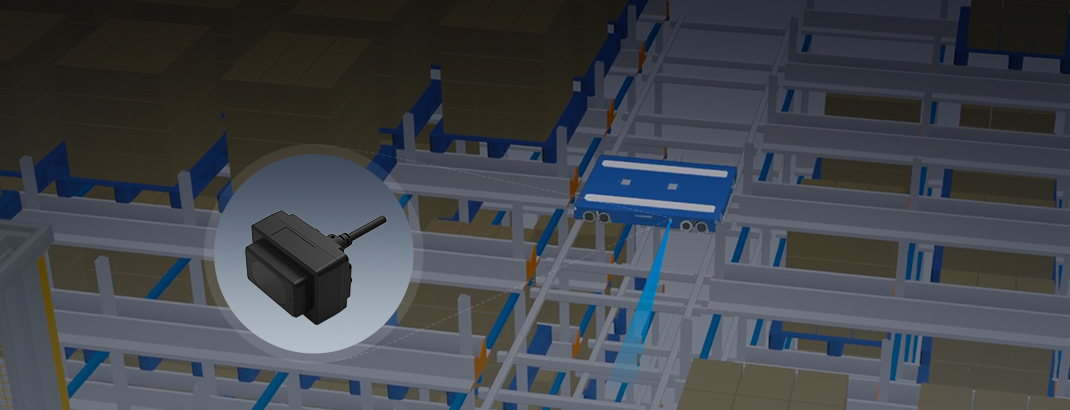
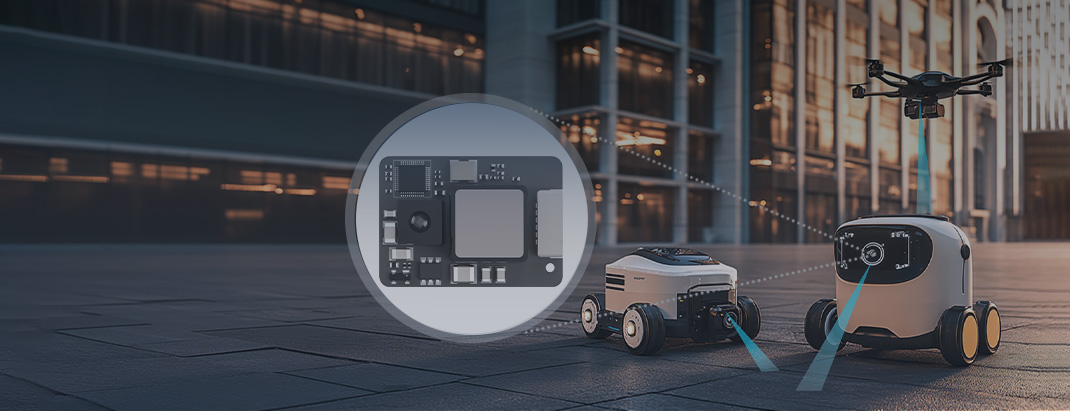
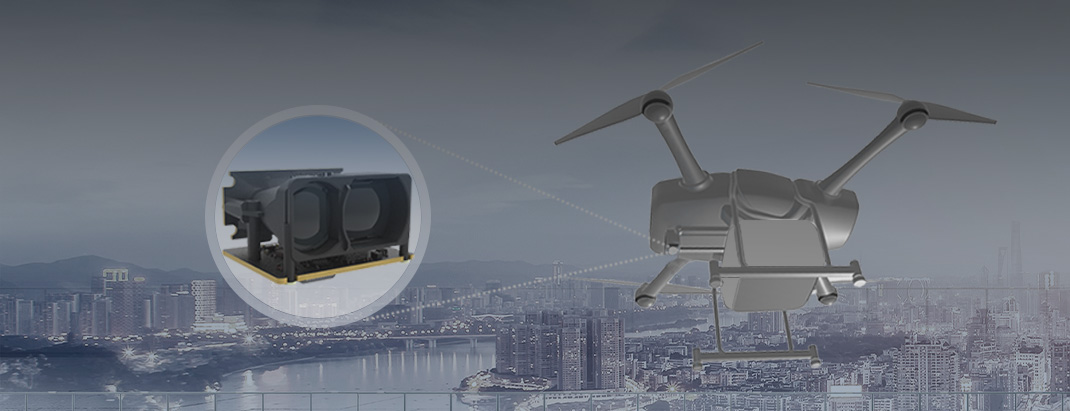
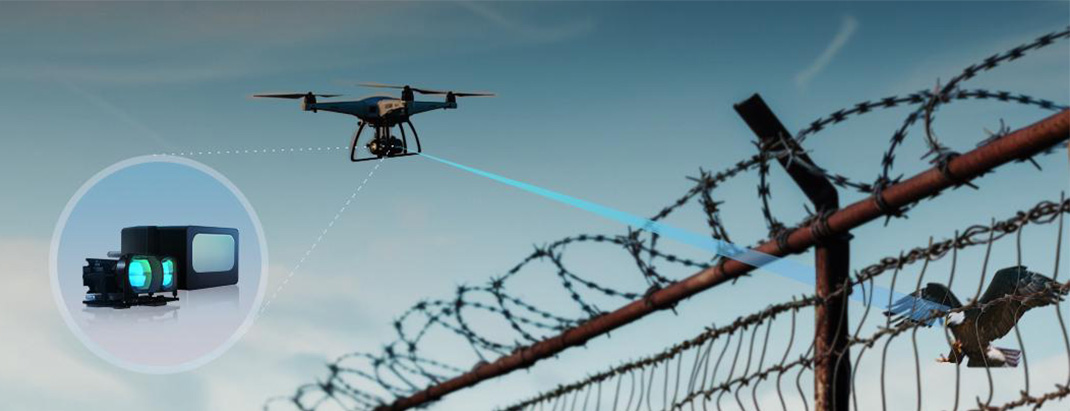
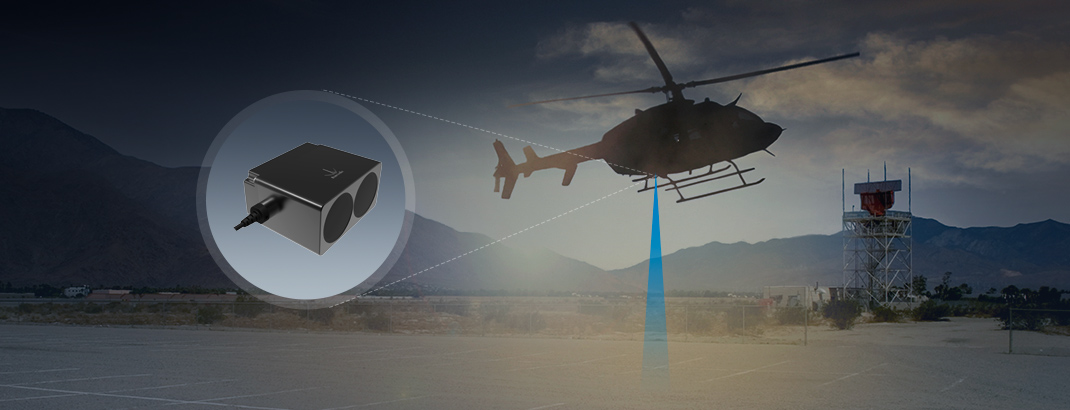
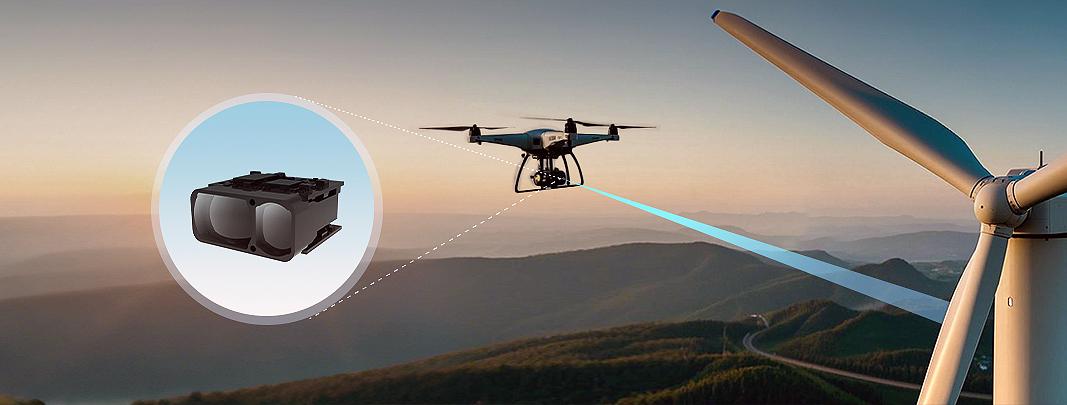
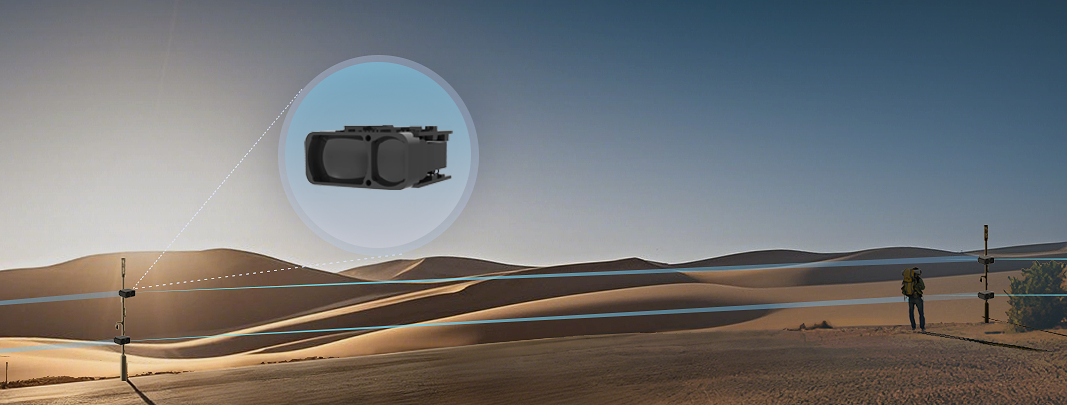
The Benewake LiDAR's direct time-of-flight measurement, combined with its small size and low power requirements, makes it suitable for applications beyond level sensing as well, including drones, robots, and other automated systems. Its ability to measure reliably across changing surfaces means you get consistent data without some of the tuning that other sensor types might require.
Conclusion: Match Sensor Choice to Needs
When you weigh capacitive, ultrasonic, and LiDAR technologies for liquid level sensing, there is no one-size-fits-all answer. Capacitive sensors offer simplicity but may need tuning. Ultrasonic sensors deliver non-contact measurement but can be influenced by surface conditions. LiDAR sensors like the Benewake TFS20-L provide precise distance data with fewer environmental sensitivities and can integrate well into advanced systems that demand reliable, repeatable measurements.
If you want to explore how LiDAR can enhance your liquid level sensing solution or find out which Benewake sensor best suits your project, check out our product information and design resources today.