














Headquarters:3rd Floor, Haiguo Jiaye Sci-Tech Park, Haidian District, Beijing, China

We use cookies to enhance your browsing experience and serve personalized content.
Reject ALL
Accept ALL


2026-03-17
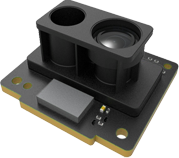
In medical environments, maintaining cleanliness and reducing contamination risks are top priorities. When devices interact with fluids or materials that require strict hygiene standards, traditional contact measurement methods can introduce unwanted exposure. At Benewake, we design sensors that support safer and more effective operations in healthcare equipment. One example is the TFS20-L LiDAR sensor, which enables non-contact level measurement with precision and consistency.
The Importance of Non-Contact Level Measurement in Healthcare
Medical devices often measure levels of liquids such as reagents, saline solutions, or other biological fluids. Traditional probes or float mechanisms physically contact the liquid, increasing the risk of introducing contaminants. Even with thorough cleaning, repeated contact can create wear and microscopic residues that are difficult to remove. A non-contact sensor eliminates this physical interaction. It measures levels without touching the fluid, reducing the potential for contamination and the need for frequent sanitization.
Non-contact level measurement is also valuable in devices that handle sensitive or reactive materials. In these cases, avoiding contact prevents changes in fluid composition or unintentional reactions that might compromise test results or patient safety.
How TFS20-L LiDAR Supports Safe Measurement
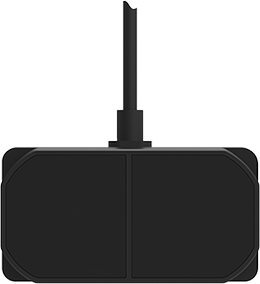
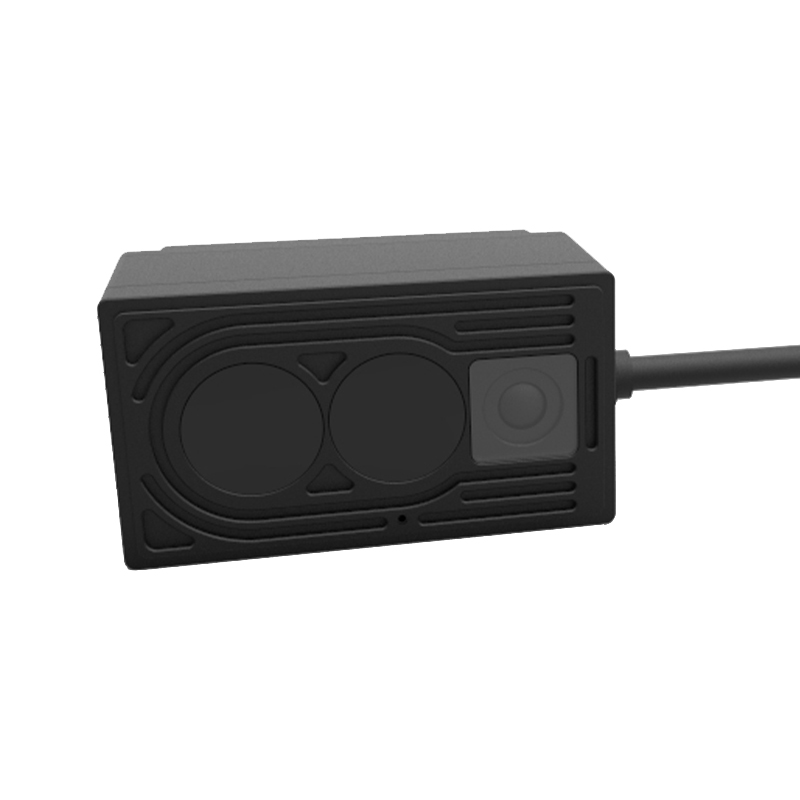
The TFS20-L LiDAR from the Benewake lidar series is engineered for precise range sensing and volume assessment. By emitting laser pulses and measuring the time it takes for reflections to return, the TFS20-L LiDAR determines levels without inserting any component into the substance being measured. The laser‐based approach provides high-resolution data and a fast response, enabling real-time monitoring of fluid levels in containers or reservoirs.
Because the TFS20-L LiDAR does not physically contact the liquid, it avoids many of the cleaning challenges associated with contact sensors. Healthcare professionals benefit from simplified maintenance. This can be especially helpful in diagnostic machines or fluid dispensers where frequent turnaround is required and contamination concerns are high.
Reducing Contamination Risk Through Sensor Choice
Choosing the right sensor technology can influence not only device accuracy but also overall hygiene. Non-contact level measurement via Benewake lidar helps medical device designers reduce the number of surfaces that could harbor contaminants. This is critical in environments such as clinics, laboratories, and bedside monitoring systems. By removing the need for contact with fluids, the TFS20-L LiDAR contributes to safer workflows and better infection control practices.
With the focus on patient safety and regulatory compliance, every component in a medical device plays a role in meeting standards. Incorporating non-contact sensing supports both operational reliability and hygiene protocols. Furthermore, the compact size and flexible integration options of the TFS20-L LiDAR make it suitable for a variety of medical device designs where space and precision matter.
Conclusion
Non-contact level measurement is essential in medical devices where contamination prevention and consistent performance are required. Technologies like the TFS20-L LiDAR from Benewake provide accurate, contact-free sensing that supports both safety and hygiene. Explore our sensor solutions, review technical documentation, and see how Benewake lidar can enhance your next medical device project. Contact us to learn more and begin your integration journey.