














Headquarters:3rd Floor, Haiguo Jiaye Sci-Tech Park, Haidian District, Beijing, China

We use cookies to enhance your browsing experience and serve personalized content.
Reject ALL
Accept ALL


2026-03-17
In today's world, the need for effective perimeter security is more pressing than ever. With advancements in technology, various solutions have emerged to provide reliable security measures. Among these options, we at Benewake recognize that our Benewake TF350 lidar sensor is a standout choice for many applications.
Understanding the Security Landscape
When it comes to perimeter security, three primary technologies are often considered: LiDAR, radar, and thermal cameras. Each of these technologies offers distinct advantages and potential drawbacks, making it essential to understand how they can serve your security needs effectively.
The Advantages of LiDAR
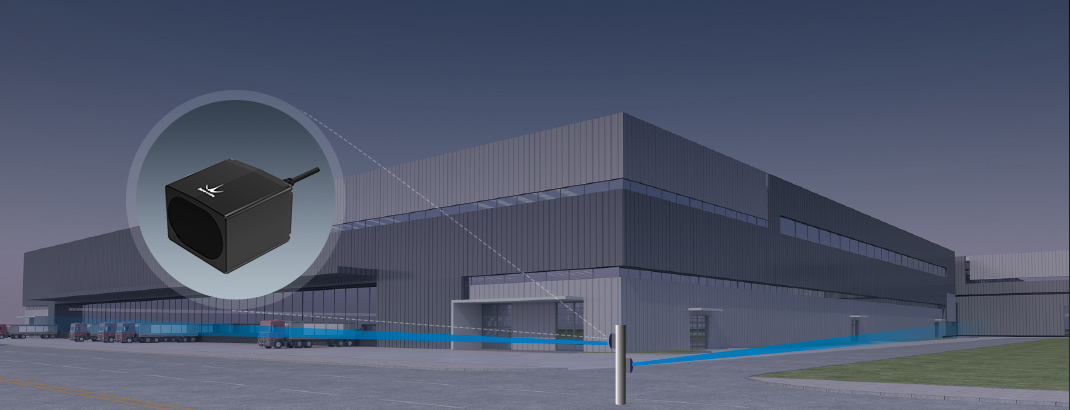
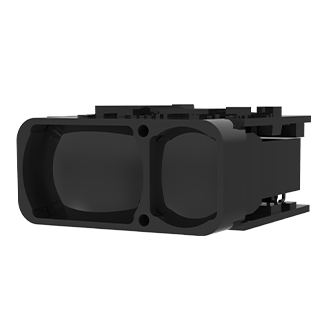
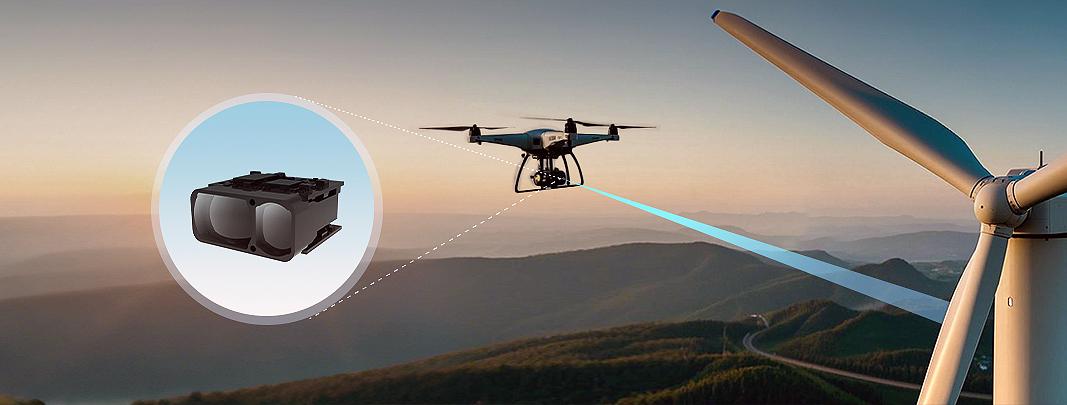
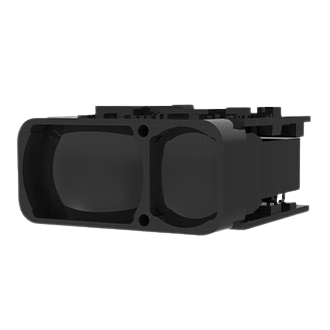
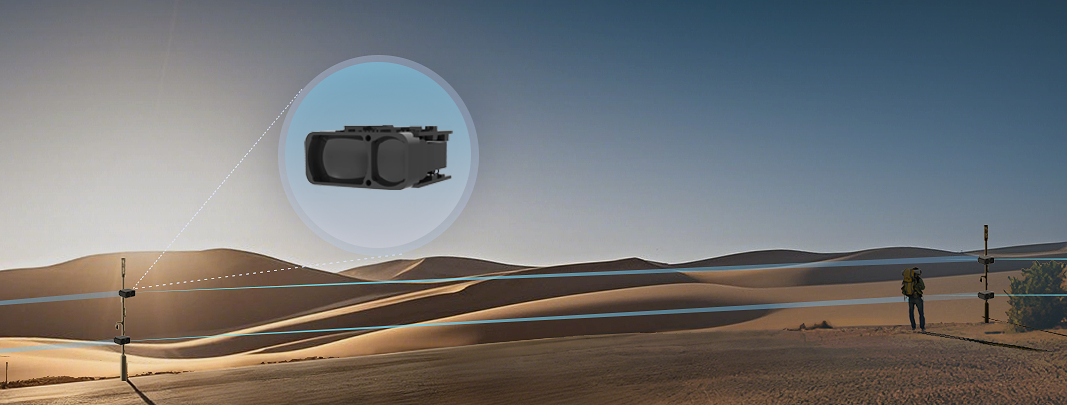
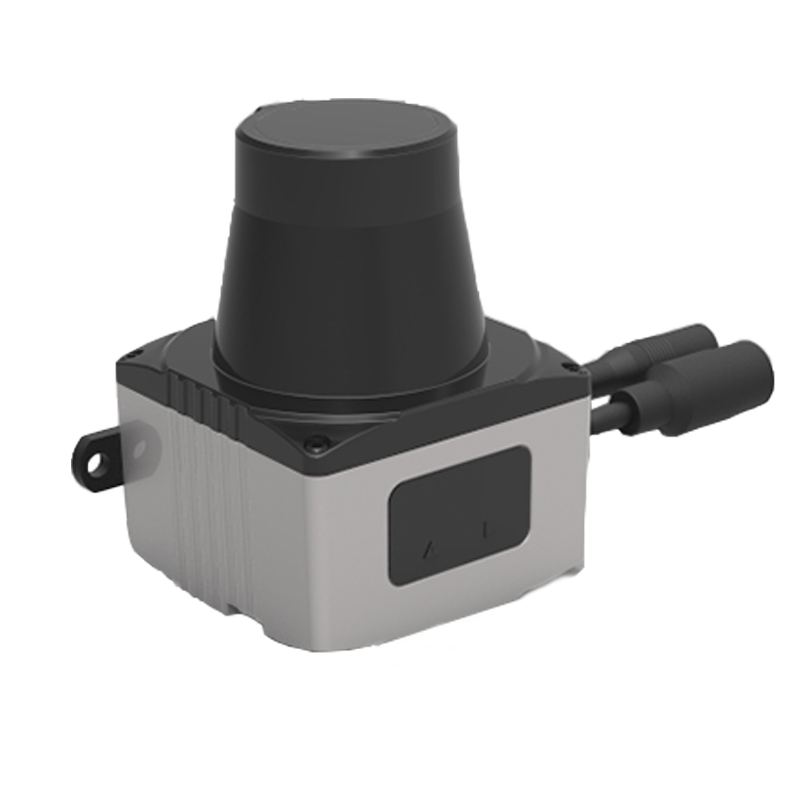
Our Benewake TF350 is an advanced lidar sensor that operates at a maximum range of 350 meters. Unlike radar or thermal cameras, LiDAR provides unparalleled accuracy in distance measurement and object detection. By emitting laser pulses, LiDAR can create a detailed 3D representation of an environment. This sensor excels in both bright and adverse weather conditions, making it a reliable choice for outdoor security.
With a small field of view and high frame rates, the TF350 ensures that even the smallest movements are captured, which is critical for detecting potential intruders. Furthermore, its IP67 rating guarantees robust protection against dust and water, ensuring continuous operation regardless of environmental conditions.
Radar: The Traditional Option
Radar has long been a staple in perimeter security applications, primarily due to its ability to detect objects at significant distances. It uses radio waves to identify movement and can penetrate various environmental conditions. However, radar systems can be less precise than LiDAR when it comes to identifying specific object types and their dimensions.
While radar can effectively track large objects, such as vehicles, it may struggle with smaller or less defined shapes. Additionally, radar systems often require more extensive calibration and setup than lidar solutions, potentially leading to higher operational costs.
Thermal Cameras: The Heat Detector
Thermal cameras offer a unique approach to perimeter security by detecting heat signatures emitted by living beings. These cameras excel in low-light conditions and are particularly effective for nighttime operations. They can easily differentiate between warm bodies and the surrounding environment.
However, thermal cameras have their limitations. They often require good environmental conditions to be effective and can struggle with differentiating between multiple heat sources. Additionally, they might not provide the same level of spatial detail that LiDAR sensors, like the Benewake TF350, can.
Choosing the Right Technology
When deciding between LiDAR, radar, and thermal cameras for perimeter security, it's essential to consider your specific needs. If accuracy and detailed environment modeling are your goals, the Benewake lidar sensor is an exceptional choice. Its ability to perform effectively across various conditions makes it particularly suitable for comprehensive security setups.
For environments where large objects are common but detail may not be as critical, radar could serve well. On the other hand, if nighttime surveillance is a top priority, thermal cameras provide valuable insights.
Conclusion
In the realm of perimeter security, choosing the right technology can significantly impact your effectiveness. At Benewake, we believe that our TF350 lidar sensor stands out for its precision, reliability, and adaptability in diverse environments. If you are looking to elevate your perimeter security with state-of-the-art lidar technology, we invite you to explore the capabilities of the Benewake TF350.