
















Headquarters:3rd Floor, Haiguo Jiaye Sci-Tech Park, Haidian District, Beijing, China

We use cookies to enhance your browsing experience and serve personalized content.
Reject ALL
Accept ALL


2026-03-17
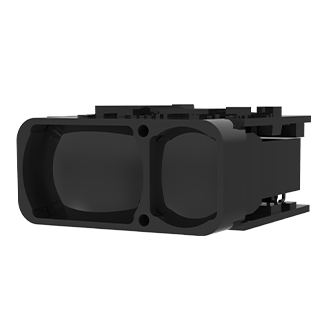
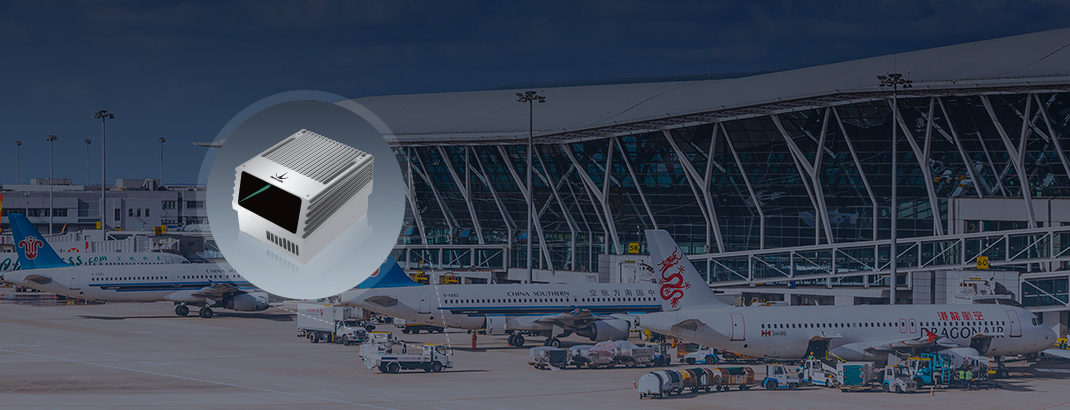
In the world of electric vertical takeoff and landing (eVTOL) aircraft, knowing exactly how far the aircraft is above ground makes a big difference in safety and performance. Terrain following and stable low-altitude flight require accurate distance measurement between the eVTOL and the terrain below. At Benewake, we design sensors that help UAV platforms maintain awareness of their environment with reliable distance data. The TFA170-L is one such sensor that supports altitude measurement from near-ground distances out to longer ranges, and its role in terrain awareness illustrates key principles of low-altitude radar altimeters in aircraft applications.
How Low-Altitude Radar Altimeters Operate
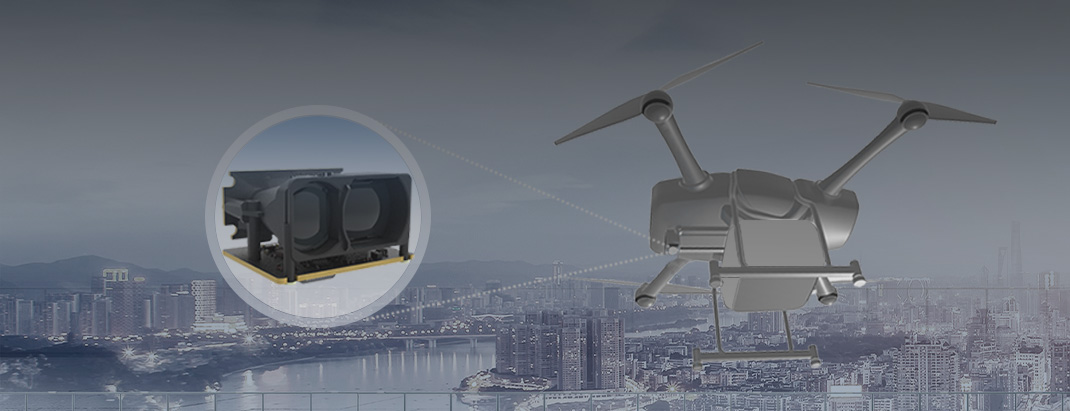
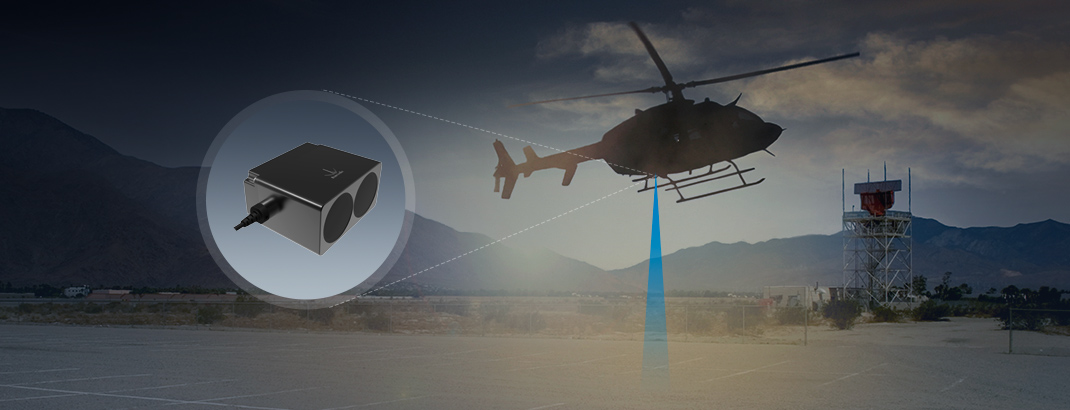
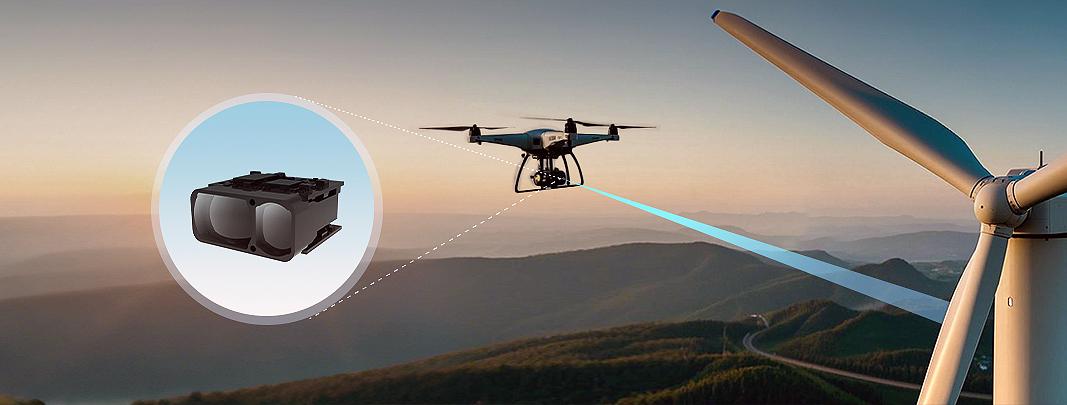
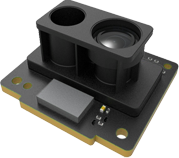
Radar altimeters differ from barometric or GPS-based altitude measurement by actively sending a signal downward and timing its return after it reflects off the ground. Traditional radar altimeters use radio waves, but the same time-of-flight concept applies to LiDAR altimeters using light. The TFA170-L is a single-point LiDAR sensor that emits laser pulses toward the surface below and measures how long it takes for the reflected light to return. That round-trip time, combined with the known speed of light, gives precise distance data. Since the LiDAR's field of view is narrow, it measures a specific ground spot directly beneath the aircraft. Continuous measurement like this supports terrain following by giving altitude data with minimal reliance on external references like GPS.
For eVTOL vehicles operating at low altitude, this approach gives a direct measurement of height above ground that can adapt quickly to changes in terrain. When flying over varied topography such as hills, buildings, or urban features, an active ranging sensor avoids the assumptions inherent in static altitude profiles and helps maintain consistent clearance from the surface below.
Key Characteristics That Support Terrain Following
Sensors used for terrain following need to balance responsiveness, accuracy, and integration ease. The TFA170-L has a practical measurement range from about 0.1 m up to 170 m, allowing for both near-surface and higher-altitude sensing when required. Its default frame rate is 50 Hz, meaning it can provide regular updates on ground distance many times per second, and that rate can be configured depending on system needs. The accuracy of the distance reading is within roughly ±10 cm at short distances and around 1 % error beyond that, and the resolution is around a centimeter.
Compact and lightweight, this sensor integrates easily into small aircraft airframes without adding unnecessary weight or power draw. Its use of pulse time-of-flight laser measurement gives it resilience against ambient light and environmental factors, and the narrow field of view focuses the measurement on the ground rather than gathering stray returns from unrelated angles.
Combining Sensor Data for Flight Control
LiDAR-based altitude data complements other onboard navigation sources. While GPS can provide broader location information and barometers help estimate general altitude above sea level, direct ground distance gives immediate feedback about the current terrain. In an eVTOL control system, fusing LiDAR data with inertial and other navigation inputs supports smoother and safer low-altitude flight. This is especially helpful during takeoff, approach over uneven surfaces, and final landing phases, where ground proximity awareness is crucial.
Conclusion
Understanding how low-altitude radar altimeters work helps clarify why precise distance sensing supports terrain following for eVTOL aircraft. At Benewake, we offer solutions like the TFA170-L that deliver consistent range data using time-of-flight laser measurement. Its compact size, configurable update rate, and centimeter-class resolution make it a strong candidate for integration into UAV and aircraft systems that require accurate altitude awareness.
If you're developing an eVTOL or UAV project that depends on reliable terrain following, explore our sensors and see how Benewake can support your design goals with detailed performance information and integration guidance.