














Headquarters:3rd Floor, Haiguo Jiaye Sci-Tech Park, Haidian District, Beijing, China

We use cookies to enhance your browsing experience and serve personalized content.
Reject ALL
Accept ALL


2026-03-26
Maintaining a stable drone position hold is essential for safe and reliable UAV operations. Whether you're flying outdoors or indoors, many factors can affect a drone's ability to remain steady in the air. At Benewake, we understand how important precise hovering is for applications such as inspections, mapping missions, and autonomous operations. Using Benewake lidar sensors, drones can achieve more dependable position stability by enhancing their awareness of the environment and altitude. Here's a look at common issues and practical solutions for improving position hold performance.
What Causes Position Hold Issues
Position hold involves keeping a drone at a fixed point in three-dimensional space. The flight controller combines data from multiple sensors to achieve this, such as GPS, IMU (inertial measurement unit), and ranging sensors like LiDAR. When one or more of these inputs are weak or inconsistent, the drone can begin to drift, bounce, or fail to maintain its lock on position. This can happen even in good GPS conditions if the sensor data fusion isn't correctly tuned, or if environmental disturbances such as wind affect stability. Without integrated data from distance sensors, drones may struggle to compensate for lateral drift and altitude changes.
A typical example of this problem occurs when drones drift sideways even while attempting to hover. Part of this happens because altitude hold controls only the vertical axis, and horizontal drift must be managed by GPS or other position data. If the GPS signal fluctuates or the IMU calibration is off, the aircraft can slowly wander from its intended position.
Why Integrated Distance Sensing Helps
One of the key limitations of relying solely on GPS and IMU data for position hold is that neither system directly measures proximity to the ground or nearby objects. In GNSS-denied environments such as indoors or urban canyons, GPS signals may be unreliable. To maintain a stable hover in both vertical and horizontal planes, drones benefit from additional real-time feedback on ground distance and motion relative to surfaces or structures.
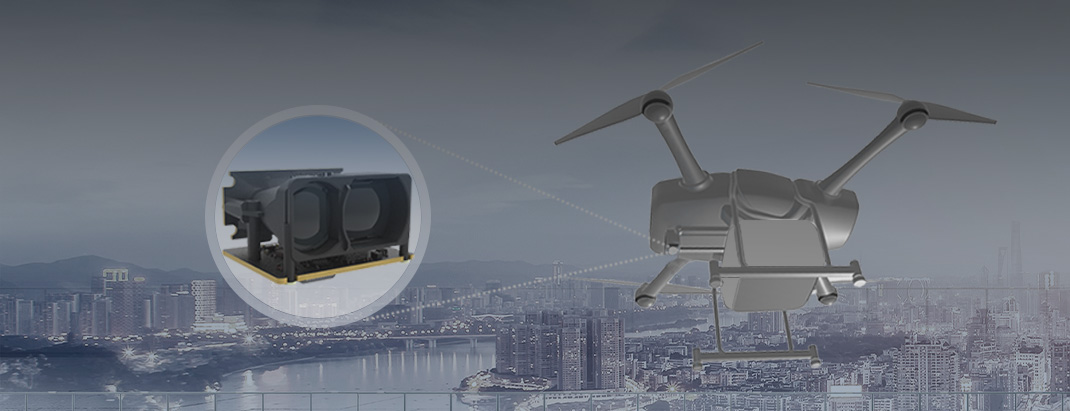
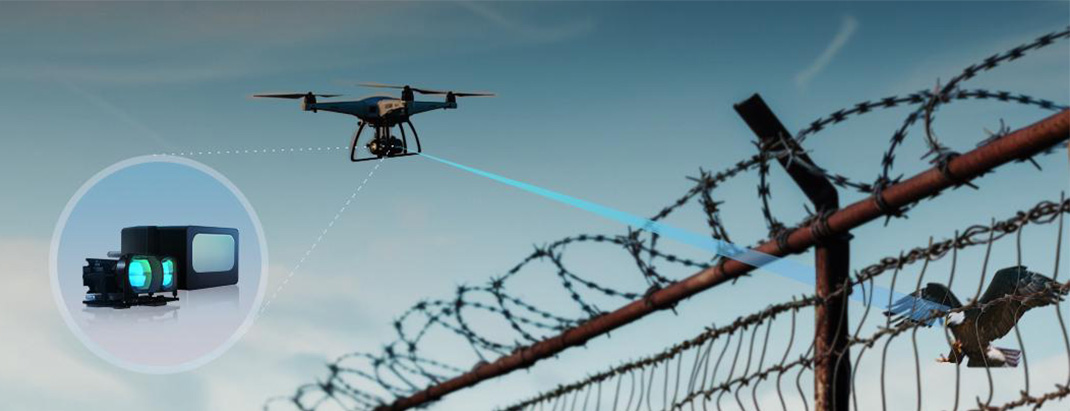
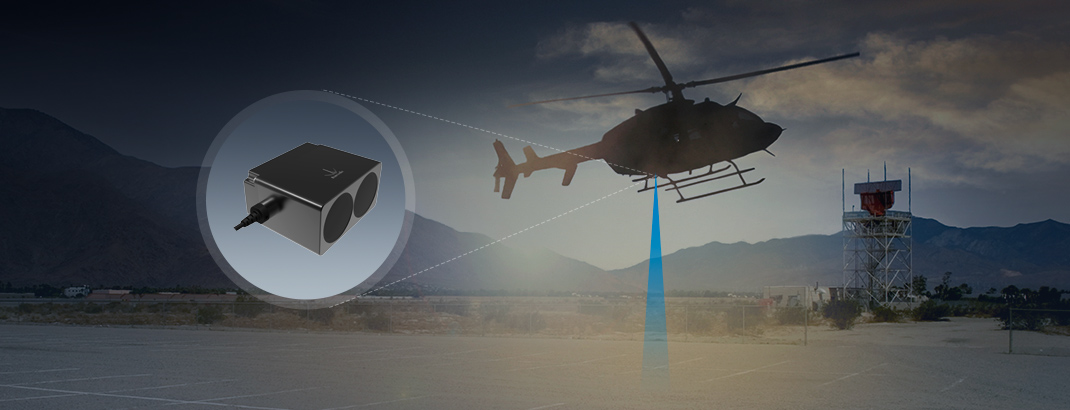
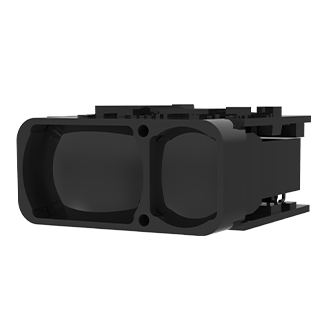
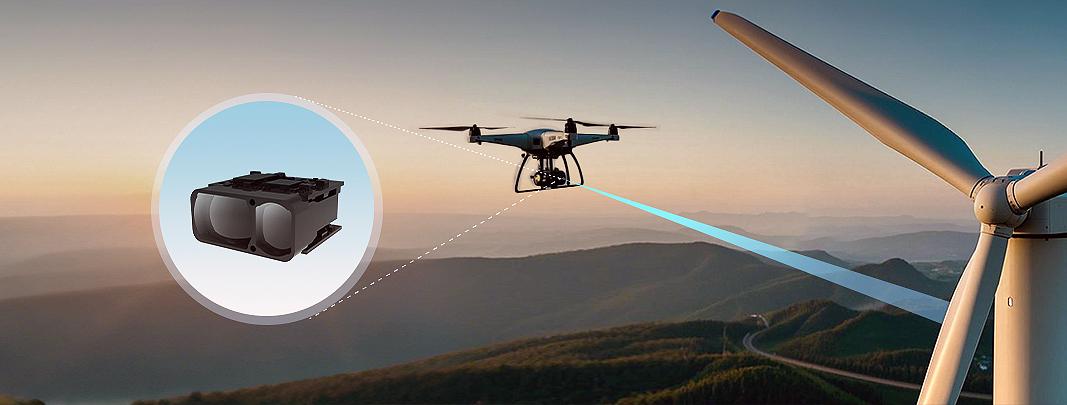
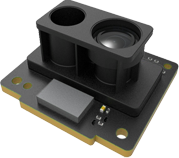
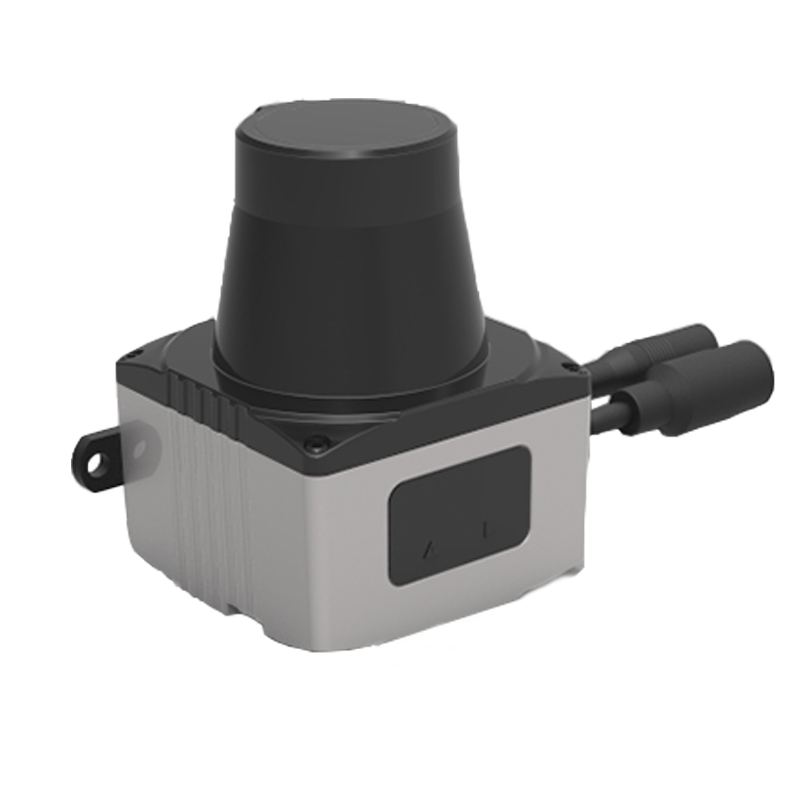
This is where Benewake lidar sensors make a notable difference. By providing accurate altitude measurements and obstacle detection data, LiDAR enhances the flight controller's ability to maintain a steady hover. A downward-facing LiDAR gives real-time terrain or surface distance, helping to stabilize altitude hold. In more advanced position hold modes, LiDAR data can be fused with GPS and IMU inputs so that the drone adjusts to wind or minor perturbations using accurate proximity data rather than depending on estimates alone.
Best Practices for Better Position Hold
To tackle common position hold issues, start by ensuring all sensors are calibrated correctly and that the flight controller settings match the hardware configuration. Calibrating the IMU and compass regularly reduces drift caused by inaccurate orientation data. Combine GPS with data from an accurate distance sensor such as a Benewake LiDAR module to improve stability, especially in environments where GPS signal quality is inconsistent. Finally, check firmware updates and sensor configurations to help the control system process data with minimal delay.
Conclusion
Many drones experience challenges with position hold due to sensor limitations, environmental forces, and data integration issues. Using Benewake lidar to complement GPS and IMU data can help drones maintain a more stable drone position hold by providing precise altitude and distance measurements. Explore Benewake's range of LiDAR solutions, see how they integrate with popular flight controllers, and contact us to find the right LiDAR sensor for your UAV. Take the next step toward better position control with Benewake lidar today.