














Headquarters:3rd Floor, Haiguo Jiaye Sci-Tech Park, Haidian District, Beijing, China

We use cookies to enhance your browsing experience and serve personalized content.
Reject ALL
Accept ALL


2026-06-03
As drone deliveries become more common, ensuring safety in complex environments is crucial. One key component in achieving this is drone collision detection, which enables an unmanned aircraft to sense and respond to obstacles in its flight path. At Benewake, we work with sensing technologies that help drones interpret their surroundings and make smarter decisions during flight. Reliable collision detection not only protects the drone itself but also safeguards people, property, and infrastructure along the delivery route.
How Sensors Support Collision Awareness
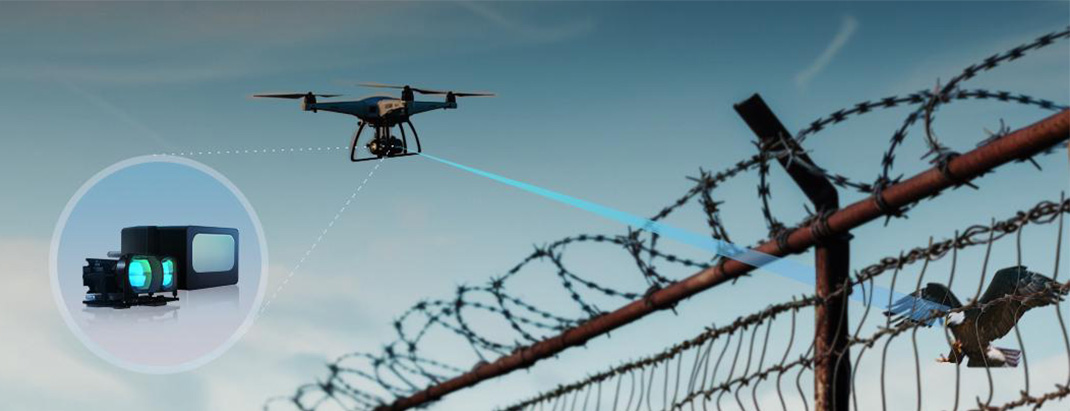
Collision detection relies on sensors that can determine the presence and distance of objects around a drone. These sensors continuously collect data about the nearby environment, allowing the flight controller to adjust course or altitude when an object is detected. Without this capability, a drone might continue on its programmed trajectory even when unexpected obstacles, such as tree branches, power lines, or other aircraft, appear in its path. That increases the risk of accidents, which can lead to loss of equipment and potential harm to people or structures below.
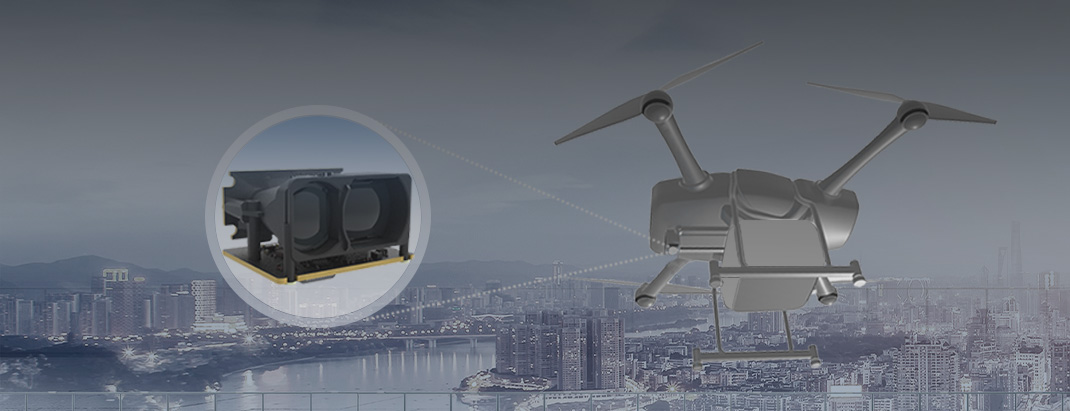
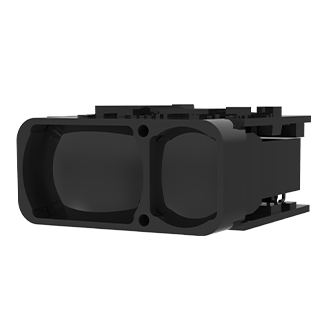
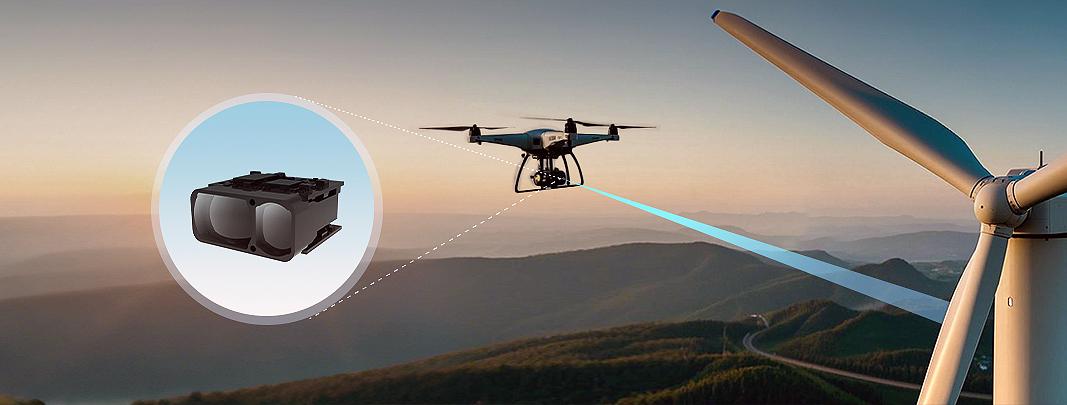
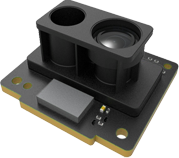
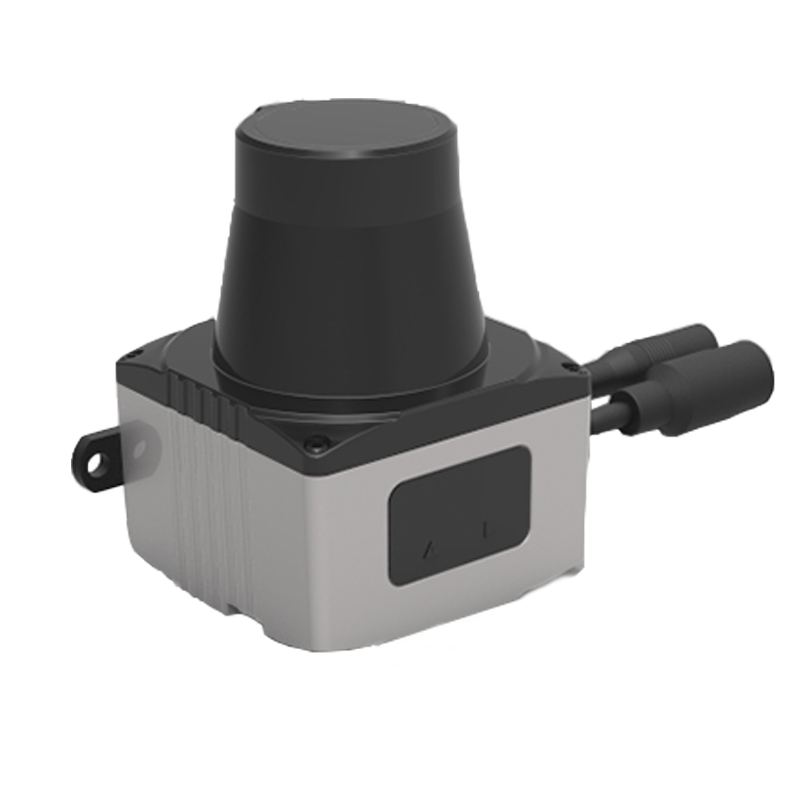
At Benewake, we emphasize the importance of sensing systems that provide consistent, accurate feedback. Many drones use ultrasonic or infrared sensors at close range, but these can struggle in busy or cluttered environments. LiDAR-based sensors, such as those developed by Benewake, offer direct distance measurement using time-of-flight technology. This approach gives precise readings over longer ranges and remains effective across varied surfaces and lighting conditions. By integrating this data into the drone's flight control system, drones can make real-time adjustments that support safe operations.
Collision Detection in Real-World Delivery Missions
In practical delivery scenarios, drones fly through diverse environments where obstacles are not always predictable. Urban landscapes include power lines, signs, buildings, and even other unmanned vehicles that may enter the flight path. Rural delivery routes may feature uneven terrain, trees, and unpredictable wind gusts that push the drone off its intended course. Drone collision detection equips UAVs with the ability to recognize such obstacles early and respond appropriately, whether that means slowing down, changing direction, or hovering until the path clears.
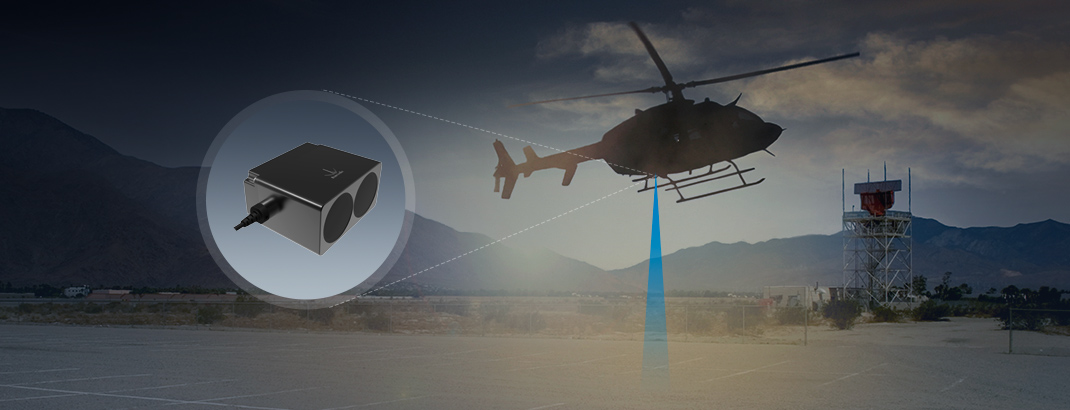
By combining altitude data, lateral distance sensing, and robust obstacle detection feedback, drones can navigate with greater confidence. This not only protects the delivery payload but also increases trust in autonomous aerial systems among operators and the communities they serve.
Conclusion
Effective drone collision detection enhances the safety and reliability of delivery missions by providing accurate environmental awareness and responsive control. With sensors from Benewake designed for consistent distance measurement, drones are better equipped to sense obstacles and adapt their flight paths accordingly, even in complex conditions.
If you're exploring sensing options to improve safety and performance in your drone delivery systems, check out our Benewake sensor solutions and find the right fit for your application.