














Headquarters:3rd Floor, Haiguo Jiaye Sci-Tech Park, Haidian District, Beijing, China

We use cookies to enhance your browsing experience and serve personalized content.
Reject ALL
Accept ALL


2025-12-17
Building on the imperative for long-range, rapid-refresh, and highly adaptable sensing outlined above, we now detail the four specific, interdependent requirements that define a UAV LiDAR sensor capable of meeting the extreme demands of high-speed flight:
At high speeds, the distance needed for safe braking and maneuvering increases sharply. The UAV LiDAR sensor must have a high detection range, from hundreds of meters to beyond one kilometer. This extended range provides the critical time needed to identify potential obstacles and execute evasive maneuvers before they pose a threat.
A high refresh rate is essential for fast and stable flight. It allows UAV LiDAR to update environmental data continuously, preventing delays that could cause information gaps or motion blur. This capability keeps navigation smooth and flight control precise, even during sudden maneuvers or sharp directional changes.
Reliable perception is the foundation of safe operation in poor weather or low visibility. In complex outdoor environments, LiDAR signals can be distorted by sunlight, rain, dust, and electromagnetic noise. A UAV LiDAR sensor for high-speed flight must possess robust filtering algorithms to suppress such interference and maintain data accuracy under all conditions. Furthermore, sensors with stronger signal processing can also perform better in multi-UAV environments or near high-radiation sources.
The sensor's weight, size, and aerodynamic profile directly impact the aircraft's speed, range, agility, and endurance. Excess mass or a bulky form factor increases drag and reduces flight time. Consequently, the LiDAR for drones must be compact, lightweight, and power-efficient.
These attributes can preserve the optimal thrust-to-weight ratio, extend mission duration, and minimize the load on the power system, thereby guaranteeing consistent performance throughout high-speed or long-endurance missions.
Powered by the LiDAR capabilities described above, high-speed drones can ferry important medical supplies, such as blood, vaccines, or antidotes, to remote or disaster-affected areas within critical time windows.
They can also perform rapid disaster assessments by flying over earthquake zones, flood regions, or hazardous sites to stream live aerial data. This enables emergency teams to evaluate damage, identify safe routes, and make faster, better-informed rescue decisions.
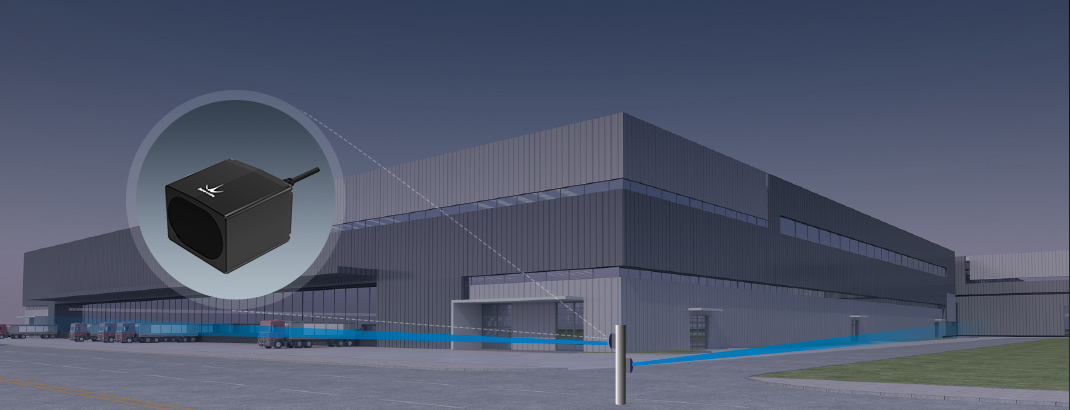
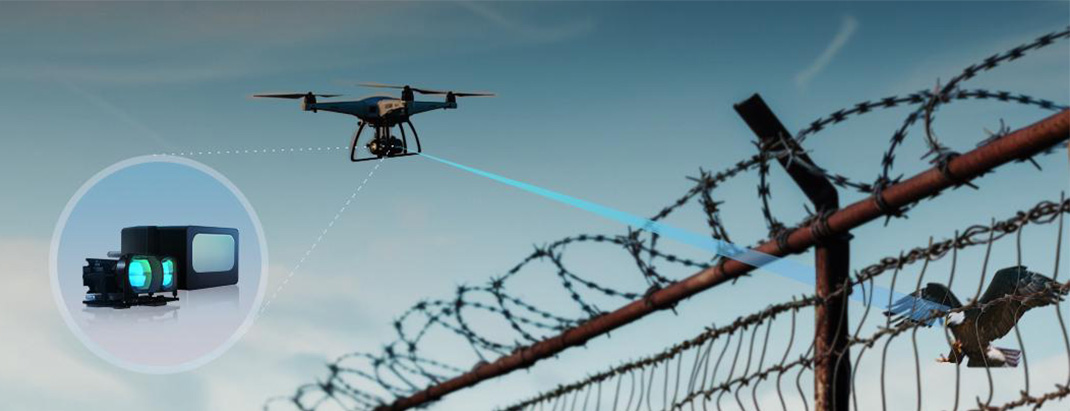
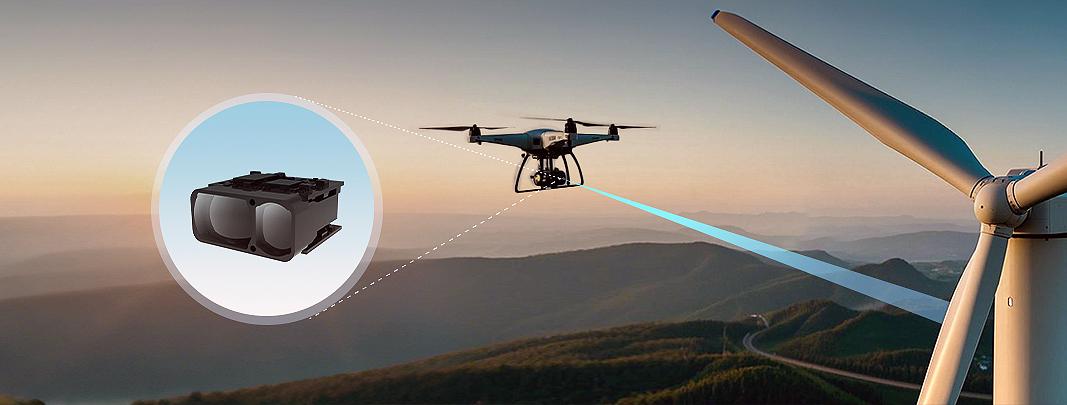
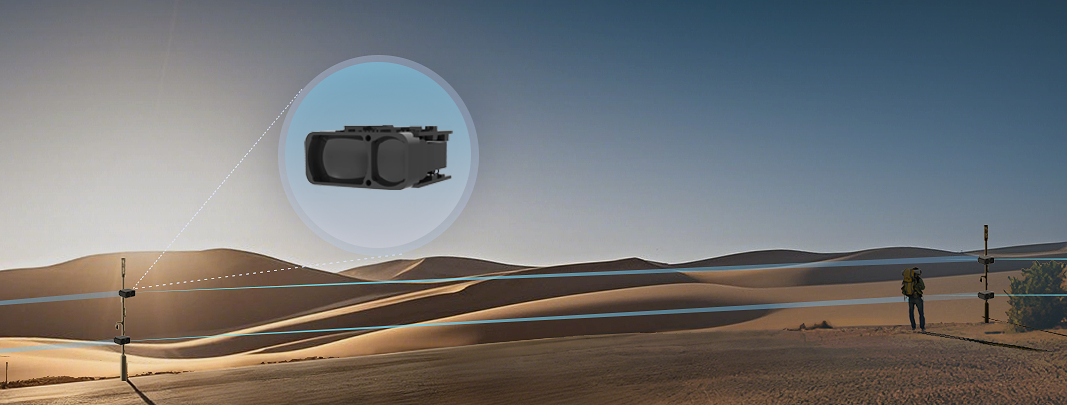
ü In industrial operations, high-speed UAV LiDAR sensors drastically shorten inspection cycles. The drones equipped with such sensors can survey long stretches of infrastructure, like power lines, pipelines, and border fences, far more efficiently than conventional methods.
ü In meteorology, UAVs carrying these sensors can track fast-moving weather systems like typhoons or storms, gathering real-time atmospheric data at multiple altitudes.
ü Scientists also use them for rapid sampling in large-scale research projects, including air quality studies and environmental monitoring, where precision and high speed are both essential.
ü This combination of high-speed scanning and precision is indispensable for drone LiDAR building surveys, enabling vertical takeoff and landing (VTOL) UAVs to map structures with high efficiency across large or complex sites.
Beyond mission-critical applications, high-speed UAV LiDAR is revolutionizing live event broadcasting and analysis. In motorsports such as Formula 1 or MotoGP, UAVs with LiDAR can autonomously track vehicles at racing speeds, capturing immersive, dynamic footage from angles impossible for traditional cameras or cable systems.
Similarly, in outdoor sports like skiing, mountain biking, or sailing, these UAVs can smoothly follow athletes across complex terrain, providing viewers with a first-person perspective of high-speed action.

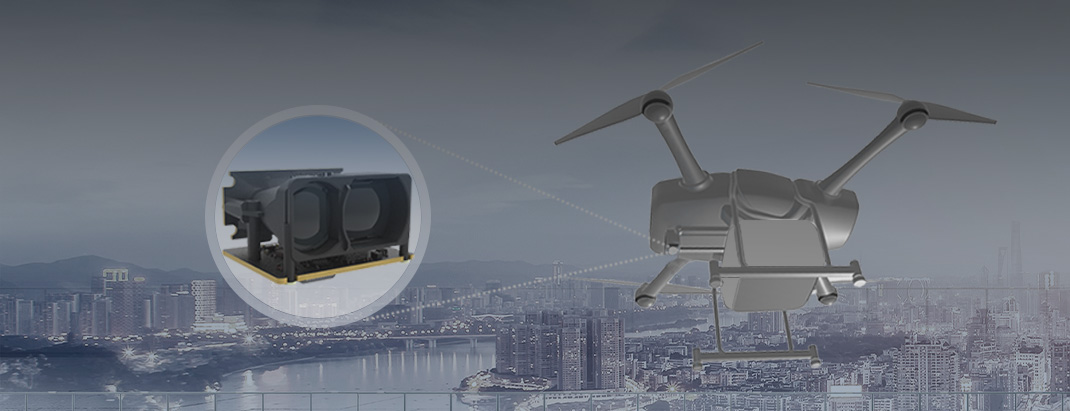
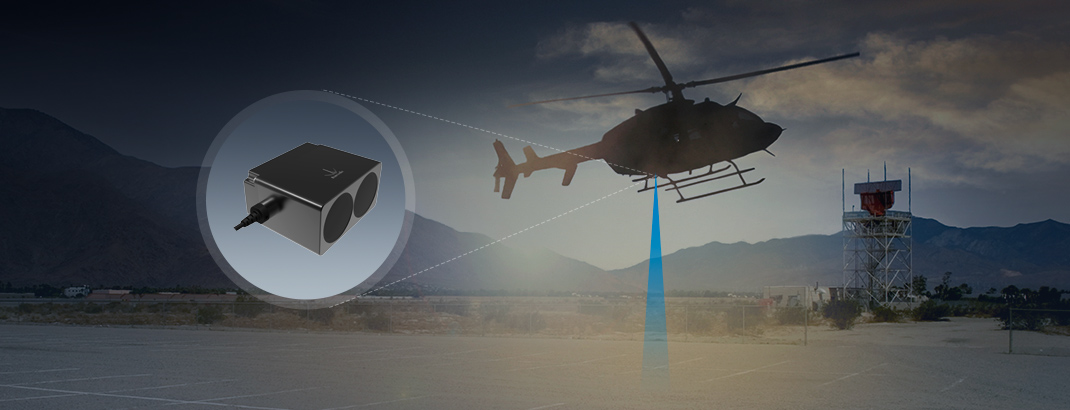
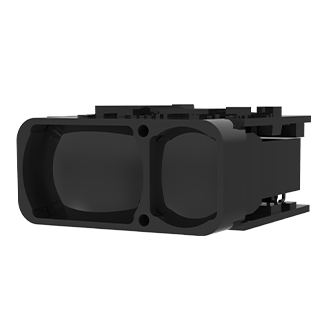
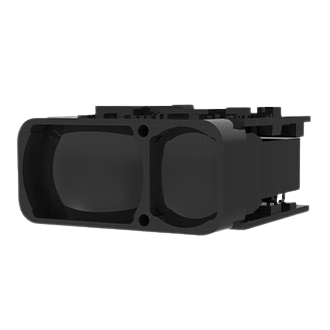
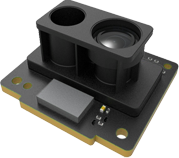
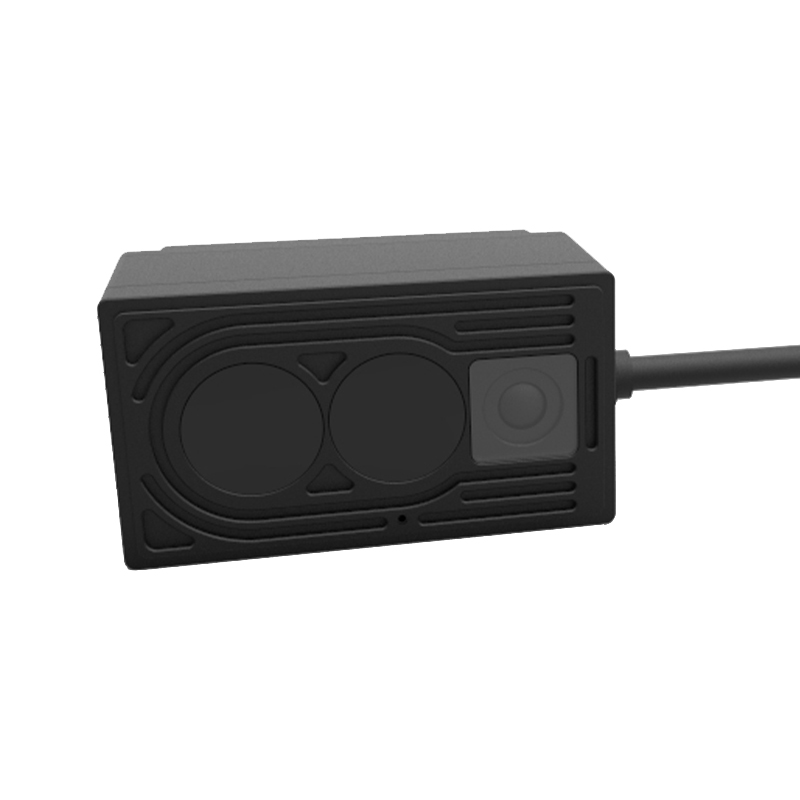
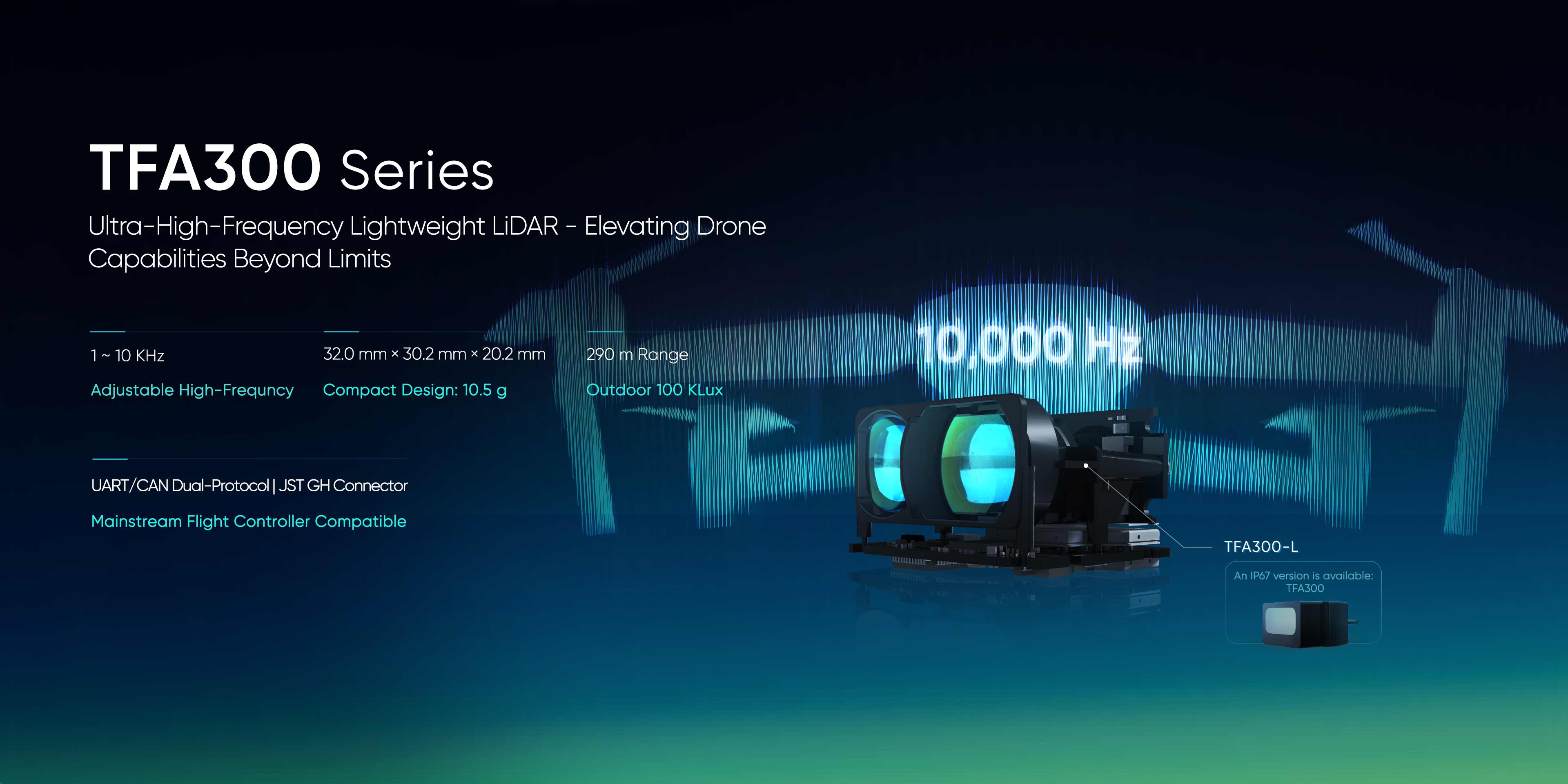
The Benewake TFA300 Series is a compact, high-frequency LiDAR for UAVs that operate at extreme speeds. It combines precision, speed, and durability in a lightweight design suitable for demanding aerial applications. Its top features include:
l Operates at up to 10,000 Hz for continuous, real-time distance updates.
l Detects obstacles even at near Mach 1 speeds, providing faster reaction times for safe, high-speed navigation.
l The TFA300-L weighs only 10.5 g, while the IP67-protected model weighs 34.5 g.
l Small enough for direct integration into EO/IR gimbals and drone payloads without compromising aerodynamics.
Features JST GH connectors and a CAN interface for direct connection with flight controllers.
Supports DroneCAN protocol, allowing quick setup and reduced development time.
l Performs accurately under rain, fog, dust, and up to 100 kLux sunlight.
l Crafted to minimize false detections and maintain data accuracy in complex outdoor environments.
In summary, high-speed flight presents extreme challenges for UAV perception systems: they must see clearly over greater distances, react in shorter timeframes, remain reliable in more complex environments, and do so while being lightweight and efficient.
The Benewake TFA300 series is engineered to meet these stringent standards, integrating exceptional performance with robust reliability, all encapsulated in an ultra-compact, lightweight form.
Whether it's for time-critical emergency rescue, efficiency-driven industrial inspections, or capturing split-second moments in high-speed tracking, the TFA300 series delivers precise, real-time, and trustworthy perception, making flight faster, smarter, and safer.